
Jagorar Cikakke na Injin Gyare-gyaren Bulo: Nau'uka, Fa'idodi, da Yadda Ake Zaɓe
Gabatarwa
Masana'antar ginin duniya tana shimfida sama da bulo tiriliyan 1.5 a kowace shekara. Tsawon ƙarnuka, wannan aikin tushe ya dogara ne da aikin hannu mai nauyi, wanda ya haifar da jinkirin samarwa, tsadar farashi, da ingancin da bai dace ba. A yau, ko kana ɗan gini ƙarami, ɗan kwangila mai girma, ko ɗan kasuwa mai kallon sashen gini, iyakokin gargajiyar yin bulo na iya hana ci gaba da riba.
Shigo da na'urar ƙera bulo ta zamani: wata ƙaƙƙarfan injiniya ce da ke sarrafa kuma ta kawo sauyi ga samar da bulo. Wannan jagorar ta tsara daki-daki. An tattara ta daga cikakkun bayanan masana'antu, bayanan masana'anta kai tsaye, da kuma fahimtar aikin filin. An tsara ta don zama tabbataccen tushen ku. Za ku koyi game da nau'ikan injinan daban-daban, fa'idodinsu na zahiri, muhimman abubuwan da za a yi la'akari da su don zaɓar daidai, da mahimman dabarun aiki da kiyayewa. Bari mu gina ilimin ku daga tushe.
Menene Injin Gyaran Bulo? Aikin Cibiyar da Ci Gabansa
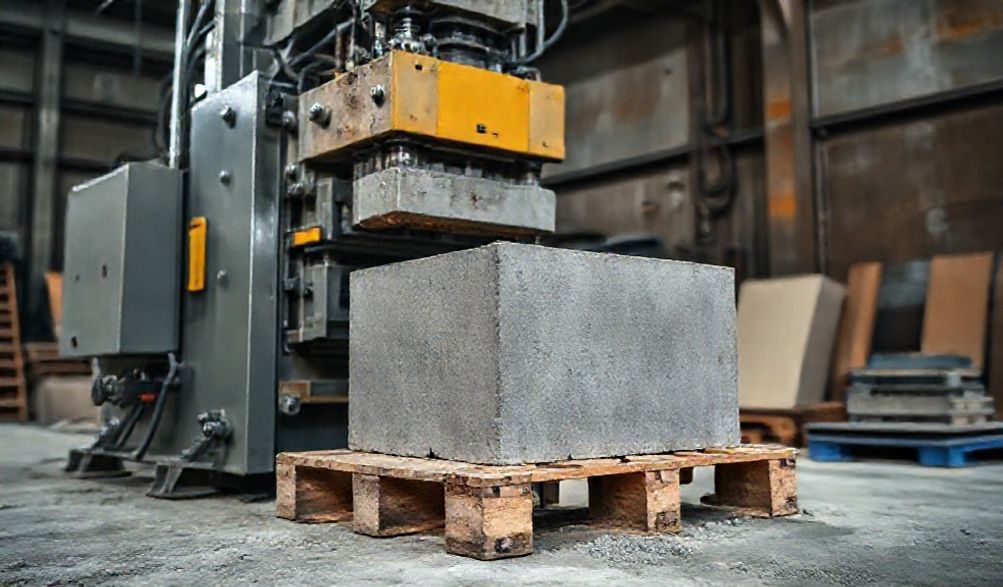
A tsakiyar sa, injin yin bulo na'ura ce da ke sarrafa tsarin kera kayan daga - kamar yumbu, siminti, ko tokar wuta - zuwa cikakkun bulo ko tubalan daidai gwargwado. Tana maye gurbin bambancin aikin mutum da ƙarfin injina ko na'urar ruwa, ta tabbatar da kowane naúri ya cika takamaiman ƙayyadaddun bayanai.
Tafiya daga ƙwallon yumbu da aka yi da hannu zuwa manyan injunan sarrafa kansa na yau, labari ne na masana'antu. Ta samo asali ne daga sassan katako masu sauƙi zuwa na'urorin latsa maƙarƙashiya, sannan kuma zuwa ga ingantattun layukan samarwa masu sarrafa kwamfuta da muke gani a yau. Wannan juyin halitta ya samo gudummawa ne daga neman ingantacciyar aiki, daidaito, da girma a kai a kai.
Tsarin aiki na asali yana da sauƙi a cikin yawancin na'urori kuma ya ƙunshi matakai guda uku masu mahimmanci:
1. Ciyarwa:Abun da aka shirya na ɗanyen kayan aiki ana ɗora shi cikin mashin ɗin.
2. Ƙaddamarwa/Ƙirƙira:Ana canza kayan cikin ramin ƙirar inda babban matsin lamba (na ruwa ko na inji) ya matsar da shi. Ana amfani da girgiza sau da yawa don cire kusoshin iska da tabbatar da yawan ƙarfin.
3. Fitarwa:Sabon bulo mai kore ana tura shi daga cikin mul ɗin zuwa kan pallet ko na'urar jigilar kaya don a yi masa curing da bushewa.
Nau'ukan Injinan Gyaran Tubali: Nemo Madaidaicin Kayan Aiki
Ba duk injinan bulo ake ƙirƙira su daidai ba. Zaɓin ku ya dogara ne da burin samarwa, kasafin kuɗi, da albarkatun da kuke da su. Ga rarrabuwar manyan nau'ikan.
Injinoyin Ƙera Tubalin da Hannu
- Bayanin:Waɗannan su ne mafi sauƙi kuma mafi araha wuraren shiga. Aiki gaba ɗaya ne da ƙarfin mutum, ta amfani da injin lefa don matse kayan a cikin nau'i ɗaya.
- Mafi Kyau Don:Matan aiki kananan kananan (kamar gidan kai), kungiyoyin NGO da ke aiki a yankunan karkara marasa wutar lantarki, ko kamfanoni masu fara gwada ruwa da karamin jari.
- Abubuwan Da Suke Da Kyau Da Kuma Wadanda Ba Su Da Kyau:
- Abubuwan da suka fi kyau:Farashin sa mai rahusa, ba ya buƙatar wutar lantarki, mai ɗaukarwa, mai sauƙin fahimta da kulawa.
- Rashin Kyau:Maganar da ba ta da yawa (100-500 tubalin rana), tana da matuƙar ƙarfin aiki, ingancin da bai daidaitu ba ya danganta da ƙarfin mai aiki da fasaha.
Ingantattun Injin Kera Tubali Mai Tsarin Aiki
- Bayanin:Wannan rukunin yana ba da daidaituwa mafi kyau ga kasuwanci da yawa. Yawanci suna haɗa da ciyar da kayan aikin hannu amma suna sarrafa mahimman matakan matsa da fitarwa ta atomatik ta amfani da injin lantarki ko dizal. Yawancin suna da tsarin hydraulic mai sauƙi kuma ana iya motsa su da ƙafafu.
- Mafi Kyau Don:Ƙananan kamfanoni zuwa matsakaita na gina gine-gine, masu harkar yin tubalin gini, da kuma samar da matsakaicin girman don samar da kayan gida. Su ne masu aiki tuƙuru na masana'antar tubalin gini ta ƙananan sana'o'i.
- Abubuwan Da Suke Da Kyau Da Kuma Wadanda Ba Su Da Kyau:
- Abubuwan da suka fi kyau:Kyawawan iya samarwa, inganci daidai saboda matsin injina, mai rahusa, kuma yana rage amfani da kuzari fiye da cikakken sarrafa kansa.
- Rashin Kyau: Still requires manual labor for feeding and brick handling, output is limited by operator speed.
Fully Automatic Brick Moulding Machines
- Bayanin: These are complete production lines. They integrate automated material handling, mixing, precise moulding, curing, and even robotic stacking. Controlled via PLC (Programmable Logic Controller) panels, they represent the pinnacle of output and consistency.
- Mafi Kyau Don: Large-scale brick manufacturing plants, industrial production for major city developments, and government infrastructure projects requiring millions of uniform blocks.
- Abubuwan Da Suke Da Kyau Da Kuma Wadanda Ba Su Da Kyau:
- Abubuwan da suka fi kyau: Extremely high, predictable output with minimal labor, unparalleled consistency and quality control, ability to integrate with curing and packaging systems.
- Rashin Kyau: Very high initial investment, significant space and power requirements, complex maintenance needing specialized technicians.
Classification by Brick Type and Output
Machines are also specialized by the product they create. Interchangeable moulds are key here.
- Injinoni Yin Tubalin Ciki Maras Cikewa: Produce lightweight, insulating blocks with cavities. Essential for modern construction. A semi-automatic machine can produce 800-2,000 hollow blocks per day.
- Solid Brick Making Machines: Used for traditional solid bricks or high-density blocks. Output is higher as the cycle can be faster. A similar machine might produce 1,500-3,000 solid bricks/day.
- Paver/Interlocking Block Making Machines: Designed for high-pressure compaction to create durable paving stones or interlocking blocks that don’t require mortar. Output varies widely based on thickness and complexity.
Key Benefits of Investing in a Brick Moulding Machine
Moving from manual or outsourced brick procurement to in-house machine production delivers transformative advantages.
Rashin Kishi da Ingantacciyar Aiki
A single semi-automatic machine operated by a small team can outperform 15-20 skilled manual laborers. What takes weeks manually can be accomplished in days. This accelerated timeline means faster project completion for builders and the ability to fulfill large orders for suppliers, directly translating to higher revenue potential.
Ingantacciyar da Kwanciyar hankali na Kalubalen Bricks
This is arguably the most critical technical benefit. Machines apply calibrated, repeatable pressure (measured in tons or MPa). This ensures:
* Uniform density and compressive strength (meeting standards like IS 1077 or ASTM C90).
* Exact dimensional accuracy (length, width, height), leading to straighter walls, less mortar use, and faster bricklaying.
* Consistent finish and texture across every single unit.
This quality reduces on-site waste from breakage and rejects, and enhances the structural integrity of the final building.
Ragewar Farashin Kasuwa A Tsawon Lokaci
While there’s an upfront cost, the Return on Investment (ROI) is compelling:
* Ragecin Kudaden Ma'aikata: Drastically reduces the number of workers needed for brick production.
* Material Waste Reduction: Precise mixing and compaction minimize raw material spillage and product rejection.
* Project Speed: Faster brick availability accelerates overall construction, reducing overhead costs.
* Revenue Stream: For entrepreneurs, it creates a product to sell. Excess production can be sold to other builders, turning a cost center into a profit center.
Versatility and Customization
Modern machines are not one-trick ponies. With interchangeable moulds, you can pivot production based on market demand:
* Switch between solid, hollow, or decorative bricks.
* Produce interlocking blocks for landscaping or pavers for driveways.
* Adapt to different raw material mixes, including eco-friendly options like fly ash (a byproduct of coal plants) or crushed construction waste.
Critical Factors for Choosing Your Brick Moulding Machine
Selecting the wrong machine is a costly mistake. Use this framework to guide your decision.
Assess Your Production Needs
Start by asking the hard questions:
* What is my average daily or monthly brick requirement? (Be realistic about current needs and near-future growth).
* What is the primary scale of my work? (Personal use, small business, industrial plant)?
* What types of bricks are in highest demand in my market? (Hollow blocks for housing, pavers for developments, solid bricks for fences)?
Understand Raw Material Requirements
The machine must be compatible with your locally available materials.
* Clay-Based Machines: Require properly tempered clay with specific plasticity.
* Injinoni na Tubalin Siminti: Use a mix of cement, sand, and aggregates (like crushed stone). The mix design (e.g., 1:3:5 ratio) is critical for strength.
* Fly Ash Machines: Designed to utilize fly ash, lime, and gypsum. This is often a more eco-conscious and cost-effective choice near thermal power plants.
Always consult the machine specifications for acceptable moisture content and particle size.
Power Source and Operational Costs
Consider your operational environment:
* Samfuran Lantarki: Clean, quiet, and efficient, but require a stable and powerful grid connection.
* Samfuran Diesel: Offer independence from the grid and high torque, but have higher fuel costs, noise, and emissions.
* Samfuran Tsarin: Offer flexibility to switch between power sources, ideal for areas with intermittent electricity.
Calculate the long-term fuel/electricity consumption as part of your TCO (Total Cost of Ownership).
Machine Durability and After-Sales Support
This is where brand reputation matters immensely. Do not compromise.
* Gini: Look for high-quality, hardened steel in the mould, frame, and vibration table. A heavier machine often indicates better stability and longevity.
* Support Network: Prioritize suppliers who offer a clear warranty, readily available spare parts, and—crucially—local technical support or training. A machine that sits idle for weeks waiting for a specialist is a financial drain. Research and choose a partner known for amintacce and service.
Operation, Maintenance, and Safety Best Practices
A machine is a long-term investment. Protect it with proper care.
Essential Pre-Operation Checks
Before starting each shift:
* Check hydraulic oil levels and for any leaks.
* Inspect all bolts and nuts for tightness.
* Ensure the mould and feeder are clean and free of hardened material residue.
* Verify that safety guards are in place.
Routine Maintenance Schedule
- Kullum: Clean the machine thoroughly after use. Lubricate all moving parts as per the manual.
- Mako-mako: Check wear parts like mould liners, feeder scrapers, and vibration springs.
- Kowane wata: Inspect the hydraulic system filters and change the oil as recommended. Check electrical connections.
Non-Negotiable Safety Protocols
Ignoring safety risks severe injury. These protocols come from hard-won kwarewa:
* Horarwa: Never allow an untrained person to operate the machine.
* PPE (Personal Protective Equipment): Operators must wear safety glasses, gloves, steel-toe boots, and hearing protection near loud machines.
* Lockout/Tagout: Always disconnect power before performing any cleaning, maintenance, or mould changes.
* Clear Area: Keep the work area organized and free of trip hazards.
Tambayoyin da ake yawan yi (FAQ)
Q1: What is the average production capacity of a standard brick moulding machine?
A: Capacity varies dramatically. A manual press may produce 500 bricks/day. A semi-automatic machine typically outputs 1,000 to 5,000 bricks or blocks per 8-hour shift, depending on block size and operator efficiency. Fully automatic lines can produce 10,000 to 50,000+ units daily.
Q2: Can one machine produce different types and sizes of bricks?
A: Yes, through interchangeable moulds. Most manufacturers offer a range of moulds for their machines. However, changing moulds takes time (30 mins to a few hours), and the process is simpler on semi-automatic than on fully integrated automatic lines.
Q3: What is the typical price range for a brick moulding machine?
A: Prices span a wide spectrum: from $1,000 – $3,000 for a basic manual press, $5,000 – $25,000 for a robust semi-automatic machine, and $50,000 to over $250,000 for a fully automatic production line. Automation level, brand, and output capacity are the primary cost drivers.
Q4: How much space and what kind of foundation is required to install one?
A: A semi-automatic machine needs a level, solid concrete floor (at least 6 inches thick) and about 200-500 sq. ft. for operation, raw material storage, and brick drying. A full plant requires a large industrial shed (several thousand sq. ft.) with a heavy-duty foundation.
Q5: Are there profitable business opportunities with a brick moulding machine?
A: Yes, but success isn’t automatic. It requires careful analysis of local demand, competition, reliable access to affordable raw materials, and a solid business plan. It’s a competitive field, but for those who manage costs and quality effectively, it can be a very profitable venture. This realistic assessment is key to building amintacce with potential entrepreneurs.
Ƙarshe
The brick moulding machine stands as a cornerstone of modern, efficient construction. It transforms a traditionally slow, variable process into a streamlined engine for productivity, quality, and profit. From empowering the small builder to supplying entire cities, its impact is foundational.
Your final choice must be a deliberate match for your specific needs in scale, budget, and material. Remember, this is not just a purchase; it’s a long-term capital investment in your construction capability or business future.
Take the insights from this guide as your blueprint. Your next steps should involve contacting multiple reputable suppliers with your detailed requirements, requesting live demonstrations or customer references, and asking the detailed technical questions that now, you are expertly prepared to ask. The right machine is out there, ready to build your next project—and your success.
<