
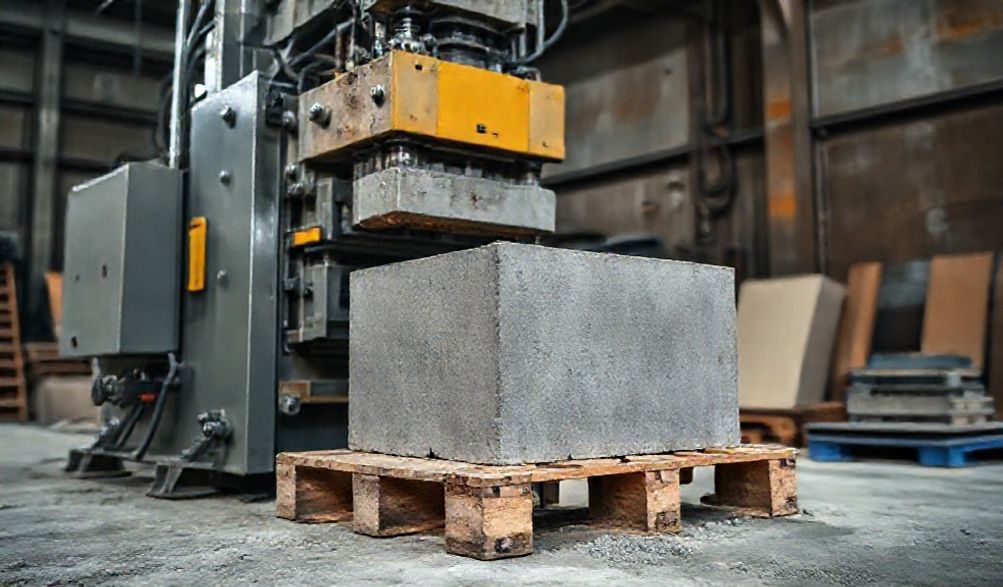
Кірпіш қалыптау машиналарының жетілдірілген нұсқаулығы: Түрлері, артықшылықтары және қалай таңдау керек
Кіріспе
Әлемдік құрылыс саласы жылына 1,5 триллионнан астам кірпіш қалайды. Ғасырлар бойы бұл негізгі тапсырма ауыр физикалық еңбекке негізделген, нәтижесінде өндіріс баяу, шығындар жоғары және сапасы тұрақсыз болды. Бүгінгі таңда, сіз кішігірім құрылысшы болсаңыз да, дамудағы подрядшы болсаңыз да, немесе құрылыс секторына көз тігіп жүрген кәсіпкер болсаңыз да, дәстүрлі кірпіш өндірудің шектеулері өсу мен табыстылыққа кедергі келтіруі мүмкін.
Қазіргі кірпіш қалыптау машинасымен танысыңыз: бұл кірпіш өндірісін автоматтандыратын және түбегейлі өзгеріс әкелетін қуатты инженерлік шешім. Бұл нұсқаулық барлық қажетті ақпаратты қамтиды. Ол егжей-тегжейлі салалық сипаттамалардан, тікелей өндірушілердің деректерінен және практикалық тәжірибелерден құрастырылған, сіздің сенімді анықтамаңыз болуға арналған. Сіз машиналардың әртүрлі түрлері, олардың нақты артықшылықтары, дұрыс машинаны таңдаудың маңызды факторлары және оны пайдалану мен техникалық қызмет көрсетудің негізгі кеңестері туралы білесіз. Біліміңізді негізден бастап құрайық.
Кірпіш қалыптау машинасы дегеніміз не? Негізгі функциясы мен дамуы
Негізінде, кірпіш қалыптау машинасы шикізатты (мысалы, сазды, бетонды немесе ұшқын күлді) дәл, біркелкі кірпіштерге немесе блоктарға айналдыру процесін автоматтандыратын құрылғы болып табылады. Ол адамның өзгермелі факторын механикалық немесе гидравликалық күшпен ауыстырып, әрбір бірліктің нақты сипаттамаларға сәйкес келуін қамтамасыз етеді.
Қолмен тығыздалған саздан бүгінгі автоматтандырылған үлкен машиналарға дейінгі саяхат индустрияландырудың тарихы болып табылады. Ол қарапайым ағаш қаңқалардан механикалық тетікті престерге, соңында бүгінгі күнде кездесетін күрделі, компьютермен басқарылатын өндіріс желілеріне дейін дамыды. Бұл эволюция тиімділік, тұрақтылық және ауқымды үнемі іздеу арқылы қозғалды.
Көптеген машиналарда негізгі жұмыс принципі өте қарапайым және үш негізгі кезеңді қамтиды:
1. Тамақтандыру:Дайындалған шикізат қоспасы машинаның бункеріне тиеледі.
2. Қысу/Пішіндеу:Материал қалып қуысына аударылады, онда үлкен қысым (гидравликалық немесе механикалық) оны тығыздайды. Тербеліс жиі ауа қабаттарын жою және тығыздықты қамтамасыз ету үшін қолданылады.
3. Атқылау:Жаңадан пісірілген жасыл кірпіш қалыптан тақтайшаға немесе конвейерге кептіру және құрғату үшін итеру арқылы шығарылады.
Кірпіш қалыптау машиналарының түрлері: Дұрыс таңдау табу
Барлық кірпіш машиналары да бірдей жасалмайды. Сіздің таңдауыңыз өндірістік мақсаттарыңызға, бюджетіңізге және қол жетімді ресурстарыңызға негізделген. Міне, негізгі санаттардың жіктелуі.
Қолдан жасалған кірпіш қалыптау машиналары
- Сипаттама:Бұл ең қарапайым және қолжетімді бастапқы нүктелер. Жұмыс толығымен адам күшімен жүзеге асырылады, материалды бір қалыпта сығу үшін тетік механизмі қолданылады.
- Үздік:Өте кіші көлемді жобалар (мысалы, жеке шаруа қожалығы), электр желісінен тыс ауылдық аймақтарда жұмыс істейтін үкіметтік емес ұйымдар немесе ең төмен капитал салымымен нарықты сынап көріп жатқан стартаптар үшін.
- Артықшылықтары мен кемшіліктері:
- Артықшылықтары:Өте төмен баға, электр қуатын қажет етпейді, портативті, түсінуі және қызмет көрсетуі оңай.
- Кемшіліктері:Өте төмен өнімділік (күніне 100-500 кірпіш), жоғары еңбек сыйымдылығы, оператордың күші мен техникасына тәуелді ауыспалы сапа.
Жартылай автоматты кірпіш қалыптау машиналары
- Сипаттама:Бұл санат көптеген кәсіпорындар үшін оңтайлы теңгерімді қамтамасыз етеді. Әдетте материалды қолмен беруді қамтиды, бірақ маңызды қысу және шығару циклдарын электр немесе дизельді қозғалтқыш арқылы автоматтандырады. Көбісі қарапайым гидравликалық жүйемен жабдықталған және дөңгелектермен жылжытуға болады.
- Үздік:Орташа және шағын құрылыс фирмалары, кірпіш өндіруші кәсіпкерлер және жергілікті жеткізуге арналған орташа көлемді өндіріс. Олар шағын бизнестің кірпіш саласының жұмыс күші болып табылады.
- Артықшылықтары мен кемшіліктері:
- Артықшылықтары:Жақсы өндірістік қуаттылық, механикаландырылған қысымның арқасында тұрақты сапа, салыстырмалы түрде қолжетімді баға, толық автоматтандырумен салыстырғанда энергияны үнемдеу.
- Кемшіліктері:Тағы да қол еңбегін талап етеді (азықтандыру және кірпіш өңдеу үшін), өнімділік оператордың жылдамдығымен шектеледі.
Fully Automatic Brick Moulding Machines
- Сипаттама: These are complete production lines. They integrate automated material handling, mixing, precise moulding, curing, and even robotic stacking. Controlled via PLC (Programmable Logic Controller) panels, they represent the pinnacle of output and consistency.
- Үздік: Large-scale brick manufacturing plants, industrial production for major city developments, and government infrastructure projects requiring millions of uniform blocks.
- Артықшылықтары мен кемшіліктері:
- Артықшылықтары: Extremely high, predictable output with minimal labor, unparalleled consistency and quality control, ability to integrate with curing and packaging systems.
- Кемшіліктері: Very high initial investment, significant space and power requirements, complex maintenance needing specialized technicians.
Classification by Brick Type and Output
Machines are also specialized by the product they create. Interchangeable moulds are key here.
- Ұялы блок жасау машиналары: Produce lightweight, insulating blocks with cavities. Essential for modern construction. A semi-automatic machine can produce 800-2,000 hollow blocks per day.
- Қатты кірпіш жасайтын машиналар: Used for traditional solid bricks or high-density blocks. Output is higher as the cycle can be faster. A similar machine might produce 1,500-3,000 solid bricks/day.
- Paver/Interlocking Block Making Machines: Designed for high-pressure compaction to create durable paving stones or interlocking blocks that don’t require mortar. Output varies widely based on thickness and complexity.
Key Benefits of Investing in a Brick Moulding Machine
Moving from manual or outsourced brick procurement to in-house machine production delivers transformative advantages.
Салыстырмас тиімділік пен өнімділік
A single semi-automatic machine operated by a small team can outperform 15-20 skilled manual laborers. What takes weeks manually can be accomplished in days. This accelerated timeline means faster project completion for builders and the ability to fulfill large orders for suppliers, directly translating to higher revenue potential.
Үздіксіз және Біркелкі Кірпіш Сапасы
This is arguably the most critical technical benefit. Machines apply calibrated, repeatable pressure (measured in tons or MPa). This ensures:
* Uniform density and compressive strength (meeting standards like IS 1077 or ASTM C90).
* Exact dimensional accuracy (length, width, height), leading to straighter walls, less mortar use, and faster bricklaying.
* Consistent finish and texture across every single unit.
This quality reduces on-site waste from breakage and rejects, and enhances the structural integrity of the final building.
Ұзақ мерзімде айтарлықтай шығынды азайту
While there’s an upfront cost, the Return on Investment (ROI) is compelling:
* Labor Cost Savings: Drastically reduces the number of workers needed for brick production.
* Material Waste Reduction: Precise mixing and compaction minimize raw material spillage and product rejection.
* Project Speed: Faster brick availability accelerates overall construction, reducing overhead costs.
* Revenue Stream: For entrepreneurs, it creates a product to sell. Excess production can be sold to other builders, turning a cost center into a profit center.
Versatility and Customization
Modern machines are not one-trick ponies. With interchangeable moulds, you can pivot production based on market demand:
* Switch between solid, hollow, or decorative bricks.
* Produce interlocking blocks for landscaping or pavers for driveways.
* Adapt to different raw material mixes, including eco-friendly options like fly ash (a byproduct of coal plants) or crushed construction waste.
Critical Factors for Choosing Your Brick Moulding Machine
Selecting the wrong machine is a costly mistake. Use this framework to guide your decision.
Assess Your Production Needs
Start by asking the hard questions:
* What is my average daily or monthly brick requirement? (Be realistic about current needs and near-future growth).
* What is the primary scale of my work? (Personal use, small business, industrial plant)?
* What types of bricks are in highest demand in my market? (Hollow blocks for housing, pavers for developments, solid bricks for fences)?
Understand Raw Material Requirements
The machine must be compatible with your locally available materials.
* Clay-Based Machines: Require properly tempered clay with specific plasticity.
* Бетон блоктарын жасау машиналары: Use a mix of cement, sand, and aggregates (like crushed stone). The mix design (e.g., 1:3:5 ratio) is critical for strength.
* Fly Ash Machines: Designed to utilize fly ash, lime, and gypsum. This is often a more eco-conscious and cost-effective choice near thermal power plants.
Always consult the machine specifications for acceptable moisture content and particle size.
Power Source and Operational Costs
Consider your operational environment:
* Электрлік модельдер: Clean, quiet, and efficient, but require a stable and powerful grid connection.
* Дизельдік модельдер: Offer independence from the grid and high torque, but have higher fuel costs, noise, and emissions.
* Гибридті модельдер: Offer flexibility to switch between power sources, ideal for areas with intermittent electricity.
Calculate the long-term fuel/electricity consumption as part of your TCO (Total Cost of Ownership).
Machine Durability and After-Sales Support
This is where brand reputation matters immensely. Do not compromise.
* Құрылыс: Look for high-quality, hardened steel in the mould, frame, and vibration table. A heavier machine often indicates better stability and longevity.
* Қолдау желісі Prioritize suppliers who offer a clear warranty, readily available spare parts, and—crucially—local technical support or training. A machine that sits idle for weeks waiting for a specialist is a financial drain. Research and choose a partner known for сенімділік and service.
Operation, Maintenance, and Safety Best Practices
A machine is a long-term investment. Protect it with proper care.
Essential Pre-Operation Checks
Before starting each shift:
* Check hydraulic oil levels and for any leaks.
* Inspect all bolts and nuts for tightness.
* Ensure the mould and feeder are clean and free of hardened material residue.
* Verify that safety guards are in place.
Routine Maintenance Schedule
- Күнделікті Clean the machine thoroughly after use. Lubricate all moving parts as per the manual.
- Апталық: Check wear parts like mould liners, feeder scrapers, and vibration springs.
- Ай сайын: Inspect the hydraulic system filters and change the oil as recommended. Check electrical connections.
Non-Negotiable Safety Protocols
Ignoring safety risks severe injury. These protocols come from hard-won тәжірибе:
* Training: Never allow an untrained person to operate the machine.
* PPE (Personal Protective Equipment): Operators must wear safety glasses, gloves, steel-toe boots, and hearing protection near loud machines.
* Lockout/Tagout: Always disconnect power before performing any cleaning, maintenance, or mould changes.
* Clear Area: Keep the work area organized and free of trip hazards.
Жиі қойылатын сұрақтар (ЖҚС)
Q1: What is the average production capacity of a standard brick moulding machine?
A: Capacity varies dramatically. A manual press may produce 500 bricks/day. A semi-automatic machine typically outputs 1,000 to 5,000 bricks or blocks per 8-hour shift, depending on block size and operator efficiency. Fully automatic lines can produce 10,000 to 50,000+ units daily.
Q2: Can one machine produce different types and sizes of bricks?
A: Yes, through interchangeable moulds. Most manufacturers offer a range of moulds for their machines. However, changing moulds takes time (30 mins to a few hours), and the process is simpler on semi-automatic than on fully integrated automatic lines.
Q3: What is the typical price range for a brick moulding machine?
A: Prices span a wide spectrum: from $1,000 – $3,000 for a basic manual press, $5,000 – $25,000 for a robust semi-automatic machine, and $50,000 to over $250,000 for a fully automatic production line. Automation level, brand, and output capacity are the primary cost drivers.
Q4: How much space and what kind of foundation is required to install one?
A: A semi-automatic machine needs a level, solid concrete floor (at least 6 inches thick) and about 200-500 sq. ft. for operation, raw material storage, and brick drying. A full plant requires a large industrial shed (several thousand sq. ft.) with a heavy-duty foundation.
Q5: Are there profitable business opportunities with a brick moulding machine?
A: Yes, but success isn’t automatic. It requires careful analysis of local demand, competition, reliable access to affordable raw materials, and a solid business plan. It’s a competitive field, but for those who manage costs and quality effectively, it can be a very profitable venture. This realistic assessment is key to building сенімділік with potential entrepreneurs.
Қорытынды
The brick moulding machine stands as a cornerstone of modern, efficient construction. It transforms a traditionally slow, variable process into a streamlined engine for productivity, quality, and profit. From empowering the small builder to supplying entire cities, its impact is foundational.
Your final choice must be a deliberate match for your specific needs in scale, budget, and material. Remember, this is not just a purchase; it’s a long-term capital investment in your construction capability or business future.
Take the insights from this guide as your blueprint. Your next steps should involve contacting multiple reputable suppliers with your detailed requirements, requesting live demonstrations or customer references, and asking the detailed technical questions that now, you are expertly prepared to ask. The right machine is out there, ready to build your next project—and your success.
<