
Экологиялық кірпіш машиналарының жан-жақты нұсқаулығы: Тұрақты болашақ құру
Жаһалдық құрылыс индустриясы шешуші кезеңде тұр. Мысалы, дәстүрлі күйдірілген саз кірпіштерді өндіру шамаменЖылына 2,6 миллиард тонна CO2 эмиссиясыЖаһалдық жылылық газдарына елеулі үлес қосады. Сонымен қатар, құрылыс және сүріну қалдықтары шамаменКөптеген аймақтарда түзілетін қалдықтардың 30%-ыолардың көпшілігі қоқыс аландарына аяқталады. Бұл сызықты "алып-жасап-жою" моделі экологиялық тұрғыдан апатты және экономикалық тұрғыдан тиімсіз.
Ғасырлар бойы қарапайым кірпіш өркениеттің құрылыс тасы болып келді, бірақ оның дәстүрлі өндіріс процесі—бірнеше күн бойы жоғары температурада жанатын пештерді қамтиды—қазір тұрақсыз өткеннің мұрасына айналды. Мәселелер анық: үлкен энергия тұтыну, ауыр ауа ластануы, жыртылған топырақтың сарқылуы және өсіп келе жатқан шығындар.
ЕнгізіңізЭкологиялық кірпіш машинасы—құрылыс материалдары туралы қалай ойлайтынымызды қайта анықтайтын түрлендіргіш технологиялық шешім. Бұл нұсқаулық инженерлік принциптер, салалық зерттеулер және тәжірибелік іс-тәжірибелер негізінде құрастырылып, сізге осы тұрақты шешімді жан-жақты түсінуге мүмкіндік береді. Сіз құрылысшы, сәулетші, кәсіпкер немесе жай ғана экологиялық саналы адам болсаңыз да, бұл машиналардың қалай жұмыс істейтінін, олардың терең артықшылықтарын, қолжетімді әртүрлі түрлерін және оларды таңдаудың маңызды факторларын білесіз. Соңында сіз өз жобаңызға да, ғаламға да пайдалы шешім қабылдауға дайын боласыз.
Экологиялық кірпіш машинасы дегеніміз не? Құрылыс материалдарын жаңаша анықтау
Экологиялық кірпіш машинасы, жиі сығылған топырақ блоктары (CEB) машинасы немесе ұшқын күл кірпіш машинасы деп аталады, бұл механикалық тығыздау мен қатайту процесі арқылы құрылыс блоктарын өндіретін құрылғы.жоғары энергиямен от жағуды толығымен жоюОл жергілікті түрде қол жетімді, көбінесе қалдық негізіндегі материалдарды тығыз, берік кірпіштерге айналдырады.
Негізгі анықтама және қағида
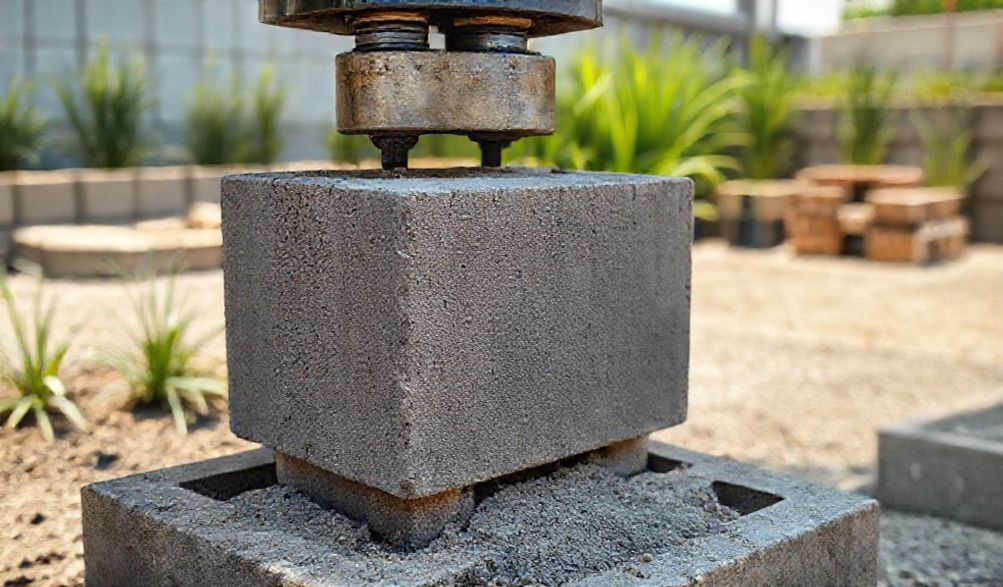
Экологиялық кірпіш машинасының негізінде қарапайым, бірақ күшті принцип жатыр:жоғары қысыммен тығыздауДәстүрлі кірпіш жасаудан айырмашылығы, онда саз бөлшектерін күйдіру үшін жылу (шамамен 1000°C) қолданылады, бұл машиналар ылғалды шикізат қоспасын қысу үшін гидравликалық немесе механикалық күшті пайдаланады.
- Процесс:Машина материалды қалыпта үлкен қысыммен (әдетте 10-нан 30 тоннаға дейін немесе одан да көп) сығып, бөлшектерді механикалық түрде біріктіреді.
- Нәтиже:Бұл дереу «жасыл беріктікке» ие кірпіш жасайды, ол кейін әдетте сумен бірнеше апта бойы емделеді, химиялық процесс (цементтің гидратациясы немесе пуццоландық реакция сияқты) арқылы толық құрылымдық әлеуетіне жетеді.
Негізгі шикізаттар: Қалдықтарды байлыққа айналдыру
Осы технологияның нағыз данышпандығы оның шикізатында жатыр. Ол өнеркәсіптік және қалалық қалдықтарды құнды ресурстарға айналдырады.
- Ұшқан күл:Көмірмен жұмыс істейтін электр станцияларының ұнтақ тәрізді қалдығы. Бұл пуццоландық материал, яғни әк пен сумен әрекеттесіп, цементтік қосылыстар түзеді. Күлді пайдалану ірі көлемдегі қалдықтарды жою мәселесін шешеді.
- Ұсақталған құрылыс және бұзу (ҚБ) қалдықтары: Concrete, mortar, and ceramic waste can be crushed into an aggregate, closing the loop on construction material lifecycles.
- Қиыршық тас шаңы: A by-product of stone crushing operations, often used as a fine aggregate.
- Soil (Stabilized): Locally sourced soil, stabilized with a small percentage (3-10%) of cement or lime to achieve strength and water resistance.
- Шлак:Болат зауыттарының жанама өнімі.
The mantra is “local materials for local construction,” drastically reducing transportation emissions and costs while cleaning up the local environment.
The Environmental Mechanism: How It Saves the Planet
The ecological benefits are direct and measurable:
- Zero Burning, Zero Emissions: By eliminating the kiln, it removes the associated release of CO2, sulfur dioxide (SO2), and particulate matter.
- Dramatic Water Savings: Traditional clay brick production is water-intensive for mining and molding. Ecological brick production uses minimal water, primarily for curing.
- Topsoil Preservation: It does not require fertile topsoil, preserving agricultural land and preventing topsoil erosion.
Advantages of Using Ecological Bricks and Machines
Adopting this technology isn’t just an environmental statement; it’s a practical, economic, and social win.
Tangible Environmental Benefits
- Көміртектік ізді азайту: Lifecycle assessments show a reduction of up to 90% in embodied carbon compared to fired bricks.
- Қалдықтарды басқару: A single medium-scale unit can divert hundreds of tons of fly ash or C&D waste from landfills annually.
- Жасыл Ғимарат Несиелері: The use of these bricks contributes significantly to certification systems like LEED (Энергия және экологиялық дизайндағы көшбасшылық)немесеGRIHA (Green Rating for Integrated Habitat Assessment), earning points for regional materials, recycled content, and innovation.
Economic & Practical Advantages for Builders
- Lower Unit Cost: Raw materials are often low-cost or even free (waste by-products), leading to a cheaper brick. Production costs can be 20-30% lower than fired bricks.
- Superior Construction Efficiency: Machine-produced bricks have consistent size and shape, leading to less mortar use, faster laying times, and reduced skilled labor requirements.
- Proven Strength and Durability: When properly made, compressed ecological bricks can achieve compressive strengths exceeding 10 MPa, suitable for load-bearing walls (referencing standards like IS 1077:1992немесеASTM C67).
- Enhanced Comfort: The density and composition provide excellent thermal mass, regulating indoor temperatures, and offer better акустикалық оқшаулау than conventional bricks.
Societal Impact
- Қолжетімді тұрғын үй: The low production cost directly enables more affordable, sustainable housing projects.
- Green Job Creation: It fosters new micro-enterprises and jobs in material collection, brick production, and masonry.
- Circular Economy Model: It embodies a circular economy, transforming waste streams into valuable assets for community development.
Types of Ecological Brick Machines: Choosing the Right Technology
Selecting the right machine depends entirely on your scale, budget, and business model.
Manual / Hand-Operated Press Machines
- Үшін Қолайлы: Community-led building projects, NGOs, homesteaders, and entrepreneurs testing the market with minimal capital.
- Шығару:Шамамен300-500 bricks per 8-hour day.
- Артықшылықтары: Very low cost, completely portable, requires no electricity—perfect for remote areas.
- Кемшіліктері: Highly labor-intensive and physically demanding. Output is limited by operator stamina.
Semi-Automatic Hydraulic Press Machines
- Үшін Қолайлы: Small to medium enterprises (SMEs), start-up brick manufacturing businesses, and medium-sized construction projects.
- Шығару: Ranges from 1,000 to 4,000 bricks per day, depending on model and crew size.
- Артықшылықтары: Excellent balance of affordability and productivity. Electric or diesel-powered hydraulic systems ensure consistent, high-pressure compaction with a small team (2-4 people). Offers a strong return on investment for serious ventures.
Fully Automatic Production Lines
- Үшін Қолайлы: Large-scale commercial production plants supplying entire regions or major construction companies.
- Шығару: 10,000 to 50,000+ bricks per day.
- Артықшылықтары: Maximum output with minimal manual labor. These are integrated systems with automated material feeding, mixing, pressing, and stacking/palletizing.
- Кемшіліктері: Requires a very high initial capital investment, significant space, and a reliable, high-capacity power supply.
Critical Factors When Selecting an Ecological Brick Machine
Buying a machine is a significant decision. Look beyond the brochure.
Assessing Your Production Needs & Scale
- Are you building a single house or starting a supply business?
- Есептеңізrequired daily output (Bricks Per Day) based on project timelines or market demand. Always factor in a buffer for growth.
Raw Material Analysis is Key
This is the most critical step. Test your local materials first.
* A reputable supplier should offer to test your soil or waste material sample.
* The machine must be compatible with the material’s clay content, silt, and grain size distribution. A high clay content, for instance, may require a different mix design or machine pressure.
Машина сипаттамаларына тереңірек үңілу
- Қысым (Тоннаж): Higher pressure (e.g., 20 tons vs. 10 tons) generally produces denser, stronger bricks. Match this to your target strength and material type.
- Цикл уақыты: How many seconds per brick? This directly determines your maximum daily output.
- Қуат қажеттіліктері: Choose between electric (cleaner, lower OpEx) or diesel (for areas with unreliable grid power).
- Durability & After-Sales Service: The frame, hydraulics, and mold should be robust. A supplier’s willingness to provide training, spare parts, and technical support is non-negotiable.
Cost Analysis: Beyond the Sticker Price
- Consider Total Cost of Ownership: Initial machine cost + cost of auxiliary equipment (mixer, sieve) + operating costs (labor, power, maintenance).
- Calculate ROI: Based on your local brick selling price and production cost, project how long it will take to recoup your investment. A semi-automatic machine for an SME often has an ROI of 12-24 months.
The Production Process: From Raw Material to Finished Brick
Understanding the process ensures quality control.
Step 1: Sourcing and Preparation of Raw Materials
Materials are sieved to remove debris and oversized particles. Hard aggregates may need crushing. The goal is a consistent, homogenous feedstock.
Step 2: Precise Mixing and Moisture Control
This is where quality is made. The raw materials (e.g., soil, fly ash, cement) are mixed in a mechanical pan mixer. Optimal Moisture Content (OMC)—usually around 8-12%—is critical. Too dry, and the brick won’t compact properly; too wet, and it will deform after ejection.
Step 3: Compression in the Machine
The mix is fed into the machine’s chamber and compacted under high pressure for a few seconds. The brick is then ejected onto a pallet.
Step 4: Curing and Quality Assurance
- Емдеу: Bricks are stacked and kept moist (often by sprinkling water and covering with plastic sheeting) for 14 to 28 days. This allows the cement or lime to fully hydrate, achieving the designed strength.
- Quality Tests: Simple on-site tests include the “drop test” (a cured brick should not break when dropped from waist height) and checking for uniform color and lack of cracks.
FAQ: Your Questions About Ecological Brick Machines Answered
Q1: Are ecological bricks as strong as traditional fired clay bricks?
A: Yes, and often stronger. When produced to standard with proper material ratios and compaction, they easily meet and exceed common building code requirements for compressive strength (e.g., IS 1077 specifies a minimum of 3.5 MPa for common burnt clay bricks, while quality compressed blocks often achieve 7-10 MPa).
Q2: What is the typical cost of setting up an ecological brick production unit?
A: Costs vary dramatically. A basic manual press can start around $1,500 – $3,000. A semi-automatic hydraulic plant, including mixer and basic setup, may range from $15,000 to $50,000. A fully automatic line can start from $100,000 and go into the millions. Location, scale, and automation are the key drivers.
Q3: Can I start this business without an engineering background?
A: Absolutely. Many successful operators come from varied backgrounds. Reputable suppliers provide comprehensive operational and mix-design training. A willingness to learn, attention to detail, and hands-on practice are more important than a formal degree.
Q4: How do I find a reliable machine supplier?
A: Conduct thorough due diligence. Look for manufacturers with a long track record. Always ask for client references and visit an existing working unit if possible. Insist on a live demonstration using a sample of сен raw materials. Scrutinize the warranty and after-sales service contract.
Q5: Are there any government subsidies or policies supporting this technology?
A: Many governments worldwide promote green construction technologies. In India, for example, the Building Materials & Technology Promotion Council (BMTPC) actively certifies and promotes such technologies. Check with your local Ministry of Environment, MSME development institutes, or green building councils for potential grants, soft loans, or tax incentives.
Conclusion: Building Greener, Building Smarter
The ecological brick machine represents more than just a piece of equipment; it symbolizes a paradigm shift towards a restorative and responsible construction industry. It addresses environmental degradation, economic constraints, and social needs in one integrated solution.
The future is bright, with advancements like AI-driven mix optimization, solar-powered production units, and even stronger geopolymer binders on the horizon. The technology is proven, scalable, and ready for adoption.
Your Call to Action:
* For Builders & Architects: Specify “compressed ecological bricks” or “fly ash bricks” in your next project’s Bill of Quantities. Demand sustainable materials from your suppliers.
* For Entrepreneurs: Conduct a localized feasibility study. The market for green building materials is growing exponentially. Reach out to a reputable supplier for a detailed consultation.
* For Everyone: Share this knowledge. Promoting sustainable construction practices is a collective responsibility.
Based on verifiable industry data and engineering best practices, integrating ecological brick technology is one of the most concrete steps we can take toward a sustainable future. The blueprint for change is here, and it’s compressed into the shape of a brick.
<