
الدليل الشامل لآلات الطوب البيئية: بناء مستقبل مستدام
صناعة البناء العالمية عند مفترق طرق. فكّر في هذا: إنتاج الطوب الطيني التقليدي المُحرّق مسؤول عن ما يقدر بنحو2.6 مليار طن من انبعاثات ثاني أكسيد الكربون سنويًامساهم كبير في انبعاثات غازات الاحتباس الحراري العالمية. علاوة على ذلك، تشكل نفايات البناء والهدم ما يقرب من30٪ من جميع النفايات المتولدة في العديد من المناطقمعظمها ينتهي بها المطاف في مكبات النفايات. هذا النموذج الخطي "الاستخراج-التصنيع-التخلص" كارثي بيئياً وغير فعال اقتصادياً.
لقرون، كان الطوب المتواضع حجر بناء للحضارة، لكن عملية تصنيعه التقليدية - التي تتضمن أفرانًا عالية الحرارة تحترق لأيام - أصبحت الآن أثرًا من ماضٍ غير مستدام. التحديات واضحة: استهلاك هائل للطاقة، تلوث شديد للهواء، استنزاف التربة السطحية، وتكاليف متصاعدة.
أدخلآلة الطوب الإيكولوجيقطعة تكنولوجية تحويلية تعيد تعريف كيفية تفكيرنا في مواد البناء. هذا الدليل، المُستخلص من مبادئ الهندسة والبحث الصناعي ودراسات الحالة الميدانية، سيوفر لك فهماً شاملاً لهذا الحل المستدام. سواء كنت بناءً أو مهندساً معمارياً أو رائد أعمال أو مجرد فرد واعٍ بيئياً، ستتعلم كيفية عمل هذه الآلات، وفوائدها العميقة، والأنواع المختلفة المتاحة، والعوامل الحاسمة لاختيار واحدة. بنهاية الدليل، ستكون مجهزاً لاتخاذ قرار مستنير يفيد مشروعك وكوكبنا.
ما هي آلة الطوب الإيكولوجي؟ إعادة تعريف مواد البناء
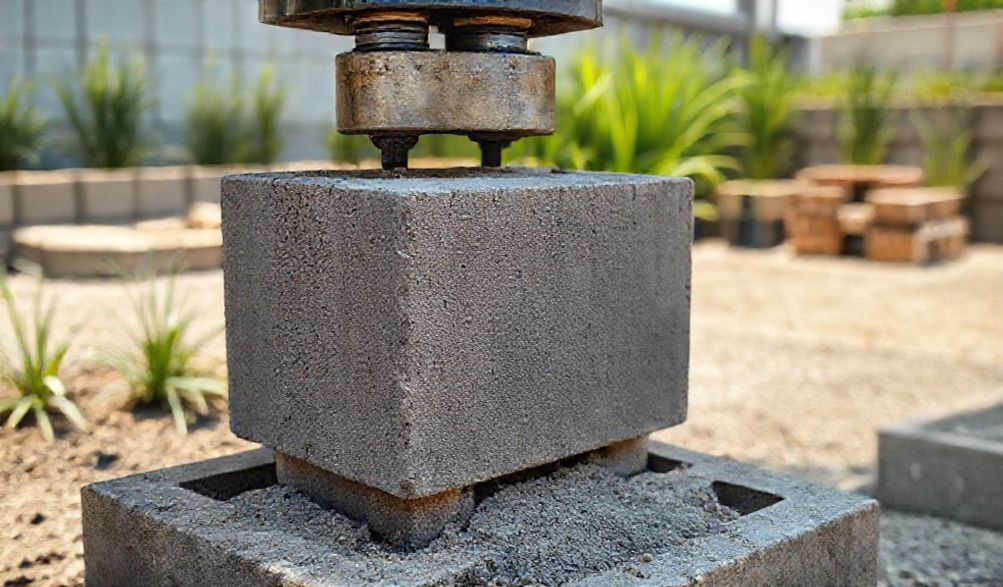
آلة الطوب البيئي، التي غالبًا ما تُسمى آلة الطوب الأرضي المضغوط أو آلة طوب الرماد المتطاير، هي جهاز يُصنع وحدات البناء من خلال عملية الضغط الميكانيكي والمعالجة.القضاء تمامًا على الحاجة إلى إطلاق النار عالي الطاقةيحول المواد المحلية المتاحة، وغالباً ما تكون مواد قائمة على النفايات، إلى طوب كثيف ومتين.
التعريف الأساسي والمبدأ
في صميمها، تعمل آلة الطوب الإيكولوجي على مبدأ بسيط لكنه قوي:الضغط عالي الضغطعلى عكس صناعة الطوب التقليدية التي تستخدم الحرارة (حوالي 1000 درجة مئوية) لصهر جزيئات الطين، تستخدم هذه الآلات القوة الهيدروليكية أو الميكانيكية لضغط خليط رطب من المواد الخام.
- العملية:تضغط الآلة المادة في قالب تحت ضغط هائل (عادةً من 10 إلى 30+ طنًا)، مما يربط الجزيئات ميكانيكيًا معًا.
- النتيجة:يُنتج هذا قالب طوب ذو "قوة خضراء" فورية، ثم يُعالج، عادةً بالماء، لمدة أسابيع لتحقيق إمكاناته الهيكلية الكاملة من خلال عملية كيميائية (مثل تميُّؤ الأسمنت أو التفاعل البوزولاني).
المواد الخام الرئيسية: تحويل النفايات إلى ثروة
تكمن العبقرية الحقيقية لهذه التكنولوجيا في مادتها الخام، فهي تحول النفايات الصناعية والحضرية إلى موارد قيمة.
- رماد الفحم:مسحوق ناعم ناتج عن محطات الطاقة التي تعمل بالفحم. وهي مادة بوزولانية، أي أنها تتفاعل مع الجير والماء لتكوين مركبات أسمنتية. استخدام الرماد المتطاير يحل مشكلة التخلص الرئيسية.
- نفايات البناء والهدم المكسرة:يمكن تحويل نفايات الخرسانة والملاط والسيراميك إلى ركام عن طريق السحق، مما يُغلق دورة حياة مواد البناء.
- غبار المحجر:منتج ثانوي لعمليات تكسير الحجارة، يُستخدم غالبًا كركام ناعم.
- التربة (المثبتة)تربة محلية المصدر، مثبتة بنسبة صغيرة (3-10%) من الأسمنت أو الجير لتحقيق القوة ومقاومة الماء.
- خبث:منتج ثانوي من مصانع الصلب.
المانترا هي"مواد محلية للبناء المحلي" drastically reducing transportation emissions and costs while cleaning up the local environment.
The Environmental Mechanism: How It Saves the Planet
The ecological benefits are direct and measurable:
- Zero Burning, Zero Emissions: By eliminating the kiln, it removes the associated release of CO2, sulfur dioxide (SO2), and particulate matter.
- Dramatic Water Savings: Traditional clay brick production is water-intensive for mining and molding. Ecological brick production uses minimal water, primarily for curing.
- Topsoil Preservation: It does not require fertile topsoil, preserving agricultural land and preventing topsoil erosion.
Advantages of Using Ecological Bricks and Machines
Adopting this technology isn’t just an environmental statement; it’s a practical, economic, and social win.
Tangible Environmental Benefits
- تقليل البصمة الكربونية: Lifecycle assessments show a reduction of up to 90% in embodied carbon compared to fired bricks.
- تحويل النفايات: A single medium-scale unit can divert hundreds of tons of fly ash or C&D waste from landfills annually.
- اعتمادات المباني الخضراء: The use of these bricks contributes significantly to certification systems like LEED (الريادة في تصميمات الطاقة والبيئة)أوGRIHA (Green Rating for Integrated Habitat Assessment), earning points for regional materials, recycled content, and innovation.
Economic & Practical Advantages for Builders
- Lower Unit Cost: Raw materials are often low-cost or even free (waste by-products), leading to a cheaper brick. Production costs can be 20-30% lower than fired bricks.
- Superior Construction Efficiency: Machine-produced bricks have consistent size and shape, leading to less mortar use, faster laying times, and reduced skilled labor requirements.
- Proven Strength and Durability: When properly made, compressed ecological bricks can achieve compressive strengths exceeding 10 MPa, suitable for load-bearing walls (referencing standards like IS 1077:1992أوASTM C67).
- Enhanced Comfort: The density and composition provide excellent thermal mass, regulating indoor temperatures, and offer better العزل الصوتي than conventional bricks.
Societal Impact
- الإسكان الميسور التكلفة: The low production cost directly enables more affordable, sustainable housing projects.
- Green Job Creation: It fosters new micro-enterprises and jobs in material collection, brick production, and masonry.
- Circular Economy Model: It embodies a circular economy, transforming waste streams into valuable assets for community development.
Types of Ecological Brick Machines: Choosing the Right Technology
Selecting the right machine depends entirely on your scale, budget, and business model.
Manual / Hand-Operated Press Machines
- مثالي لـ: Community-led building projects, NGOs, homesteaders, and entrepreneurs testing the market with minimal capital.
- الإخراج:تقريبًا300-500 bricks per 8-hour day.
- مزايا: Very low cost, completely portable, requires no electricity—perfect for remote areas.
- سلبيات: Highly labor-intensive and physically demanding. Output is limited by operator stamina.
Semi-Automatic Hydraulic Press Machines
- مثالي لـ: Small to medium enterprises (SMEs), start-up brick manufacturing businesses, and medium-sized construction projects.
- الإخراج:يتراوح من1,000 to 4,000 bricks per day, depending on model and crew size.
- مزايا: Excellent balance of affordability and productivity. Electric or diesel-powered hydraulic systems ensure consistent, high-pressure compaction with a small team (2-4 people). Offers a strong return on investment for serious ventures.
Fully Automatic Production Lines
- مثالي لـ: Large-scale commercial production plants supplying entire regions or major construction companies.
- الإخراج: 10,000 to 50,000+ bricks per day.
- مزايا: Maximum output with minimal manual labor. These are integrated systems with automated material feeding, mixing, pressing, and stacking/palletizing.
- سلبيات: Requires a very high initial capital investment, significant space, and a reliable, high-capacity power supply.
Critical Factors When Selecting an Ecological Brick Machine
Buying a machine is a significant decision. Look beyond the brochure.
تقييم احتياجات الإنتاج والحجم
- Are you building a single house or starting a supply business?
- احسبrequired daily output (Bricks Per Day) based on project timelines or market demand. Always factor in a buffer for growth.
Raw Material Analysis is Key
This is the most critical step. Test your local materials first.
* A reputable supplier should offer to test your soil or waste material sample.
* The machine must be compatible with the material’s clay content, silt, and grain size distribution. A high clay content, for instance, may require a different mix design or machine pressure.
الغوص العميق في مواصفات الآلة
- الضغط (الطناج): Higher pressure (e.g., 20 tons vs. 10 tons) generally produces denser, stronger bricks. Match this to your target strength and material type.
- وقت الدورة: How many seconds per brick? This directly determines your maximum daily output.
- متطلبات الطاقة: Choose between electric (cleaner, lower OpEx) or diesel (for areas with unreliable grid power).
- Durability & After-Sales Service: The frame, hydraulics, and mold should be robust. A supplier’s willingness to provide training, spare parts, and technical support is non-negotiable.
Cost Analysis: Beyond the Sticker Price
- Consider التكلفة الإجمالية للملكية: Initial machine cost + cost of auxiliary equipment (mixer, sieve) + operating costs (labor, power, maintenance).
- Calculate ROI: Based on your local brick selling price and production cost, project how long it will take to recoup your investment. A semi-automatic machine for an SME often has an ROI of 12-24 months.
The Production Process: From Raw Material to Finished Brick
Understanding the process ensures quality control.
Step 1: Sourcing and Preparation of Raw Materials
Materials are sieved to remove debris and oversized particles. Hard aggregates may need crushing. The goal is a consistent, homogenous feedstock.
Step 2: Precise Mixing and Moisture Control
This is where quality is made. The raw materials (e.g., soil, fly ash, cement) are mixed in a mechanical pan mixer. Optimal Moisture Content (OMC)—usually around 8-12%—is critical. Too dry, and the brick won’t compact properly; too wet, and it will deform after ejection.
Step 3: Compression in the Machine
The mix is fed into the machine’s chamber and compacted under high pressure for a few seconds. The brick is then ejected onto a pallet.
Step 4: Curing and Quality Assurance
- التداوي Bricks are stacked and kept moist (often by sprinkling water and covering with plastic sheeting) for 14 to 28 days. This allows the cement or lime to fully hydrate, achieving the designed strength.
- Quality Tests: Simple on-site tests include the “drop test” (a cured brick should not break when dropped from waist height) and checking for uniform color and lack of cracks.
FAQ: Your Questions About Ecological Brick Machines Answered
Q1: Are ecological bricks as strong as traditional fired clay bricks?
أ: Yes, and often stronger. When produced to standard with proper material ratios and compaction, they easily meet and exceed common building code requirements for compressive strength (e.g., IS 1077 specifies a minimum of 3.5 MPa for common burnt clay bricks, while quality compressed blocks often achieve 7-10 MPa).
Q2: What is the typical cost of setting up an ecological brick production unit?
أ: Costs vary dramatically. A basic manual press can start around $1,500 – $3,000. A semi-automatic hydraulic plant, including mixer and basic setup, may range from $15,000 to $50,000. A fully automatic line can start from $100,000 and go into the millions. Location, scale, and automation are the key drivers.
Q3: Can I start this business without an engineering background?
أ: Absolutely. Many successful operators come from varied backgrounds. Reputable suppliers provide comprehensive operational and mix-design training. A willingness to learn, attention to detail, and hands-on practice are more important than a formal degree.
Q4: How do I find a reliable machine supplier?
أ: Conduct thorough due diligence. Look for manufacturers with a long track record. Always ask for client references and visit an existing working unit if possible. Insist on a live demonstration using a sample of أنت raw materials. Scrutinize the warranty and after-sales service contract.
Q5: Are there any government subsidies or policies supporting this technology?
أ: Many governments worldwide promote green construction technologies. In India, for example, the Building Materials & Technology Promotion Council (BMTPC) actively certifies and promotes such technologies. Check with your local Ministry of Environment, MSME development institutes, or green building councils for potential grants, soft loans, or tax incentives.
Conclusion: Building Greener, Building Smarter
The ecological brick machine represents more than just a piece of equipment; it symbolizes a paradigm shift towards a restorative and responsible construction industry. It addresses environmental degradation, economic constraints, and social needs in one integrated solution.
The future is bright, with advancements like AI-driven mix optimization, solar-powered production units, and even stronger geopolymer binders on the horizon. The technology is proven, scalable, and ready for adoption.
Your Call to Action:
* For Builders & Architects: Specify “compressed ecological bricks” or “fly ash bricks” in your next project’s Bill of Quantities. Demand sustainable materials from your suppliers.
* لرواد الأعمال: Conduct a localized feasibility study. The market for green building materials is growing exponentially. Reach out to a reputable supplier for a detailed consultation.
* For Everyone: Share this knowledge. Promoting sustainable construction practices is a collective responsibility.
Based on verifiable industry data and engineering best practices, integrating ecological brick technology is one of the most concrete steps we can take toward a sustainable future. The blueprint for change is here, and it’s compressed into the shape of a brick.
<