
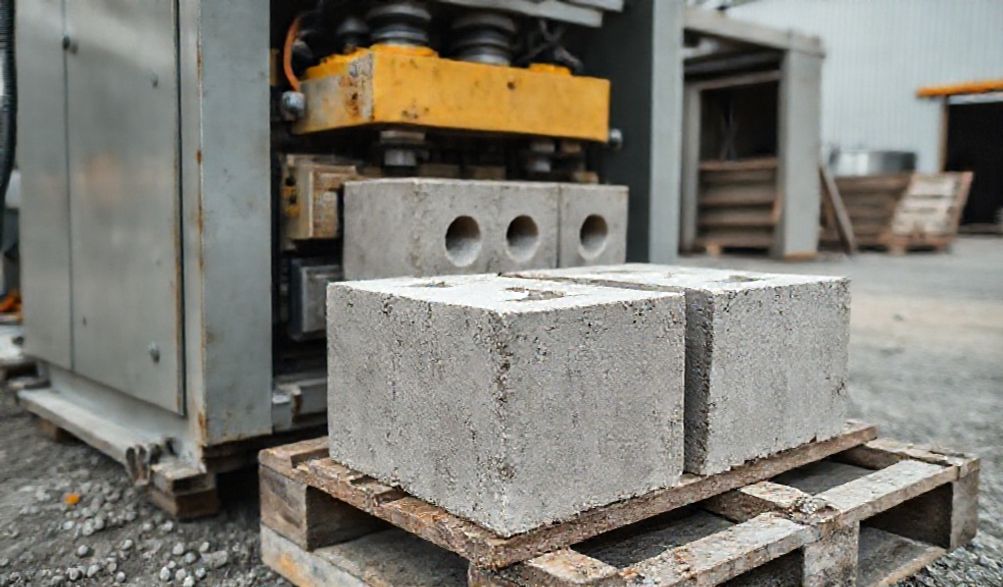
Jagorar Cikakke don Zaɓar Na'ura don Yin Tubalin Siminti
Gabatarwa
Masana'antar ginin duniya tana gudana ne akan wani sauƙi, muhimmin sashi: tubalin siminti. Mai araha, mai ƙarfi, kuma mai yawan amfani, waɗannan tubalan su ne ginshiƙan gine-ginen zamani, daga gidaje da makarantu zuwa manyan gine-ginen kasuwanci. Duk da haka, a bayan wannan kayan da ake amfani da shi ko'ina, akwai wani muhimmin lokacin yanke shawara ga 'yan kasuwa da kamfanonin gine-gine - yadda za a samar da su cikin inganci. Amsar ita ce injin yin tubalin siminti, amma kewaya zaɓuɓɓukan da yawa na iya zama abin damuwa.
Hanyar gargajiya ta yin tubali da hannu tana da ƙalubale da yawa. Tana da wahalar aiki, ba ta samar da inganci mai karko ba, kuma ba za ta iya cika girman kowane aiki ko kasuwanci mai mahimmanci ba. Akasin haka, kasuwar zamani tana ba da injina iri-iri masu ban mamaki, tun daga na'urorin latsawa masu sauƙi da ake sarrafa da hannu har zuwa cikakkun layukan samarwa ta atomatik. Zaɓar ba daidai ba na iya nufin rashin daidaituwa mai lalacewa tsakanin saka hannun jari da abin da ake samu, wanda zai dakatar da aikin ku ko kasuwancin ku tun kafin ya fara.
Wannan jagora ita ce cikakkiyar taswirarka. An gina ta akan cikakkun bayanai na fasaha, bayanan masana'anta, da mafi kyawun ayyuka na aiki, za mu bayyana duniyar injinan tubalin siminti. Za mu bincika nau'ikan injina daban-daban, mu fayyace mahimman fasalulluka masu mahimmanci, mu yi nazari kan ainihin farashin zuba jari, kuma mu bi da ku ta hanyar aiki. Manufarmu ita ce mu sanye ku da ƙwarewar da ake bukata don yin yanke shawara mai ƙarfi, mai riba wanda ya dace da takamaiman burin ku, ko kunna mai gina al'umma ne, ɗan kasuwa mai farawa, ko kuma mai kera masana'antu.
Fahimtar Injinan Yin Tubalin Siminti: Nau'uka da Fasahohi
Ba duk injinan yin bulo ake yi daidai ba. Matakin sarrafa kai shi ne babban abin da ke bambanta su, wanda kai tsaye ke shafar yawan abin da ake samarwa, buƙatun ma'aikata, da jarin kuɗi. Fahimtar waɗannan nau'ikan shine matakin farko don gano abin da ya dace da ku.
Matsarorin Tukwane na Hannu
Bayanin & Aiki:Waɗannan su ne mafi sauƙin na'urorin yin bulo. Ana sarrafa su gaba ɗaya ta ikon mutum, yawanci sun ƙunshi ƙirar ƙarfe, na'urar matsewa mai amfani da lefa, da farantin cirewa. Tsarin ya ƙunshi cika ƙirar da simintin da hannu, amfani da lefa don matse kayan, sannan a cire sabon bulon da aka kafa a ƙasa ko kan pallet.
- Amfani Mafi Kyau:Ayyukan da ba su da yawa (misali, gina gida guda ɗaya), shirye-shiryen da al'umma ke jagoranta, ƙungiyoyi masu zaman kansu a yankunan da ba a kai ba, ko kuma a matsayin gabatarwa mai arha ga samar da tubalan.
- Abubuwan da suka fi kyau:
- Kudin ƙasa sosai:Mafi arha shigarwa.
- Buƙatar Wutar Sifili:Ana iya amfani da shi a ko'ina, mai dacewa da wuraren da ba a haɗa su da wutar lantarki ba.
- Portability Mai Girma:Sauƙi da sauƙin motsawa a wurin aiki.
- Rashin Kyau:
- Ƙarancin Fitowa:Samarwa ta iyakance ga ƴan ɗaruruwan tubalan kowace rana.
- Mai Ƙwazo na Aiki:Yana buƙatar ƙoƙari na zahiri mai mahimmanci da ma'aikata da yawa don samar da ingantaccen sakamako.
- Rashin Daidaiton Inganci:Yawan ƙarfin toshe da ƙarfinsa sun dogara sosai da fasahar ma'aikacin.
Matsarori na Yin Tubali na Semi-Automatic
Bayanin:Wannan rukuni yana daidaita ma'auni mai mahimmanci. Waɗannan injinan suna amfani da tsarin girgiza na lantarki ko dizal don matsawa cakuda siminti a cikin ƙirar, suna tabbatar da daidaitaccen yawa. Duk da haka, ayyuka kamar ciyar da kayan aiki, motsi pallets, da tara tubalan da aka gama yawanci ana yin su da hannu.
- Amfani Mafi Kyau:Kamfanoni masu sana'ar kera bulo masu matsakaici zuwa ƙanana (filayen bulo), kamfanonin gine-gine masu samarwa don ayyukansu na kansu, da 'yan kasuwa masu neman farawa mai girma.
- Abubuwan da suka fi kyau:
- Kyakkyawan Ma'auni na Fitowa/KudiSama da yawan samarwa fiye da na’urorin hannu a kan jarin da ya dace.
- Matsayin Inganci Mai Dorewa:Injin motsi na inji yana samar da tubalan masu ƙarfi daidai gwargwado.
- Ragewar Aikin Aiki:Ƙarfafa tsarin tattara kayan aiki yana ƙara aiki da rage buƙatar jiki ga ma'aikata.
- Rashin Kyau:
- Ana Bukatar Wutar LantarkiDogara ga wutar lantarki mai inganci ko man fetur na nau'ikan diesel.
- Wani ɓangare na Aikin Hannu:Har yanzu yana buƙatar ma'aikata don sarrafa kayan aiki da cire toshe.
- Kudin Farko Mafi Girma:Mafi tsada fiye da zaɓuɓɓukan hannu.
Matsarorin Block Masu Sarrafa Kansu Gabaɗaya
Bayanin: These are industrial-grade production lines. They integrate all processes: automatic raw material batching and feeding, high-pressure vibration and compaction, block ejection, curing, and even robotic palletizing and stacking. Operation is managed via a programmable logic controller (PLC).
- Amfani Mafi Kyau: Large-scale commercial block manufacturing plants, government infrastructure projects, and industrial producers supplying to major distributors.
- Abubuwan da suka fi kyau:
- Very High Output: Capable of producing thousands of blocks per hour.
- Minimal Labor: Requires only a few operators for monitoring and supervision.
- Superior Consistency & Precision: Computer-controlled processes guarantee identical block quality.
- Programmable Flexibility: Can easily switch between different block types and sizes.
- Rashin Kyau:
- High Capital Cost: A major investment requiring significant financing.
- Complex Maintenance: Requires skilled technicians and a reliable supply of spare parts.
- Infrastructure Needs: Demands a large, stable factory space with robust power connections.
Matsakaitan Block na Wayar Hannu da Na Tsaye
This is another key distinction:
* Na'urorin Tura Tubalin na Wayar Hanka: Mounted on a trailer, these are designed for on-site production. They eliminate transport costs for finished blocks and are perfect for large, remote construction sites. They are typically semi-automatic.
* Injin Tukin Tsayayyen Tubali: Installed in a fixed location (a factory or yard), these are the standard for dedicated block manufacturing businesses. They can be manual, semi-automatic, or fully automatic and benefit from optimized, permanent setups.
Key Features and Specifications to Evaluate
Once you’ve narrowed down the type of machine, dive into the specifications. These details determine performance, versatility, and long-term value.
Ƙarfin Samarwa (Tubalan A Sa'a/Rana)
This is often the first number buyers look at. However, manufacturer ratings are usually under ideal conditions.
- Muhimman Abubuwan da Ya Kamata A Yi La'akari Da Su: Be realistic. A machine rated for 2,000 blocks per 8-hour shift might achieve 1,500-1,800 in practice due to breaks, mold changes, and material loading times. Match the machine’s practical output with your verified market demand and business growth projections. Don’t overbuy, but leave room for scaling up.
Block Types and Sizes (Mold Compatibility)
Your machine’s potential is defined by its molds.
- Standard Products: Ensure the machine can produce the blocks your market demands:
- Tubalin Karya (4″, 6″, 8″)
- Tsari Mai Ƙarfi
- Pavers and Interlocking Pavers
- Dutsen kan gefen hanya
- Decorative Landscape Blocks
- Tsarin Ƙirƙira: Investigate how easily molds can be changed. A quick-change mold system is a valuable feature that minimizes downtime when switching production.
Power Source and Consumption
The choice here affects operational flexibility and running costs.
- Lantarki: Clean, quiet, and efficient for fixed locations with grid power. Check the voltage (e.g., 380V/3-phase) and power rating (kW).
- Dizal: Provides independence from the electrical grid, essential for mobile units or areas with unreliable power. Factor in fuel costs and maintenance.
- Hibrid: Some machines offer the option to switch between power sources, providing valuable flexibility.
Vibration System and Compression Force
This is the engineering heart of the machine, directly responsible for block strength.
- Tsarin Girgiza: High-frequency, vertically-directed vibration is crucial. It removes air pockets and compacts the concrete mix to its maximum density. Look for machines with multiple, balanced vibration motors.
- Ƙarfin Matsawa: Often measured in tons or kilonewtons (kN), this is the pressure applied during vibration. Higher force generally produces denser, stronger blocks suitable for load-bearing applications.
Build Quality and Durability
A machine is a long-term asset. Inspect its construction.
- Ƙarfen Ƙarfe: The frame and key components should be made from high-grade, reinforced steel.
- Welding & Finish: Look for clean, robust welds and anti-corrosion paint or treatment.
- Ingancin Kayan Aiki: Bearings, vibration motors, and hydraulic systems (if present) should be from reputable brands for reliability and easier servicing.
The Investment: Cost Analysis and ROI
Moving from ballpark figures to a detailed financial plan is critical for success.
Initial Purchase Price Ranges
Prices vary enormously based on automation, capacity, and origin of manufacture. Use these as very broad brackets:
* Na'urorin Hannu: $1,000 – $5,000
* Matsin Injin Mai Ƙaramin Gudanarwa: $5,000 – $50,000
* Matsarori Masu Sarrafa Kansu Gabaɗaya:$50,000 – $300,000+
Beyond the Machine: Additional Costs
The machine is just one part of the setup. Budget for:
* Land & Shed: A secure, level production and curing area.
* Raw Material Storage: Space for cement (kept dry), sand, and aggregate.
* Mixing Equipment: A pan mixer or concrete mixer is essential for preparing consistent raw material.
* Curing Area: Space to store blocks for proper moist curing for 7-14 days.
* Aiki Wages for operators and helpers.
* Transportation: For delivering raw materials and finished blocks.
* Maintenance Fund: A reserve for spare parts, repairs, and routine servicing.
Calculating Your Return on Investment (ROI)
A simplified framework can illuminate profitability:
1. Daily Production Value: (Number of blocks produced per day) x (Selling price per block in your market).
2. Daily Operational Cost: Sum of (Raw material cost for daily production) + (Labor cost) + (Power/Fuel cost) + (Transport & overhead allocation).
3. Daily Gross Profit: (Daily Production Value) – (Daily Operational Cost).
4. Payback Period: (Total Initial Investment Cost) / (Daily Gross Profit). This gives you the number of production days needed to recoup your investment.
Misali: If your total investment is $20,000 and your daily gross profit is $200, your simple payback period is 100 production days (roughly 5 months at 20 days/month).
Operating Your Machine: From Raw Material to Finished Block
Optimal operation ensures quality and protects your investment.
The Ideal Cement Block Mix Design
Consistency is key. A common standard mix ratio is 1:6:4 (Cement: Sand: Aggregate, by volume) for hollow blocks, but this must be adjusted for local materials and desired strength.
* Siminti: Use fresh, high-quality Portland cement.
* Tari: Sand and crushed stone should be clean, hard, and well-graded.
* Ruwa: Use clean water. The water-cement ratio is critical—too much water weakens the block; too little prevents proper compaction.
* Maganin Ciwon Ciki: Freshly demolded blocks are fragile. They must be kept moist and under cover for at least 7 days to gain strength properly.
Step-by-Step Operational Guide
- Shirya Kayan Aiki: Measure and mix raw materials thoroughly to a uniform, semi-dry consistency.
- Machine Setup: Ensure the machine is on a level base. Install and secure the correct mold. Check oil and fuel levels.
- Safety First: Wear protective gear (gloves, boots, ear protection). Ensure all safety guards are in place.
- Operation Cycle: Feed mix into the hopper, initiate the compaction cycle (manual lever press or automated vibration), and eject the finished block onto a pallet.
- Block Handling: Move pallets gently to the curing area without jarring the green blocks.
- Maganin Ciwon Ciki: Stack blocks and keep them covered with plastic sheeting, spraying them with water regularly.
Essential Maintenance for Longevity
- Kullum: Clean the machine thoroughly after use, especially the mold and hopper. Check for loose bolts.
- Mako-mako: Lubricate all moving parts as per the manual. Inspect the vibration motors for unusual noise or heat.
- Kowane wata: Conduct a thorough inspection of electrical connections, hydraulic hoses (if any), and wear parts like mold liners and stripping plates.
How to Choose the Right Supplier and Machine
Your relationship with the manufacturer is as important as the machine itself.
Researching Reputable Manufacturers
- Experience & Reputation: Look for companies with a decade or more in the industry. Search for their brand name online alongside keywords like “review” or “complaint.”
- Takaddun shaida: International quality certifications (like CE) indicate adherence to manufacturing standards.
- Kundin Abokin Ciniki: A legitimate manufacturer will have photos/videos of their machines in operation at client sites.
The Importance of After-Sales Support
This is non-negotiable. A machine without support is a future scrap metal.
* Kayan Gyara: Are they readily available? What is the lead time?
* Takardar Bayanin Fasaha Is a clear, illustrated manual provided?
* Warranty: What is covered and for how long?
* Service: Do they offer remote troubleshooting, on-call support, or on-site technician visits?
Requesting Quotes and Making the Decision
When you request quotes, ask for a detailed specification sheet and a commercial proforma invoice that includes:
* Machine model and detailed specs
* FOB or CIF price
* Warranty terms
* Spare parts list and prices
* Delivery timeline
Apply Due Diligence: Compare the total value of the package—machine quality, support terms, and supplier credibility—not just the bottom-line price. Verify claims by asking for references or contacting existing customers. This foundational step of verification is critical to building a trustworthy and sustainable business.
Tambayoyin da ake yawan yi (FAQ)
Q1: What is the average cost of a cement block making machine?
A: There is no single “average” cost. Prices range from around $1,000 for a basic manual machine to well over $100,000 for a fully automatic production line. The key is to first define your required production scale and level of automation, then budget accordingly.
Q2: How many blocks can a semi-automatic machine produce in an 8-hour shift?
A: A typical semi-automatic machine can produce between 2,000 to 6,000 standard hollow blocks in an 8-hour shift. The actual output depends on the block size, the skill and speed of the crew, the efficiency of the material supply chain, and how quickly molds can be changed.
Q3: Can I use a block making machine for other products?
A: Absolutely. By changing the mold, most block making machines can produce a variety of concrete products, including paving stones, kerbstones (curbstones), solid bricks, landscaping blocks, and even some lightweight wall panels.
Q4: What is the most common problem with block machines and how do I fix it?
A: The most common issue is producing blocks with inconsistent density or low strength. This is usually traced back to three areas: 1) An inconsistent or incorrect raw material mix (fix by standardizing the recipe), 2) Inadequate vibration time or force (check machine settings and motor health), or 3) Worn-out mold liners allowing too much “fines” to escape (replace the liners).
Q5: Is operating a block making machine a profitable business?
A: It can be a highly profitable business, but success is not automatic. Critical factors include: strong local demand for construction materials, tight control over raw material and operational costs, a commitment to producing consistently high-quality blocks, and an effective sales and marketing strategy to reach builders and contractors.
Ƙarshe
Choosing the right machine to make cement blocks is a journey that moves from understanding core technologies to making a strategic financial decision. We’ve explored the spectrum from manual to fully automatic machines, highlighted the specifications that dictate performance, and outlined the real costs and operational knowledge needed for success.
Your final decision should be anchored in a clear definition of your goals. Are you supplying a local community, starting a block yard, or establishing an industrial plant? Let your production targets, budget, and market research guide you. Remember, the right machine is not an expense; it’s a capital investment that forms the foundation of your productivity and profit.
Ready to take the next step? Begin by speaking with reputable suppliers, asking the detailed questions outlined here, and requesting demonstrations. Building a successful block manufacturing business hinges on the synergy of quality equipment, sound operational knowledge, and trusted partnerships. With careful planning and the right machine, you’re not just making blocks—you’re building the future.
<