
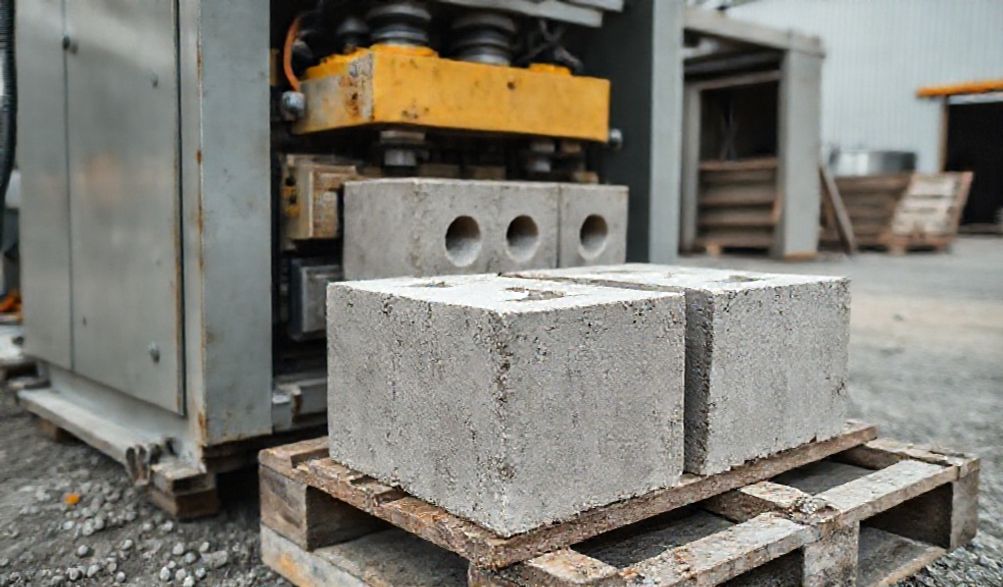
الدليل الشامل لاختيار آلة صناعة الطوب الإسمنتي
مقدمة
تدير صناعة البناء العالمية بوحدة أساسية بسيطة: طوب الأسمنت. فهذه الكتل الميسورة التكلفة، المتينة، والمتعددة الاستخدامات هي لبنات البنية التحتية الحديثة، من المنازل والمدارس إلى المجمعات التجارية. ومع ذلك، وراء هذه المادة المنتشرة في كل مكان تكمن نقطة قرار حاسمة لكل من رواد الأعمال وشركات البناء على حد سواء - كيفية إنتاجها بكفاءة. الإجابة هي آلة صنع طوب الأسمنت، لكن التنقل بين مجموعة الخيارات الواسعة يمكن أن يكون أمراً مربكاً.
تتسم الطريقة التقليدية لصناعة الطوب يدوياً بتحديات كثيرة. فهي تتطلب جهداً كبيراً، وتنتج جودة غير متسقة، ولا يمكنها تلبية متطلبات أي مشروع أو عمل جاد. في المقابل، يقدم السوق الحديث مجموعة مذهلة من الآلات، تتراوح بين المكابس البسيطة التي تعمل يدوياً وخطوط الإنتاج المؤتمتة بالكامل. وقد يعني الاختيار غير الصحيح عدم توافق مدمر بين الاستثمار والمخرجات، مما يعطل مشروعك أو عملك قبل أن يبدأ حتى.
هذا الدليل هو خارطة طريقك الشاملة. استنادًا إلى المواصفات الفنية وبيانات الشركات المصنعة وأفضل الممارسات التشغيلية، سنكشف غموض عالم آلات صناعة الطوب الإسمنتي. سنستكشف أنواع الآلات المختلفة، ونفصل الميزات الرئيسية التي تهمك، ونحلل التكلفة الحقيقية للاستثمار، ونرشدك خلال عملية التشغيل. هدفنا هو تزويدك بالخبرة اللازمة لاتخاذ قرار واثق ومربح يتوافق مع أهدافك المحددة، سواء كنت بانيًا مجتمعيًا، أو رائد أعمال ناشئًا، أو منتجًا صناعيًا.
فهم آلات صناعة البلوك الأسمنتي: الأنواع والتقنيات
ليست كل آلات صناعة الطوب متساوية. فمستوى الأتمتة هو العامل الأساسي المميز، والذي يؤثر بشكل مباشر على الإنتاج، ومتطلبات العمالة، ورأس المال المستثمر. إن فهم هذه الفئات هو الخطوة الأولى لتحديد الآلة المثالية المناسبة لك.
آلات صناعة الطوب اليدوية
الوصف والتشغيل:هذه هي أبسط أشكال معدات صناعة البلوك. تعمل بالكامل بقوة الإنسان، وتتكون عادةً من قالب فولاذي، وآلية ضغط تعمل برافعة، ولوحة إزالة. تتضمن العملية ملء القالب يدوياً بمزيج الخرسانة، واستخدام الرافعة لضغط المادة، ثم إزالة البلوك الطازج ووضعه على الأرض أو على منصة نقالة.
- حالات الاستخدام المثالية:المشاريع متناهية الصغر (مثل بناء منزل واحد)، والمبادرات التي تقودها المجتمعات المحلية، والمنظمات غير الحكومية في المناطق النائية، أو كمدخل منخفض التكلفة جدًا لإنتاج الكتل.
- مزايا:
- تكلفة منخفضة جداً:أقل نقطة دخول من حيث التكلفة.
- متطلب طاقة صفرييمكن استخدامها في أي مكان، مثالية للمواقع خارج الشبكة.
- عالية النقل:خفيف الوزن وسهل التنقل في الموقع.
- سلبيات:
- إنتاج منخفض جدًاالإنتاج محدود بعدة مئات من الكتل يومياً.
- عالية الكثافة العمالية:يتطلب جهدًا بدنيًا كبيرًا وعمالًا متعددين لإنتاج مخرجات ذات معنى.
- جودة غير متناسقةتعتمد كثافة وقوة البلوك بشكل كبير على تقنية المشغل.
آلات صناعة الطوب شبه الأوتوماتيكية
الوصف:هذه الفئة تحقق توازنًا حاسمًا. تستخدم هذه الآلات نظام اهتزاز يعمل بالكهرباء أو الديزل لضغط خليط الخرسانة داخل القالب، مما يضمن كثافة متسقة. ومع ذلك، فإن مهام مثل تغذية المواد الخام، ونقل المنصات، وتكديس الكتل النهائية تتم عادةً يدويًا.
- حالات الاستخدام المثالية:مشاريع تصنيع الكتل الصغيرة إلى المتوسطة الحجم (ساحات الكتل)، وشركات البناء التي تنتج لمشاريعها الخاصة، ورجال الأعمال الذين يبحثون عن بداية قابلة للتوسع.
- مزايا:
- توازن جيد بين الجودة والتكلفةإنتاجية أعلى بشكل ملحوظ من الآلات اليدوية باستثمار معقول.
- جودة متسقةالميكانيكية الاهتزازية تنتج ألواحًا متجانسة وعالية القوة.
- تقليل الإجهاد العماليأتمتة عملية الضغط تزيد من الكفاءة وتقلل من الجهد البدني على العمال.
- سلبيات:
- يتطلب طاقةتعتمد على إمدادات كهرباء موثوقة أو وقود للموديلات التي تعمل بالديزل.
- العمل اليدوي الجزئي:لا تزال تتطلب طاقمًا للتعامل مع المواد وإزالة الكتل.
- تكلفة أولية أعلى More expensive than manual options.
آلات صناعة البلوك الآلية بالكامل
الوصف: These are industrial-grade production lines. They integrate all processes: automatic raw material batching and feeding, high-pressure vibration and compaction, block ejection, curing, and even robotic palletizing and stacking. Operation is managed via a programmable logic controller (PLC).
- حالات الاستخدام المثالية: Large-scale commercial block manufacturing plants, government infrastructure projects, and industrial producers supplying to major distributors.
- مزايا:
- Very High Output: Capable of producing thousands of blocks per hour.
- Minimal Labor: Requires only a few operators for monitoring and supervision.
- Superior Consistency & Precision: Computer-controlled processes guarantee identical block quality.
- Programmable Flexibility: Can easily switch between different block types and sizes.
- سلبيات:
- High Capital Cost: A major investment requiring significant financing.
- Complex Maintenance: Requires skilled technicians and a reliable supply of spare parts.
- Infrastructure Needs: Demands a large, stable factory space with robust power connections.
الآلات الكتلية المتنقلة مقابل الثابتة
This is another key distinction:
* آلات تصنيع الكتل المتنقلة: Mounted on a trailer, these are designed for on-site production. They eliminate transport costs for finished blocks and are perfect for large, remote construction sites. They are typically semi-automatic.
* آلات تصنيع البلوك الثابتة: Installed in a fixed location (a factory or yard), these are the standard for dedicated block manufacturing businesses. They can be manual, semi-automatic, or fully automatic and benefit from optimized, permanent setups.
Key Features and Specifications to Evaluate
Once you’ve narrowed down the type of machine, dive into the specifications. These details determine performance, versatility, and long-term value.
القدرة الإنتاجية (الكتل في الساعة / اليوم)
This is often the first number buyers look at. However, manufacturer ratings are usually under ideal conditions.
- النظر الأساسي: Be realistic. A machine rated for 2,000 blocks per 8-hour shift might achieve 1,500-1,800 in practice due to breaks, mold changes, and material loading times. Match the machine’s practical output with your verified market demand and business growth projections. Don’t overbuy, but leave room for scaling up.
Block Types and Sizes (Mold Compatibility)
Your machine’s potential is defined by its molds.
- Standard Products: Ensure the machine can produce the blocks your market demands:
- Hollow Blocks (4″, 6″, 8″)
- كتل صلبة
- البلاطات والأحجار المتشابكة
- حواف الرصيف
- كتل المناظر الطبيعية الزخرفية
- نظام القالب Investigate how easily molds can be changed. A quick-change mold system is a valuable feature that minimizes downtime when switching production.
Power Source and Consumption
The choice here affects operational flexibility and running costs.
- كهربائي Clean, quiet, and efficient for fixed locations with grid power. Check the voltage (e.g., 380V/3-phase) and power rating (kW).
- ديزل Provides independence from the electrical grid, essential for mobile units or areas with unreliable power. Factor in fuel costs and maintenance.
- هجين: Some machines offer the option to switch between power sources, providing valuable flexibility.
Vibration System and Compression Force
This is the engineering heart of the machine, directly responsible for block strength.
- نظام الاهتزاز: High-frequency, vertically-directed vibration is crucial. It removes air pockets and compacts the concrete mix to its maximum density. Look for machines with multiple, balanced vibration motors.
- قوة الضغط Often measured in tons or kilonewtons (kN), this is the pressure applied during vibration. Higher force generally produces denser, stronger blocks suitable for load-bearing applications.
Build Quality and Durability
A machine is a long-term asset. Inspect its construction.
- Steel Grade: The frame and key components should be made from high-grade, reinforced steel.
- اللحام والتشطيب: Look for clean, robust welds and anti-corrosion paint or treatment.
- جودة المكونات Bearings, vibration motors, and hydraulic systems (if present) should be from reputable brands for reliability and easier servicing.
The Investment: Cost Analysis and ROI
Moving from ballpark figures to a detailed financial plan is critical for success.
Initial Purchase Price Ranges
Prices vary enormously based on automation, capacity, and origin of manufacture. Use these as very broad brackets:
* الآلات اليدوية: $1,000 – $5,000
* الآلات شبه الآلية: $5,000 – $50,000
* آلات أوتوماتيكية بالكامل: $50,000 – $300,000+
Beyond the Machine: Additional Costs
The machine is just one part of the setup. Budget for:
* Land & Shed: A secure, level production and curing area.
* Raw Material Storage: Space for cement (kept dry), sand, and aggregate.
* Mixing Equipment: A pan mixer or concrete mixer is essential for preparing consistent raw material.
* Curing Area: Space to store blocks for proper moist curing for 7-14 days.
* العمل Wages for operators and helpers.
* Transportation: For delivering raw materials and finished blocks.
* Maintenance Fund: A reserve for spare parts, repairs, and routine servicing.
Calculating Your Return on Investment (ROI)
A simplified framework can illuminate profitability:
1. Daily Production Value: (Number of blocks produced per day) x (Selling price per block in your market).
2. Daily Operational Cost: Sum of (Raw material cost for daily production) + (Labor cost) + (Power/Fuel cost) + (Transport & overhead allocation).
3. Daily Gross Profit: (Daily Production Value) – (Daily Operational Cost).
4. فترة الاسترداد: (Total Initial Investment Cost) / (Daily Gross Profit). This gives you the number of production days needed to recoup your investment.
مثال: If your total investment is $20,000 and your daily gross profit is $200, your simple payback period is 100 production days (roughly 5 months at 20 days/month).
Operating Your Machine: From Raw Material to Finished Block
Optimal operation ensures quality and protects your investment.
The Ideal Cement Block Mix Design
Consistency is key. A common standard mix ratio is 1:6:4 (Cement: Sand: Aggregate, by volume) for hollow blocks, but this must be adjusted for local materials and desired strength.
* أسمنت: Use fresh, high-quality Portland cement.
* الركام: Sand and crushed stone should be clean, hard, and well-graded.
* ماء: Use clean water. The water-cement ratio is critical—too much water weakens the block; too little prevents proper compaction.
* التداوي Freshly demolded blocks are fragile. They must be kept moist and under cover for at least 7 days to gain strength properly.
Step-by-Step Operational Guide
- إعداد المواد: Measure and mix raw materials thoroughly to a uniform, semi-dry consistency.
- Machine Setup: Ensure the machine is on a level base. Install and secure the correct mold. Check oil and fuel levels.
- Safety First: Wear protective gear (gloves, boots, ear protection). Ensure all safety guards are in place.
- Operation Cycle: Feed mix into the hopper, initiate the compaction cycle (manual lever press or automated vibration), and eject the finished block onto a pallet.
- Block Handling: Move pallets gently to the curing area without jarring the green blocks.
- التداوي Stack blocks and keep them covered with plastic sheeting, spraying them with water regularly.
Essential Maintenance for Longevity
- Daily: Clean the machine thoroughly after use, especially the mold and hopper. Check for loose bolts.
- Weekly: Lubricate all moving parts as per the manual. Inspect the vibration motors for unusual noise or heat.
- Monthly: Conduct a thorough inspection of electrical connections, hydraulic hoses (if any), and wear parts like mold liners and stripping plates.
How to Choose the Right Supplier and Machine
Your relationship with the manufacturer is as important as the machine itself.
Researching Reputable Manufacturers
- Experience & Reputation: Look for companies with a decade or more in the industry. Search for their brand name online alongside keywords like “review” or “complaint.”
- الشهادات: International quality certifications (like CE) indicate adherence to manufacturing standards.
- محفظة العميل: A legitimate manufacturer will have photos/videos of their machines in operation at client sites.
The Importance of After-Sales Support
This is non-negotiable. A machine without support is a future scrap metal.
* قطع الغيار: Are they readily available? What is the lead time?
* وثائق فنية Is a clear, illustrated manual provided?
* الضمان: What is covered and for how long?
* Service: Do they offer remote troubleshooting, on-call support, or on-site technician visits?
Requesting Quotes and Making the Decision
When you request quotes, ask for a detailed specification sheetوcommercial proforma invoice that includes:
* Machine model and detailed specs
* FOB or CIF price
* Warranty terms
* Spare parts list and prices
* Delivery timeline
Apply Due Diligence: Compare the القيمة الإجمالية of the package—machine quality, support terms, and supplier credibility—not just the bottom-line price. Verify claims by asking for references or contacting existing customers. This foundational step of verification is critical to building a trustworthy and sustainable business.
الأسئلة الشائعة (FAQ)
Q1: What is the average cost of a cement block making machine?
أ: There is no single “average” cost. Prices range from around $1,000 for a basic manual machine to well over $100,000 for a fully automatic production line. The key is to first define your required production scale and level of automation, then budget accordingly.
Q2: How many blocks can a semi-automatic machine produce in an 8-hour shift?
أ: A typical semi-automatic machine can produce between 2,000 to 6,000 standard hollow blocks in an 8-hour shift. The actual output depends on the block size, the skill and speed of the crew, the efficiency of the material supply chain, and how quickly molds can be changed.
Q3: Can I use a block making machine for other products?
أ: Absolutely. By changing the mold, most block making machines can produce a variety of concrete products, including paving stones, kerbstones (curbstones), solid bricks, landscaping blocks, and even some lightweight wall panels.
Q4: What is the most common problem with block machines and how do I fix it?
أ: The most common issue is producing blocks with inconsistent density or low strength. This is usually traced back to three areas: 1) An inconsistent or incorrect raw material mix (fix by standardizing the recipe), 2) Inadequate vibration time or force (check machine settings and motor health), or 3) Worn-out mold liners allowing too much “fines” to escape (replace the liners).
Q5: Is operating a block making machine a profitable business?
أ: It can be a highly profitable business, but success is not automatic. Critical factors include: strong local demand for construction materials, tight control over raw material and operational costs, a commitment to producing consistently high-quality blocks, and an effective sales and marketing strategy to reach builders and contractors.
خاتمة
Choosing the right machine to make cement blocks is a journey that moves from understanding core technologies to making a strategic financial decision. We’ve explored the spectrum from manual to fully automatic machines, highlighted the specifications that dictate performance, and outlined the real costs and operational knowledge needed for success.
Your final decision should be anchored in a clear definition of your goals. Are you supplying a local community, starting a block yard, or establishing an industrial plant? Let your production targets, budget, and market research guide you. Remember, the right machine is not an expense; it’s a capital investment that forms the foundation of your productivity and profit.
Ready to take the next step? Begin by speaking with reputable suppliers, asking the detailed questions outlined here, and requesting demonstrations. Building a successful block manufacturing business hinges on the synergy of quality equipment, sound operational knowledge, and trusted partnerships. With careful planning and the right machine, you’re not just making blocks—you’re building the future.
<