
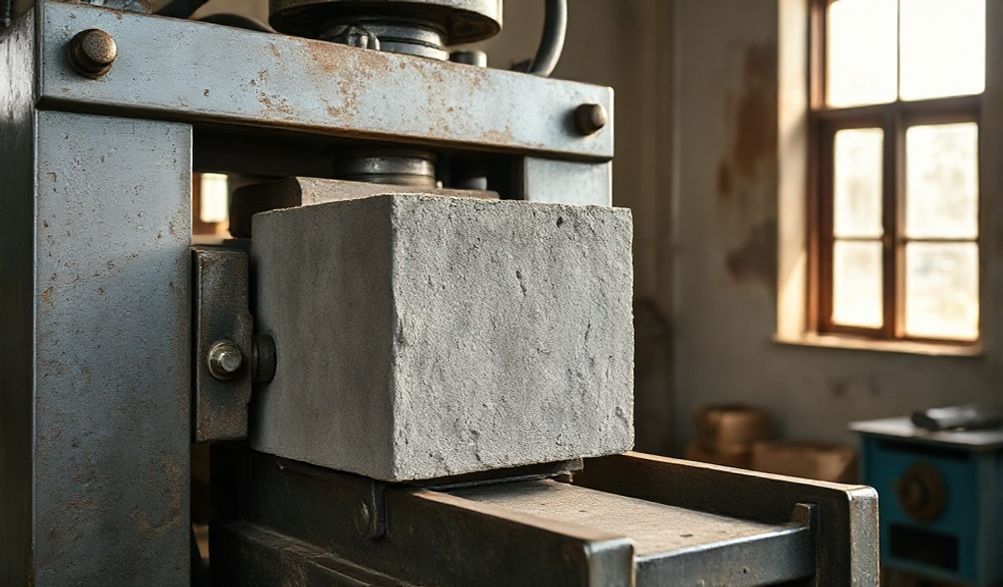
الدليل الشامل لآلات صناعة الطوب المصنوعة في غانا: الجودة، التكلفة، وأماكن الشراء
مقدمة
قطاع البناء في غانا هو قوة دافعة للنمو. مع معدل نمو سنوي يتفوق باستمرار على الاقتصاد الأوسع والمبادرات العامة الكبرى مثل مستشفيات "أجندة 111" وشبكات الطرق الواسعة، فإن الطلب على مواد البناء الميسورة والموثوقة لم يكن أعلى من أي وقت مضى. وفي صلب إنتاج هذه المواد توجد آلات صنع الطوب. ولكن في سوق غارق بالخيارات المستوردة، بديل محلي متفوق يكتسب اهتمامًا مستحقًا: آلة صنع الطوب المصنوعة في غانا.
هذا الدليل مخصص لهذه الآلات العاملة المصممة محليًا. تشير عبارة "آلة صناعة الطوب المصنوعة في غانا" إلى الآلات التي تم تصميمها وتصنيعها وتجميعها هنا في غانا بواسطة مهندسين وشركات غانية. تم بناء هذه الآلات لإنتاج الطوب الخرساني والطوب والحجارة المرصوفة التي تشكل هيكل البنية التحتية لأمتنا. بالاعتماد على رؤى صناعية عميقة حول القدرات التصنيعية المحلية، وعلوم المواد المناسبة لمناخنا، والمعرفة العملية بالسوق على أرض الواقع، تم تصميم هذا المورد الشامل للمحترف الجاد.
سواء كنت مقاولًا تتطلع إلى مشروعك الكبير القادم، أو بناءً تدير متطلبات الموقع اليومية، أو رائد أعمال تتطلع إلى دخول مجال تجارة مواد البناء، فإن هذا المنشور سيزودك بالحقائق. ستتعلم الفوائد الملموسة لاختيار المنتجات المحلية بدلاً من المستوردة، وتكتشف المصنّعين الرئيسيين، وتفهم نطاقات الأسعار الواقعية، وتكتسب نصائح تشغيلية لتعظيم استثمارك. هدفنا واضح: أن نزودك بمعلومات واقعية وغير منحازة تمكنك من اتخاذ قرار تجاري حكيم مع دعم إبداع ونمو الصناعة الغانية.
لماذا تختار آلة صنع الطوب المصنوعة في غانا؟
القرار بين آلة مستوردة وأخرى مصنعة محلياً يتجاوز مجرد مقارنة الأسعار. إنه يتعلق باختيار أداة مصممة خصيصاً لسياقك الخاص، مع نظام دعم يضمن بقاءها منتجة لسنوات. وقد استفاد المصنعون الغانيون من خبرتهم لابتكار آلات تقدم مزايا عملية متميزة.
مصممة لظروف غانا
هنا يتألق الخبرة المحلية حقًا. فالآلة المستوردة مصممة لمواد وبيئة بلدها الأصلي.
- توافق المواد الخام المحليةيتم معايرة الآلات الغانية لتناسب أحجام الركام وأنواع الرمال المحددة لدينا، سواء كانت من نهر أوفين أو المناطق الساحلية. كما تم تحسين نسب الخلط وأنظمة الاهتزاز لإنتاج طوب قوي ومتناسق باستخدام المواد المتاحة فعليًا، مما يقلل من التجربة والخطأ.
- التصميم المقاوم للمناخ:تقلبات الرطوبة ودرجات الحرارة لدينا يمكن أن تسرع من الصدأ والتآكل. المصنعون المحليون ذوو السمعة الطيبة يدركون ذلك وغالباً ما يستخدمون فولاذاً معالجاً وطلاءات واقية مناسبة لبيئتنا، مما يضمن متانة الآلة.
- المواصفات الكهربائية المخصصة:مصممة للعمل بسلاسة على شبكة غانا الكهربائية ذات الجهد 220-240 فولت، مما يتيح لك تجنب عناء وتكلفة محولات الجهد أو الأداء غير المستقر الذي قد يعاني منه الأجهزة المصممة لأنظمة كهربائية أخرى.
الفعالية من حيث التكلفة والفوائد الاقتصادية
الجدوى المالية لشراء المنتجات المصنوعة في غانا مقنعة، خاصة عند النظر في إجمالي تكلفة الملكية.
- استثمار أولي أقلبدون الشحن الدولي، ورسوم الاستيراد، وهامش ربح الوسطاء، يكون سعر الشراء المبدئي أقل عادةً بنسبة 20-35% مقارنة بآلة مستوردة مماثلة.
- شفافية وتخفيض التكاليف الإضافيةتدفع بالسيدي الغاني (GHS)، مما يتجنب تقلبات العملات الأجنبية. لا توجد رسوم مفاجئة لوكيل التخليص أو تأخيرات في الموانئ تحجز رأس مالك رهينة.
- قطع غيار بأسعار معقولة ومتاحة بسهولةهذه ميزة حاسمة. عندما يتآكل جزء ما، يمكنك الاتصال بموردك في أكرا أو كوماسي واستلامه في غضون أيام، وليس أشهر. التكلفة هي جزء بسيط من قطع الغيار المستوردة، مما يقلل بشكل كبير من وقت التوقف وتكاليف الصيانة.
- دعم الاقتصاد المحلي:استثمارك يتداول داخل غانا، مما يخلق ويحافظ على وظائف للمهندسين، وعمال اللحام، والفنيين، وموظفي المبيعات. إنه مساهمة مباشرة في التنمية الصناعية الوطنية.
دعم وخدمة محلية لا مثيل لها
خدمة ما بعد البيع قد تصنع أو تحطم استثمارك. القرب المحلي هو أصل لا يمكن الاستغناء عنه.
- سرعة الدعم للقريبينلا يعني وجود مشكلة فنية انتظار رد بريد إلكتروني دولي. يمكنك غالبًا الحصول على زيارة فني لموقعك في غضون أيام، إن لم يكن ساعات، حسب موقعك.
- التدريب المرتبط بالسياقيتم توفير التدريب باللغات المحلية أو بالإنجليزية الغانية المألوفة، مع استخدام أمثلة قريبة من الواقع. يتعلم المشغلون بشكل أسرع ويحتفظون بالمعلومات أكثر عندما يكون التعليم متوافقًا ثقافيًا وسياقيًا.
- تقليل وقت التوقف التشغيلي إلى الحد الأدنىالإصلاحات الأسرع والوصول السهل إلى قطع الغيار يعني أن آلتك تنتج كتلًا مربحة بشكل أكثر انتظامًا. بالنسبة للأعمال، هذا الاعتمادية لا تقدر بثمن.
أنواع آلات صناعة الطوب المصنوعة في غانا
تخدم المصانع الغانية كامل نطاق الاحتياجات، بدءًا من رائد الأعمال الفردي وصولاً إلى المنتج التجاري واسع النطاق. يعد فهم الأنواع المتاحة الخطوة الأولى في مطابقة الآلة المناسبة مع نطاق مشروعك.
آلات صناعة الطوب اليدوية
مثالي للشركات الناشئة في مراحلها الأولى، والمشاريع المجتمعية الصغيرة، أو كجهاز ثانوي للكتل المتخصصة.
- الوصف:هذه آلات تعمل يدويًا حيث يستخدم المشغل رافعة لضغط خليط الخرسانة في قالب. وهي بسيطة وقوية ومتنقلة.
- سعة الإخراجعادةً ما تتراوح بين 200 إلى 500 بلوك في اليوم لمدة 8 ساعات، اعتمادًا على حجم الطاقم وكفاءته.
- مزايا:
- تكلفة أولية منخفضة جدًا.
- No electricity or diesel required, perfect for remote sites.
- Easy to maintain and operate.
- سلبيات:
- Labor-intensive and physically demanding.
- Lower output and less consistent block density compared to powered machines.
آلات صناعة الطوب شبه الأوتوماتيكية
The most popular choice for small-to-medium enterprises (SMEs) and growing block factories. They offer the best balance of output, affordability, and automation.
- الوصف: These machines use an electric motor or diesel engine to power a vibration system that compacts the concrete. The operator feeds the mix and removes finished blocks, but the core compaction process is mechanized.
- سعة الإخراج Can range from 1,000 to over 5,000 blocks per 8-hour shift, depending on the model and crew.
- النماذج الشائعة: Ghanaian manufacturers excel in producing versatile semi-automatic machines that can produce:
- Standard 4″, 5″, and 6″ hollow blocks.
- كتل صلبة.
- Interlocking soil bricks (stabilized with a small amount of cement).
- Decorative paving stones and kerbs.
- الميزة الرئيسية: Many allow for quick mold changes, enabling one machine to produce multiple block types.
مصانع صناعة البلوك الآلية بالكامل
For large-scale commercial production supplying major construction projects or regional markets.
- الوصف: These are integrated systems. They include automated concrete mixers, conveyor belts that feed the block machine, and a fully automated press that molds, compacts, and ejects blocks onto pallets. Some advanced lines include robotic pallet stackers.
- سعة الإخراج Can produce 8,000 to 20,000+ blocks per day with a small crew.
- Ghanaian Capability: While the most complex components may be sourced, several leading Ghanaian engineering firms now specialize in the assembly, integration, and commissioning of these automatic plants. They provide the crucial local adaptation, civil works, and ongoing technical support for these high-value systems.
Top Ghanaian Manufacturers and Suppliers
Navigating the market requires knowing who the established players are. While we encourage you to conduct your own due diligence, the industry recognizes several key hubs and company types.
Leading Local Manufacturers
Manufacturing clusters in industrial areas of Accra (e.g., Tesano, Industrial Area), KumasiوTema are home to skilled fabricators. Reputable companies are often those with a visible factory, a portfolio of client projects, and several years of operation.
- Look for companies like: While specific names require your research, seek out manufacturers such as “Blocktech Engineering”أو“Ghana Builders Machinery”—placeholders for the kind of established firms that have been advertising consistently, have professional workshops, and are known for their robust semi-automatic and automatic stationary machines.
- التخصص Some may specialize in heavy-duty, high-output machines for block factories, while others might focus on more affordable, mobile machines for small contractors. Checking their product range will tell you their focus.
ما الذي يجب البحث عنه في مورد موثوق
Choosing the right supplier is as important as choosing the right machine. Here’s your checklist:
Green Flags:
* Factory/Workshop Visit: They welcome and encourage you to visit their production facility to see machines being built.
* Client Testimonials & References: They can provide contacts of past buyers you can speak to independently.
* Clear After-Sales Service Terms: A written warranty (6 months to 1 year is standard), a listed service department phone number, and a promise of technical support.
* Parts Inventory: They stock common wear parts like mold liners, vibration motors, and springs.
Red Flags to Avoid:
* No Physical Address: Operating only from a P.O. Box or social media page.
* “Too Good to Be True” Pricing: Prices drastically lower than the market average often indicate poor-quality materials or hidden costs.
* No Demonstration: Unwilling or unable to show you a working machine.
* Pressure Tactics: High-pressure sales tactics to get a deposit immediately.
Key Considerations Before You Buy
A thoughtful purchase process prevents costly mistakes. Approach this as a strategic business investment.
Assessing Your Needs
اسأل نفسك هذه الأسئلة الأساسية:
* مقياس المشروع Are you supplying a single building, a housing estate, or aiming for commercial wholesale?
* أنواع الكتل What does your market demand? 5″ hollow blocks for walls? Interlocking pavers for driveways? Solid blocks for foundations?
* الهدف اليومي للإنتاج: Be realistic. Calculate your current or projected demand and add a margin for growth. It’s better to have a machine you can grow into than one that maxes out immediately.
Budgeting and Total Cost of Ownership
انظر إلى ما هو أبعد من السعر الظاهر.
* Price Ranges (Approximate in GHS):
* الآلات اليدوية: GHS 2,000 – GHS 8,000
* الآلات شبه الآلية: GHS 15,000 – GHS 45,000
* النباتات الآلية بالكامل: GHS 80,000 – GHS 300,000+
* Additional Costs to Factor In:
* القوالب: Extra molds for different block types can cost GHS 1,500 – GHS 4,000 each.
* البالتات: You’ll need a stock of steel or wooden pallets for block curing.
* Foundation & Shelter: The machine needs a level concrete base and a shed for protection.
* Raw Material Storage: Budget for space and equipment to store cement, sand, and aggregate.
Visiting and Evaluating
Never buy a machine sight unseen.
* Demand a Live Demonstration: See the machine in action. Observe the block quality, the ease of operation, and the noise/vibration levels.
* Key Questions for the Manufacturer:
1. What is the exact warranty coverage and duration?
2. Is installation and basic operator training included?
3. What is the lead time for the most common spare parts?
4. Can you provide a list of recommended mix ratios for local materials?
Operating and Maintaining Your Machine for Longevity
Your machine is a capital asset. Proper care ensures it repays your investment many times over.
Best Practices for Operation
- The Perfect Mix: A common recipe for a strong 5″ hollow block is 1 part cement, 4 parts sharp sand, and 6 parts aggregate (1/2″ granite chips). Water should be clean and added until the mix is cohesive but not sloppy. Consistency is key.
- Correct Loading & Compaction: Avoid overfilling or underfilling the mold. Allow the vibration motor to compact the mix fully—usually 5-10 seconds—before releasing the block. Rushing this step leads to weak, crumbly blocks.
- Safety First: Operators should wear safety boots, gloves, and hearing protection. Ensure all moving parts are guarded and that lock-out/tag-out procedures are followed during maintenance.
Routine Maintenance Checklist
A little daily care prevents major breakdowns.
* Daily: Clean all concrete residue from the mold, press head, and machine frame with water and a brush. Lubricate all moving joints and pivot points with grease.
* Weekly: Check the tightness of all bolts and nuts. Inspect the vibration motor mounts for cracks. Examine mold liners for excessive wear.
* Monthly: Perform a thorough inspection of electrical connections (if applicable). Check hydraulic oil levels and hose integrity on automatic models.
Sourcing Spare Parts Locally
- Common Wear Parts: Mold liners, vibration motors, springs, and bolts are the most frequently replaced items. Keep a small inventory of these.
- Building the Relationship: Maintain good communication with your supplier. Inform them of any issues early. A trusted relationship often leads to priority service and helpful advice.
الأسئلة الشائعة (FAQ)
Q1: Are Ghana-made block machines as durable as imported ones from China or Europe?
أ: Yes, when purchased from a reputable manufacturer. They use quality steel and components proven in the local environment. Their key advantage isn’t just initial durability, but sustainable durability due to easier, faster, and far cheaper maintenance and part replacement over the machine’s entire lifespan.
Q2: What is the price range for a medium-capacity Ghana-made block machine?
أ: For a quality semi-automatic machine suitable for a small-to-medium business, expect a range of GHS 15,000 to GHS 45,000. The variance depends on factors like output capacity (blocks per hour), level of automation, and whether it includes a mixer. Always request a detailed, itemized quotation.
Q3: Can I get a machine that makes interlocking blocks for estate roads?
أ: Absolutely. Many Ghanaian manufacturers produce specialized machines for interlocking paving stones and blocks. These are popular for roads, walkways, and parking areas. Be sure to specify your need for “interlocking paving block molds” when inquiring.
Q4: Do manufacturers offer installation and training?
أ: Most established manufacturers do, and you should consider this a non-negotiable service. Proper installation ensures the machine is level and stable, while training your operators is critical for achieving high block quality, maximizing output, and ensuring safe operation from day one.
Q5: How do I verify the credibility of a local supplier?
أ: Conduct physical verification: visit their workshop. Ask for and actually call 2-3 references from past clients. Check for a valid business registration. Observe if they have a dedicated service/parts department. A credible company operates transparently and is proud to show you their work.
خاتمة
The case for choosing a Ghana-made block making machine is robust and multifaceted. It combines significant cost savings, unparalleled local support, and intelligent design tailored to our specific conditions. This isn’t just a purchase; it’s a strategic partnership with a local provider invested in your success.
Our final recommendation is to invest time in your research. Visit the workshops in Accra, Kumasi, and Tema. See the machines being built, talk to the engineers, and speak to other buyers. The quality and capability on display will speak for itself.
By choosing Ghana-made, you do more than acquire a tool—you empower local industry, create jobs, and contribute directly to the nation’s economic resilience. You become part of a growing movement that believes in Ghanaian ingenuity. For any serious contractor, builder, or entrepreneur looking to build a sustainable business in Ghana’s vibrant construction sector, investing in reliable, locally-supported machinery is one of the smartest decisions you can make.
<