
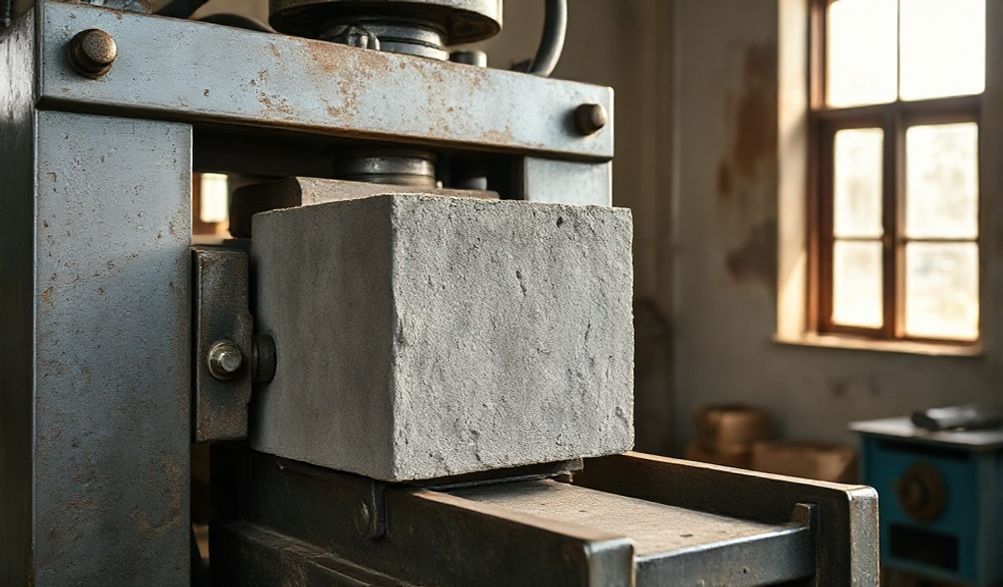
가나산 블록 제작 기계 최종 가이드: 품질, 비용 및 구매처
소개
가나의 건설 부문은 성장의 견인차 역할을 하고 있습니다. 매년 전체 경제 성장률을 꾸준히 상회하는 성장세와 '아젠다 111' 병원 프로젝트 및 광범위한 도로망 구축과 같은 주요 공공 사업들로 인해, 합리적 가격에 믿을 수 있는 건축 자재에 대한 수요가 그 어느 때보다 높습니다. 이러한 자재 생산의 핵심에는 블록 제조 기계가 있습니다. 그러나 수입 제품이 넘쳐나는 시장에서, 우수한 국산 대안인 가나제 블록 제조 기계가 당연한 주목을 받고 있습니다.
이 가이드는 현지에서 제작된 이 일꾼들에 헌정됩니다. "가나제 블록 제조기"는 가나의 엔지니어와 기업들이 가나 현지에서 설계, 제작, 조립한 기계를 의미합니다. 이 기계들은 우리나라 인프라의 골격을 이루는 콘크리트 블록, 벽돌, 포장석을 생산하기 위해 만들어졌습니다. 현지 제조 역량, 우리 기후에 적합한 재료 과학, 그리고 실용적인 현장 시장 지식에 대한 깊은 산업 통찰력을 바탕으로, 이 포괄적인 자료는 진지한 전문가를 위해 제작되었습니다.
계약자로서 다음 큰 프로젝트를 준비 중이든, 현장의 일일 수요를 관리하는 건설업자이든, 건자재 공급 사업에 진출하려는 기업가이든, 이 글은 필요한 정보를 제공할 것입니다. 수입품보다 현지 제품을 선택할 때의 실질적 이점을 배우고, 주요 제조업체를 발견하며, 현실적인 가격대를 이해하고, 투자를 극대화하기 위한 운영 팁을 얻을 수 있습니다. 우리의 목표는 분명합니다: 가나 산업의 독창성과 성장을 지원하면서 현명한 비즈니스 결정을 내릴 수 있도록 사실적이고 편향되지 않은 정보를 제공하는 것입니다.
가나산 블록 제조 기계를 선택하는 이유는 무엇인가요?
수입 기계와 국내 제작 기계 사이의 선택은 단순한 가격 비교를 넘어섭니다. 이는 특정 환경에 맞게 설계되고, 수년간 생산성을 유지할 수 있도록 지원 시스템이 갖춰진 도구를 선택하는 문제입니다. 가나 제조업자들은 그들의 경험을 활용하여 뚜렷하고 실용적인 장점을 제공하는 기계를 만들어 왔습니다.
가나의 현실에 맞게 설계되었습니다
이곳이 바로 지역 전문성이 진정으로 빛나는 곳입니다. 해외에서 제작된 기계는 그 기계가 만들어진 재료와 환경에 맞춰 설계되었기 때문입니다.
- 현지 원자재 호환성가나 기계들은 우리의 특정 골재 크기와 모래 유형, 그것이 오핀 강에서 나왔든 해안 지역에서 나왔든 간에 맞춰 교정되어 있습니다. 혼합 비율과 진동 시스템은 실제로 접근 가능한 자재로 강력하고 일관된 블록을 생산하도록 최적화되어 시행착오를 줄여줍니다.
- 기후 회복력 설계우리의 습도와 온도 변화는 녹과 마모를 가속화할 수 있습니다. 신뢰할 수 있는 지역 제조업체들은 이를 이해하고, 종종 우리 환경에 적합한 처리된 강철과 보호 코팅을 사용하여 기계의 수명을 보장합니다.
- 맞춤형 전력 사양:가나의 220-240V 전력망에서 원활하게 작동하도록 설계되어, 다른 전기 시스템용으로 제작된 기기에서 발생할 수 있는 전압 변환기의 번거로움과 비용, 또는 불안정한 성능 문제를 피할 수 있습니다.
비용 효율성 및 경제적 이점
가나산 제품을 구매하는 것이 경제적으로 타당한 이유는 특히 총 소유 비용을 고려할 때 더욱 설득력이 있습니다.
- 낮은 초기 투자 비용국제 운송비, 수입 관세, 중간상인의 마진이 없기 때문에, 선결제 구매 가격은 일반적으로 수입된 유사 기계보다 20-35% 낮습니다.
- 투명하고 절감된 부대 비용:세디(GHS)로 결제하여 환율 변동을 피할 수 있습니다. 예상치 못한 통관 대리인 수수료나 자본을 잡아두는 항구 지연도 없습니다.
- 저렴하고 접근성 높은 예비 부품:이것은 중요한 장점입니다. 부품이 마모되면 아크라나 쿠마시의 공급업체에 연락하여 몇 달이 아닌 며칠 안에 배송받을 수 있습니다. 비용은 수입 예비 부품의 일부에 불과하여 가동 중단 시간과 유지 보수 비용을 크게 절감합니다.
- 지역 경제 지원하기귀하의 투자는 가나 내에서 순환하며 엔지니어, 용접공, 기술자 및 영업 직원을 위한 일자리를 창출하고 유지합니다. 이는 국가 산업 발전에 대한 직접적인 기여입니다.
현지 맞춤형 지원 및 서비스
애프터 서비스는 투자의 성패를 좌우할 수 있습니다. 현지 근접성은 대체 불가능한 자산입니다.
- 신속 지원을 위한 근접성기술적 문제가 발생했을 때 국제 이메일 답변을 기다릴 필요는 없습니다. 위치에 따라 몇 시간에서 며칠 내에 현장에 기술자가 방문할 수 있습니다.
- 맥락-관련 훈련:교육은 현지 언어나 친숙한 가나식 영어를 사용하여 관련성 높은 예시를 통해 제공됩니다. 문화적, 상황적 맥락에 맞춰진 교육을 통해 운영자들은 더 빠르게 학습하고 더 많은 내용을 기억합니다.
- 운영 가동 중단 시간 최소화더 빠른 수리와 부품에 대한 쉬운 접근은 기계가 수익을 창출하는 블록을 더 일관되게 생산할 수 있음을 의미합니다. 비즈니스에서 이러한 신뢰성은 값을 매길 수 없을 정도로 소중합니다.
가나에서 제작된 블록 제조 기계의 종류
가나의 제조업체들은 개인 기업가부터 대규모 상업 생산자에 이르기까지 다양한 수요를 충족시킵니다. 제공되는 기계 유형을 이해하는 것이 프로젝트 규모에 맞는 적절한 기계를 선택하는 첫걸음입니다.
수동 블록 제조 기계
초기 스타트업, 소규모 커뮤니티 프로젝트 또는 특수 블록용 보조 기계로 이상적입니다.
- 설명:이 손으로 작동하는 기계는 작업자가 레버를 이용해 콘크리트 혼합물을 몰드에 압축하는 방식입니다. 이 기계는 단순하고 견고하며 이동이 용이합니다.
- 출력 용량:일반적으로 8시간 근무 기준으로 작업 인원 규모와 효율성에 따라 하루 200~500블록을 시공합니다.
- 장점:
- 매우 낮은 초기 비용.
- 전기나 디젤이 필요 없어 원격지에 적합합니다.
- Easy to maintain and operate.
- 단점:
- Labor-intensive and physically demanding.
- Lower output and less consistent block density compared to powered machines.
반자동 블록 제작 기계
The most popular choice for small-to-medium enterprises (SMEs) and growing block factories. They offer the best balance of output, affordability, and automation.
- 설명: These machines use an electric motor or diesel engine to power a vibration system that compacts the concrete. The operator feeds the mix and removes finished blocks, but the core compaction process is mechanized.
- 출력 용량: Can range from 1,000 to over 5,000 blocks per 8-hour shift, depending on the model and crew.
- 일반적인 모델: Ghanaian manufacturers excel in producing versatile semi-automatic machines that can produce:
- Standard 4″, 5″, and 6″ hollow blocks.
- Solid blocks.
- Interlocking soil bricks (stabilized with a small amount of cement).
- Decorative paving stones and kerbs.
- 주요 특징: Many allow for quick mold changes, enabling one machine to produce multiple block types.
완전 자동 블록 제조 공장
For large-scale commercial production supplying major construction projects or regional markets.
- 설명: These are integrated systems. They include automated concrete mixers, conveyor belts that feed the block machine, and a fully automated press that molds, compacts, and ejects blocks onto pallets. Some advanced lines include robotic pallet stackers.
- 출력 용량: Can produce 8,000 to 20,000+ blocks per day with a small crew.
- Ghanaian Capability: While the most complex components may be sourced, several leading Ghanaian engineering firms now specialize in the assembly, integration, and commissioning of these automatic plants. They provide the crucial local adaptation, civil works, and ongoing technical support for these high-value systems.
Top Ghanaian Manufacturers and Suppliers
Navigating the market requires knowing who the established players are. While we encourage you to conduct your own due diligence, the industry recognizes several key hubs and company types.
Leading Local Manufacturers
Manufacturing clusters in industrial areas of Accra (e.g., Tesano, Industrial Area), Kumasi그리고Tema are home to skilled fabricators. Reputable companies are often those with a visible factory, a portfolio of client projects, and several years of operation.
- Look for companies like: While specific names require your research, seek out manufacturers such as “Blocktech Engineering”또는“Ghana Builders Machinery”—placeholders for the kind of established firms that have been advertising consistently, have professional workshops, and are known for their robust semi-automatic and automatic stationary machines.
- 전문화 Some may specialize in heavy-duty, high-output machines for block factories, while others might focus on more affordable, mobile machines for small contractors. Checking their product range will tell you their focus.
What to Look for in a Reputable Supplier
Choosing the right supplier is as important as choosing the right machine. Here’s your checklist:
Green Flags:
* Factory/Workshop Visit: They welcome and encourage you to visit their production facility to see machines being built.
* Client Testimonials & References: They can provide contacts of past buyers you can speak to independently.
* Clear After-Sales Service Terms: A written warranty (6 months to 1 year is standard), a listed service department phone number, and a promise of technical support.
* Parts Inventory: They stock common wear parts like mold liners, vibration motors, and springs.
Red Flags to Avoid:
* No Physical Address: Operating only from a P.O. Box or social media page.
* “Too Good to Be True” Pricing: Prices drastically lower than the market average often indicate poor-quality materials or hidden costs.
* No Demonstration: Unwilling or unable to show you a working machine.
* Pressure Tactics: High-pressure sales tactics to get a deposit immediately.
구매 전에 고려해야 할 주요 사항
A thoughtful purchase process prevents costly mistakes. Approach this as a strategic business investment.
Assessing Your Needs
자신에게 이러한 근본적인 질문을 던져 보세요.
* 프로젝트 규모 Are you supplying a single building, a housing estate, or aiming for commercial wholesale?
* 블록 유형: What does your market demand? 5″ hollow blocks for walls? Interlocking pavers for driveways? Solid blocks for foundations?
* Daily Output Target: Be realistic. Calculate your current or projected demand and add a margin for growth. It’s better to have a machine you can grow into than one that maxes out immediately.
Budgeting and Total Cost of Ownership
Look beyond the sticker price.
* Price Ranges (Approximate in GHS):
* 수동 기계: GHS 2,000 – GHS 8,000
* 반자동 기계: GHS 15,000 – GHS 45,000
* 완전 자동화된 식물: GHS 80,000 – GHS 300,000+
* Additional Costs to Factor In:
* 곰팡이: Extra molds for different block types can cost GHS 1,500 – GHS 4,000 each.
* 팔레트: You’ll need a stock of steel or wooden pallets for block curing.
* Foundation & Shelter: The machine needs a level concrete base and a shed for protection.
* Raw Material Storage: Budget for space and equipment to store cement, sand, and aggregate.
Visiting and Evaluating
Never buy a machine sight unseen.
* Demand a Live Demonstration: See the machine in action. Observe the block quality, the ease of operation, and the noise/vibration levels.
* Key Questions for the Manufacturer:
1. What is the exact warranty coverage and duration?
2. Is installation and basic operator training included?
3. What is the lead time for the most common spare parts?
4. Can you provide a list of recommended mix ratios for local materials?
Operating and Maintaining Your Machine for Longevity
Your machine is a capital asset. Proper care ensures it repays your investment many times over.
Best Practices for Operation
- The Perfect Mix: A common recipe for a strong 5″ hollow block is 1 part cement, 4 parts sharp sand, and 6 parts aggregate (1/2″ granite chips). Water should be clean and added until the mix is cohesive but not sloppy. Consistency is key.
- Correct Loading & Compaction: Avoid overfilling or underfilling the mold. Allow the vibration motor to compact the mix fully—usually 5-10 seconds—before releasing the block. Rushing this step leads to weak, crumbly blocks.
- Safety First: Operators should wear safety boots, gloves, and hearing protection. Ensure all moving parts are guarded and that lock-out/tag-out procedures are followed during maintenance.
Routine Maintenance Checklist
A little daily care prevents major breakdowns.
* Daily: Clean all concrete residue from the mold, press head, and machine frame with water and a brush. Lubricate all moving joints and pivot points with grease.
* Weekly: Check the tightness of all bolts and nuts. Inspect the vibration motor mounts for cracks. Examine mold liners for excessive wear.
* Monthly: Perform a thorough inspection of electrical connections (if applicable). Check hydraulic oil levels and hose integrity on automatic models.
Sourcing Spare Parts Locally
- Common Wear Parts: Mold liners, vibration motors, springs, and bolts are the most frequently replaced items. Keep a small inventory of these.
- Building the Relationship: Maintain good communication with your supplier. Inform them of any issues early. A trusted relationship often leads to priority service and helpful advice.
자주 묻는 질문 (FAQ)
Q1: Are Ghana-made block machines as durable as imported ones from China or Europe?
A: Yes, when purchased from a reputable manufacturer. They use quality steel and components proven in the local environment. Their key advantage isn’t just initial durability, but 지속 가능한 durability due to easier, faster, and far cheaper maintenance and part replacement over the machine’s entire lifespan.
Q2: What is the price range for a medium-capacity Ghana-made block machine?
A: For a quality semi-automatic machine suitable for a small-to-medium business, expect a range of GHS 15,000 to GHS 45,000. The variance depends on factors like output capacity (blocks per hour), level of automation, and whether it includes a mixer. Always request a detailed, itemized quotation.
Q3: Can I get a machine that makes interlocking blocks for estate roads?
A: Absolutely. Many Ghanaian manufacturers produce specialized machines for interlocking paving stones and blocks. These are popular for roads, walkways, and parking areas. Be sure to specify your need for “interlocking paving block molds” when inquiring.
Q4: Do manufacturers offer installation and training?
A: Most established manufacturers do, and you should consider this a non-negotiable service. Proper installation ensures the machine is level and stable, while training your operators is critical for achieving high block quality, maximizing output, and ensuring safe operation from day one.
Q5: How do I verify the credibility of a local supplier?
A: Conduct physical verification: visit their workshop. Ask for and actually call 2-3 references from past clients. Check for a valid business registration. Observe if they have a dedicated service/parts department. A credible company operates transparently and is proud to show you their work.
결론
The case for choosing a Ghana-made block making machine is robust and multifaceted. It combines significant cost savings, unparalleled local support, and intelligent design tailored to our specific conditions. This isn’t just a purchase; it’s a strategic partnership with a local provider invested in your success.
Our final recommendation is to invest time in your research. Visit the workshops in Accra, Kumasi, and Tema. See the machines being built, talk to the engineers, and speak to other buyers. The quality and capability on display will speak for itself.
By choosing Ghana-made, you do more than acquire a tool—you empower local industry, create jobs, and contribute directly to the nation’s economic resilience. You become part of a growing movement that believes in Ghanaian ingenuity. For any serious contractor, builder, or entrepreneur looking to build a sustainable business in Ghana’s vibrant construction sector, investing in reliable, locally-supported machinery is one of the smartest decisions you can make.
<