
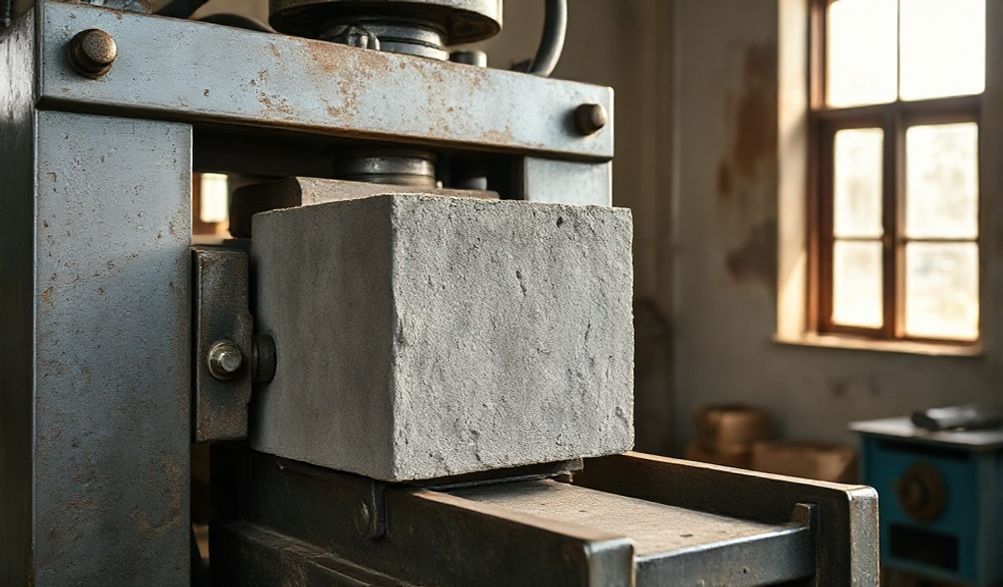
Panduan Utama Mesin Pembuat Blok Buatan Ghana: Kualitas, Biaya, dan Tempat Membeli
Pengantar
Sektor konstruksi Ghana adalah mesin pertumbuhan yang kuat. Dengan tingkat pertumbuhan tahunan yang secara konsisten melampaui ekonomi secara keseluruhan dan inisiatif publik besar seperti rumah sakit "Agenda 111" serta jaringan jalan yang luas, permintaan akan bahan bangunan yang terjangkau dan andal tidak pernah setinggi ini. Di jantung produksi material ini terdapat mesin pembuat bata. Namun di pasar yang dibanjiri pilihan impor, alternatif unggulan yang dikembangkan dalam negeri mulai mendapat perhatian yang layak: mesin pembuat bata buatan Ghana.
Panduan ini didedikasikan untuk mesin-mesin tangguh hasil rekayasa lokal. "Mesin pembuat bata buatan Ghana" merujuk pada mesin yang dirancang, diproduksi, dan dirakit di Ghana oleh insinyur dan perusahaan Ghana. Mesin-mesin ini dibangun untuk memproduksi bata beton, batu bata, dan batu paving yang membentuk kerangka infrastruktur bangsa kita. Dengan menggali wawasan mendalam tentang kapabilitas manufaktur lokal, ilmu material yang sesuai dengan iklim kita, serta pengetahuan pasar praktis di lapangan, sumber daya komprehensif ini dirancang untuk profesional yang serius.
Baik Anda seorang kontraktor yang mengincar proyek besar berikutnya, pembangun yang mengelola kebutuhan harian di lokasi, atau pengusaha yang ingin memasuki bisnis pasokan bahan bangunan, tulisan ini akan membekali Anda dengan fakta-fakta. Anda akan mempelajari manfaat nyata memilih produk lokal dibanding impor, menemukan produsen kunci, memahami kisaran harga realistis, serta mendapatkan tips operasional untuk memaksimalkan investasi Anda. Tujuan kami jelas: menyediakan informasi faktual dan tidak bias yang memberdayakan Anda untuk membuat keputusan bisnis yang cerdas, sekaligus mendukung kecerdasan dan pertumbuhan industri Ghana.
Mengapa Memilih Mesin Pembuat Blok Buatan Ghana?
Keputusan antara mesin impor dan yang dibangun lokal melampaui sekadar perbandingan harga sederhana. Ini tentang memilih alat yang dirancang untuk konteks spesifik Anda, dengan sistem dukungan yang memastikannya tetap produktif selama bertahun-tahun. Produsen Ghana telah memanfaatkan pengalaman mereka untuk menciptakan mesin yang menawarkan keunggulan praktis yang khas.
Dirancang untuk Kondisi Ghana
Di sinilah keahlian lokal benar-benar bersinar. Mesin dari luar negeri dirancang untuk bahan dan lingkungan asalnya.
- Kompatibilitas Bahan Baku Lokal:Mesin-mesin Ghana dikalibrasi untuk ukuran agregat dan jenis pasir spesifik kami, baik yang berasal dari Sungai Offin maupun daerah pesisir. Rasio campuran dan sistem getarannya dioptimalkan untuk menghasilkan blok yang kuat dan konsisten dengan material yang benar-benar tersedia bagi Anda, mengurangi proses coba-coba.
- Desain Tahan Iklim:Fluktuasi kelembapan dan suhu kami dapat mempercepat karat dan keausan. Produsen lokal terkemuka memahami hal ini dan sering menggunakan baja yang diolah serta lapisan pelindung yang sesuai dengan lingkungan kami, memastikan keawetan mesin.
- Spesifikasi Daya yang Disesuaikan:Dibangun untuk beroperasi dengan mulus pada jaringan listrik Ghana 220-240V, Anda terhindar dari kerumitan dan biaya konverter tegangan atau kinerja tidak stabil yang dapat mengganggu mesin yang dirancang untuk sistem kelistrikan lain.
Efektivitas Biaya & Manfaat Ekonomi
Kasus finansial untuk membeli produk buatan Ghana sangat menarik, terutama ketika Anda mempertimbangkan total biaya kepemilikan.
- Investasi Awal yang Lebih Rendah:Tanpa pengiriman internasional, bea masuk, dan markup perantara, harga pembelian awal biasanya 20-35% lebih rendah daripada mesin impor yang setara.
- Transparan & Biaya Tambahan yang Dikurangi:Anda membayar dalam Cedis (GHS), menghindari fluktuasi nilai tukar mata uang asing. Tidak ada biaya agen kliring mendadak atau penundaan di pelabuhan yang menahan modal Anda sebagai sandera.
- Suku Cadang yang Terjangkau dan Mudah Diperoleh:Ini adalah keunggulan kritis. Ketika suatu bagian aus, Anda dapat menghubungi pemasok di Accra atau Kumasi dan mendapatkannya dalam hitungan hari, bukan bulan. Biayanya hanya sebagian kecil dari suku cadang impor, secara drastis mengurangi waktu henti dan biaya perawatan.
- Mendukung Perekonomian Lokal:Investasi Anda beredar di dalam Ghana, menciptakan dan mempertahankan lapangan kerja bagi para insinyur, tukang las, teknisi, dan staf penjualan. Ini merupakan kontribusi langsung bagi pengembangan industri nasional.
Dukungan dan Layanan Lokal yang Tak Tertandingi
Layanan purna jual dapat menentukan keberhasilan atau kegagalan investasi Anda. Kedekatan lokasi adalah aset yang tak tergantikan.
- Kedekatan untuk Dukungan Cepat:Masalah teknis tidak berarti harus menunggu balasan email internasional. Anda seringkali dapat meminta teknisi mengunjungi lokasi Anda dalam hitungan hari, bahkan jam, tergantung pada lokasi Anda.
- Pelatihan yang Relevan dengan Konteks:Pelatihan diberikan dalam bahasa lokal atau bahasa Inggris Ghana yang familiar, dengan menggunakan contoh-contoh yang mudah dipahami. Operator belajar lebih cepat dan mengingat lebih banyak ketika instruksi selaras secara budaya dan kontekstual.
- Minimalkan Waktu Henti Operasional: Faster repairs and easy access to spare parts mean your machine is producing revenue-generating blocks more consistently. For a business, this reliability is priceless.
Types of Block Making Machines Made in Ghana
Ghanaian manufacturers cater to the full spectrum of needs, from the individual entrepreneur to the large-scale commercial producer. Understanding the types available is the first step in matching the right machine to your project scope.
Mesin Pembuat Blok Manual
Ideal for entry-level startups, small community projects, or as a secondary machine for specialty blocks.
- Deskripsi: These are hand-operated machines where the operator uses a lever to compress the concrete mix into a mold. They are simple, robust, and mobile.
- Kapasitas Output: Typically 200-500 blocks per 8-hour day, depending on crew size and efficiency.
- Kelebihan:
- Biaya awal yang sangat rendah.
- No electricity or diesel required, perfect for remote sites.
- Easy to maintain and operate.
- Kekurangan:
- Labor-intensive and physically demanding.
- Lower output and less consistent block density compared to powered machines.
Mesin Pembuat Blok Semi-Otomatis
The most popular choice for small-to-medium enterprises (SMEs) and growing block factories. They offer the best balance of output, affordability, and automation.
- Deskripsi: These machines use an electric motor or diesel engine to power a vibration system that compacts the concrete. The operator feeds the mix and removes finished blocks, but the core compaction process is mechanized.
- Kapasitas Output: Can range from 1,000 to over 5,000 blocks per 8-hour shift, depending on the model and crew.
- Model Umum: Ghanaian manufacturers excel in producing versatile semi-automatic machines that can produce:
- Standard 4″, 5″, and 6″ hollow blocks.
- Solid blocks.
- Interlocking soil bricks (stabilized with a small amount of cement).
- Decorative paving stones and kerbs.
- Fitur Utama: Many allow for quick mold changes, enabling one machine to produce multiple block types.
Pabrik Pembuatan Blok Sepenuhnya Otomatis
For large-scale commercial production supplying major construction projects or regional markets.
- Deskripsi: These are integrated systems. They include automated concrete mixers, conveyor belts that feed the block machine, and a fully automated press that molds, compacts, and ejects blocks onto pallets. Some advanced lines include robotic pallet stackers.
- Kapasitas Output: Can produce 8,000 to 20,000+ blocks per day with a small crew.
- Ghanaian Capability: While the most complex components may be sourced, several leading Ghanaian engineering firms now specialize in the assembly, integration, and commissioning of these automatic plants. They provide the crucial local adaptation, civil works, and ongoing technical support for these high-value systems.
Top Ghanaian Manufacturers and Suppliers
Navigating the market requires knowing who the established players are. While we encourage you to conduct your own due diligence, the industry recognizes several key hubs and company types.
Leading Local Manufacturers
Manufacturing clusters in industrial areas of Accra (e.g., Tesano, Industrial Area), KumasidanTema are home to skilled fabricators. Reputable companies are often those with a visible factory, a portfolio of client projects, and several years of operation.
- Look for companies like: While specific names require your research, seek out manufacturers such as “Blocktech Engineering”atau“Ghana Builders Machinery”—placeholders for the kind of established firms that have been advertising consistently, have professional workshops, and are known for their robust semi-automatic and automatic stationary machines.
- Spesialisasi: Some may specialize in heavy-duty, high-output machines for block factories, while others might focus on more affordable, mobile machines for small contractors. Checking their product range will tell you their focus.
Apa yang Harus Dicari dalam Pemasok yang Terpercaya
Choosing the right supplier is as important as choosing the right machine. Here’s your checklist:
Green Flags:
* Factory/Workshop Visit: They welcome and encourage you to visit their production facility to see machines being built.
* Client Testimonials & References: They can provide contacts of past buyers you can speak to independently.
* Clear After-Sales Service Terms: A written warranty (6 months to 1 year is standard), a listed service department phone number, and a promise of technical support.
* Inventaris Bagian: They stock common wear parts like mold liners, vibration motors, and springs.
Red Flags to Avoid:
* No Physical Address: Operating only from a P.O. Box or social media page.
* “Too Good to Be True” Pricing: Prices drastically lower than the market average often indicate poor-quality materials or hidden costs.
* No Demonstration: Unwilling or unable to show you a working machine.
* Pressure Tactics: High-pressure sales tactics to get a deposit immediately.
Key Considerations Before You Buy
A thoughtful purchase process prevents costly mistakes. Approach this as a strategic business investment.
Assessing Your Needs
Ask yourself these foundational questions:
* Skala Proyek: Are you supplying a single building, a housing estate, or aiming for commercial wholesale?
* Jenis Blok What does your market demand? 5″ hollow blocks for walls? Interlocking pavers for driveways? Solid blocks for foundations?
* Daily Output Target: Be realistic. Calculate your current or projected demand and add a margin for growth. It’s better to have a machine you can grow into than one that maxes out immediately.
Budgeting and Total Cost of Ownership
Look beyond the sticker price.
* Price Ranges (Approximate in GHS):
* Mesin Manual: GHS 2,000 – GHS 8,000
* Mesin Semi-Otomatis: GHS 15,000 – GHS 45,000
* Tanaman Sepenuhnya Otomatis: GHS 80,000 – GHS 300,000+
* Additional Costs to Factor In:
* Jamur: Extra molds for different block types can cost GHS 1,500 – GHS 4,000 each.
* Palet: You’ll need a stock of steel or wooden pallets for block curing.
* Foundation & Shelter: The machine needs a level concrete base and a shed for protection.
* Raw Material Storage: Budget for space and equipment to store cement, sand, and aggregate.
Visiting and Evaluating
Never buy a machine sight unseen.
* Demand a Live Demonstration: See the machine in action. Observe the block quality, the ease of operation, and the noise/vibration levels.
* Key Questions for the Manufacturer:
1. What is the exact warranty coverage and duration?
2. Is installation and basic operator training included?
3. What is the lead time for the most common spare parts?
4. Can you provide a list of recommended mix ratios for local materials?
Mengoperasikan dan Merawat Mesin Anda untuk Keawetan
Your machine is a capital asset. Proper care ensures it repays your investment many times over.
Best Practices for Operation
- The Perfect Mix: A common recipe for a strong 5″ hollow block is 1 part cement, 4 parts sharp sand, and 6 parts aggregate (1/2″ granite chips). Water should be clean and added until the mix is cohesive but not sloppy. Consistency is key.
- Correct Loading & Compaction: Avoid overfilling or underfilling the mold. Allow the vibration motor to compact the mix fully—usually 5-10 seconds—before releasing the block. Rushing this step leads to weak, crumbly blocks.
- Safety First: Operators should wear safety boots, gloves, and hearing protection. Ensure all moving parts are guarded and that lock-out/tag-out procedures are followed during maintenance.
Routine Maintenance Checklist
A little daily care prevents major breakdowns.
* Harian: Clean all concrete residue from the mold, press head, and machine frame with water and a brush. Lubricate all moving joints and pivot points with grease.
* Mingguan: Check the tightness of all bolts and nuts. Inspect the vibration motor mounts for cracks. Examine mold liners for excessive wear.
* Bulanan: Perform a thorough inspection of electrical connections (if applicable). Check hydraulic oil levels and hose integrity on automatic models.
Sourcing Spare Parts Locally
- Common Wear Parts: Mold liners, vibration motors, springs, and bolts are the most frequently replaced items. Keep a small inventory of these.
- Building the Relationship: Maintain good communication with your supplier. Inform them of any issues early. A trusted relationship often leads to priority service and helpful advice.
Pertanyaan yang Sering Diajukan (FAQ)
Q1: Are Ghana-made block machines as durable as imported ones from China or Europe?
A: Yes, when purchased from a reputable manufacturer. They use quality steel and components proven in the local environment. Their key advantage isn’t just initial durability, but berkelanjutan durability due to easier, faster, and far cheaper maintenance and part replacement over the machine’s entire lifespan.
Q2: What is the price range for a medium-capacity Ghana-made block machine?
A: For a quality semi-automatic machine suitable for a small-to-medium business, expect a range of GHS 15,000 to GHS 45,000. The variance depends on factors like output capacity (blocks per hour), level of automation, and whether it includes a mixer. Always request a detailed, itemized quotation.
Q3: Can I get a machine that makes interlocking blocks for estate roads?
A: Absolutely. Many Ghanaian manufacturers produce specialized machines for interlocking paving stones and blocks. These are popular for roads, walkways, and parking areas. Be sure to specify your need for “interlocking paving block molds” when inquiring.
Q4: Do manufacturers offer installation and training?
A: Most established manufacturers do, and you should consider this a non-negotiable service. Proper installation ensures the machine is level and stable, while training your operators is critical for achieving high block quality, maximizing output, and ensuring safe operation from day one.
Q5: How do I verify the credibility of a local supplier?
A: Conduct physical verification: visit their workshop. Ask for and actually call 2-3 references from past clients. Check for a valid business registration. Observe if they have a dedicated service/parts department. A credible company operates transparently and is proud to show you their work.
Kesimpulan
The case for choosing a Ghana-made block making machine is robust and multifaceted. It combines significant cost savings, unparalleled local support, and intelligent design tailored to our specific conditions. This isn’t just a purchase; it’s a strategic partnership with a local provider invested in your success.
Our final recommendation is to invest time in your research. Visit the workshops in Accra, Kumasi, and Tema. See the machines being built, talk to the engineers, and speak to other buyers. The quality and capability on display will speak for itself.
By choosing Ghana-made, you do more than acquire a tool—you empower local industry, create jobs, and contribute directly to the nation’s economic resilience. You become part of a growing movement that believes in Ghanaian ingenuity. For any serious contractor, builder, or entrepreneur looking to build a sustainable business in Ghana’s vibrant construction sector, investing in reliable, locally-supported machinery is one of the smartest decisions you can make.
<