
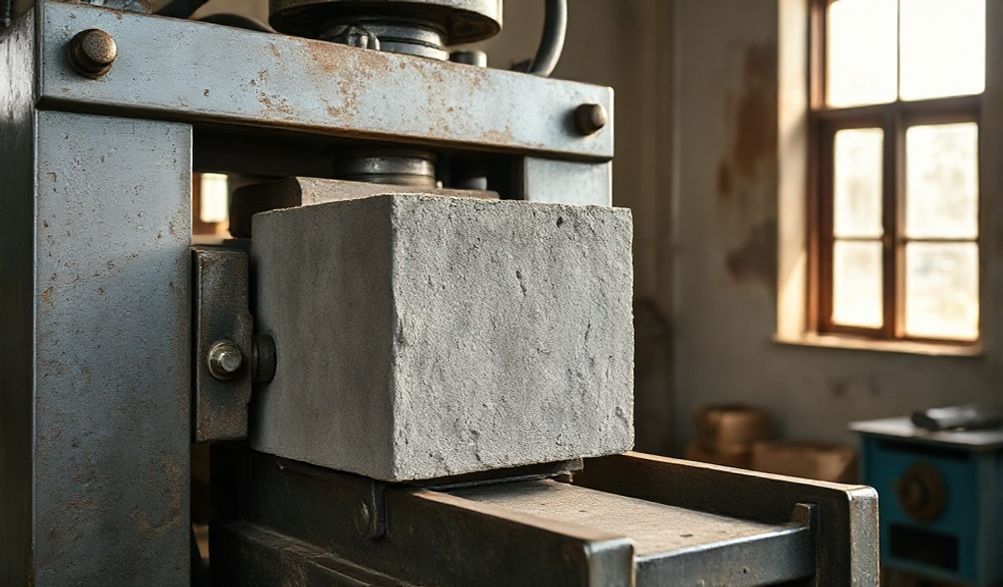
ဂါနာ အုတ်ခဲပြုလုပ်ရေး စက်များ၏ အထူးလမ်းညွှန် - အရည်အသွေး၊ ကုန်ကျစရိတ်နှင့် ဝယ်ယူနိုင်သည့်နေရာများ
မိတ်ဆက်
Ghana’s construction sector is a powerhouse of growth. With an annual growth rate consistently outpacing the broader economy and major public initiatives like the “Agenda 111” hospitals and extensive road networks, the demand for affordable, reliable building materials has never been higher. At the heart of this material production are block making machines. But in a market flooded with imported options, a superior, homegrown alternative is gaining well-deserved attention: the Ghana-made block making machine.
This guide is dedicated to these locally engineered workhorses. A “Ghana-made block making machine” refers to machinery designed, fabricated, and assembled right here in Ghana by Ghanaian engineers and companies. These machines are built to produce the concrete blocks, bricks, and paving stones that form the skeleton of our nation’s infrastructure. Drawing on deep industry insights into local manufacturing capabilities, material science suited to our climate, and practical on-the-ground market knowledge, this comprehensive resource is crafted for the serious professional.
Whether you are a contractor eyeing your next big project, a builder managing daily site demands, or an entrepreneur looking to enter the building materials supply business, this post will equip you with the facts. You will learn the tangible benefits of choosing local over imports, discover key manufacturers, understand realistic price ranges, and gain operational tips to maximize your investment. Our objective is clear: to provide you with factual, unbiased information that empowers you to make a savvy business decision while supporting the ingenuity and growth of Ghanaian industry.
ဂါနာထုတ်လုပ်သည့် ဘလောက်ပြုလုပ်ရေးစက်ကို ဘာကြောင့် ရွေးချယ်သင့်သလဲ။
သွင်းကုန်စက်နှင့် ပြည်တွင်းထုတ်စက်အကြား ရွေးချယ်မှုသည် ရိုးရိုးဈေးနှုန်းနှိုင်းယှဉ်ခြင်းထက် ကျော်လွန်ပါသည်။ ၎င်းသည် သင့်တစ်ဦးချင်းအခြေအနေအတွက် ပြုလုပ်ထားသော ကိရိယာတစ်ခုကို ရွေးချယ်ခြင်းဖြစ်ပြီး၊ နှစ်ပေါင်းများစွာ ထုတ်လုပ်မှုအာမခံချက်ရှိသည့် ပံ့ပိုးမှုစနစ်နှင့်အတူ ဖြစ်ပါသည်။ ဂါနာထုတ်လုပ်သူများသည် ထူးခြားပြီး လက်တွေ့အကျိုးကျေးဇူးများပေးသည့် စက်များကို ဖန်တီးရန် ၎င်းတို့၏အတွေ့အကြုံများကို အသုံးချခဲ့ကြသည်။
ဂါနာနိုင်ငံ၏ အခြေအနေများအတွက် တည်ဆောက်ထားသည်
ဒါကပဲ ဒေသခံကျွမ်းကျင်မှုရဲ့ အစွမ်းအစ ပေါ်လွင်ရာနေရာပါ။ နိုင်ငံခြားက စက်တွေဟာ သူတို့ရဲ့ မူရင်းပစ္စည်းနဲ့ ပတ်ဝန်းကျင်အတွက် ဒီဇိုင်းဆွဲထားတာပါ။
- ဒေသတွင်းကုန်ကြမ်းပစ္စည်းများ၏ လိုက်ဖက်မှုဂါနာစက်ပစ္စည်းများကို ကျွန်ုပ်တို့၏ သီးခြားအရွယ်အစားရှိသော အတုံးများနှင့် သဲအမျိုးအစားများအတွက် ချိန်ညှိထားပါသည်။ ၎င်းသည် Offin မြစ်မှ ဖြစ်စေ၊ ကမ်းရိုးတန်းဒေသများမှ ဖြစ်စေ ဖြစ်နိုင်ပါသည်။ ရောစပ်အချိုးအစားများနှင့် တုန်ခါမှုစနစ်များကို သင်အမှန်တကယ် ရရှိနိုင်သော ပစ္စည်းများဖြင့် ခိုင်ခံ့ပြီး တစ်သမတ်တည်းရှိသော ဘလောက်များ ထုတ်လုပ်နိုင်ရန် အကောင်းဆုံးချိန်ညှိထားသဖြင့် အကြိမ်ကြိမ်စမ်းသပ်မှုများ လျှော့ချနိုင်ပါသည်။
- ရာသီဥတုဒဏ်ခံနိုင်သော ဒီဇိုင်းကျွန်ုပ်တို့၏ စိုထိုင်းဆနှင့် အပူချိန်အပြောင်းအလဲများသည် သံချေးတက်ခြင်းနှင့် ပျက်စီးမှုကို မြန်ဆန်စေနိုင်ပါသည်။ ဂုဏ်သတင်းရှိသော ဒေသတွင်းထုတ်လုပ်သူများသည် ဤအချက်ကို နားလည်ပြီး ကျွန်ုပ်တို့၏ ပတ်ဝန်းကျင်နှင့် ကိုက်ညီသော ကုသထားသည့် သံမဏိများနှင့် အကာအရံအလွှာများကို မကြာခဏ အသုံးပြုကာ စက်ပစ္စည်း၏ ရေရှည်တည်တံ့မှုကို သေချာစေပါသည်။
- အထူးပြုပြင်ထားသော ပါဝါ သတ်မှတ်ချက်များဂါနာ၏ ၂၂၀-၂၄၀ဗို့ လျှပ်စစ်ဇယားအတွက် ချောမွေ့စွာ အလုပ်လုပ်ရန် တည်ဆောက်ထားသောကြောင့် အခြားလျှပ်စစ်စနစ်များအတွက် ဒီဇိုင်းပြုလုပ်ထားသော စက်ပစ္စည်းများတွင် ကြုံတွေ့ရနိုင်သည့် ဗို့အားပြောင်းစက်များ၏ ဒုက္ခနှင့် ကုန်ကျစရိတ် သို့မဟုတ် မတည်ငြိမ်သော စွမ်းဆောင်ရည်ပြဿနာများကို ရှောင်ရှားနိုင်ပါသည်။
ကုန္က်စရိတ္ႏွင့္စီးပြားေရးအက်ိဳးေက်းဇူးမ်ား
The financial case for buying Ghana-made is compelling, especially when you consider the total cost of ownership.
- ကနဦးရင်းနှီးမြှုပ်နှံမှု နည်းပါးခြင်း Without international shipping, import duties, and middlemen markups, the upfront purchase price is typically 20-35% lower than a comparable imported machine.
- Transparent & Reduced Ancillary Costs: You pay in Cedis (GHS), avoiding forex fluctuations. There are no surprise clearing agent fees or port delays holding your capital hostage.
- Affordable and Accessible Spare Parts: This is a critical advantage. When a part wears out, you can call your supplier in Accra or Kumasi and have it delivered in days, not months. The cost is a fraction of an imported spare part, drastically reducing downtime and maintenance costs.
- Supporting the Local Economy: Your investment circulates within Ghana, creating and sustaining jobs for engineers, welders, technicians, and sales staff. It’s a direct contribution to national industrial development.
Unmatched Local Support & Service
After-sales service can make or break your investment. Local proximity is an irreplaceable asset.
- Proximity for Rapid Support: A technical issue doesn’t mean waiting for an international email reply. You can often have a technician visit your site within days, if not hours, depending on your location.
- Context-Relevant Training: Training is provided in local languages or familiar Ghanaian English, using relatable examples. Operators learn faster and retain more when instruction is culturally and contextually aligned.
- Minimized Operational Downtime: Faster repairs and easy access to spare parts mean your machine is producing revenue-generating blocks more consistently. For a business, this reliability is priceless.
Types of Block Making Machines Made in Ghana
Ghanaian manufacturers cater to the full spectrum of needs, from the individual entrepreneur to the large-scale commercial producer. Understanding the types available is the first step in matching the right machine to your project scope.
လက်ဖြင့်အုတ်ခဲပြုလုပ်သည့်စက်များ
Ideal for entry-level startups, small community projects, or as a secondary machine for specialty blocks.
- ဖော်ပြချက် These are hand-operated machines where the operator uses a lever to compress the concrete mix into a mold. They are simple, robust, and mobile.
- ထုတ်လုပ်နိုင်စွမ်း Typically 200-500 blocks per 8-hour day, depending on crew size and efficiency.
- အားသာချက်များ
- အစပိုင်းကုန်ကျစရိတ်အလွန်နည်းပါသည်။
- No electricity or diesel required, perfect for remote sites.
- Easy to maintain and operate.
- အားနည်းချက်များ
- Labor-intensive and physically demanding.
- Lower output and less consistent block density compared to powered machines.
အခ်ိန္ပိုင္းအလိုအေလ်ာက္ ဘေလာက္ေရာင္းစက္မ်ား
The most popular choice for small-to-medium enterprises (SMEs) and growing block factories. They offer the best balance of output, affordability, and automation.
- ဖော်ပြချက် These machines use an electric motor or diesel engine to power a vibration system that compacts the concrete. The operator feeds the mix and removes finished blocks, but the core compaction process is mechanized.
- ထုတ်လုပ်နိုင်စွမ်း Can range from 1,000 to over 5,000 blocks per 8-hour shift, depending on the model and crew.
- Common Models: Ghanaian manufacturers excel in producing versatile semi-automatic machines that can produce:
- Standard 4″, 5″, and 6″ hollow blocks.
- Solid blocks.
- Interlocking soil bricks (stabilized with a small amount of cement).
- Decorative paving stones and kerbs.
- Key Feature: Many allow for quick mold changes, enabling one machine to produce multiple block types.
Fully Automatic Block Making Plants
For large-scale commercial production supplying major construction projects or regional markets.
- ဖော်ပြချက် These are integrated systems. They include automated concrete mixers, conveyor belts that feed the block machine, and a fully automated press that molds, compacts, and ejects blocks onto pallets. Some advanced lines include robotic pallet stackers.
- ထုတ်လုပ်နိုင်စွမ်း Can produce 8,000 to 20,000+ blocks per day with a small crew.
- Ghanaian Capability: While the most complex components may be sourced, several leading Ghanaian engineering firms now specialize in the assembly, integration, and commissioning of these automatic plants. They provide the crucial local adaptation, civil works, and ongoing technical support for these high-value systems.
Top Ghanaian Manufacturers and Suppliers
Navigating the market requires knowing who the established players are. While we encourage you to conduct your own due diligence, the industry recognizes several key hubs and company types.
Leading Local Manufacturers
Manufacturing clusters in industrial areas of Accra (e.g., Tesano, Industrial Area), Kumasiနှင့်Tema are home to skilled fabricators. Reputable companies are often those with a visible factory, a portfolio of client projects, and several years of operation.
- Look for companies like: While specific names require your research, seek out manufacturers such as “Blocktech Engineering”သို့မဟုတ်“Ghana Builders Machinery”—placeholders for the kind of established firms that have been advertising consistently, have professional workshops, and are known for their robust semi-automatic and automatic stationary machines.
- အထူးပြုခြင်း Some may specialize in heavy-duty, high-output machines for block factories, while others might focus on more affordable, mobile machines for small contractors. Checking their product range will tell you their focus.
What to Look for in a Reputable Supplier
Choosing the right supplier is as important as choosing the right machine. Here’s your checklist:
Green Flags:
* Factory/Workshop Visit: They welcome and encourage you to visit their production facility to see machines being built.
* Client Testimonials & References: They can provide contacts of past buyers you can speak to independently.
* Clear After-Sales Service Terms: A written warranty (6 months to 1 year is standard), a listed service department phone number, and a promise of technical support.
* Parts Inventory: They stock common wear parts like mold liners, vibration motors, and springs.
Red Flags to Avoid:
* No Physical Address: Operating only from a P.O. Box or social media page.
* “Too Good to Be True” Pricing: Prices drastically lower than the market average often indicate poor-quality materials or hidden costs.
* No Demonstration: Unwilling or unable to show you a working machine.
* Pressure Tactics: High-pressure sales tactics to get a deposit immediately.
Key Considerations Before You Buy
A thoughtful purchase process prevents costly mistakes. Approach this as a strategic business investment.
Assessing Your Needs
ကိုယ့်ကိုယ်ကို ဤအခြေခံမေးခွန်းများ မေးကြည့်ပါ။
* စီမံကိန်းအရွယ်အစား Are you supplying a single building, a housing estate, or aiming for commercial wholesale?
* ဘလော့ခ်အမျိုးအစားများ What does your market demand? 5″ hollow blocks for walls? Interlocking pavers for driveways? Solid blocks for foundations?
* Daily Output Target: Be realistic. Calculate your current or projected demand and add a margin for growth. It’s better to have a machine you can grow into than one that maxes out immediately.
Budgeting and Total Cost of Ownership
Look beyond the sticker price.
* Price Ranges (Approximate in GHS):
* လက်ဖြင့်မောင်းနှင်ရသော စက်များ GHS 2,000 – GHS 8,000
* အချိန်ကုန်သက်သာစေသော စက်များ GHS 15,000 – GHS 45,000
* လုံးဝအလိုအလျောက်အပင်များ GHS 80,000 – GHS 300,000+
* Additional Costs to Factor In:
* မှို Extra molds for different block types can cost GHS 1,500 – GHS 4,000 each.
* Pallets: You’ll need a stock of steel or wooden pallets for block curing.
* Foundation & Shelter: The machine needs a level concrete base and a shed for protection.
* Raw Material Storage: Budget for space and equipment to store cement, sand, and aggregate.
Visiting and Evaluating
Never buy a machine sight unseen.
* Demand a Live Demonstration: See the machine in action. Observe the block quality, the ease of operation, and the noise/vibration levels.
* Key Questions for the Manufacturer:
1. What is the exact warranty coverage and duration?
2. Is installation and basic operator training included?
3. What is the lead time for the most common spare parts?
4. Can you provide a list of recommended mix ratios for local materials?
Operating and Maintaining Your Machine for Longevity
Your machine is a capital asset. Proper care ensures it repays your investment many times over.
Best Practices for Operation
- The Perfect Mix: A common recipe for a strong 5″ hollow block is 1 part cement, 4 parts sharp sand, and 6 parts aggregate (1/2″ granite chips). Water should be clean and added until the mix is cohesive but not sloppy. Consistency is key.
- Correct Loading & Compaction: Avoid overfilling or underfilling the mold. Allow the vibration motor to compact the mix fully—usually 5-10 seconds—before releasing the block. Rushing this step leads to weak, crumbly blocks.
- Safety First: Operators should wear safety boots, gloves, and hearing protection. Ensure all moving parts are guarded and that lock-out/tag-out procedures are followed during maintenance.
Routine Maintenance Checklist
A little daily care prevents major breakdowns.
* Daily: Clean all concrete residue from the mold, press head, and machine frame with water and a brush. Lubricate all moving joints and pivot points with grease.
* Weekly: Check the tightness of all bolts and nuts. Inspect the vibration motor mounts for cracks. Examine mold liners for excessive wear.
* Monthly: Perform a thorough inspection of electrical connections (if applicable). Check hydraulic oil levels and hose integrity on automatic models.
Sourcing Spare Parts Locally
- Common Wear Parts: Mold liners, vibration motors, springs, and bolts are the most frequently replaced items. Keep a small inventory of these.
- Building the Relationship: Maintain good communication with your supplier. Inform them of any issues early. A trusted relationship often leads to priority service and helpful advice.
မကြာခဏ မေးလေ့ရှိသော မေးခွန်းများ (FAQ)
Q1: Are Ghana-made block machines as durable as imported ones from China or Europe?
က: Yes, when purchased from a reputable manufacturer. They use quality steel and components proven in the local environment. Their key advantage isn’t just initial durability, but တည်တံ့ခိုင်မြဲသော durability due to easier, faster, and far cheaper maintenance and part replacement over the machine’s entire lifespan.
Q2: What is the price range for a medium-capacity Ghana-made block machine?
က: For a quality semi-automatic machine suitable for a small-to-medium business, expect a range of GHS 15,000 to GHS 45,000. The variance depends on factors like output capacity (blocks per hour), level of automation, and whether it includes a mixer. Always request a detailed, itemized quotation.
Q3: Can I get a machine that makes interlocking blocks for estate roads?
က: Absolutely. Many Ghanaian manufacturers produce specialized machines for interlocking paving stones and blocks. These are popular for roads, walkways, and parking areas. Be sure to specify your need for “interlocking paving block molds” when inquiring.
Q4: Do manufacturers offer installation and training?
က: Most established manufacturers do, and you should consider this a non-negotiable service. Proper installation ensures the machine is level and stable, while training your operators is critical for achieving high block quality, maximizing output, and ensuring safe operation from day one.
Q5: How do I verify the credibility of a local supplier?
က: Conduct physical verification: visit their workshop. Ask for and actually call 2-3 references from past clients. Check for a valid business registration. Observe if they have a dedicated service/parts department. A credible company operates transparently and is proud to show you their work.
နိဂုံး
The case for choosing a Ghana-made block making machine is robust and multifaceted. It combines significant cost savings, unparalleled local support, and intelligent design tailored to our specific conditions. This isn’t just a purchase; it’s a strategic partnership with a local provider invested in your success.
Our final recommendation is to invest time in your research. Visit the workshops in Accra, Kumasi, and Tema. See the machines being built, talk to the engineers, and speak to other buyers. The quality and capability on display will speak for itself.
By choosing Ghana-made, you do more than acquire a tool—you empower local industry, create jobs, and contribute directly to the nation’s economic resilience. You become part of a growing movement that believes in Ghanaian ingenuity. For any serious contractor, builder, or entrepreneur looking to build a sustainable business in Ghana’s vibrant construction sector, investing in reliable, locally-supported machinery is one of the smartest decisions you can make.
<