
एक अच्छी गुणवत्ता वाली कंक्रीट ब्लॉक बनाने की मशीन फैक्टरी की तलाश: फूडा पर एक विस्तृत नज़र
निर्माण व्यवसायों और ब्लॉक निर्माताओं के लिए, विश्वसनीय, उच्च-गुणवत्ता वाली मशीनरी की खोज एक महत्वपूर्ण निर्णय है जो सीधे उत्पादकता, उत्पाद की अखंडता और दीर्घकालिक लाभप्रदता को प्रभावित करती है। एक ऐसे उद्योग में जहाँ डाउनटाइम का मतलब है महत्वपूर्ण वित्तीय नुकसान, आपके उपकरण कारखाने का चुनाव मशीन की स्वयं की विशिष्टताओं के समान ही महत्वपूर्ण है। बुनियादी ढांचे और आवास की मांगों में वैश्विक उछाल ने स्वचालित कंक्रीट ब्लॉक निर्माण मशीनों को अपरिहार्य संपत्ति बना दिया है। हालाँकि, बाजार विकल्पों से संतृप्त है, जिससे वास्तविक गुणवत्ता को सतही दावों से अलग करना चुनौतीपूर्ण हो गया है।
यह मार्गदर्शिका उन मूल विशेषताओं का विश्लेषण करेगी जो एक वास्तव में "उच्च गुणवत्ता" वाली कंक्रीट ब्लॉक निर्माण मशीन फैक्ट्री को परिभाषित करती हैं। हम विपणन भाषा से आगे बढ़कर मूर्त कारकों का पता लगाएंगे—निर्माण विशेषज्ञता से लेकर बिक्री-पश्चात सत्यनिष्ठा तक—जो यह सुनिश्चित करते हैं कि आपका निवेश सुदृढ़ है। इन सिद्धांतों को वास्तविक दुनिया के संदर्भ में स्थापित करने के लिए, हम प्रसिद्धफूडा ब्लॉक निर्माण कारखानाएक प्राथमिक केस स्टडी के रूप में, यह जांचना कि इसके संचालन उत्कृष्टता के लिए उद्योग मानकों के साथ कैसे संरेखित होते हैं। यहां दिए गए अंतर्दृष्टि उद्योग विश्लेषण, तकनीकी विशिष्टता समीक्षाओं और स्थापित सर्वोत्तम प्रथाओं से संकलित हैं, जो आपको एक सूचित निर्णय लेने के लिए एक विश्वसनीय ढांचा प्रदान करने के लिए डिज़ाइन किए गए हैं।
एक "अच्छी गुणवत्ता" वाली कंक्रीट ब्लॉक बनाने की मशीन फैक्ट्री क्या परिभाषित करती है?
एक कारखाने का चयन आपकी उत्पादन क्षमता के स्रोत के साथ साझेदारी करने के बारे में है। एक गुणवत्तापूर्ण कारखाना इंजीनियरिंग कौशल, सामग्री विज्ञान और कठोर प्रक्रिया नियंत्रण का एक पारिस्थितिकी तंत्र है। यहां वे अटल स्तंभ हैं जो उद्योग के अग्रणियों को बाकियों से अलग करते हैं।
निर्माण विशेषज्ञता और तकनीकी दक्षता
एक गुणवत्तापूर्ण मशीन की नींव ड्राइंग बोर्ड और इंजीनियरिंग विभाग में रखी जाती है। एक श्रेष्ठ कारखाना आंतरिक अनुसंधान और विकास (आर एंड डी) में गहराई से निवेश करता है।
- यह कंपन प्रणालियों, हाइड्रोलिक सर्किट और नियंत्रण सॉफ़्टवेयर में निरंतर नवाचार की अनुमति देता है, जिससे अधिक कुशल और टिकाऊ मशीनें बनती हैं।
- एक ऐसी टीम की तलाश करें जिसमें योग्य मैकेनिकल, इलेक्ट्रिकल और सिविल इंजीनियर हों, जो न केवल मशीन असेंबली, बल्कि कंक्रीट की सामग्री विज्ञान को भी समझते हों।
- यांत्रिक सुरक्षा, हाइड्रोलिक दबाव रेटिंग्स और विद्युत प्रणालियों (जैसे सीई प्रमाणन) के लिए अंतरराष्ट्रीय मानकों का पालन एक न्यूनतम आधार है, विलासिता नहीं। यह डिज़ाइन-इन विश्वसनीयता के प्रति प्रतिबद्धता का संकेत देता है।
सामग्री अखंडता और आपूर्ति श्रृंखला नियंत्रण
एक मशीन उतनी ही मजबूत होती है जितना उसका सबसे कमजोर घटक। प्रीमियम कारखाने अपनी आपूर्ति श्रृंखला पर सख्त नियंत्रण रखते हैं।
- संरचनात्मक ढांचा उच्च-ग्रेड, घिसाव प्रतिरोधी स्टील प्लेट से निर्मित किया जाना चाहिए ताकि निरंतर कंपन और भार का सामना किया जा सके।
- महत्वपूर्ण घटक—जैसे कि मान्यता प्राप्त ब्रांडों (जैसे, रेक्सरोथ, कावासाकी) के हाइड्रोलिक पंप, औद्योगिक-ग्रेड प्रोग्रामेबल लॉजिक कंट्रोलर (पीएलसी), और प्रीमियम वाइब्रेशन मोटर—प्रमाणित आपूर्तिकर्ताओं से प्राप्त किए जाने चाहिए।
- Transparent factories will specify these component brands, as this directly correlates to machine uptime and consistent block density.
Quality Control Processes from Foundry to Finish
Quality cannot be inspected into a product; it must be built into every step. A multi-stage QC protocol is essential.
- आने वाली सामग्री का निरीक्षण Verifying material certificates and dimensions for all steel and purchased components.
- इन-प्रोसेस चेक: Monitoring critical processes like welding (for penetration and lack of porosity), machining tolerances, and sub-assembly alignment.
- Pre-Delivery Testing: Every machine should undergo rigorous testing, including dry-run cycles to check mechanical movement, hydraulic pressure tests to ensure leak-free performance, and vibration system calibration.
Production Capacity and Technological Modernization
Scale and modernity are often indicators of consistency and precision.
- A factory with significant production capacity is more likely to have standardized processes that reduce variability between units.
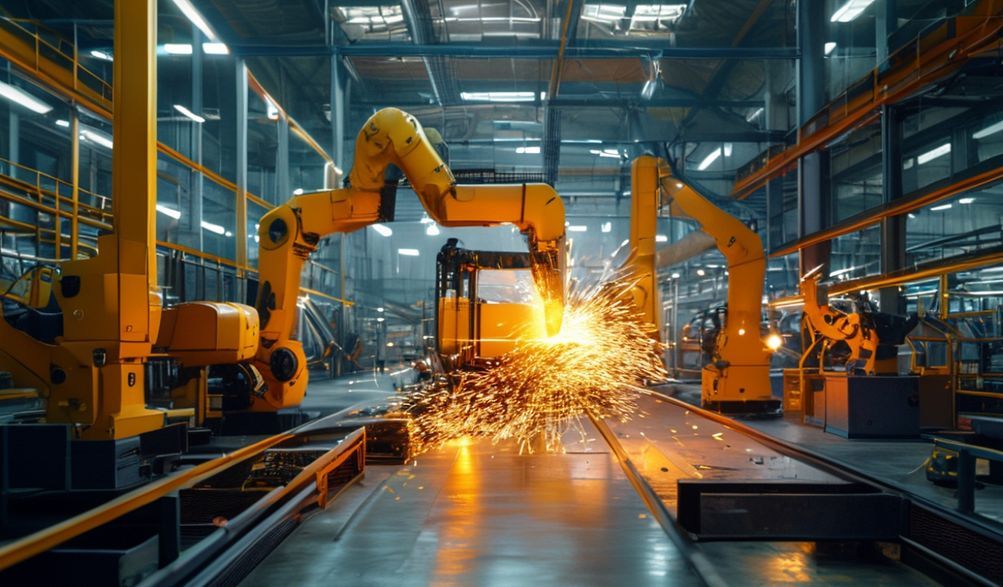
- The use of Computer Numerical Control (CNC) plasma cutters, robotic welding arms, and automated painting lines ensures part interchangeability, structural integrity, and a finish that resists corrosion.
- Modern factories can also reliably fulfill large orders and maintain inventory of common spare parts, which is crucial for your business continuity.
Deep Dive: Evaluating the FUDA Block Making Factory
As a prominent name in the block machinery sector, FUDA serves as a relevant example to apply our quality framework. Let’s evaluate its offerings against the established criteria.
Company Background and Industry Standing
FUDA Machinery Manufacturing Co., Ltd. is a Chinese-based manufacturer with a stated history of over two decades in construction machinery. The company positions itself as an integrated enterprise involved in R&D, production, and sales.
- Its market presence is global, with exports to regions including Africa, Southeast Asia, the Middle East, and South America—indicating an ability to adapt machines to diverse market needs and climatic conditions.
- Participation in international trade fairs (a common practice for manufacturers like FUDA) is a positive signal of its engagement with the global market and commitment to showcasing its technological developments.
Analysis of FUDA’s Machine Range and Technical Specifications
FUDA typically offers a wide product portfolio, which is a strength for catering to different business scales. Key categories often include:
- मैन्युअल/सेमी-ऑटोमैटिक मशीनें: Lower-cost entry points for small-scale startups.
- पूरी तरह से स्वचालित स्थिर ब्लॉक निर्माण मशीनें: The core of most medium to large plants, featuring automatic material feeding, molding, and pallet return systems.
- मोबाइल ब्लॉक मशीनें: For on-site production, a popular solution in many developing markets.
When examining technical specs from their published materials, a discerning buyer should focus on:
- साइकिल टाइम: How many blocks per hour/day can a specific model produce? Compare this against the power consumption for efficiency.
- Pressure Force (Kn): A key indicator of the machine’s ability to produce high-density, load-bearing blocks.
- कंपन प्रणाली: The configuration (e.g., table vibration, combined mold vibration) and motor power determine how well the concrete is compacted and voids are eliminated.
- स्वचालन स्तर: Does it use a PLC with a user-friendly touchscreen? Is there an automatic pallet feeder and stacker?
Assessing FUDA’s Manufacturing and Quality Assurance
Publicly available information from FUDA highlights a focus on manufacturing infrastructure. They often emphasize:
- A large factory space equipped with modern machining centers.
- A stated commitment to QC with processes like ultrasonic testing for welds.
- Assembly lines dedicated to different machine models.
Implication: This suggests a production environment geared towards volume and standardization. For a buyer, this translates to potential benefits in terms of consistent build quality and the ability to handle sizable orders. However, it underscores the necessity of verifying these claims through evidence like factory audit reports or customer testimonials specific to long-term machine performance.
After-Sales Support and Service Network
This is the ultimate test of a factory’s trustworthiness and long-term partnership value. FUDA, like many exporters, typically structures its support around:
- Warranty: Usually a 12-month warranty on the main frame and key components, which is industry-standard. The clarity of warranty terms (what’s included/excluded) is vital.
- स्पेयर पार्ट्स: Availability of a comprehensive parts catalog and a commitment to supplying wear parts (like mold liners, springs, seals) is critical.
- तकनीकी सहायता Provision of installation drawings, electrical diagrams, and operation manuals in English (or your required language). The availability of remote video support or on-site installation supervision (often at an extra cost) is a key differentiator.
- Training: Offering training videos or manuals for operators and maintenance personnel reduces your startup risks.
Key Factors to Compare When Choosing Your Factory Partner
Armed with a general framework, your final decision requires a side-by-side comparison tailored to your unique situation.
Machine Performance vs. Your Project Requirements
A quality factory is one that provides the right machine for आपका needs, not just their best-selling model.
- आउटपुट क्षमता: Match the machine’s daily production (e.g., 10,000 blocks vs. 50,000 blocks) to your sales forecasts and storage capacity.
- ब्लॉक प्रकार: Ensure the factory can provide molds for the specific block types (hollow, solid, paver, interlocking) demanded in your local market.
- कच्चा माल: Confirm the machine is compatible with the aggregate sizes and cement types available in your region.
Total Cost of Ownership (TCO) Analysis
The purchase price is just the entry ticket. A quality factory saves you money over 5-10 years.
- ऊर्जा दक्षता: Compare the total connected load (KwH) of shortlisted models. A slightly more expensive but efficient machine can have a significantly lower operating cost.
- रखरखाव लागत: Machines with standardized, readily available parts and accessible design for servicing will have lower downtime and maintenance expenses.
- Expected Lifespan: A machine built with 10mm steel plate and premium hydraulics from a quality factory will outlast a cheaper alternative by years, dramatically improving ROI.
Verifying Credentials and Seeking Proof
Trust, but verify. Due diligence is non-negotiable.
- प्रमाणपत्र: Request copies of ISO, CE, or other relevant quality management system certifications.
- References: Ask for contact information for 2-3 previous clients in a region similar to yours. Speak to them directly about machine performance and after-sales service.
- Visual Evidence: Request a live video tour of the factory floor, focusing on the assembly area for the model you’re interested in. Ask for close-up photos of weld points, the hydraulic station, and the control panel.
- Documentation: Review the product manual पहले purchasing. Its clarity and detail are strong indicators of technical professionalism.
The Importance of Clear Communication and Customization
Evaluate the factory’s responsiveness and technical dialogue during the inquiry stage.
- Are they asking detailed questions about your project?
- Can they provide knowledgeable technical consultation on optimizing your production line?
- Are they willing and able to offer minor customizations, such as a different pallet size or a specific voltage requirement? This flexibility is a hallmark of a true partner.
अक्सर पूछे जाने वाले प्रश्न (एफएक्यू)
Q1: What is the typical lead time for a machine from a factory like FUDA?
ए: Lead times vary significantly based on model complexity, level of customization, and current order backlog. For a standard model, it can range from 30 to 60 days after down payment. A reputable factory will provide a clear, written production and shipping schedule upon order confirmation.
Q2: How can I verify the quality claims of a block machine factory remotely?
ए: Beyond references, request: 1) High-resolution videos of a machine under test production, 2) Macro photos of welds and surface treatment, 3) Copies of component supplier certificates, 4) A virtual meeting with their head engineer to discuss your technical concerns.
Q3: Are machines from factories like FUDA suitable for starting a small block business?
ए: Yes, quality factories typically offer scalable solutions. Starting with a robust manual or semi-automatic model from a reputable manufacturer is often smarter than buying a cheap, fully automatic line from an unknown source. It allows you to build capital and expertise, often with the option to upgrade within the same brand’s ecosystem later.
Q4: What after-sales support should I insist on before purchasing?
ए: Secure a written agreement covering: 1) A detailed warranty certificate, 2) A complete spare parts price list, 3) Commitment to supply installation drawings and manuals, 4) Access to designated technical support contacts (email/WhatsApp), and 5) The option for paid on-site installation guidance if needed.
निष्कर्ष
In conclusion, identifying a “good quality” concrete block making machine factory requires looking beyond glossy brochures to assess the synergy of robust engineering, transparent manufacturing processes, and unwavering post-purchase support. It is a holistic evaluation where material integrity, controlled production, and a proven service network are the true indicators of long-term value.
Factories like फूडा present a strong profile in the market, with an established product range and significant export experience that speaks to a certain level of capability. However, their suitability for your project is not automatic. The ultimate decision must be grounded in a thorough, side-by-side comparison against your specific checklist of quality benchmarks, applied equally to all shortlisted suppliers.
We encourage you to use this outline as a practical due diligence framework. Contact multiple factories with detailed, technical questions. Request concrete evidence of their claims. Prioritize the long-term partnership value and Total Cost of Ownership over the lowest initial price. By doing so, you invest not just in a machine, but in the reliable foundation of your block manufacturing business for years to come.
<