
Paano Makahanap ng Mabuting Kalidad ng Pabrika ng Makina para sa Paggawa ng Kongkretong Bloke: Isang Masusing Pagtingin sa FUDA
Para sa mga negosyo sa konstruksiyon at mga tagagawa ng bloke, ang paghahanap ng maaasahan at de-kalidad na makinarya ay isang mahalagang desisyon na direktang nakaaapekto sa produktibidad, integridad ng produkto, at pangmatagalang kita. Sa isang industriya kung saan ang pagkawala ng operasyon ay katumbas ng malaking pinsalang pinansyal, ang pagpili ng iyong pabrika ng kagamitan ay kasing-halaga ng mga espesipikasyon ng makina mismo. Ang pandaigdigang pagdagsa sa pangangailangan para sa imprastraktura at pabahay ay naging kailangang-kailangan ang mga awtomatikong makina ng paggawa ng kongkretong bloke. Gayunpaman, ang merkado ay puno ng mga opsyon, na nagpapahirap na matukoy ang tunay na kalidad mula sa mga mababaw na pag-angkin.
Ang gabay na ito ay bubusisiin sa mga pangunahing katangian na nagtatakda ng isang tunay na "de-kalidad" na pabrika ng makina ng paggawa ng bloke ng semento. Lilipat tayo sa mga salitang pang-marketing upang tuklasin ang mga nasusukat na salik—mula sa kadalubhasaan sa pagmamanupaktura hanggang sa integridad pagkatapos ng pagbebenta—na nagsisiguro na ang iyong pamumuhunan ay matatag. Upang ipatupad ang mga prinsipyong ito sa isang tunay na konteksto, gagamitin natin ang kilalangPabrika ng paggawa ng bloke ng FUDABilang pangunahing pag-aaral ng kaso, sinusuri kung paano ang mga operasyon nito ay umaayon sa mga pamantayan ng industriya para sa kahusayan. Ang mga pananaw dito ay pinagsama-sama mula sa pagsusuri ng industriya, pagsusuri ng mga teknikal na pagtutukoy, at itinatag na mga pinakamahusay na kasanayan, na idinisenyo upang bigyan ka ng mapagkakatiwalaang balangkas para sa paggawa ng isang maalam na desisyon.
Ano ang Nagtatakda ng isang "Magandang Kalidad" na Pabrika ng Makina ng Paggawa ng Bloke ng Kongkreto?
Ang pagpili ng pabrika ay tungkol sa pakikipagtulungan sa pinagmumulan ng iyong kapasidad sa produksyon. Ang isang de-kalidad na pabrika ay isang ekosistema ng kahusayan sa inhenyeriya, agham ng materyales, at mahigpit na kontrol sa proseso. Narito ang mga hindi maikakait na haligi na naghihiwalay sa mga nangunguna sa industriya mula sa iba.
Kadalubhasaan sa Pagmamanupaktura at Kahusayan sa Teknikal
Ang pundasyon ng isang de-kalidad na makina ay inilatag sa drawing board at sa departamento ng engineering. Ang isang superior na pabrika ay namumuhunan nang malalim sa in-house Research & Development (R&D).
- Pinapayagan nito ang patuloy na pagbabago sa mga sistema ng panginginig, mga hydraulic circuit, at software ng kontrol, na humahantong sa mas episyente at matibay na mga makina.
- Maghanap ng isang pangkat na may kwalipikadong mga inhinyerong mekanikal, elektrikal, at sibil na nakauunawa hindi lamang sa pag-assemble ng makina, kundi pati sa agham ng materyal ng kongkreto.
- Ang pagsunod sa mga pamantayang pandaigdig para sa kaligtasang mekanikal, mga antas ng presyur ng haydroliko, at mga sistemang elektrikal (tulad ng sertipikasyong CE) ay isang pinakamababang batayan, hindi isang luho. Ito ay nagpapahiwatig ng isang pangako sa disenyong nakatuon sa pagiging maaasahan.
Integridad ng Materyal at Kontrol sa Supply Chain
Ang isang makina ay kasinglakas lamang ng pinakamahinang bahagi nito. Ang mga de-kalidad na pabrika ay nagpapatupad ng mahigpit na kontrol sa kanilang supply chain.
- Ang balangkas ng istruktura ay dapat gawin mula sa de-kalidad at matibay na bakal na plato upang makatiis sa patuloy na panginginig at pag-load.
- Ang mga kritikal na bahagi—tulad ng mga hydraulic pump mula sa kilalang tatak (hal., Rexroth, Kawasaki), mga industrial-grade na Programmable Logic Controller (PLC), at mga de-kalidad na vibration motor—ay dapat kunin mula sa mga sertipikadong supplier.
- Ang mga transparent na pabrika ay magtutukoy ng mga tatak ng mga komponenteng ito, dahil direktang nauugnay ito sa pagiging operasyonal ng makina at tuluy-tuloy na densidad ng bloke.
Mga Proseso ng Kontrol sa Kalidad mula sa Paghuhulma hanggang sa Pagtatapos
Ang kalidad ay hindi masisilip sa isang produkto; ito ay dapat na itatag sa bawat hakbang. Mahalaga ang isang multi-stage na protocol ng kontrol ng kalidad.
- Inspeksyon ng Papasok na Materyal:Pagpapatunay ng mga sertipiko ng materyal at mga sukat para sa lahat ng bakal at biniling sangkap.
- Mga Pagsusuri Habang Isinasagawa:Pagsubaybay sa mga kritikal na proseso tulad ng welding (para sa pagtagos at kawalan ng porosity), mga tolerance sa pagmamakinang, at pagsasagawa ng sub-assembly alignment.
- Pre-Pagkakabit na Pagsusuri: Every machine should undergo rigorous testing, including dry-run cycles to check mechanical movement, hydraulic pressure tests to ensure leak-free performance, and vibration system calibration.
Production Capacity and Technological Modernization
Scale and modernity are often indicators of consistency and precision.
- A factory with significant production capacity is more likely to have standardized processes that reduce variability between units.
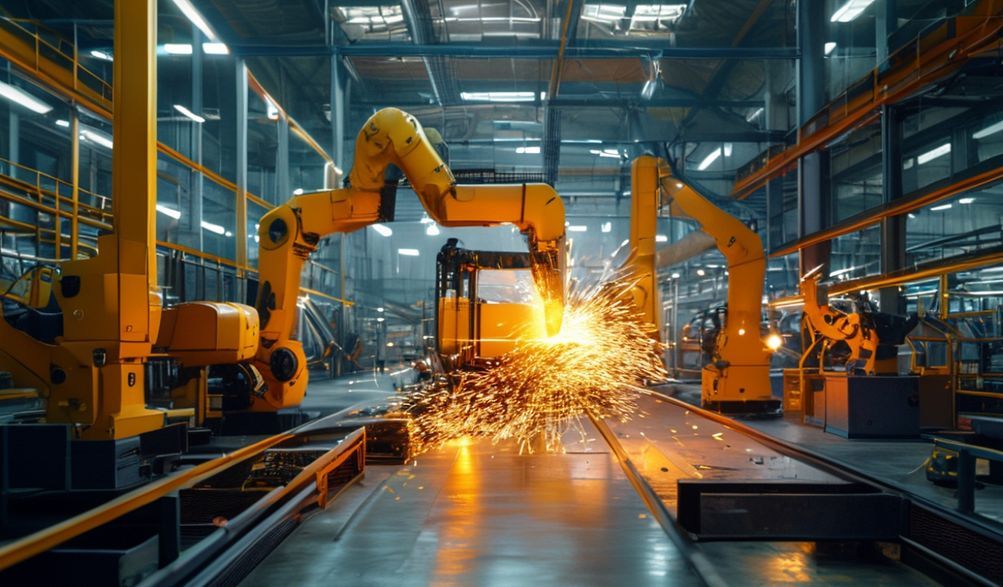
- The use of Computer Numerical Control (CNC) plasma cutters, robotic welding arms, and automated painting lines ensures part interchangeability, structural integrity, and a finish that resists corrosion.
- Modern factories can also reliably fulfill large orders and maintain inventory of common spare parts, which is crucial for your business continuity.
Deep Dive: Evaluating the FUDA Block Making Factory
As a prominent name in the block machinery sector, FUDA serves as a relevant example to apply our quality framework. Let’s evaluate its offerings against the established criteria.
Company Background and Industry Standing
FUDA Machinery Manufacturing Co., Ltd. is a Chinese-based manufacturer with a stated history of over two decades in construction machinery. The company positions itself as an integrated enterprise involved in R&D, production, and sales.
- Its market presence is global, with exports to regions including Africa, Southeast Asia, the Middle East, and South America—indicating an ability to adapt machines to diverse market needs and climatic conditions.
- Participation in international trade fairs (a common practice for manufacturers like FUDA) is a positive signal of its engagement with the global market and commitment to showcasing its technological developments.
Analysis of FUDA’s Machine Range and Technical Specifications
FUDA typically offers a wide product portfolio, which is a strength for catering to different business scales. Key categories often include:
- Mga Makinang Manual/Semi-Awtomatiko: Lower-cost entry points for small-scale startups.
- Fully Automatic Stationary Block Making Machines: The core of most medium to large plants, featuring automatic material feeding, molding, and pallet return systems.
- Mobile Block Machines: For on-site production, a popular solution in many developing markets.
When examining technical specs from their published materials, a discerning buyer should focus on:
- Oras ng Ikot: How many blocks per hour/day can a specific model produce? Compare this against the power consumption for efficiency.
- Pressure Force (Kn): A key indicator of the machine’s ability to produce high-density, load-bearing blocks.
- Sistema ng Pagyanig: The configuration (e.g., table vibration, combined mold vibration) and motor power determine how well the concrete is compacted and voids are eliminated.
- Antas ng Automation: Does it use a PLC with a user-friendly touchscreen? Is there an automatic pallet feeder and stacker?
Assessing FUDA’s Manufacturing and Quality Assurance
Publicly available information from FUDA highlights a focus on manufacturing infrastructure. They often emphasize:
- A large factory space equipped with modern machining centers.
- A stated commitment to QC with processes like ultrasonic testing for welds.
- Assembly lines dedicated to different machine models.
Implication: This suggests a production environment geared towards volume and standardization. For a buyer, this translates to potential benefits in terms of consistent build quality and the ability to handle sizable orders. However, it underscores the necessity of verifying these claims through evidence like factory audit reports or customer testimonials specific to long-term machine performance.
After-Sales Support and Service Network
This is the ultimate test of a factory’s trustworthiness and long-term partnership value. FUDA, like many exporters, typically structures its support around:
- Garantiya: Usually a 12-month warranty on the main frame and key components, which is industry-standard. The clarity of warranty terms (what’s included/excluded) is vital.
- Piesa ng Ekstrang Bahagi: Availability of a comprehensive parts catalog and a commitment to supplying wear parts (like mold liners, springs, seals) is critical.
- Suportang Teknikal: Provision of installation drawings, electrical diagrams, and operation manuals in English (or your required language). The availability of remote video support or on-site installation supervision (often at an extra cost) is a key differentiator.
- Pagsasanay: Offering training videos or manuals for operators and maintenance personnel reduces your startup risks.
Key Factors to Compare When Choosing Your Factory Partner
Armed with a general framework, your final decision requires a side-by-side comparison tailored to your unique situation.
Machine Performance vs. Your Project Requirements
A quality factory is one that provides the right machine for ikaw needs, not just their best-selling model.
- Kapasidad ng Output: Match the machine’s daily production (e.g., 10,000 blocks vs. 50,000 blocks) to your sales forecasts and storage capacity.
- Mga Uri ng Bloke: Ensure the factory can provide molds for the specific block types (hollow, solid, paver, interlocking) demanded in your local market.
- Mga Hilaw na Materyales: Confirm the machine is compatible with the aggregate sizes and cement types available in your region.
Total Cost of Ownership (TCO) Analysis
The purchase price is just the entry ticket. A quality factory saves you money over 5-10 years.
- Enerhiyang Mabisâ: Compare the total connected load (KwH) of shortlisted models. A slightly more expensive but efficient machine can have a significantly lower operating cost.
- Mga Gastos sa Pagpapanatili: Machines with standardized, readily available parts and accessible design for servicing will have lower downtime and maintenance expenses.
- Expected Lifespan: A machine built with 10mm steel plate and premium hydraulics from a quality factory will outlast a cheaper alternative by years, dramatically improving ROI.
Verifying Credentials and Seeking Proof
Trust, but verify. Due diligence is non-negotiable.
- Mga Sertipikasyon: Request copies of ISO, CE, or other relevant quality management system certifications.
- References: Ask for contact information for 2-3 previous clients in a region similar to yours. Speak to them directly about machine performance and after-sales service.
- Visual Evidence: Request a live video tour of the factory floor, focusing on the assembly area for the model you’re interested in. Ask for close-up photos of weld points, the hydraulic station, and the control panel.
- Documentation: Review the product manual before purchasing. Its clarity and detail are strong indicators of technical professionalism.
The Importance of Clear Communication and Customization
Evaluate the factory’s responsiveness and technical dialogue during the inquiry stage.
- Are they asking detailed questions about your project?
- Can they provide knowledgeable technical consultation on optimizing your production line?
- Are they willing and able to offer minor customizations, such as a different pallet size or a specific voltage requirement? This flexibility is a hallmark of a true partner.
Mga Madalas Itanong (FAQ)
Q1: What is the typical lead time for a machine from a factory like FUDA?
Isalin ang teksto sa Filipino. I-output LAMANG ang isinalin na teksto. Lead times vary significantly based on model complexity, level of customization, and current order backlog. For a standard model, it can range from 30 to 60 days after down payment. A reputable factory will provide a clear, written production and shipping schedule upon order confirmation.
Q2: How can I verify the quality claims of a block machine factory remotely?
Isalin ang teksto sa Filipino. I-output LAMANG ang isinalin na teksto. Beyond references, request: 1) High-resolution videos of a machine under test production, 2) Macro photos of welds and surface treatment, 3) Copies of component supplier certificates, 4) A virtual meeting with their head engineer to discuss your technical concerns.
Q3: Are machines from factories like FUDA suitable for starting a small block business?
Isalin ang teksto sa Filipino. I-output LAMANG ang isinalin na teksto. Yes, quality factories typically offer scalable solutions. Starting with a robust manual or semi-automatic model from a reputable manufacturer is often smarter than buying a cheap, fully automatic line from an unknown source. It allows you to build capital and expertise, often with the option to upgrade within the same brand’s ecosystem later.
Q4: What after-sales support should I insist on before purchasing?
Isalin ang teksto sa Filipino. I-output LAMANG ang isinalin na teksto. Secure a written agreement covering: 1) A detailed warranty certificate, 2) A complete spare parts price list, 3) Commitment to supply installation drawings and manuals, 4) Access to designated technical support contacts (email/WhatsApp), and 5) The option for paid on-site installation guidance if needed.
Konklusyon
In conclusion, identifying a “good quality” concrete block making machine factory requires looking beyond glossy brochures to assess the synergy of robust engineering, transparent manufacturing processes, and unwavering post-purchase support. It is a holistic evaluation where material integrity, controlled production, and a proven service network are the true indicators of long-term value.
Factories like FUDA present a strong profile in the market, with an established product range and significant export experience that speaks to a certain level of capability. However, their suitability for your project is not automatic. The ultimate decision must be grounded in a thorough, side-by-side comparison against your specific checklist of quality benchmarks, applied equally to all shortlisted suppliers.
We encourage you to use this outline as a practical due diligence framework. Contact multiple factories with detailed, technical questions. Request concrete evidence of their claims. Prioritize the long-term partnership value and Total Cost of Ownership over the lowest initial price. By doing so, you invest not just in a machine, but in the reliable foundation of your block manufacturing business for years to come.
<