Entwodiksyon
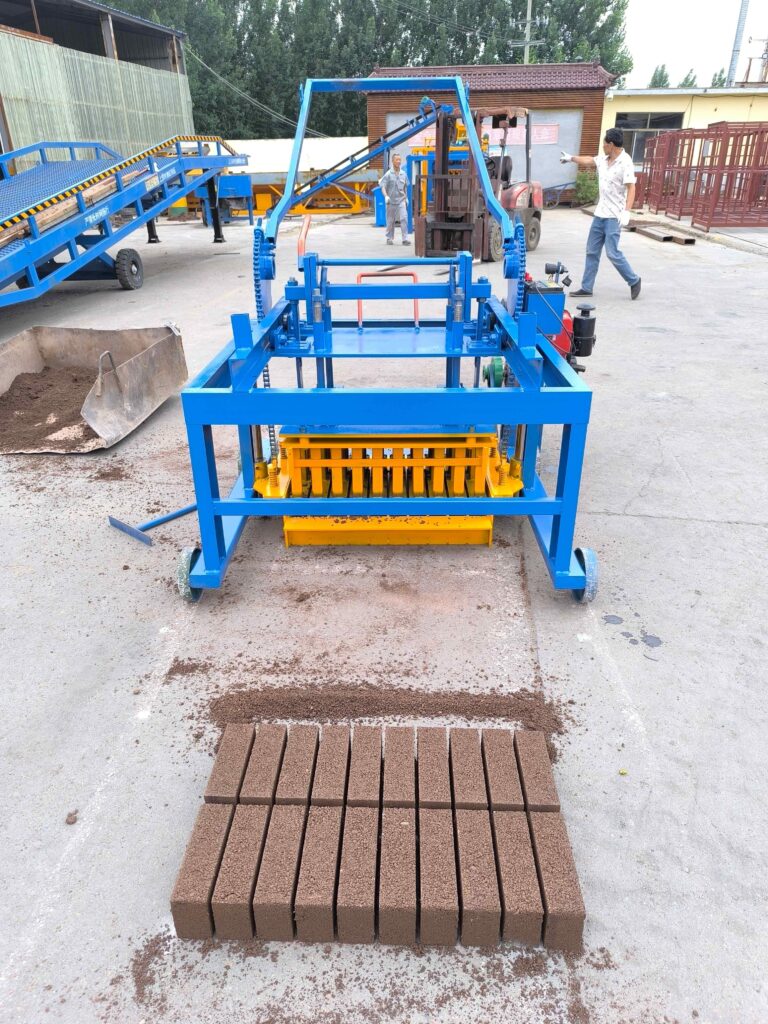
Endistri konstriksyon an ap viv yon chanjman gwo, motive pa demann pou efikasite, rediksyon pri, ak pwodiksyon lokalize. Nan nouvo kontèks sa a, machin pou fè brik mobil la parèt pa sèlman kòm yon ekipman, men kòm yon solisyon biznis ki transfòme. Pou distribitè ak dilè ki gen vizyon devan yo, konprann ak defann teknoloji sa a kle pou debloke nouvo segman mache ki pwofitab yo. Kontrèman ak izin tradisyonèl estasyonè ki fikse pwodiksyon nan yon sèl kote, machin pou fè brik mobil la pote faktori a dirèkteman nan sous materyo yo oswa nan kè pwojè konstriksyon an.
Anatomi Operasyonèl yon Machin Mobil pou Fè Brik
Pou machete pwodui sa a avèk siksè, yon moun dwe gen yon konpreyansyon pwofon sou konsepsyon ak fonksyonalite li. Yon machin mobil pou fè brik se yon inite pwodiksyon entegre ak otonòm ki monte sou yon chasi trelè solid, anjeneral ka rale pa yon traktè oswa kamyon estanda.
Konpozan Debaz ak Entegrasyon
Efikasite machin nan depann de entegrasyon san pwoblèm eleman kle li yo.
- Chasi ak Sistèm Mobilite:Sa a se fondasyon an. Li genyen yon ankadreman trelè ki solid ak yon sistèm sispansyon, frenaj, ak eklairaj ki serye. Anpil modèl avanse genyen echeli idwolik oswa mekanik ki estabilize tout inite a pandan pwosesis pwodiksyon brik yo, sa ki asire yon kalite konstan ak sekirite pou operatè a.
- Inite Pouvwa a:Fidèl a nati mobil li, machin nan pote pwòp sous pouvwa li. Sa ka yon motè dyezèl ki gen gwo efikasite, yon motè elektrik ki ka konekte ak yon rezo lokal oswa yon dèlko, oswa, de pli zan pli, yon sistèm ibrid ki ofle fleksibilite operasyonèl. Chwa pouvwa a pèmèt machin nan fonksyone nan kote aleka, ki pa konekte ak rezo elektrik, yon pwen enpòtan nan vant li.
- Hopper Melanj ak Bay Manje:Sa se kote yo prezante materyo premyè yo. Melanjeur entegre plat oswa melanjeur obligatwa asire yon melanj omojèn nan antre tankou tè, siman, sab, ak dlo. Yon senti transpòtè oswa sistèm otomatik manje Lè sa a, transpòte materyèl melanje a dirèkman nan chanm moule a, minimize travay manyèl ak manyen materyèl yo.
- Sistèm Moulaj ak Konpresyon:Kè machin nan. Isit la, yon sistèm idwolik gwo presyon konpakte materyèl melanje a nan yon mòd (mouri) pou fòme brik la oswa blòk la. Presyon an, ki mezire an tòn oswa megaPascal (MPa), se yon espesifikasyon kritik paske li korelasyon dirèkteman ak dansite ak fòs konpresif pwodwi final la.
- Sistèm Kontwòl la:Machin mobil modèn yo ekipe ak sistèm PLC (Programmable Logic Controller). Entèfas sa a pèmèt operatè a mete paramèt pwodiksyon yo, kontwole pèfòmans machin nan, ak rezoud pwoblèm. Nivo otomatizasyon sa a diminye konpetans ki nesesè pou operasyon an epi asire yon pwodiksyon ki repete ak bon jan kalite.
Wòkflò Pwodiksyon
The operational workflow is a continuous, streamlined cycle:
- Stage 1: Setup and Positioning. The machine is towed to the production site and stabilized using its outriggers.
- Stage 2: Material Loading. Locally sourced raw materials are loaded into the hopper, often using a small loader or excavator.
- Stage 3: Mixing and Conveying. The mixer combines the materials with water, and the conveyor feeds the homogenous mix to the compression chamber.
- Stage 4: Compression and Ejection. The hydraulic system compresses the mix, forming the brick. The newly formed, high-density brick is then ejected onto a pallet or a designated curing area.
- Stage 5: Curing. The bricks are stacked and left to cure naturally or under covers to gain strength over a few days. This entire process happens at the point of use.
The Compelling Business Case for Your Clients
For your clients—construction companies, entrepreneurs, and large-scale developers—the investment in a mobile brick making machine is a strategic decision with profound financial and operational benefits.
Radical Reduction in Logistics and Transportation Costs
This is the most potent argument. Traditional brick manufacturing involves a double transportation penalty: first, moving tons of raw material to a central plant, and second, distributing the finished bricks to various construction sites. A mobile unit eliminates over 70% of these costs. By processing raw materials found on or near the site, it transforms cost centers (transport) into negligible expenses. For large-scale infrastructure projects or housing developments spread over a wide area, the savings are astronomical.
Unprecedented Operational Flexibility and Project Scalability
A mobile machine provides unparalleled agility. A contractor can manage multiple, geographically dispersed projects with a single production asset. Upon completion at one site, the unit is simply hitched and moved to the next, creating a decentralized, just-in-time manufacturing model. This scalability allows businesses to start small and expand their production capacity by adding more mobile units as their project portfolio grows, without the capital commitment of building multiple fixed plants.
Leveraging Low-Cost and Sustainable Raw Materials
These machines are engineered to utilize a wide variety of raw materials, many of which are inexpensive or even free. Subsoil, laterite, sand, and certain types of industrial by-products like fly ash can be used as the primary input. This not only reduces material costs to a fraction but also positions the user as an environmentally conscious entity by repurposing waste and reducing the environmental degradation associated with clay mining.
Speed and Efficiency in Project Execution
Time is a critical resource in construction. With on-site production, the lead time for brick delivery is reduced from weeks to hours. There are no delays due to supplier backlog, transportation strikes, or logistical bottlenecks. The construction team has immediate access to the exact number of bricks needed, streamlining the workflow and significantly accelerating project timelines, which in turn improves cash flow and client satisfaction.
Empowering Local Entrepreneurship and Economic Development
Beyond large contractors, this technology is a powerful tool for local entrepreneurs. Individuals or cooperatives can invest in a mobile unit to serve their community, producing affordable, high-quality building materials for local housing and construction needs. This creates jobs, stimulates the local economy, and addresses housing deficits in a sustainable manner. For a distributor, this opens up a vast B2C and small-business market segment.
Diverse Applications and Market Opportunities
The versatility of the mobile brick making machine allows it to serve a wide spectrum of markets, which you can target strategically.
Residential and Commercial Construction
From single-family homes to large apartment complexes and commercial buildings, the demand for affordable bricks is constant. The ability to produce bricks on-site, tailored to the project’s specific architectural requirements (e.g., interlocking blocks for faster construction), is a massive advantage.
Large-Scale Infrastructure and Public Works
Government projects such as road construction, drainage systems, and public facilities require vast quantities of pavers, kerbstones, and hollow blocks. A mobile plant can be deployed along the route of a new highway or at the location of a new public building, producing materials as needed and drastically reducing the project’s budget.
Disaster Relief and Rapid Construction
In the aftermath of natural disasters, the need for rapid, low-cost reconstruction is critical. Mobile brick making machines can be rapidly deployed to disaster zones to produce building materials from locally available soil, enabling communities to rebuild their homes and infrastructure quickly and resiliently.
Specialized Brick Production
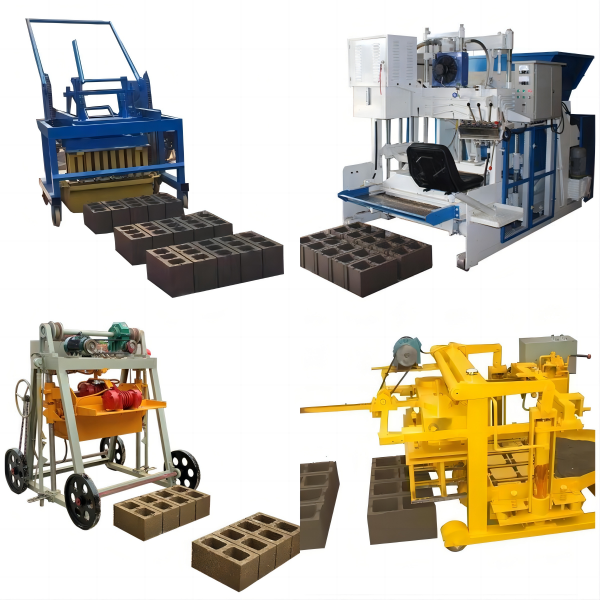
Many models can be fitted with different molds, allowing for the production of a diverse product range. This includes interlocking bricks that require no mortar, grass pavers for landscaping, and specialized blocks for sound barriers or retaining walls. This diversity allows your clients to cater to niche markets and increase their revenue streams.
Konklizyon
The mobile brick making machine is far more than a piece of construction equipment; it is a catalyst for a smarter, more efficient, and more profitable approach to building. It directly addresses the core pain points of cost, logistics, and time that plague the traditional construction industry. For distributors and dealers, this product represents a high-value proposition with a compelling story to tell. By offering this solution, you position your business not just as a supplier, but as a strategic partner enabling your clients’ success. You provide them with the tool to build their projects faster, cheaper, and more sustainably, thereby building a stronger, more resilient business for themselves and, by extension, for you. The future of decentralized, on-demand manufacturing in construction is here, and it is on wheels.
Kesyon yo poze souvan (FAQ)
Q1: What is the typical production output of a mobile brick making machine?
A: Output varies significantly by model and block size. A standard machine can produce between 1,000 to 5,000 standard solid bricks per 8-hour shift. Higher-end, fully automated models can exceed 10,000 units. It’s crucial to match the machine’s capacity with the client’s project requirements.
Q2: What kind of raw materials can it use?
A: These machines are highly versatile. They can effectively use soil/subsoil (with a certain clay content), sand, cement, fly ash, and crushed stone dust. The ideal mix proportion depends on the desired strength and local material availability. Most suppliers provide guidelines for mix design.
Q3: What level of skill is required to operate the machine?
A: Modern machines with PLC controls are designed for ease of use. Basic training is sufficient for routine operation, feeding, and daily maintenance. A more in-depth understanding is required for troubleshooting mechanical or hydraulic issues, which is why comprehensive training from the supplier is essential.
Q4: How does the quality of bricks produced on-site compare to those from a stationary plant?
A: The quality is comparable and often superior. The high-pressure hydraulic system ensures consistent density and strength. The key to quality lies in maintaining consistent raw material mix and proper curing procedures. On-site production allows for better quality control as the entire process is visible and manageable.
Q5: What are the power requirements?
A: Options include:
- Motè Dizèl: Offers complete independence and is ideal for remote sites.
- Electric Motor: More cost-effective and quieter but requires a generator or grid connection.
- Hybrid Systems: Provide the flexibility to switch between power sources based on availability.
Q6: What about after-sales service and spare parts availability?
A: This is a critical consideration. A reputable supplier should offer a robust after-sales service package, including comprehensive documentation, readily available spare parts (especially for wear items like molds and hydraulic seals), and access to technical support, potentially via remote diagnostics.
Q7: Is this technology suitable for very small businesses or start-ups?
A: Absolutely. The lower initial investment compared to a stationary plant, combined with the ability to start production with minimal infrastructure, makes it an excellent entry-point for entrepreneurs. They can begin by supplying a local community or small contractors and scale up as their business grows.
Q8: What is the typical return on investment (ROI) a client can expect?
A: ROI is highly dependent on local market conditions, brick pricing, and operational efficiency. However, by drastically cutting transportation and raw material costs, many businesses report a full return on their investment within 12 to 24 months of consistent operation.