소개
건설 산업은 효율성, 비용 절감, 현지화 생산에 대한 수요에 따라 패러다임 전환을 겪고 있습니다. 이러한 변화하는 환경에서 모바일 벽돌 제조 기계는 단순한 장비가 아닌 혁신적인 비즈니스 솔루션으로 부상하고 있습니다. 선도적인 유통업자와 딜러에게 이 기술을 이해하고 주도하는 것은 새로운 수익성 높은 시장 부문을 개척하는 핵심입니다. 생산을 단일 장소에 고정시키는 기존의 고정식 공장과 달리, 모바일 벽돌 제조 기계는 공장을 직접 원자재 출처나 건설 현장 중심부로 이동시킵니다.
모바일 벽돌 제작기의 운영 해부학
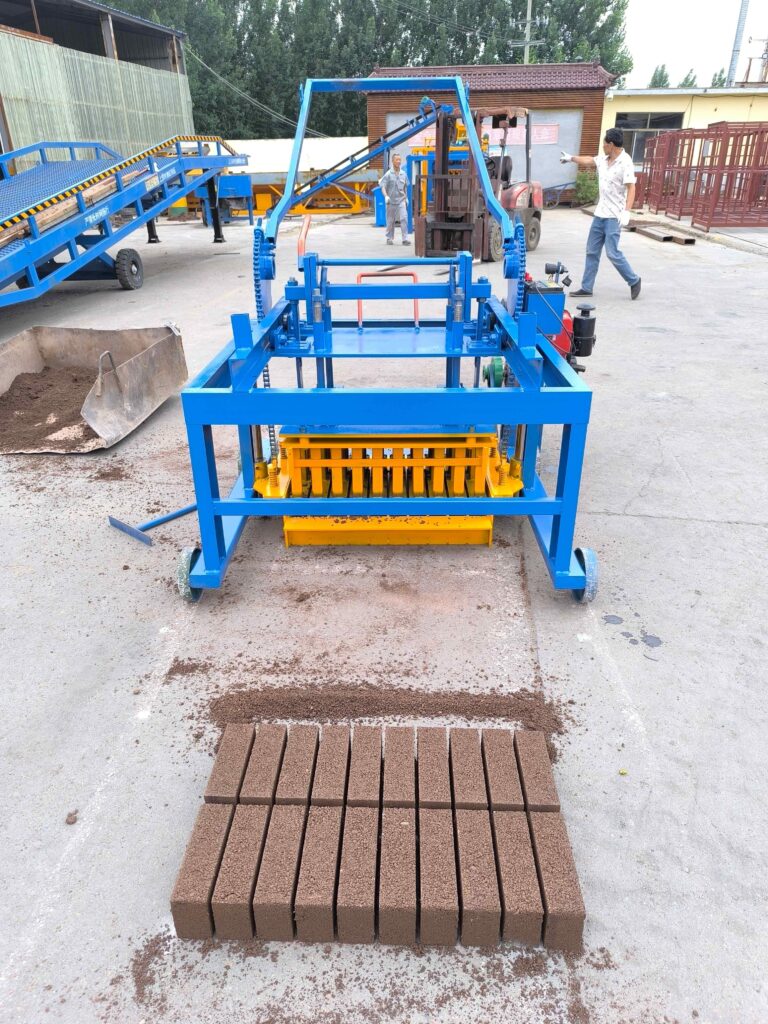
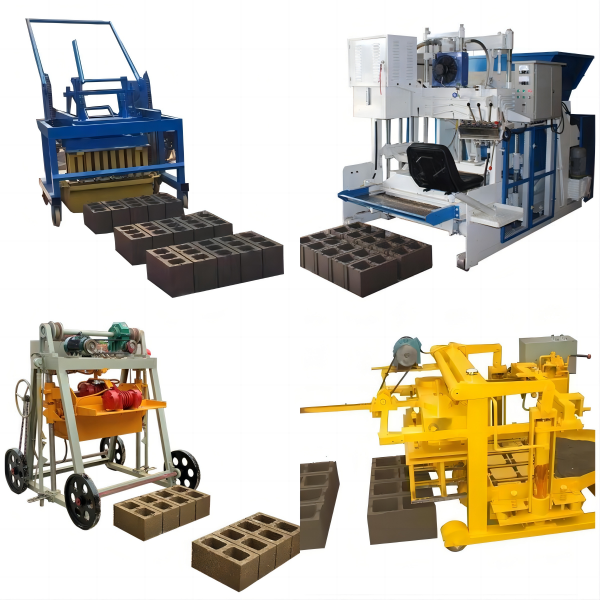
이 제품을 효과적으로 마케팅하려면 먼저 그 디자인과 기능에 대한 철저한 이해가 필요합니다. 모바일 벽돌 제조 기계는 견고한 트레일러 섀시에 장착된 통합형 독립 생산 장치로, 일반적으로 표준 트랙터나 트럭으로 견인할 수 있습니다.
핵심 구성 요소 및 통합
이 기계의 효율성은 핵심 부품들의 완벽한 통합에 달려 있습니다.
- 섀시 및 이동 시스템:이것이 기반입니다. 내구성 있는 트레일러 프레임과 신뢰할 수 있는 서스펜션, 제동 및 조명 시스템을 갖추고 있습니다. 많은 고급 모델에는 벽돌 생산 과정 동안 전체 장치를 안정화시키는 유압식 또는 기계식 아웃리거가 포함되어 있어 일관된 품질과 작업자 안전을 보장합니다.
- 파워 유닛:기계는 이동식이라는 특성에 맞게 자체 동력원을 탑재합니다. 이는 고효율 디젤 엔진, 지역 전력망이나 발전기에 연결 가능한 전기 모터, 또는 점차적으로 운용 유연성을 제공하는 하이브리드 시스템이 될 수 있습니다. 이러한 동력원 선택 덕분에 기계는 전력망이 연결되지 않은 외진 지역에서도 작동할 수 있어 중요한 판매 포인트가 됩니다.
- The Mixing and Feeding Hopper: This is where raw materials are introduced. The integrated pan mixer or compulsory mixer ensures a homogeneous blend of inputs like soil, cement, sand, and water. A conveyor belt or automated feeding system then transports the mixed material directly to the molding chamber, minimizing manual labor and material handling.
- The Molding and Compression System: The heart of the machine. Here, a high-pressure hydraulic system compacts the mixed material into a mold (die) to form the brick or block. The pressure, measured in tons or megaPascals (MPa), is a critical specification as it directly correlates to the final product’s density and compressive strength.
- 제어 시스템: Modern mobile machines are equipped with Programmable Logic Controller (PLC) systems. This interface allows the operator to set production parameters, monitor machine performance, and troubleshoot issues. This level of automation reduces the skill required for operation and ensures repeatable, high-quality output.
생산 워크플로우
The operational workflow is a continuous, streamlined cycle:
- Stage 1: Setup and Positioning. The machine is towed to the production site and stabilized using its outriggers.
- Stage 2: Material Loading. Locally sourced raw materials are loaded into the hopper, often using a small loader or excavator.
- Stage 3: Mixing and Conveying. The mixer combines the materials with water, and the conveyor feeds the homogenous mix to the compression chamber.
- Stage 4: Compression and Ejection. The hydraulic system compresses the mix, forming the brick. The newly formed, high-density brick is then ejected onto a pallet or a designated curing area.
- Stage 5: Curing. The bricks are stacked and left to cure naturally or under covers to gain strength over a few days. This entire process happens at the point of use.
The Compelling Business Case for Your Clients
For your clients—construction companies, entrepreneurs, and large-scale developers—the investment in a mobile brick making machine is a strategic decision with profound financial and operational benefits.
Radical Reduction in Logistics and Transportation Costs
This is the most potent argument. Traditional brick manufacturing involves a double transportation penalty: first, moving tons of raw material to a central plant, and second, distributing the finished bricks to various construction sites. A mobile unit eliminates over 70% of these costs. By processing raw materials found on or near the site, it transforms cost centers (transport) into negligible expenses. For large-scale infrastructure projects or housing developments spread over a wide area, the savings are astronomical.
Unprecedented Operational Flexibility and Project Scalability
A mobile machine provides unparalleled agility. A contractor can manage multiple, geographically dispersed projects with a single production asset. Upon completion at one site, the unit is simply hitched and moved to the next, creating a decentralized, just-in-time manufacturing model. This scalability allows businesses to start small and expand their production capacity by adding more mobile units as their project portfolio grows, without the capital commitment of building multiple fixed plants.
Leveraging Low-Cost and Sustainable Raw Materials
These machines are engineered to utilize a wide variety of raw materials, many of which are inexpensive or even free. Subsoil, laterite, sand, and certain types of industrial by-products like fly ash can be used as the primary input. This not only reduces material costs to a fraction but also positions the user as an environmentally conscious entity by repurposing waste and reducing the environmental degradation associated with clay mining.
Speed and Efficiency in Project Execution
Time is a critical resource in construction. With on-site production, the lead time for brick delivery is reduced from weeks to hours. There are no delays due to supplier backlog, transportation strikes, or logistical bottlenecks. The construction team has immediate access to the exact number of bricks needed, streamlining the workflow and significantly accelerating project timelines, which in turn improves cash flow and client satisfaction.
Empowering Local Entrepreneurship and Economic Development
Beyond large contractors, this technology is a powerful tool for local entrepreneurs. Individuals or cooperatives can invest in a mobile unit to serve their community, producing affordable, high-quality building materials for local housing and construction needs. This creates jobs, stimulates the local economy, and addresses housing deficits in a sustainable manner. For a distributor, this opens up a vast B2C and small-business market segment.
Diverse Applications and Market Opportunities
The versatility of the mobile brick making machine allows it to serve a wide spectrum of markets, which you can target strategically.
Residential and Commercial Construction
From single-family homes to large apartment complexes and commercial buildings, the demand for affordable bricks is constant. The ability to produce bricks on-site, tailored to the project’s specific architectural requirements (e.g., interlocking blocks for faster construction), is a massive advantage.
Large-Scale Infrastructure and Public Works
Government projects such as road construction, drainage systems, and public facilities require vast quantities of pavers, kerbstones, and hollow blocks. A mobile plant can be deployed along the route of a new highway or at the location of a new public building, producing materials as needed and drastically reducing the project’s budget.
Disaster Relief and Rapid Construction
In the aftermath of natural disasters, the need for rapid, low-cost reconstruction is critical. Mobile brick making machines can be rapidly deployed to disaster zones to produce building materials from locally available soil, enabling communities to rebuild their homes and infrastructure quickly and resiliently.
Specialized Brick Production
Many models can be fitted with different molds, allowing for the production of a diverse product range. This includes interlocking bricks that require no mortar, grass pavers for landscaping, and specialized blocks for sound barriers or retaining walls. This diversity allows your clients to cater to niche markets and increase their revenue streams.
결론
The mobile brick making machine is far more than a piece of construction equipment; it is a catalyst for a smarter, more efficient, and more profitable approach to building. It directly addresses the core pain points of cost, logistics, and time that plague the traditional construction industry. For distributors and dealers, this product represents a high-value proposition with a compelling story to tell. By offering this solution, you position your business not just as a supplier, but as a strategic partner enabling your clients’ success. You provide them with the tool to build their projects faster, cheaper, and more sustainably, thereby building a stronger, more resilient business for themselves and, by extension, for you. The future of decentralized, on-demand manufacturing in construction is here, and it is on wheels.
자주 묻는 질문 (FAQ)
Q1: What is the typical production output of a mobile brick making machine?
A: Output varies significantly by model and block size. A standard machine can produce between 1,000 to 5,000 standard solid bricks per 8-hour shift. Higher-end, fully automated models can exceed 10,000 units. It’s crucial to match the machine’s capacity with the client’s project requirements.
Q2: What kind of raw materials can it use?
A: These machines are highly versatile. They can effectively use soil/subsoil (with a certain clay content), sand, cement, fly ash, and crushed stone dust. The ideal mix proportion depends on the desired strength and local material availability. Most suppliers provide guidelines for mix design.
Q3: What level of skill is required to operate the machine?
A: Modern machines with PLC controls are designed for ease of use. Basic training is sufficient for routine operation, feeding, and daily maintenance. A more in-depth understanding is required for troubleshooting mechanical or hydraulic issues, which is why comprehensive training from the supplier is essential.
Q4: How does the quality of bricks produced on-site compare to those from a stationary plant?
A: The quality is comparable and often superior. The high-pressure hydraulic system ensures consistent density and strength. The key to quality lies in maintaining consistent raw material mix and proper curing procedures. On-site production allows for better quality control as the entire process is visible and manageable.
Q5: What are the power requirements?
A: Options include:
- 디젤 엔진: Offers complete independence and is ideal for remote sites.
- Electric Motor: More cost-effective and quieter but requires a generator or grid connection.
- Hybrid Systems: Provide the flexibility to switch between power sources based on availability.
Q6: What about after-sales service and spare parts availability?
A: This is a critical consideration. A reputable supplier should offer a robust after-sales service package, including comprehensive documentation, readily available spare parts (especially for wear items like molds and hydraulic seals), and access to technical support, potentially via remote diagnostics.
Q7: Is this technology suitable for very small businesses or start-ups?
A: Absolutely. The lower initial investment compared to a stationary plant, combined with the ability to start production with minimal infrastructure, makes it an excellent entry-point for entrepreneurs. They can begin by supplying a local community or small contractors and scale up as their business grows.
Q8: What is the typical return on investment (ROI) a client can expect?
A: ROI is highly dependent on local market conditions, brick pricing, and operational efficiency. However, by drastically cutting transportation and raw material costs, many businesses report a full return on their investment within 12 to 24 months of consistent operation.