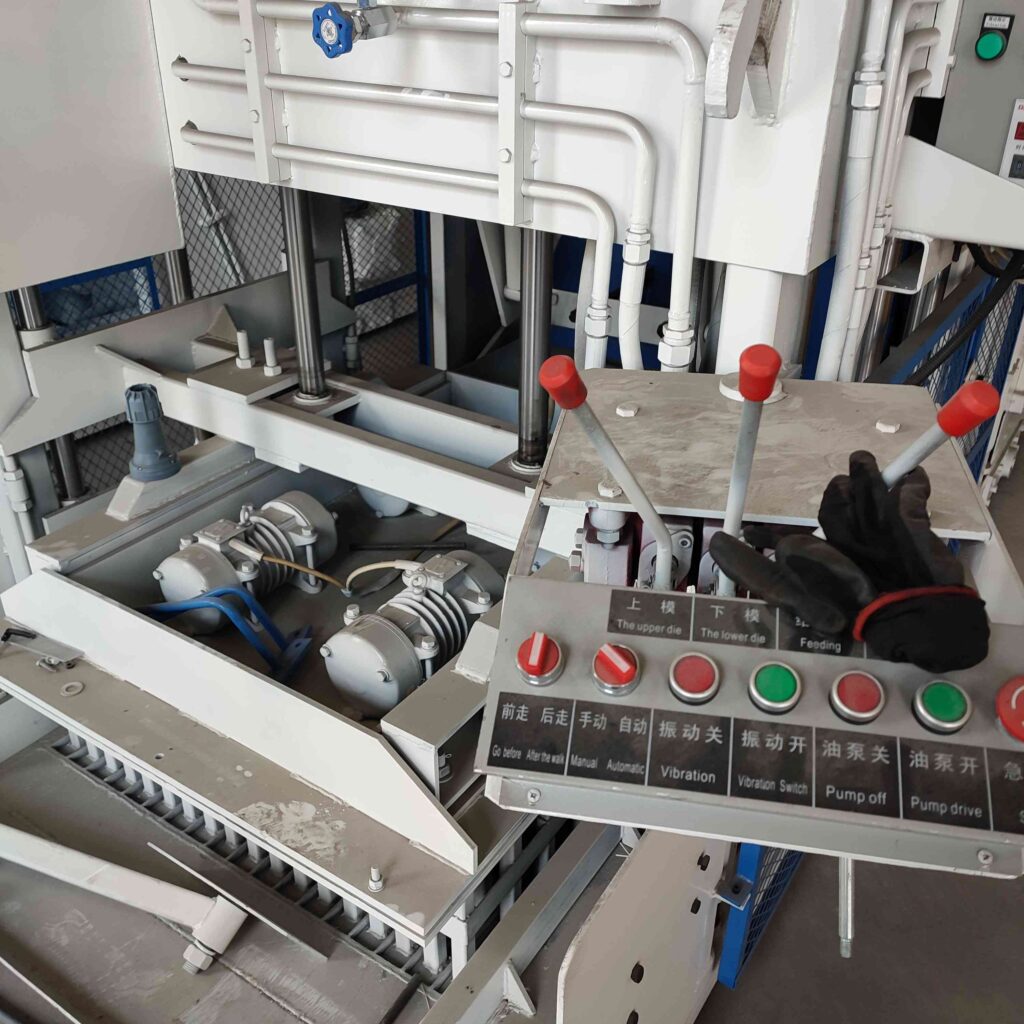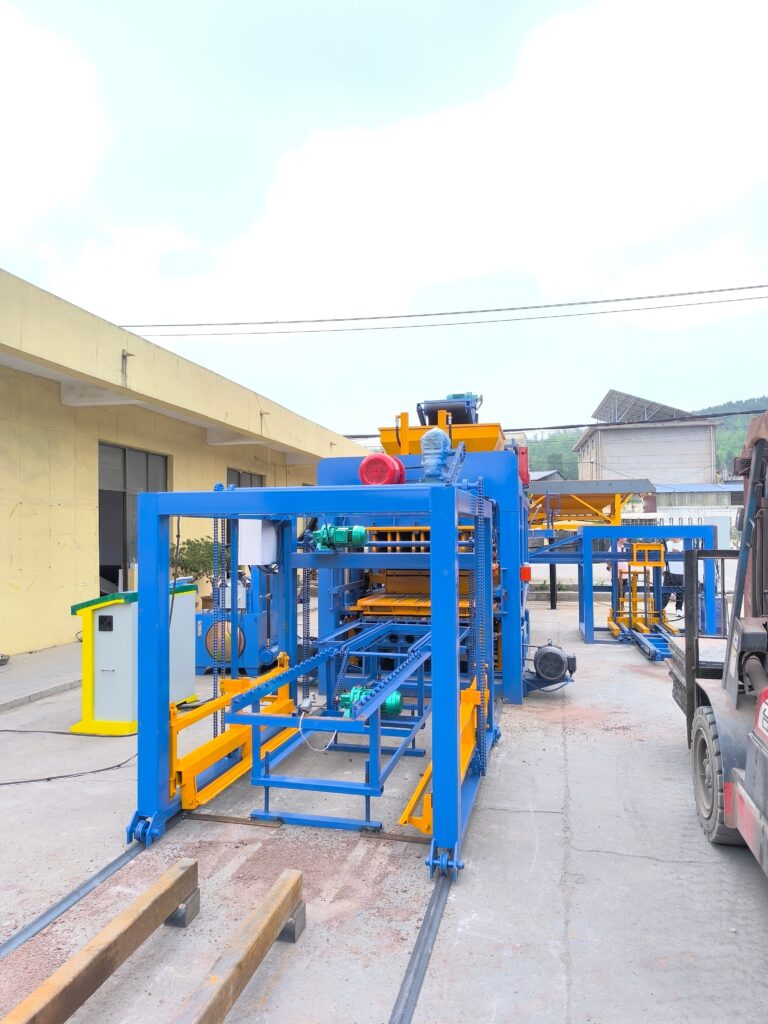
Pwoteje Byen Debaz Ou a – Enpòtans Estratejik Antretyen Machin
Yon Kad Proaktif pou Pèfòmans Machin Kontinyèl ak Kontinwite Biznis
Antretyen efikas se yon apwòch sistematik ki gen plizyè nivo, ki sanble ak presizyon pwosesis fabrikasyon an li menm. Li klase nan twa nivo kritik: Prevantif, Prediktif, ak Korektif, ak Prevantif ki se baz operasyon solid yo.
1. Poto Fondasyon an: Antretyen Prevantif (PM)
Sa a se swen an planifye ak regilye ki fèt pou anpeche pann anvan yo rive. Yon pwogram PM byen dokimante se mak yon faktori ki byen jere.
1.1. Tcheke Operasyon Chak Jou ak Netwayaj
- Objektif:Pou kaptire pwoblèm minè yo anvan yo vin pi grav epi pou asire pwèstans operasyonèl chak jou.
- Aksyon Kle yo:
- LubrikasyonVerifye epi ranpli pwen lubrification (nipple grès, nivo lwil) sou motè, bwat angrenaj, ak jwenti mobil selon espesifikasyon manifakti a. Sèvi ak bon kalite lubrifian an se yon bagay ki pa ka negosye.
- Enspeksyon vizyèl:Tcheke pou boulon ki lach, flit idwolik, senti ki chire, oswa koneksyon elektrik ki dekale. Enspekte entegrite revètman mwazi yo, vis ekstrizyon yo, ak platin presyon yo pou siy twòp mete oswa domaj.
- Netwayaj:Netwaye tout rezidi ajil, beton, oswa debri ki rete nan melanjè, Hopper, konveyè manje, ak zòn moule nan fen chak chanjman. Materyèl ki vin di ka afekte tolerans machin nan epi aji tankou yon abrazif.
- Sensor Verification: Ensuring all limit switches, proximity sensors, and pressure gauges are clean, unobstructed, and functioning correctly.
1.2. Weekly and Monthly Planned Servicing
- Objektif: To perform more in-depth inspections and component adjustments.
- Aksyon Kle yo:
- Sistèm Idwolik: Checking hydraulic fluid levels and condition for contamination. Inspecting hoses and fittings for wear. Monitoring system pressure against benchmarks.
- Sistèm Elektrik: Tightening electrical connections in control panels, inspecting for overheating, and checking the performance of motor starters and variable frequency drives (VFDs).
- Mechanical Components: Measuring wear on key components like extruder auger flights, press guide columns, and vibrator bearings. Adjusting chain tensions and aligning conveyors.
- Mold and Die Care: For concrete block machines, a thorough cleaning and inspection of mold boxes, cores, and pallets for wear, ensuring they are within dimensional tolerance.
1.3. Quarterly and Annual Overhaul
- Objektif: Major system evaluation, part replacement, and re-calibration.
- Aksyon Kle yo:
- Fluid Replacement: Draining and replacing hydraulic oil and gearbox lubricants.
- Component Rebuild/Replacement: Proactively replacing high-wear parts such as seals, gaskets, wear plates, and mixing blades based on operating hours, not failure.
- System Calibration: Recalibrating pressure sensors, weighing systems, and programmable logic controller (PLC) parameters to restore original precision.
- Structural Inspection: Checking the machine frame and base for integrity and alignment.
2. The Advanced Frontier: Predictive Maintenance (PdM)
This leverages technology to monitor machine condition in real-time, predicting failures based on trends.
- Vibration Analysis: Using sensors to monitor the vibration signature of motors, pumps, and rotating assemblies. Changes in vibration can indicate bearing wear, imbalance, or misalignment long before catastrophic failure.
- Thermal Imaging: Infrared cameras can identify abnormal heat build-up in electrical panels, motor windings, or hydraulic components, signaling overload or impending failure.
- Oil Analysis: Periodic sampling and laboratory analysis of hydraulic oil can reveal the presence of wear metals, water contamination, or degraded additives, providing a diagnostic window into the health of the entire hydraulic system.
3. The Necessary Response: Corrective Maintenance
Despite best efforts, breakdowns occur. The goal of a strong PM/PdM program is to minimize their frequency and severity.
- Critical Elements:
- Root Cause Analysis (RCA): When a failure happens, it is imperative to determine the root cause (e.g., a bearing failed due to improper lubrication, not just “the bearing broke”). RCA prevents recurrence.
- Spare Parts Inventory Management: Maintaining a strategic inventory of critical, high-wear spare parts (specific seals, sensors, hydraulic hoses) minimizes downtime. Parts are categorized by criticality and lead time.
- Documentation: Every corrective action, including parts replaced and time taken, must be logged. This builds a valuable history for the machine.
4. The Human Factor: Training and Documentation
The most sophisticated program is useless without skilled personnel.
- Operator Training: Machine operators must be trained to perform daily checks, recognize abnormal sounds or behaviors, and understand basic fault codes. They are the first line of defense.
- Maintenance Technician Expertise: Investing in certified training for in-house technicians on hydraulics, PLCs, and mechanical systems is crucial. They should have deep access to OEM technical manuals and wiring diagrams.
- The Maintenance Log: A centralized, digital log for all PM activities, PdM data, and corrective repairs is essential. It facilitates scheduling, tracks part lifecycles, and provides data for continuous improvement.
5. The Commercial Impact of Neglect: A Risk Analysis
Understanding the inverse—the cost of poor maintenance—highlights its strategic value.
- Tan Mouri Enprevwa: A single day of lost production on a high-output line can represent a six-figure loss in revenue and breach of delivery contracts.
- Increased Scrap and Quality Variability: Worn molds produce out-of-tolerance bricks. Uncalibrated systems lead to inconsistent mixes. This results in product rejection, wasted raw materials, and damage to brand reputation.
- Echèk Katastwòf: The cascading failure of a key component due to neglect (e.g., a seized gearbox destroying a drive shaft) can lead to repair costs and downtime an order of magnitude greater than the cost of preventative care.
- Higher Long-Term Costs: Reactive maintenance is always more expensive than proactive maintenance, with emergency part shipping, overtime labor, and lost production.
Conclusion: Maintenance as a Strategic Profit Center
For the commercial stakeholder in brick manufacturing, whether as a direct operator or a critical distribution partner, the maintenance philosophy of a supplier is a key due diligence metric. A well-maintained machine is not just reliable; it is the guarantor of:
- Fyabilite Chèn Ekipman: Ensuring your inventory pipelines and client commitments are met without disruption.
- Konsistans Pwodwi: Delivering the dimensional and performance uniformity that your contractor clients depend on for efficient construction.
- Total Cost Management: Converting the unpredictable, high costs of breakdowns into predictable, budgeted maintenance expenses.
- Asset Valuation: Preserving the resale value and extending the productive lifespan of major capital equipment.
When evaluating a manufacturing partner, do not just tour the production floor. Ask to review their Computerized Maintenance Management System (CMMS) records, their spare parts inventory logs, and their training certifications for technical staff. A supplier who can demonstrate a mature, data-driven maintenance culture is a supplier who mitigates your risk and protects your mutual business interests.
Ultimately, a disciplined maintenance program transforms a cost center into a profit-protection center. It is the unsung hero of operational excellence, ensuring that the machinery which forms the foundation of your business continues to build value, reliably and consistently, for years to come.
FAQ
Q1: How much of the machine’s original cost should be budgeted annually for maintenance?
A: A common industry benchmark is to allocate 3% to 5% of the original equipment purchase price per year for a comprehensive preventative maintenance program, including spare parts and labor. This is a strategic investment. For a $500,000 machine, this means a $15,000-$25,000 annual budget, which is vastly less than the cost of a single major breakdown that halts production for a week.
Q2: Is it better to have in-house maintenance technicians or rely on external service contracts?
A: The most robust model is a hybrid approach. Employ skilled in-house technicians for daily, weekly, and monthly PM tasks, minor repairs, and immediate response. Then, secure an annual service contract with the OEM or a highly specialized third-party service provider for the annual overhaul, complex system diagnostics, and major component rebuilds. This balances cost control with access to expert knowledge.
Q3: What are the most commonly overlooked maintenance items that cause major problems?
A: Three critical items are often underestimated:
1. Proper Lubrication: Not just adding grease, but using the correct type, in the correct amount, at the correct interval. Over-greasing can be as harmful as under-greasing.
2. Electrical Connection Tightness: Vibration can loosen electrical connections over time, leading to arcing, overheating, and motor failure. Annual thermographic inspection and re-torquing are essential.
3. Pallet and Conveyor Alignment (for block machines): Misaligned pallets or conveyors cause immense stress on the mold and press head, leading to premature wear and cracking of these very expensive components.
Q4: How can we measure the effectiveness of our maintenance program?
A: Track Key Performance Indicators (KPIs):
* Overall Equipment Effectiveness (OEE): This combines availability, performance, and quality rates. Aim for an OEE above 85%.
* Mean Time Between Failures (MTBF): This should increase over time as your PM program improves.
* Tan Mwayen Pou Reparasyon (MTTR): This should decrease with good training, documentation, and spare parts management.
* Planned vs. Unplanned Downtime Ratio: A strong program will see over 90% of downtime scheduled and planned.
Q5: Our machine is old but still running. Is a comprehensive maintenance program still worthwhile?
A: Absolutely, it is even more critical. Older machines have more wear and are more susceptible to breakdown. A rigorous PM and PdM program for an older machine is essential to extend its remaining service life, manage its reliability predictably, and justify the timing of its eventual replacement with clear operational data. Neglecting an old machine accelerates its decline and leads to unmanageable operational risk.