1. Entwodiksyon
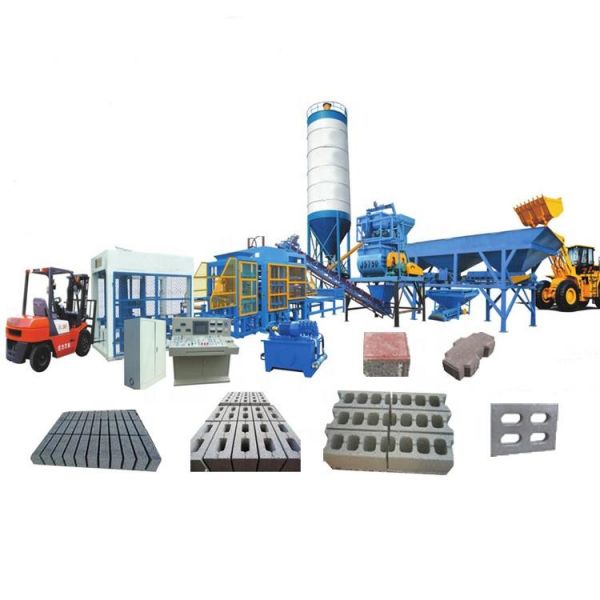
Nan peyizaj dinamik endistri ekipman konstriksyon mondyal la, machin pou fè brik ki disponib pou vann reprezante yon envestisman ak yon opòtinite biznis ki gen gwo potansyèl pou distribitè yo, an gwo ak achtè yo tou. Kòm ibanizasyon an akselere, pwojè enfrastrikti yo elaji, ak demann pou materyèl konstriksyon dirab yo ogmante, mache a pou ekipman pwodiksyon brik ki serye, efikas ak ki gen pri abòdab ap kontinye pwospere.
2. Segmantasyon Mache ak Alinye Kliyan Sib
2.1 Konprann Kouch Mache pou Machin Fabrikasyon Bri
Mache a pou machin pou fè brik pou vann pa inifòm—divès segman kliyan gen bezwen diferan, kontrent sou bidjè, ak egzijans operasyonèl diferan. Distribitè yo ak an gwo dwe segman mache a efektivman pou matche kalite machin ki apwopriye yo ak kliyan ki apwopriye yo, pou maksimize potansyèl lavant yo ak satisfaksyon kliyan yo. Segman kle nan mache a enkli:
- Ti Antreprenè yo ak Moun ki Fè Brik nan Zòn Riral yoSegman sa a bay priyorite a abòdabilite, senplisite, ak depans operasyonèl ki ba. Kliyan nan kategori sa a tipikman opere ti brikri oswa sèvi bezwen konstriksyon lokal rural yo (pa egzanp, lojman nan vilaj, pave wout rural). Yo bezwen machin konpak, fasil pou opere, ki konsome minimòm enèji epi ki pa mande enstalasyon konplèks. Machin pou fè brik ki vize segman sa a ta dwe manyèl oswa semi-otomatik, ak kapasite pwodiksyon soti nan 1,000 a 5,000 brik pa jou. Pwen pri a se yon faktè kritik isit la, paske kliyan sa yo gen kapasite envestisman kapital limite.
- Antrepriz Konstriksyon Mwayen ak Founisè Rejyonal BriKliyan sa yo balanse pri ak efikasite, yo sèvi ak pwojè konstriksyon rejyonal yo (pa egzanp, devlopman lojman nan zòn banlye, ti pwojè minisipal yo). Yo bezwen machin semi-otomatik oswa nivo antre otomatik ki gen kapasite pwodiksyon ant 5,000 ak 20,000 brik pa jou. Priyorite kle yo enkli adaptabilite (kapasite pou pwodwi plizyè kalite brik), fyab, ak bezwen antretyen modere. Distribitè yo ka fè diferans lè yo ofri machin ki gen moul entèchanjab ak disponiblite pyès de ranplasman lokal yo.
- Manifaktirè brik gwo echèl ak Kontraktè Enfrastrikti NasyonalSegman sa a ki gen anpil valè mande pou machin ki gen gwo kapasite, konplètman otomatik, ak kapasite pwodiksyon ki depase 20,000 brik pa jou. Kliyan yo isit la opere atelye brik endistriyèl oswa yo founi brik pou gwo pwojè (pa egzanp, otowout, ayewopò, redevlopman iben). Priyorite yo enkli vitès, presizyon, otomatizasyon, ak konfòmite ak estanda entènasyonal kalite. Machin pou fè brik ki vann nan kategori sa a dwe genyen sistèm idwolik avanse, panno kontòl entelijan, ak entegrasyon ak liy pwodiksyon konplè (dosaj, trete, anpile).
2.2 Adaptasyon Rejyonal nan Mache pou Komès Global
Machin pou fè brik pou vann yo dwe adapte ak kondisyon rejyonal yo pou yo reyisi nan mache entènasyonal yo. Distribitè ak an gwo ki ap opere globalman ta dwe konsidere faktè rejyonal sa yo lè y ap chache oswa pwomote machin yo:
- Disponibilite Matye PremyeDiferan rejyon gen aksè varye nan materyo prensipal (pa egzanp, ajil nan Sid Azi, sann vole nan Lachin, dechè konstriksyon an Ewòp). Machin yo ta dwe konpatib ak materyo ki abondan lokalman pou redwi depans kliyan yo. Pa egzanp, nan Afrik, kote ajil lajman disponib, machin pou fè brik ajil yo an gwo demann, pandan ke nan Ewòp, machin ki trete dechè konstriksyon resikle yo aliyen ak règleman anviwònman strik.
- Power Infrastructure: Regions with unstable power supply (e.g., parts of Southeast Asia, Africa) require machines with dual power options (electric + diesel) or low power consumption. Manual or semi-automatic machines are more suitable for remote areas with no electricity access.
- Construction Standards: Brick sizes and strength requirements vary by country (e.g., US standard bricks: 203×92×57mm; European standard: 240×115×71mm). Machines for sale should offer customizable mold sizes to meet local building codes.
- Cultural and Operational Preferences: In some regions, clients prefer mobile machines that can be transported to construction sites (e.g., rural Latin America), while in others, stationary industrial machines are preferred (e.g., China, India). Understanding these preferences helps distributors tailor their product offerings.
2.3 Aligning Product Features with Client Pain Points
Successful sales of brick making machines depend on addressing specific client pain points. Distributors and wholesalers should highlight how their machines solve common challenges faced by purchasers:
- Labor Shortages: Many regions (e.g., Europe, North America) face labor shortages in the construction sector. Automatic and semi-automatic machines reduce reliance on manual labor, a key selling point for clients struggling to hire workers.
- Environmental Compliance: Governments worldwide are imposing stricter environmental regulations (e.g., bans on clay brick sintering, carbon emission limits). Machines that use recycled materials, reduce energy consumption, or eliminate harmful emissions (e.g., 免烧 brick making machines) are highly attractive to clients seeking compliance.
- Cost Volatility: Fluctuations in raw material and energy prices impact brick production costs. Machines that minimize material waste (via precise mixing and molding) or reduce energy consumption help clients stabilize costs.
- Production Flexibility: Clients often need to switch between brick types (solid, hollow, interlocking) to meet diverse project demands. Machines with quick-change molds and adjustable settings offer the flexibility clients need to stay competitive.
3. Product Differentiation: Key Features to Highlight
3.1 Technological Advancements for Competitive Edge
Brick making machines for sale with advanced technologies stand out in a crowded market. Distributors should emphasize these features to differentiate their offerings and justify premium pricing:
- Intelligent Control Systems: Modern machines equipped with PLC (Programmable Logic Controller) panels allow clients to monitor and adjust production parameters (speed, pressure, material flow) in real-time. Some advanced models feature touchscreen interfaces and remote monitoring via mobile apps, enabling clients to manage operations from anywhere. This reduces human error, improves consistency, and simplifies troubleshooting.
- Energy-Efficient Designs: Energy costs are a major operational expense for brick manufacturers. Machines with energy-saving motors, variable frequency drives (VFD), and optimized hydraulic systems reduce power consumption by 20-30% compared to traditional models. Solar-powered auxiliary systems (e.g., for curing) are an innovative feature for regions with abundant sunlight.
- High-Precision Compaction: Hydraulic compaction systems with adjustable pressure (15-35 MPa) ensure brick blanks are dense and strong. Machines with multi-point pressure distribution produce bricks with uniform strength, reducing rejection rates. This is critical for clients supplying high-strength bricks for load-bearing structures.
- Durable and Wear-Resistant Components: The lifespan of a brick making machine depends on the quality of its components. Machines with frames made of high-grade steel, wear-resistant molds (chrome-plated or carbide-tipped), and sealed bearings require less maintenance and last longer. Distributors should highlight the material quality and warranty periods for key components.
3.2 Versatility and Customization Options
Clients value brick making machines that offer versatility and customization to meet diverse project needs. Distributors should promote the following flexibility features:
- Interchangeable Molds: Machines that support multiple mold sizes and types (solid, hollow, interlocking, colored) allow clients to expand their product range without investing in new equipment. Custom mold design services (e.g., for unique brick patterns or sizes) are a valuable add-on for high-end clients.
- Multi-Material Compatibility: Machines that process a wide range of raw materials (clay, concrete, fly ash, lime, recycled waste) give clients the flexibility to use locally available materials, reducing costs. For example, a machine that can produce both clay bricks and concrete blocks is more appealing to clients operating in regions with mixed raw material access.
- Scalable Production Capacity: Some machines offer modular designs that allow clients to upgrade components (e.g., add a second feeding unit, increase hydraulic pressure) to boost production capacity as their business grows. This scalability is a key selling point for small and medium-sized clients looking to expand.
3.3 Safety and Ergonomic Features
Workplace safety is a top priority for clients, especially in regions with strict labor regulations. Brick making machines for sale should include the following safety features, which distributors should emphasize:
- Safety Guards and Sensors: Machines should be equipped with safety guards for moving parts (e.g., conveyor belts, compaction plates) and emergency stop buttons. Proximity sensors prevent operation when operators are in dangerous zones, reducing accident risks.
- Ergonomic Design: For semi-automatic and manual machines, ergonomic features (e.g., adjustable height, easy-to-reach controls, low vibration) improve operator comfort and reduce fatigue. This is particularly important for clients with long production hours.
- Compliance with Safety Standards: Machines should meet international safety standards (e.g., CE in Europe, ISO in global markets) to ensure clients avoid legal liabilities. Distributors should provide certification documents to reassure purchasers of compliance.
4. Investment Viability and ROI Analysis
4.1 Cost Structure for Brick Making Machines
Purchasers evaluating brick making machines for sale need a clear understanding of the total cost of ownership (TCO), not just the initial purchase price. Distributors should provide transparent cost breakdowns to help clients make informed investment decisions:
- Initial Purchase Cost: Varies by machine type (manual: $1,000-$5,000; semi-automatic: $5,000-$50,000; automatic: $50,000-$500,000+). Factors influencing price include output capacity, technology level, and customization.
- Installation and Setup Costs: Manual machines require minimal setup ($500-$1,000), while automatic machines may need foundation construction, electrical wiring, and integration with auxiliary equipment ($5,000-$50,000).
- Operational Costs: Include raw materials, energy, labor, and maintenance. Automatic machines have higher energy costs but lower labor costs, while manual machines have the opposite. On average, operational costs account for 60-70% of TCO over the machine’s lifespan.
- Maintenance and Spare Parts Costs: Routine maintenance (lubrication, cleaning) costs $500-$2,000 per year. Spare parts (molds, bearings, hydraulic components) may cost $1,000-$10,000 per year, depending on machine usage and quality.
4.2 ROI Calculation for Purchasers
Distributors can help purchasers assess the return on investment (ROI) of brick making machines for sale by providing a simple ROI calculation framework:
ROI = (Annual Profit – Annual Operational Costs) / Total Investment × 100%
Key variables to consider:
- Annual Production Capacity: Based on machine output (e.g., 10,000 bricks/day × 300 working days = 3,000,000 bricks/year).
- Brick Selling Price: Varies by region and brick type (e.g., $0.10-$0.50 per standard brick).
- Raw Material Cost: Typically 30-40% of the brick selling price (e.g., $0.03-$0.20 per brick).
- Labor Cost: 1-2 operators for semi-automatic machines ($20,000-$40,000/year), 3-5 operators for automatic lines ($60,000-$100,000/year).
- Energy Cost: $0.10-$0.20 per kWh × machine power consumption (e.g., 10kW × 8 hours/day × 300 days = 24,000 kWh/year × $0.15 = $3,600/year).
Example ROI Calculation for a Semi-Automatic Machine:
- Total Investment: $30,000 (machine + installation)
- Annual Production: 1,500,000 standard bricks
- Selling Price: $0.20/brick → Annual Revenue: $300,000
- Raw Material Cost: $0.06/brick → $90,000/year
- Labor Cost: $30,000/year (2 operators)
- Energy Cost: $4,000/year
- Maintenance Cost: $2,000/year
- Annual Profit: $300,000 – ($90,000 + $30,000 + $4,000 + $2,000) = $174,000
- ROI: ($174,000 – $36,000) / $30,000 × 100% = 460% → Payback Period: ~8 months
This example shows the attractive ROI potential of brick making machines, especially for semi-automatic and automatic models. Distributors should tailor these calculations to regional market conditions (e.g., local labor and material costs) to provide realistic projections for purchasers.
4.3 Risk Mitigation for Investors
Purchasing a brick making machine is a significant investment, and clients want to mitigate risks. Distributors can address risk concerns by offering the following:
- Warranty and After-Sales Support: A comprehensive warranty (1-2 years for machine components, 6 months for wear parts) gives clients peace of mind. Extended warranty options and 24/7 technical support (via phone, email, or video call) reduce downtime risks.
- Training Services: Proper operator training reduces the risk of machine damage and accidents. Distributors should offer on-site or online training programs covering machine operation, maintenance, and troubleshooting.
- Spare Parts Availability: Ensuring quick access to spare parts (local warehouses or fast shipping) minimizes production downtime. Distributors can establish spare parts supply chains in key markets to meet client needs.
- Financing Options: For high-cost automatic machines, offering financing or lease-to-own options reduces the upfront investment burden for clients. Partnering with financial institutions to provide low-interest loans can expand the customer base.
5. Sourcing and Supply Chain Considerations for Distributors
5.1 Selecting Reliable Manufacturers
Distributors and wholesalers selling brick making machines for sale must partner with reliable manufacturers to ensure product quality and timely delivery. Key factors to evaluate when selecting a manufacturer:
- Production Experience: Manufacturers with 5+ years of experience in brick making machine production have a proven track record of quality and reliability. Avoid new manufacturers with no industry reputation.
- Quality Control Processes: Manufacturers should have strict quality control systems (e.g., ISO certification) to ensure each machine meets performance standards. Ask for product test reports and client references.
- Customization Capabilities: Manufacturers that offer custom mold designs, power options, and machine modifications can help distributors meet regional market needs.
- Production Capacity and Lead Time: Ensure the manufacturer can meet your order volume and deliver machines within the promised lead time (typically 2-8 weeks for standard models, 8-16 weeks for custom models).
- After-Sales Support: Manufacturers should provide technical support, training materials, and spare parts to distributors. A dedicated after-sales team ensures quick resolution of client issues.
5.2 Logistics and Shipping for Global Distribution
Distributors operating globally face logistical challenges when shipping brick making machines. Key considerations for smooth supply chain management:
- Packaging: Machines should be packaged in sturdy wooden crates with foam padding to protect against damage during shipping. Labeling should include handling instructions, weight, and dimensions.
- Shipping Methods: For small machines (manual, semi-automatic), sea or air freight is suitable. For large automatic machines, sea freight (container shipping) is more cost-effective. Work with freight forwarders specializing in heavy machinery to ensure timely delivery.
- Customs Compliance: Familiarize yourself with import regulations in target markets (e.g., customs duties, certification requirements). Provide clients with all necessary documents (commercial invoice, packing list, certification reports) to avoid delays.
- Local Assembly and Installation: For complex automatic machines, offer local assembly and installation services to reduce client effort. Partner with local technicians or train your team to provide on-site support.
5.3 Building Long-Term Client Relationships
Repeat business and referrals are critical for distributors selling brick making machines. To build long-term client relationships:
- Regular Follow-Ups: After sale, follow up with clients to ensure the machine is operating properly. Address any issues promptly to maintain satisfaction.
- Provide Maintenance Reminders: Send clients regular reminders for routine maintenance (e.g., lubrication, mold inspection) to extend machine lifespan.
- Share Market Insights: Keep clients informed about industry trends (e.g., new brick types, environmental regulations) and offer upgrades or accessories to help them stay competitive.
- Loyalty Programs: Offer discounts on spare parts, maintenance services, or future machine purchases to repeat clients.
6. Conclusion
Brick making machines for sale present a lucrative business opportunity for distributors, wholesalers, and purchasers in the global construction equipment market. By understanding market segmentation, aligning product features with client needs, and emphasizing investment viability, B2B stakeholders can capitalize on the growing demand for efficient, sustainable brick production equipment. Distributors and wholesalers should focus on product differentiation through advanced technologies, versatility, and safety features, while adapting offerings to regional market conditions. Purchasers, on the other hand, should evaluate machines based on total cost of ownership, ROI potential, and after-sales support to ensure a successful investment.
The key to success in this market lies in building trust—distributors must partner with reliable manufacturers, provide transparent information to clients, and offer exceptional after-sales support. Purchasers should prioritize quality and reliability over price, as a high-quality machine will deliver better long-term value. As the construction industry continues to evolve towards sustainability and automation, brick making machines that incorporate these trends will remain in high demand. By staying informed about market developments and client needs, B2B stakeholders can thrive in the competitive brick making machine market and build sustainable, profitable businesses.
7. FAQ (Frequently Asked Questions)
7.1 What is the minimum investment required to start a brick making business with a machine?
The minimum investment depends on the machine type:
- Manual brick making machine: $1,000-$5,000 (includes machine, raw materials, and basic tools).
- Semi-automatic machine: $5,000-$30,000 (machine + installation + initial raw materials).
- Automatic machine: $50,000-$200,000 (machine + production line setup + warehouse space).Additional costs include labor, transportation, and marketing, which vary by region.
7.2 How long does it take to learn to operate a brick making machine?
- Manual machines: 1-2 days of training (simple operation, no technical skills required).
- Semi-automatic machines: 3-5 days (basic understanding of control panels and mold changes).
- Automatic machines: 1-2 weeks (training on PLC systems, production line integration, and troubleshooting).Distributors typically provide training materials and on-site support to help clients master operation quickly.
7.3 Can brick making machines produce bricks using 100% recycled materials?
Most machines can process recycled materials (e.g., construction waste, fly ash, coal gangue) as a percentage of the raw material mix (30-70%). However, 100% recycled materials may not provide sufficient strength for load-bearing bricks. The exact ratio depends on the material type and machine compaction pressure. Distributors can advise clients on optimal material mixes based on local recycling resources.
7.4 What is the average lifespan of a brick making machine?
- Manual machines: 5-8 years (with regular maintenance).
- Semi-automatic machines: 8-12 years (depending on component quality).
- Automatic machines: 12-15 years (advanced components and modular design extend lifespan).Lifespan can be extended by following maintenance schedules, replacing wear parts promptly, and using high-quality raw materials.
7.5 Do brick making machines require special permits or certifications to sell or operate?
Certification requirements vary by region:
- Europe: CE certification (safety and environmental compliance).
- North America: ISO certification and compliance with OSHA safety standards.
- Asia: Local quality certifications (e.g., China’s CCC, India’s BIS).Operational permits may be required for brick making businesses (e.g., environmental permits, business licenses), but machines themselves typically do not require separate permits. Distributors should ensure machines meet regional certification standards to avoid legal issues.
7.6 How often do molds need to be replaced?
Mold replacement frequency depends on usage and material type:
- Standard molds (steel): 1-2 years for high-volume production (10,000+ bricks/day).
- Wear-resistant molds (chrome-plated): 2-3 years.
- Molds for abrasive materials (e.g., concrete with gravel): 6-12 months.Distributors should offer replacement molds at competitive prices and advise clients on mold maintenance (cleaning, lubrication) to extend their lifespan.
7.7 Can brick making machines be used in cold or hot climates?
Yes, but machines may require adjustments for extreme climates:
- Cold climates: Insulate hydraulic systems to prevent oil freezing; use heated curing areas for brick blanks.
- Hot climates: Ensure proper ventilation for electrical components; use heat-resistant lubricants to prevent breakdowns.Some manufacturers offer climate-adapted machines with features like temperature control systems for harsh environments.
7.8 What after-sales services should distributors provide for brick making machines?
Essential after-sales services include:
- 1-2 year warranty on machine components (excluding wear parts).
- 24/7 technical support via phone, email, or video call.
- On-site maintenance and repair services (within 48-72 hours for urgent issues).
- Spare parts supply (local warehouses or fast shipping).
- Operator training (on-site or online).
- Extended warranty options for additional peace of mind.Offering comprehensive after-sales services helps distributors differentiate themselves and build long-term client loyalty.