
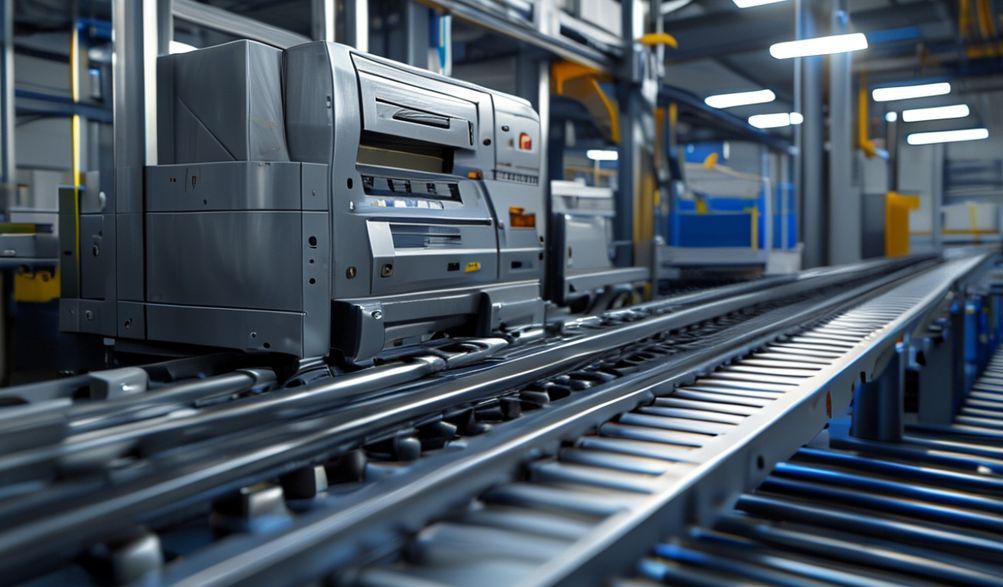
Memahami Biaya Mesin Bata Blok: Panduan Investasi Lengkap dari Pabrik FUDA
Setiap pengusaha konstruksi, kontraktor, atau pemilik bisnis yang ingin memasuki industri pembuatan blok pasti akan mengajukan satu pertanyaan krusial:"Apa biaya sebenarnya dari mesin bata blok?"
Jika Anda telah mencari secara daring, Anda mungkin menemukan beragam label harga yang membingungkan—dari yang murah mencurigakan hingga yang mahal tak terjangkau. Kebingungan ini sering kali mengarah pada kesalahan kritis: memandang pembelian ini sebagai transaksi sederhana berdasarkan harga awal. Pada kenyataannya, biaya mesin pembuat bata adalah investasi multidimensi untuk produktivitas masa depan bisnis Anda, kualitas produk, dan profitabilitas jangka panjang.
Dengan lebih dari dua dekade pengalaman langsungpengalamanDalam merancang, memproduksi, dan mendukung mesin produksi blok di enam benua, Pabrik Pembuat Blok FUDA mendekati pertanyaan ini dengan cara yang berbeda. Kami bukan sekadar penjual; kami adalah mitra industri. Keahlian kami dibangun di atas fondasi ribuan instalasi yang sukses, mulai dari usaha kecil pedesaan hingga pabrik konstruksi perkotaan berskala besar.
Panduan komprehensif ini bertujuan untuk menembus kebisingan informasi. Kami akan menyajikan wawasan transparan berbasis keahlian yang memberdayakan Anda untuk mengambil keputusan yang tepat secara finansial dan teknis. Kami akan melampaui daftar harga dasar daring untuk mengeksplorasi total biaya kepemilikan, variabel tersembunyi yang memengaruhi laba Anda, serta mengapa kualitas mesin dan produsennya menjadi penentu nilai yang paling utama.
Mari kita mulai dengan mengungkap faktor-faktor yang membentuk harga yang Anda lihat pada sebuah penawaran.
Faktor-Faktor Inti yang Menentukan Harga Mesin Pembuat Blok Anda
Perbedaan harga antara dua mesin yang tampak serupa bisa sangat besar. Memahami "mengapa" di baliknya memerlukan penyelaman mendalam ke dalam variabel teknis dan komersial yang berperan. Berikut adalah faktor-faktor inti yang menentukan investasi Anda.
Jenis Mesin & Tingkat Otomasi
Ini adalah pendorong biaya yang paling signifikan. Rentang spektrumnya mulai dari unit dasar yang padat karya hingga lini produksi yang sepenuhnya cerdas.
- Mesin Blok Manual:Ini adalah titik masuk paling ekonomis. Mereka memerlukan tenaga kerja manual yang signifikan untuk pencampuran, pengisian, dan pengangkatan blok. Ideal untuk proyek skala sangat kecil berbasis komunitas dengan kebutuhan output rendah. Biayanya rendah, tetapi kapasitas produksi dan biaya tenaga kerja per blok tinggi.
- Mesin Blok Semi-Otomatis:Sebuah jalan tengah yang populer. Proses pemadatan dan pencetakan intinya digerakkan (hidrolik atau getaran), tetapi penanganan balok, pengumpanan, dan siklus palet seringkali memerlukan intervensi operator. Mereka menawarkan keseimbangan yang sangat baik antara keterjangkauan dan peningkatan output untuk usaha kecil dan menengah.
- Mesin Blok Sepenuhnya Otomatis:Ini mewakili puncak efisiensi. Dikendalikan oleh Programmable Logic Controllers (PLC), mereka mengintegrasikan penakaran bahan otomatis, pencampuran, pencetakan, pematangan, dan penumpukan. Satu atau dua operator dapat mengelola seluruh lini produksi yang menghasilkan ribuan blok per jam. Investasi awalnya lebih tinggi, tetapi penghematan tenaga kerja, konsistensi, dan skalanya bersifat transformatif untuk operasi komersial serius.
- Mesin Blok Seluler:Unit-unit mandiri ini dirancang untuk produksi di lokasi, menghilangkan biaya transportasi untuk blok jadi. Mereka dijual dengan harga premium karena desain khusus dan fitur mobilitasnya.
Spesifikasi Kapasitas Produksi & Output
Pada dasarnya, Anda membayar untuk kemampuan produksi. Spesifikasi kunci yang memengaruhi harga meliputi:
- Output per Jam/Shift:Mesin yang dinilai untuk 2.000 balok per shift 8 jam akan berharga jauh lebih murah dibandingkan yang dinilai untuk 10.000 balok. Bersikaplah realistis tentang kebutuhan saat ini dan pertumbuhan masa depan Anda.
- Ukuran & Ketebalan Blok:Mesin harus cukup kokoh untuk menahan tekanan yang diperlukan untuk membentuk balok yang lebih besar dan padat (seperti balok beton padat atau batu paving). Mesin yang mampu menghasilkan berbagai ukuran dan ketebalan memerlukan sistem cetakan yang lebih canggih dan rangka yang lebih kuat.
- Waktu Siklus:Seberapa cepat mesin dapat menyelesaikan satu siklus pencetakan? Waktu siklus yang lebih cepat (misalnya, 15 detik vs. 30 detik) berarti output lebih tinggi dan biasanya melibatkan sistem hidrolik dan kontrol yang lebih canggih.
Komponen Utama & Kualitas Pembuatan
Di sinilah mesin "murah" dan "berkualitas" sangat berbeda. Harga awal adalah cerminan dari komponen yang digunakan.
- Rangka & Struktur Baja:Rangka baja yang kokoh dan diperkuat menahan gaya getaran dan tekanan yang sangat besar, memastikan umur panjang dan stabilitas mesin. Rangka yang lebih tipis dan ringan dapat melengkung seiring waktu, menyebabkan ketidaksejajaran dan kualitas balok yang buruk.
- Sistem Hidrolik: The heart of the machine. High-quality, brand-name pumps, valves, and cylinders (from reputable suppliers) provide consistent pressure, smoother operation, and far greater reliability than generic, low-cost alternatives.
- Kontrol Elektrik & PLC:Merek sepertiSiemensatauSchneider Electric are industry standards for a reason. They offer superior durability, precision, and safety. Cheap, unbranded controllers are a frequent point of failure.
- Jamur: Precision-engineered mold boxes and liners made from high-grade, abrasion-resistant steel produce blocks with sharp edges and consistent dimensions. Poor-quality molds wear quickly, leading to defective blocks and frequent, costly replacements.
- Motor Getar: These must be powerful, balanced, and resilient. FUDA uses premium, high-frequency vibration motors encased in robust housings to ensure optimal compaction and material density in every block.
Kustomisasi & Fitur Khusus
Standard machines cover common needs, but your specific project may require tailored solutions, which add to the cost:
- Desain Cetakan Kustom: For producing specialized shapes like interlocking blocks, grass pavers, retaining wall units, or decorative stones.
- Pencampur & Pengumpan Warna: For producing high-value colored concrete pavers.
- Pengumpan dan Penumpuk Palet Otomatis: These systems further reduce labor and increase line automation.
- Penanganan Material Khusus: Adaptations for using unique raw materials like fly ash, crushed recycled aggregate, or soil.
Beyond the Price Tag: Calculating Total Investment & ROI
A savvy investor looks at the total cost of ownership, not just the purchase price. Let’s break down the full financial picture.
Initial Purchase Price Breakdown
While exact pricing requires a personalized quote based on your specifications, here is a realistic framework for understanding price ranges (FOB Factory). Catatan: These are illustrative ranges and can vary.
| Machine Type | Approximate Price Range (USD) | Ideal For |
| :— | :— | :— |
| Manual Block Machine | $3,000 – $8,000 | Micro-enterprises, very small-scale projects. |
| Semi-Automatic Machine | $15,000 – $45,000 | Small to medium block yards, growing businesses. |
| Fully Automatic Line | $50,000 – $200,000+ | Large-scale commercial production, factory settings. |
A professional quote from FUDA will detail every included item: standard mold sets, basic tool kit, and often foundational installation drawings.
Essential Ancillary Costs (Often Overlooked)
Budgeting for these is crucial to avoid surprises:
* Pengiriman & Logistik: Costs vary by Incoterm (FOB, CIF, etc.) and destination. Sea freight for a containerized machine is standard.
* Bea Masuk & Pajak: These are country-specific and must be researched locally.
* Installation & Foundation: Your site requires a level, reinforced concrete foundation. Factor in local labor and material costs.
* Initial Spare Parts Kit: Having critical spares (like hydraulic seals, gaskets, spare liners) on hand prevents prolonged downtime.
Operational & Maintenance Costs
Your ongoing expenses determine your per-block profit margin.
* Bahan Baku: The largest recurring cost. This includes cement, aggregates (sand, gravel), and water. A well-tuned machine minimizes waste.
* Tenaga Kerja: Higher automation reduces direct labor costs per block.
* Utilities: Electricity consumption of the hydraulic system, motors, and controls.
* Pemeliharaan Preventif: Regular oil changes, filter replacements, and bolt tightening. A quality machine like FUDA’s requires less frequent, less costly maintenance.
* Penggantian Suku Cadang: Wear parts like mold liners will need replacing. High-quality liners last significantly longer.
Projecting Your Return on Investment (ROI)
This is the most critical calculation. Here’s a simplified framework:
- Calculate Daily Production Revenue: (Blocks Produced per Day) x (Selling Price per Block in Your Market).
- Calculate Daily Operational Cost: (Cost of Raw Materials per Block + Labor + Utilities + Maintenance Reserve) x (Blocks Produced per Day).
- Calculate Daily Gross Profit: Daily Revenue – Daily Operational Cost.
- Estimate Payback Period: (Total Initial Investment) / (Daily Gross Profit). This gives you the number of production days to recover your investment.
Contoh: If your total investment is $40,000 and your daily gross profit is $400, your simple payback period is approximately 100 production days (or about 5 months of operation). A FUDA machine is engineered to deliver reliable production to make this projection a reality.
Why Machine Quality from a Reputable Factory is Your Best Cost-Saver
Choosing based on the lowest initial price is the most expensive mistake you can make in this industry.
The High Cost of “Cheap” Machines
- Downtime Kronis: Frequent breakdowns halt production, causing you to miss orders and damage your reputation.
- Kualitas Blok yang Buruk: Inconsistent dimensions, weak strength, and bad surface finish lead to rejected batches and unhappy customers.
- Bahaya Keselamatan: Compromised hydraulics or electrical systems can pose serious risks to operators.
- No Technical Support: When the machine fails, you are often left alone with an expensive paperweight, scrambling to find local mechanics who may lack the specific expertise.
FUDA’s Manufacturing Expertise & Quality Assurance
At FUDA, cost-saving is engineered in from the start through superior quality:
* Rekayasa Presisi: Every design is stress-tested using CAD/CAM software before manufacturing begins.
* Manufaktur In-House: We control the entire process from steel cutting to assembly, ensuring quality at every stage.
* Pengujian Ketat: Every machine undergoes a 48-hour continuous production run test before disassembly for shipping. We send you videos of Anda machine producing blocks in our factory.
* Bahan Berkualitas Tinggi: As detailed earlier, we insist on branded components and heavy-duty steel plate. This investment upfront saves you exponentially over a 10-15 year machine lifespan.
The Value of Comprehensive Support
Your purchase includes a partnership. FUDA’s support is a core part of the product’s value and your cost protection:
* Detailed Installation Manuals & Drawings: We provide comprehensive guides for your local engineers.
* Remote & On-Site Training: We ensure your operators know how to run and maintain the machine efficiently.
* Dedicated Technical Support: Access to our engineers via WhatsApp, email, or video call for troubleshooting.
* Global Spare Parts Network: Genuine, readily available parts ensure minimal downtime when maintenance is required.
Making the Right Choice: A Step-by-Step Buyer’s Guide
Follow this actionable advice, distilled from our experience with thousands of clients.
Step 1: Assess Your Project Needs & Business Plan
- What types of blocks do you need to produce? (Hollow, solid, pavers, interlocking?)
- What is your target daily/weekly production volume?
- What is your available budget (including ancillary costs)?
- What is the local market demand and price for these blocks?
Step 2: Research and Compare Suppliers
- Check Company History: How long have they been manufacturing? FUDA has over 20 years of focused expertise.
- Verify Certifications: Look for ISO quality management certifications.
- Seek Client Testimonials & Videos: Ask for contact information for past clients in your region.
- Request a Factory Tour: Visit in person or take a detailed virtual tour to see the manufacturing facility.
Step 3: Request and Analyze a Detailed Quotation
A professional quote should be transparent and include:
* Detailed machine specifications and output capacity.
* Clear price breakdown (machine, molds, optional accessories).
* Warranty terms and coverage.
* Delivery time and shipping terms (FOB/CIF).
* Payment terms and schedule.
Step 4: Plan for Logistics, Installation, and Production
- Prepare your site with the proper foundation as per factory drawings.
- Arrange for local crane or forklift services for unloading.
- Ensure utility connections (power supply) are ready.
- Schedule your operator training.
Frequently Asked Questions (FAQ) on Block Machine Cost
Q1: What is the starting price for a small block making machine?
A: For a basic manual or small semi-automatic machine suitable for a startup, prices can start from approximately $3,000 to $15,000 USD, depending on configuration, mold options, and power type. The best way to get an accurate price is to share your specific production goals with our team for a tailored quotation.
Q2: Does the quoted price include molds and shipping?
A: At FUDA, our standard quotations typically include 1-2 sets of standard molds (e.g., for hollow block and paving block). Shipping costs are calculated separately based on your destination port (for FOB prices) or project site (for CIF/DAP prices). We believe in complete transparency with no hidden fees.
Q3: How long is the warranty, and what does it cover?
A: We offer a standard 12-18 month warranty on the core machine components (frame, hydraulic system, electrical cabinet, vibration motors) against manufacturing defects. Wear parts like mold liners, rubber mats, and belts are subject to a shorter warranty due to their consumable nature. The full warranty terms are clearly stated in our proforma invoice.
Q4: Can the machine use local raw materials (like soil or fly ash)?
A: Absolutely. FUDA machines are designed for adaptability. We have extensive experience optimizing machine settings for various material mixes, including cement-stabilized soil, fly ash, slag, and recycled aggregates. We can even test your local material samples to advise on the optimal mix design.
Q5: What is the typical delivery and installation timeline?
A: For a standard configured machine, production time is typically 25-35 days after order confirmation. Sea freight shipping can take 20-45 days depending on the destination. Site installation and commissioning by your local team, guided by our manuals and remote support, usually takes 5-10 days. We manage the process to get you from order to production in an efficient, predictable timeframe.
Kesimpulan
The journey to understanding “block brick machine cost” reveals that the smartest investment is not the one with the lowest initial price, but the one with the highest long-term value. It’s an investment in reliability, product quality, and the peace of mind that comes from expert partnership.
By choosing a manufacturer like FUDA Block Making Factory, you are investing in decades of engineering pengalaman, otoritatif industry knowledge, and a terpercaya commitment to your success that extends far beyond the sale. You are not just buying a machine; you are acquiring a production solution backed by comprehensive support.
Ready to move from cost consideration to value realization? Contact the FUDA engineering team today for a free, personalized consultation and a detailed quotation tailored to your specific project requirements. Let’s build the foundation of your profitable block manufacturing business together.
<