
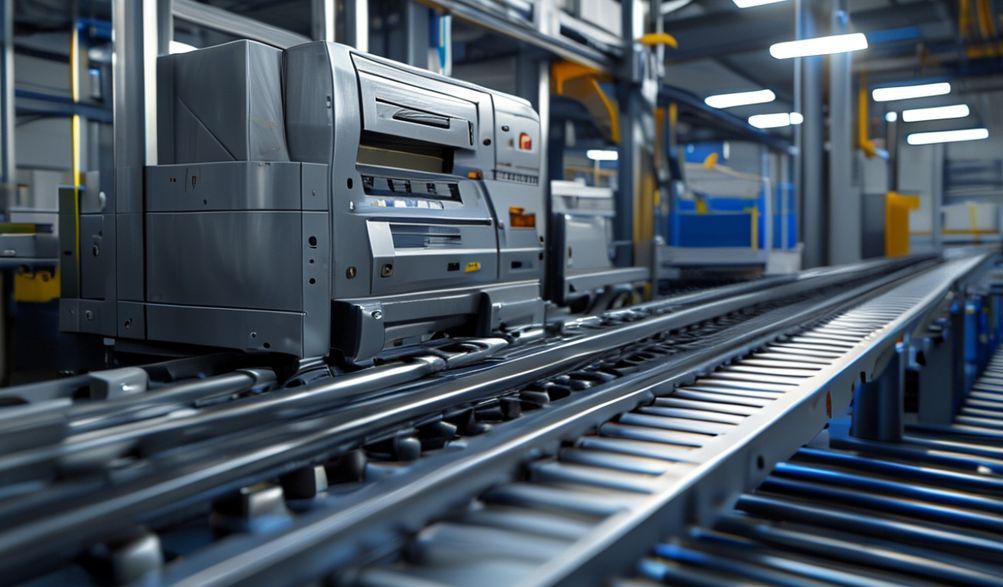
FUDA Factory ຈາກການທຳຄວາມເຂົ້າໃຈຄ່າໃຊ້ຈ່າຍເຄື່ອງຈັກກໍ່ສ້າງກ້ອນດິນຈີ່: ຄູ່ມືການລົງທຶນທີ່ສົມບູນ
ທຸກໆຜູ້ປະກອບການກໍ່ສ້າງ, ຜູ້ຮັບເຫັນ, ຫຼືເຈົ້າຂອງທຸລະກິດທີ່ກຳລັງຊອກຫາທາງເຂົ້າສູ່ອຸດສາຫະກຳການຜະລິດລົງບລັອກ ຢ່າງຫຼີກລ່ຽງບໍ່ໄດ້ຈະຕ້ອງຖາມຄຳຖາມສຳຄັນອັນໜຶ່ງນີ້:"ເຄື່ອງຈັກກໍ່ລົດຖີບມີຄ່າໃຊ້ຈ່າຍທີ່ແທ້ຈິງແມ່ນຫຍັງ?"
If you’ve searched online, you’ve likely found a dizzying array of price tags—from alarmingly cheap to prohibitively expensive. This confusion often leads to a critical mistake: viewing this purchase as a simple transaction based on an initial price. In reality, the cost of a block making machine is a multifaceted investment in your business’s future productivity, product quality, and long-term profitability.
ມີປະສົບການກວ່າ 2 ທົດສະວັດປະສົບການ in designing, manufacturing, and supporting block production machinery across six continents, FUDA Block Making Factory approaches this question differently. We are not just sellers; we are industry partners. Our expertise is built on the foundation of thousands of successful installations, from small rural enterprises to large-scale urban construction factories.
This comprehensive guide aims to cut through the noise. We will provide transparent, expert-driven insights that empower you to make a financially sound and technically appropriate decision. We’ll move beyond basic online price lists to explore the total cost of ownership, the hidden variables that impact your bottom line, and why the machine’s quality and its manufacturer are the ultimate determinants of value.
ຂໍເລີ່ມຕົ້ນໂດຍການເປີດເຜີຍປັດໃຈຕ່າງໆທີ່ສ້າງລາຄາທີ່ທ່ານເຫັນໃນບິນລາຄາ.
Core Factors Determining Your Block Making Machine Price
The price difference between two seemingly similar machines can be vast. Understanding the “why” behind this requires a deep dive into the technical and commercial variables at play. Here are the core factors that determine your investment.
ປະເພດເຄື່ອງຈັກ & ລະດັບການອັດຕະໂນມັດ
This is the most significant driver of cost. The spectrum ranges from basic, labor-intensive units to fully intelligent production lines.
- ເຄື່ອງຈັກກໍ່ສ້າງບລັອກແບບມື These are the most economical entry point. They require significant manual labor for mixing, feeding, and block removal. Ideal for very small-scale, community-based projects with low output requirements. The cost is low, but the production capacity and labor cost per block are high.
- ເຄື່ອງຈັກກໍ່ສ້າງບລັອກແບບກົງຈັກກ່ອງ: A popular middle ground. The core compaction and molding process is powered (hydraulic or vibration), but block handling, feeding, and pallet cycling often require operator intervention. They offer a excellent balance of affordability and improved output for small to medium businesses.
- ເຄື່ອງຈັກຕັດບລັອກແບບອັດຕະໂນມັດທັງໝົດ: These represent the pinnacle of efficiency. Controlled by Programmable Logic Controllers (PLCs), they integrate automatic material batching, mixing, molding, curing, and stacking. One or two operators can manage an entire line producing thousands of blocks per hour. The initial investment is higher, but the labor savings, consistency, and scale are transformative for serious commercial operations.
- ເຄື່ອງຈົກຕັນມືຖື These self-contained units are designed for on-site production, eliminating transport costs for finished blocks. They come at a premium for their specialized design and mobility features.
Production Capacity & Output Specifications
You are fundamentally paying for production capability. Key specifications that influence price include:
- Output per Hour/Shift: A machine rated for 2,000 blocks per 8-hour shift will cost significantly less than one rated for 10,000 blocks. Be realistic about your current needs and future growth.
- Block Size & Thickness: The machine must be robust enough to handle the pressure required to form larger, denser blocks (like solid concrete blocks or paver stones). Machines capable of producing a wide range of sizes and thicknesses require more sophisticated mold systems and stronger frames.
- ເວລາຮອບວຽນ: How fast can the machine complete one molding cycle? A faster cycle time (e.g., 15 seconds vs. 30 seconds) means higher output and typically involves a more advanced hydraulic and control system.
ອົງປະກອບຫຼັກ ແລະ ຄຸນນະພາບການກໍ່ສ້າງ
This is where “cheap” and “quality” machines diverge dramatically. The initial price is a reflection of the components used.
- Steel Frame & Structure: Heavy-duty, reinforced steel frames resist the immense forces of vibration and pressure, ensuring machine longevity and stability. Thinner, lighter frames may warp over time, leading to misalignment and poor block quality.
- ລະບົບນ້ຳມັນເຄື່ອງ: The heart of the machine. High-quality, brand-name pumps, valves, and cylinders (from reputable suppliers) provide consistent pressure, smoother operation, and far greater reliability than generic, low-cost alternatives.
- Electrical Controls & PLC: Brands like SiemensຫຼືSchneider Electric are industry standards for a reason. They offer superior durability, precision, and safety. Cheap, unbranded controllers are a frequent point of failure.
- ໝໍ້: Precision-engineered mold boxes and liners made from high-grade, abrasion-resistant steel produce blocks with sharp edges and consistent dimensions. Poor-quality molds wear quickly, leading to defective blocks and frequent, costly replacements.
- Vibration Motors: These must be powerful, balanced, and resilient. FUDA uses premium, high-frequency vibration motors encased in robust housings to ensure optimal compaction and material density in every block.
Customization & Special Features
Standard machines cover common needs, but your specific project may require tailored solutions, which add to the cost:
- Custom Mold Designs: For producing specialized shapes like interlocking blocks, grass pavers, retaining wall units, or decorative stones.
- Color Mixers & Feeders: For producing high-value colored concrete pavers.
- Automatic Pallet Feeders & Stackers: These systems further reduce labor and increase line automation.
- Special Material Handling: Adaptations for using unique raw materials like fly ash, crushed recycled aggregate, or soil.
Beyond the Price Tag: Calculating Total Investment & ROI
A savvy investor looks at the total cost of ownership, not just the purchase price. Let’s break down the full financial picture.
Initial Purchase Price Breakdown
While exact pricing requires a personalized quote based on your specifications, here is a realistic framework for understanding price ranges (FOB Factory). Note: These are illustrative ranges and can vary.
| Machine Type | Approximate Price Range (USD) | Ideal For |
| :— | :— | :— |
| Manual Block Machine | $3,000 – $8,000 | Micro-enterprises, very small-scale projects. |
| Semi-Automatic Machine | $15,000 – $45,000 | Small to medium block yards, growing businesses. |
| Fully Automatic Line | $50,000 – $200,000+ | Large-scale commercial production, factory settings. |
A professional quote from FUDA will detail every included item: standard mold sets, basic tool kit, and often foundational installation drawings.
Essential Ancillary Costs (Often Overlooked)
Budgeting for these is crucial to avoid surprises:
* Shipping & Logistics: Costs vary by Incoterm (FOB, CIF, etc.) and destination. Sea freight for a containerized machine is standard.
* Import Duties & Taxes: These are country-specific and must be researched locally.
* Installation & Foundation: Your site requires a level, reinforced concrete foundation. Factor in local labor and material costs.
* Initial Spare Parts Kit: Having critical spares (like hydraulic seals, gaskets, spare liners) on hand prevents prolonged downtime.
Operational & Maintenance Costs
Your ongoing expenses determine your per-block profit margin.
* ວັດຖຸດິບ The largest recurring cost. This includes cement, aggregates (sand, gravel), and water. A well-tuned machine minimizes waste.
* ការងារ Higher automation reduces direct labor costs per block.
* Utilities: Electricity consumption of the hydraulic system, motors, and controls.
* Preventive Maintenance: Regular oil changes, filter replacements, and bolt tightening. A quality machine like FUDA’s requires less frequent, less costly maintenance.
* Part Replacement: Wear parts like mold liners will need replacing. High-quality liners last significantly longer.
Projecting Your Return on Investment (ROI)
This is the most critical calculation. Here’s a simplified framework:
- Calculate Daily Production Revenue: (Blocks Produced per Day) x (Selling Price per Block in Your Market).
- Calculate Daily Operational Cost: (Cost of Raw Materials per Block + Labor + Utilities + Maintenance Reserve) x (Blocks Produced per Day).
- Calculate Daily Gross Profit: Daily Revenue – Daily Operational Cost.
- Estimate Payback Period: (Total Initial Investment) / (Daily Gross Profit). This gives you the number of production days to recover your investment.
ຕົວຢ່າງ: If your total investment is $40,000 and your daily gross profit is $400, your simple payback period is approximately 100 production days (or about 5 months of operation). A FUDA machine is engineered to deliver reliable production to make this projection a reality.
Why Machine Quality from a Reputable Factory is Your Best Cost-Saver
Choosing based on the lowest initial price is the most expensive mistake you can make in this industry.
The High Cost of “Cheap” Machines
- ຄວາມອິດເມື່ອຍຊຳເຮື້ອ: Frequent breakdowns halt production, causing you to miss orders and damage your reputation.
- ຄຸນນະພາບຂອງບລັອກບໍ່ດີ Inconsistent dimensions, weak strength, and bad surface finish lead to rejected batches and unhappy customers.
- Safety Hazards: Compromised hydraulics or electrical systems can pose serious risks to operators.
- No Technical Support: When the machine fails, you are often left alone with an expensive paperweight, scrambling to find local mechanics who may lack the specific expertise.
FUDA’s Manufacturing Expertise & Quality Assurance
At FUDA, cost-saving is engineered in from the start through superior quality:
* ວິສະວະກຳຄວາມຊັດເຈນ Every design is stress-tested using CAD/CAM software before manufacturing begins.
* In-House Manufacturing: We control the entire process from steel cutting to assembly, ensuring quality at every stage.
* Rigorous Testing: Every machine undergoes a 48-hour continuous production run test before disassembly for shipping. We send you videos of ທ່ານ machine producing blocks in our factory.
* Premium Materials: As detailed earlier, we insist on branded components and heavy-duty steel plate. This investment upfront saves you exponentially over a 10-15 year machine lifespan.
The Value of Comprehensive Support
Your purchase includes a partnership. FUDA’s support is a core part of the product’s value and your cost protection:
* Detailed Installation Manuals & Drawings: We provide comprehensive guides for your local engineers.
* Remote & On-Site Training: We ensure your operators know how to run and maintain the machine efficiently.
* Dedicated Technical Support: Access to our engineers via WhatsApp, email, or video call for troubleshooting.
* Global Spare Parts Network: Genuine, readily available parts ensure minimal downtime when maintenance is required.
Making the Right Choice: A Step-by-Step Buyer’s Guide
Follow this actionable advice, distilled from our experience with thousands of clients.
Step 1: Assess Your Project Needs & Business Plan
- What types of blocks do you need to produce? (Hollow, solid, pavers, interlocking?)
- What is your target daily/weekly production volume?
- What is your available budget (including ancillary costs)?
- What is the local market demand and price for these blocks?
Step 2: Research and Compare Suppliers
- Check Company History: How long have they been manufacturing? FUDA has over 20 years of focused expertise.
- Verify Certifications: Look for ISO quality management certifications.
- Seek Client Testimonials & Videos: Ask for contact information for past clients in your region.
- Request a Factory Tour: Visit in person or take a detailed virtual tour to see the manufacturing facility.
Step 3: Request and Analyze a Detailed Quotation
A professional quote should be transparent and include:
* Detailed machine specifications and output capacity.
* Clear price breakdown (machine, molds, optional accessories).
* Warranty terms and coverage.
* Delivery time and shipping terms (FOB/CIF).
* Payment terms and schedule.
Step 4: Plan for Logistics, Installation, and Production
- Prepare your site with the proper foundation as per factory drawings.
- Arrange for local crane or forklift services for unloading.
- Ensure utility connections (power supply) are ready.
- Schedule your operator training.
Frequently Asked Questions (FAQ) on Block Machine Cost
Q1: What is the starting price for a small block making machine?
A: For a basic manual or small semi-automatic machine suitable for a startup, prices can start from approximately $3,000 to $15,000 USD, depending on configuration, mold options, and power type. The best way to get an accurate price is to share your specific production goals with our team for a tailored quotation.
Q2: Does the quoted price include molds and shipping?
A: At FUDA, our standard quotations typically include 1-2 sets of standard molds (e.g., for hollow block and paving block). Shipping costs are calculated separately based on your destination port (for FOB prices) or project site (for CIF/DAP prices). We believe in complete transparency with no hidden fees.
Q3: How long is the warranty, and what does it cover?
A: We offer a standard 12-18 month warranty on the core machine components (frame, hydraulic system, electrical cabinet, vibration motors) against manufacturing defects. Wear parts like mold liners, rubber mats, and belts are subject to a shorter warranty due to their consumable nature. The full warranty terms are clearly stated in our proforma invoice.
Q4: Can the machine use local raw materials (like soil or fly ash)?
A: Absolutely. FUDA machines are designed for adaptability. We have extensive experience optimizing machine settings for various material mixes, including cement-stabilized soil, fly ash, slag, and recycled aggregates. We can even test your local material samples to advise on the optimal mix design.
Q5: What is the typical delivery and installation timeline?
A: For a standard configured machine, production time is typically 25-35 days after order confirmation. Sea freight shipping can take 20-45 days depending on the destination. Site installation and commissioning by your local team, guided by our manuals and remote support, usually takes 5-10 days. We manage the process to get you from order to production in an efficient, predictable timeframe.
ສະຫຼຸບ
The journey to understanding “block brick machine cost” reveals that the smartest investment is not the one with the lowest initial price, but the one with the highest long-term value. It’s an investment in reliability, product quality, and the peace of mind that comes from expert partnership.
By choosing a manufacturer like FUDA Block Making Factory, you are investing in decades of engineering ປະສົບການ, ມີອຳນາດ industry knowledge, and a ເຊື່ອຖືໄດ້ commitment to your success that extends far beyond the sale. You are not just buying a machine; you are acquiring a production solution backed by comprehensive support.
Ready to move from cost consideration to value realization? Contact the FUDA engineering team today for a free, personalized consultation and a detailed quotation tailored to your specific project requirements. Let’s build the foundation of your profitable block manufacturing business together.
<