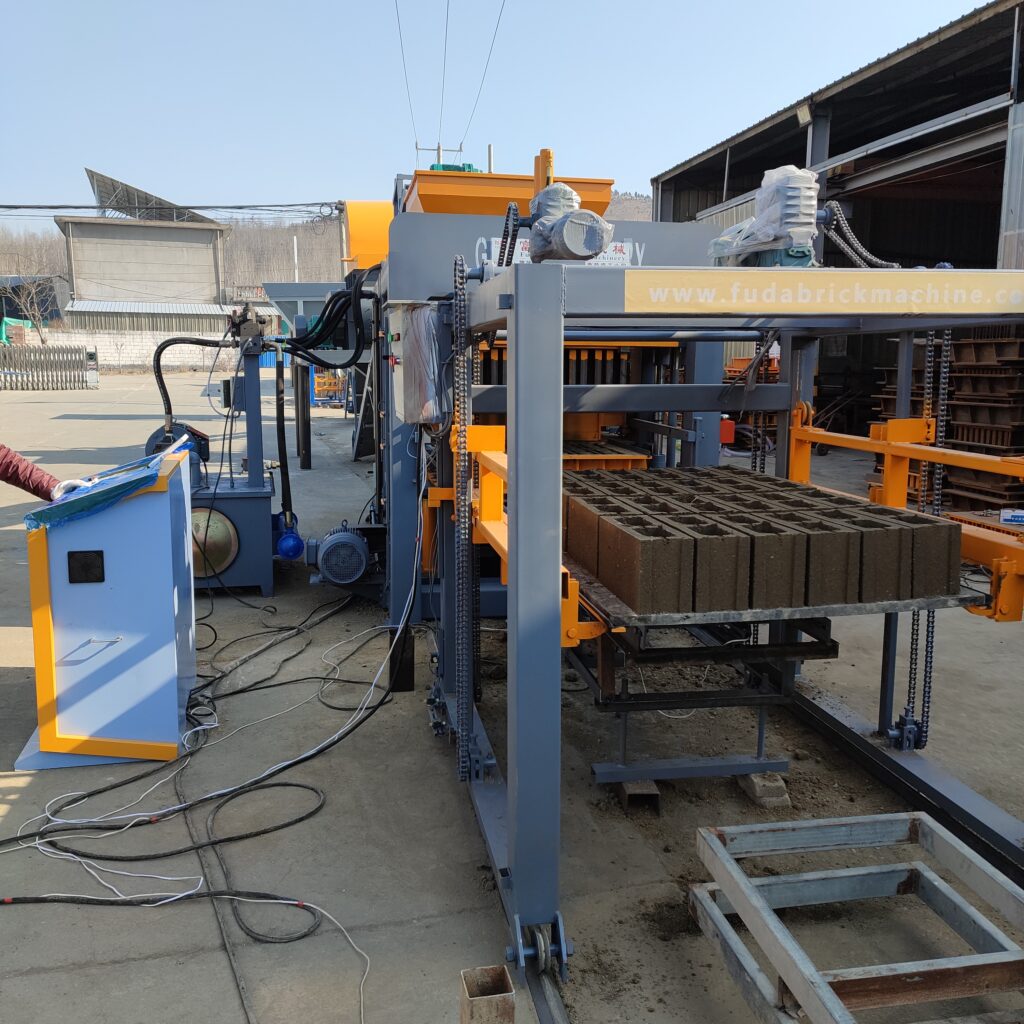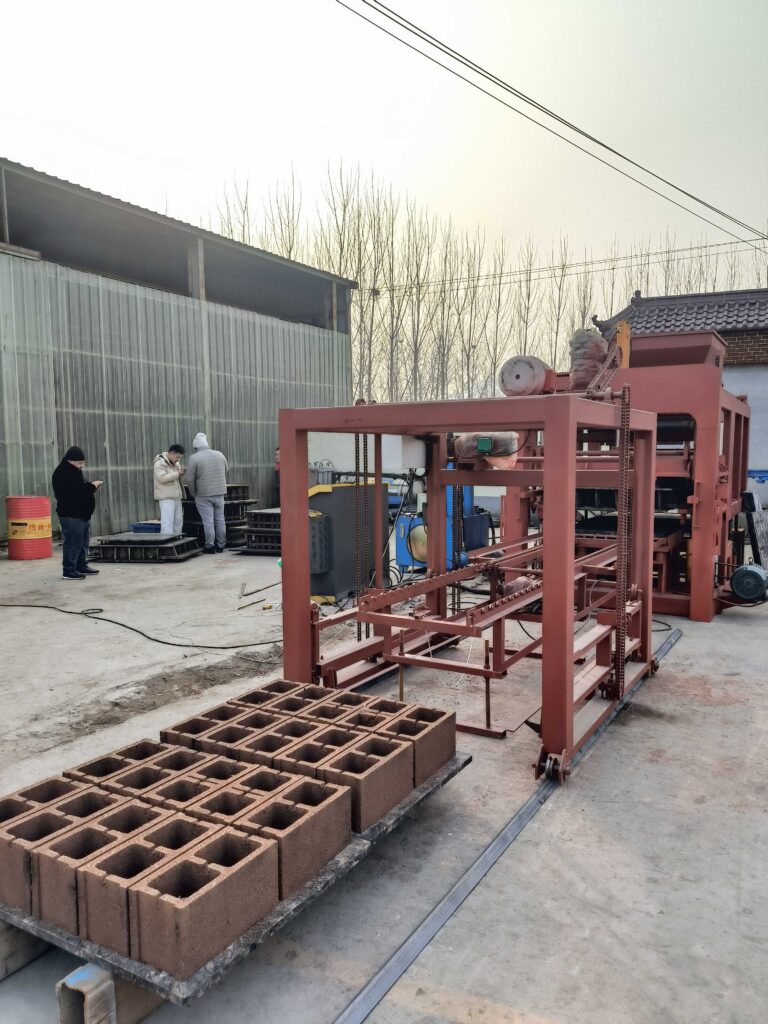
Masa Depan Manufaktur: Pendalaman Efisiensi Energi dalam Mesin Produksi Bata
Keharusan untuk Berubah: Penggerak Efisiensi Energi
Tekanan Regulasi dan Lingkungan
Secara global, pemerintah dan badan internasional menerapkan regulasi yang lebih ketat terhadap emisi karbon industri dan konsumsi energi. Pajak karbon, skema perdagangan emisi, serta tolok ukur efisiensi yang ketat menjadi hal yang umum. Bagi produsen batu bata, mesin produksi merupakan sumber utama penggunaan energi, sering kali melibatkan listrik dalam jumlah besar untuk sistem hidrolik, motor, dan kontrol, serta energi termal untuk proses pengeringan. Kepatuhan tidak lagi bersifat opsional, dan produsen peralatan yang berpandangan ke depan merancang solusi yang membantu produsen tidak hanya memenuhi tetapi juga melampaui standar-standar ini. Lingkungan regulasi ini menciptakan efek berantai langsung, menjadikan mesin hemat energi sebagai prioritas utama bagi produsen yang ingin menghindari sanksi dan mempertahankan izin operasi mereka.
Pertimbangan Ekonomi dan Total Biaya Kepemilikan
Meskipun regulasi lingkungan memberikan dorongan, daya tarik fundamentalnya berasal dari ekonomi. Energi merupakan bagian besar dari biaya operasional dalam produksi batu bata. Seiring meningkatnya volatilitas harga energi, insentif finansial untuk mengurangi konsumsi menjadi sangat kuat. Bagi distributor dan tim pengadaan, narasi penjualan bergeser dari harga awal pembelian menjadiTotal Biaya Kepemilikan (TCO)Mesin yang hemat energi, meskipun terkadang memerlukan investasi awal yang lebih tinggi, menawarkan biaya operasional yang jauh lebih rendah selama masa pakainya. Hal ini memberikan proposisi nilai yang menarik bagi pengguna akhir (pabrik batu bata) dan alat penjualan yang kuat bagi dealer. Menunjukkan ROI yang jelas melalui penghematan energi dapat mempercepat keputusan pembelian dan membangun loyalitas klien jangka panjang.
Permintaan Pasar yang Berkembang untuk Material Berkelanjutan
Industri konstruksi, mulai dari arsitek, pengembang, hingga pemilik rumah, semakin memprioritaskan keberlanjutan. Sertifikasi bangunan dan kode bangunan hijau kini sering mempertimbangkan kandungan karbon material, termasuk energi yang digunakan dalam proses pembuatannya. Akibatnya, pabrik bata mencari cara untuk memproduksi bata yang lebih "hijau" agar dapat mengakses pasar yang menguntungkan ini. Penggunaan peralatan yang meminimalkan konsumsi energi secara langsung mengurangi jejak karbon setiap bata, sehingga meningkatkan daya jualnya. Oleh karena itu, menyediakan peralatan yang memungkinkan produksi berkelanjutan ini sejalan langsung dengan segmen pasar yang sedang berkembang dan bernilai tinggi.
Jalur Teknologi Menuju Efisiensi yang Lebih Baik
Inovasi dalam Sistem Mekanik dan Hidraulik
Inti dari mesin press bata tradisional selama ini adalah sistem hidrolik yang kuat namun boros energi. Perubahan revolusioner kini terjadi pada mesin generasi berikutnya di bagian ini.
- Variable Frequency Drives (VFDs) dan Teknologi Servo:Integrasi VFD pada motor memungkinkan peralatan untuk menyesuaikan keluaran daya secara tepat dengan permintaan sesaat dari siklus produksi, menghilangkan pemborosan akibat operasi pompa dan motor yang berjalan terus-menerus. Yang lebih maju lagi adalah adopsi dariSistem penggerak servo-listrik. These systems replace hydraulic oil and pumps with precisely controlled electric servos for actions like compaction and ejection. They consume energy only during the movement phase, eliminate hydraulic heat loss, and offer superior control, leading to energy savings often cited in the range of 30-60% compared to conventional hydraulic systems.
- Optimized Hydraulic Circuit Design: For systems retaining hydraulics, innovations like load-sensing hydraulics, more efficient pump designs, and improved heat exchange and filtration systems reduce parasitic losses and improve overall system efficiency.
Advanced Control Systems and Smart Automation
Energy efficiency is no longer solely about hardware; it is increasingly driven by software and data.
- Intelligent Process Control: Modern programmable logic controllers (PLCs) and human-machine interfaces (HMIs) are equipped with algorithms that optimize the entire production cycle for minimal energy use. This includes intelligent sequencing of movements, optimized pressure curves, and automated standby modes during pauses.
- Predictive Maintenance and IoT Integration: The Internet of Things (IoT) enables real-time monitoring of energy consumption, motor loads, and system health. Predictive analytics can forecast maintenance needs, preventing small issues like worn seals or misalignments from causing gradual increases in energy draw. For dealers, this connectivity can also open new service revenue streams through remote monitoring and support contracts.
Thermal Efficiency in Curing and Drying Processes
For fired clay bricks or blocks requiring curing, the kiln or curing chamber is the most energy-intensive component. Advances here are profound.
- Improved Insulation Materials: The use of advanced ceramic fibers and refractory materials minimizes heat loss from kiln walls.
- Heat Recovery Systems: Sophisticated systems now capture waste heat from exhaust gases and reuse it to pre-heat combustion air or dry raw materials, dramatically improving overall thermal efficiency.
- Alternative Curing Methods: The adoption of autoclaved curing (using steam and pressure) for certain block types, and research into low-temperature or chemical curing processes, present pathways to reduce thermal energy demand significantly.
Material Science and Reduced Waste
Efficiency extends beyond direct energy use to the optimization of the raw material itself.
- High-Precision Forming: Modern machines produce bricks with exceptionally tight dimensional tolerances and consistent density. This uniformity leads to more efficient stacking in kilns, better heat transfer during curing, and fewer breakages—reducing the energy wasted on producing defective units.
- Adaptability to Alternative Raw Materials: Next-generation machines are being designed to handle higher percentages of recycled materials (like construction waste or fly ash) efficiently. Using these materials often requires less processing energy than virgin clay or cement, further lowering the embodied energy of the final product.
Strategic Implications for Distributors and Procurement Professionals
Portfolio Curation and Future-Proofing
For dealers and distributors, the energy efficiency trend demands a strategic review of supplied product lines. Partnering with equipment manufacturers who have a clear, R&D-driven roadmap for efficiency is crucial. The portfolio should increasingly feature machinery with demonstrable energy-saving credentials, certified by relevant performance standards. Offering a range from upgraded conventional systems to fully servo-electric solutions allows you to cater to different client budgets and transition stages.
Transforming the Sales and Value Proposition
The sales approach must evolve from discussing specifications in isolation to consulting on TCO and sustainability benefits. Sales teams need to be trained to conduct simple energy-audit comparisons between old and new technology, showcasing the payback period. Marketing materials should highlight energy performance data, certifications, and case studies of utility cost savings. Positioning your company as a provider of “future-ready, cost-saving solutions” rather than just “machines” builds a stronger brand.
After-Sales Service and New Revenue Models
Energy-efficient machinery often incorporates more sophisticated electronics and software. This raises the importance—and potential—of after-sales service. Offering maintenance contracts that include performance optimization, software updates, and connectivity services ensures the machinery operates at peak efficiency throughout its life. This creates a recurring revenue stream and deepens client relationships.
Kesimpulan
The trajectory towards greater energy efficiency in brick production machinery is not a speculative trend but an established industrial reality. Driven by an inescapable trifecta of regulation, economics, and market demand, technological innovation is delivering tangible solutions that redefine performance benchmarks. From revolutionary servo-electric drives and intelligent control systems to heat-recovery kilns and precision forming, every aspect of the production line is being optimized for lower energy consumption. For distributors, dealers, and procurement specialists, this shift represents a significant opportunity. By aligning their portfolios with this efficient future, transforming their sales narratives to emphasize TCO and sustainability, and developing advanced service models, they can position themselves as indispensable partners to their clients. The choice is clear: embrace and lead in the era of efficient manufacturing, or risk being left behind with outdated technology. The efficient future of brick production is being built today, and it promises to be more profitable, sustainable, and resilient for all stakeholders in the supply chain.
FAQ
Q1: Won’t the higher upfront cost of energy-efficient machinery deter our price-sensitive customers?
A: This is a common concern. The key is to shift the conversation from purchase price to Total Biaya Kepemilikan (TCO). Provide detailed calculations showing how the significant reduction in monthly energy bills leads to a payback period often between 1-3 years. After that period, the savings go directly to the customer’s bottom line, making it a sound financial investment, not just an environmental one.
Q2: Are these new, efficient technologies (like servo-electrics) reliable and durable for harsh industrial environments?
A: Modern servo systems are engineered for industrial durability. They often have fewer wearing parts than complex hydraulic systems (no pumps, valves, or hydraulic oil prone to leaks and contamination). Their reliability is generally high, and because they generate less heat, component stress is reduced. Leading manufacturers design these systems with robust protection ratings for dust and temperature.
Q3: How can we, as distributors, verify the energy-saving claims made by equipment manufacturers?
A: Request certified test data from independent laboratories, not just internal marketing figures. Ask for detailed case studies with real-world energy consumption metrics from existing installations. Furthermore, encourage manufacturers to provide simulation or calculation tools that allow you to input local energy costs and production parameters to generate customer-specific savings estimates.
Q4: Does energy-efficient machinery require more specialized technician training for servicing?
A: Yes, there is a transition. While traditional mechanical and hydraulic knowledge remains valuable, technicians will need additional training in electromechanical systems, servo drive troubleshooting, and basic software/network diagnostics for control systems. Investing in this training is essential and offers a competitive advantage, allowing you to provide superior support.
Q5: Is the push for efficiency only relevant for large-scale manufacturers, or is it applicable for smaller plants as well?
A: It is relevant across scales. While the absolute savings are larger for big plants, the relative cost of energy can be a heavier burden for smaller operations. Many innovations, such as VFDs on standard machines or improved insulation for smaller kilns, are scalable and offer a quick ROI. The market demand for sustainable materials also affects suppliers of all sizes, making efficiency a universal selling point.