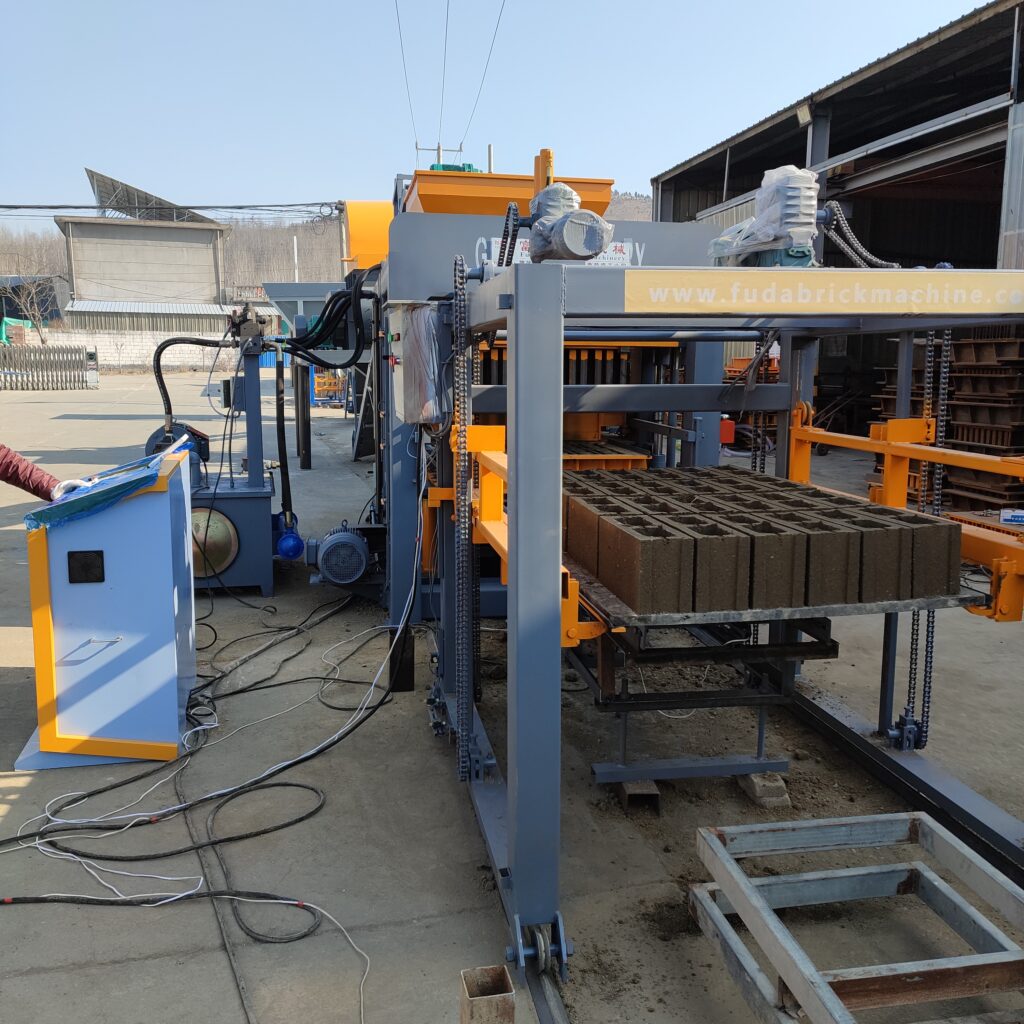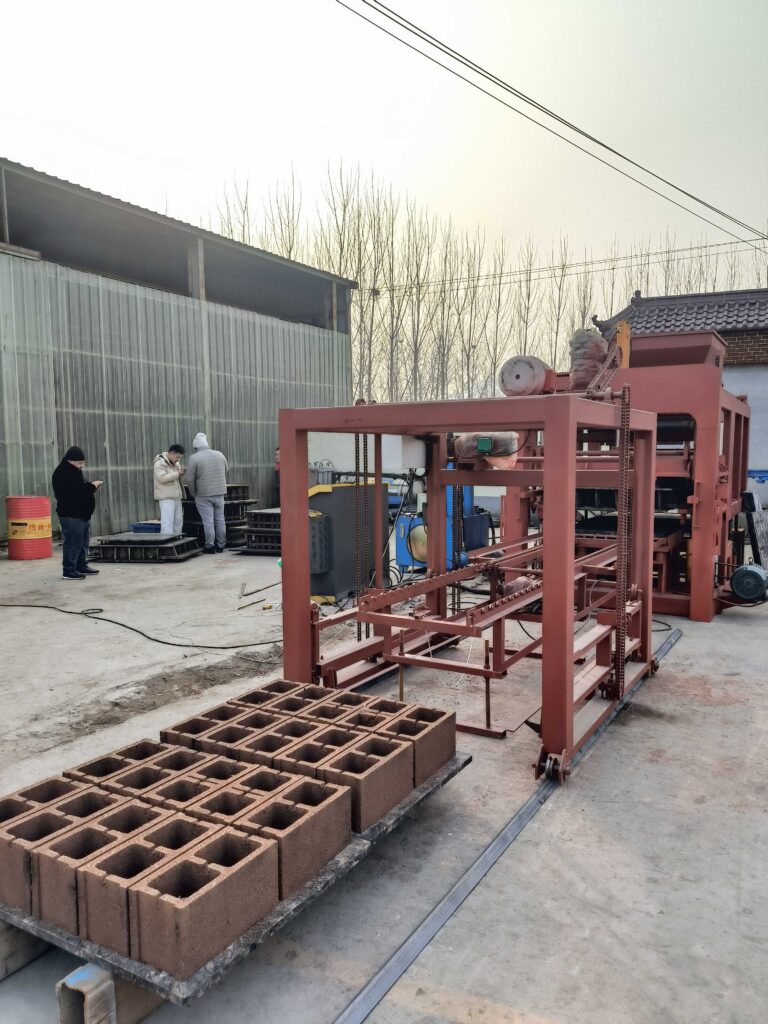
Tương Lai của Ngành Sản Xuất: Đi Sâu vào Hiệu Quả Năng Lượng trong Máy Móc Sản Xuất Gạch
Tầm Quan Trọng Của Thay Đổi: Động Lực Cho Hiệu Quả Năng Lượng
Áp lực về quy định và môi trường
全球范围内,各国政府及国际组织正对工业碳排放与能源消耗实施更严格的监管。碳税政策、碳排放交易机制以及严苛的能效标准日益普遍。对于制砖企业而言,生产设备是能源消耗的主要来源,液压系统、电机及控制系统需要大量电力,养护工序则需消耗热能。合规已不再是可选项,具有前瞻性的设备制造商正研发可助力生产企业不仅达到、更能超越这些标准的技术方案。这一监管环境产生直接传导效应,使得节能型机械设备成为制造商避免处罚、维持运营许可的首要优先级。
Các Cân Nhắc Kinh Tế và Tổng Chi Phí Sở Hữu
Trong khi các quy định về môi trường tạo ra sức ép, thì động lực cơ bản lại đến từ kinh tế. Năng lượng chiếm phần lớn chi phí vận hành trong sản xuất gạch. Khi giá năng lượng biến động gia tăng, động cơ tài chính để giảm tiêu thụ trở nên rất mạnh mẽ. Đối với các nhà phân phối và đội ngũ thu mua, câu chuyện bán hàng đang chuyển từ giá mua ban đầu sangTổng Chi Phí Sở Hữu (TCO)Máy móc tiết kiệm năng lượng, mặc dù đôi khi đòi hỏi đầu tư ban đầu cao hơn, mang lại chi phí vận hành thấp hơn đáng kể trong suốt vòng đời hoạt động. Điều này mang lại một đề xuất giá trị hấp dẫn cho người dùng cuối (các nhà máy gạch) và một công cụ bán hàng mạnh mẽ cho các đại lý. Việc chứng minh lợi tức đầu tư rõ ràng thông qua tiết kiệm năng lượng có thể thúc đẩy quyết định mua hàng nhanh hơn và xây dựng lòng trung thành lâu dài của khách hàng.
市场对可持续材料的需求不断演变
Ngành xây dựng với các khách hàng cuối cùng—kiến trúc sư, nhà phát triển và chủ nhà—ngày càng ưu tiên tính bền vững. Các chứng chỉ xây dựng và quy chuẩn công trình xanh hiện nay thường xem xét lượng carbon tiềm ẩn của vật liệu, bao gồm năng lượng sử dụng trong quá trình sản xuất. Do đó, các nhà máy gạch đang tìm cách sản xuất gạch "xanh hơn" để tiếp cận các thị trường sinh lợi này. Sử dụng máy móc giảm thiểu tiêu thụ năng lượng trực tiếp làm giảm dấu chân carbon của mỗi viên gạch, nâng cao khả năng tiếp thị của nó. Vì vậy, cung cấp thiết bị cho phép sản xuất bền vững này hoàn toàn phù hợp với phân khúc thị trường đang phát triển và cao cấp.
技术路径提升效率
Cải tiến trong Hệ thống Cơ khí và Thủy lực
Trọng tâm của máy ép gạch truyền thống từ lâu đã là các hệ thống thủy lực mạnh mẽ nhưng tiêu tốn nhiều năng lượng. Thế hệ máy móc tiếp theo đang chứng kiến những thay đổi mang tính cách mạng trong lĩnh vực này.
- Biến tần (VFD) và Công nghệ Servo:Việc tích hợp biến tần (VFD) vào động cơ cho phép thiết bị điều chỉnh công suất đầu ra một cách chính xác theo nhu cầu tức thời của chu kỳ sản xuất, loại bỏ sự chạy không tải lãng phí của máy bơm và động cơ. Tiên tiến hơn nữa là việc áp dụnghệ thống truyền động servo-điện. These systems replace hydraulic oil and pumps with precisely controlled electric servos for actions like compaction and ejection. They consume energy only during the movement phase, eliminate hydraulic heat loss, and offer superior control, leading to energy savings often cited in the range of 30-60% compared to conventional hydraulic systems.
- Optimized Hydraulic Circuit Design: For systems retaining hydraulics, innovations like load-sensing hydraulics, more efficient pump designs, and improved heat exchange and filtration systems reduce parasitic losses and improve overall system efficiency.
Advanced Control Systems and Smart Automation
Energy efficiency is no longer solely about hardware; it is increasingly driven by software and data.
- Intelligent Process Control: Modern programmable logic controllers (PLCs) and human-machine interfaces (HMIs) are equipped with algorithms that optimize the entire production cycle for minimal energy use. This includes intelligent sequencing of movements, optimized pressure curves, and automated standby modes during pauses.
- Predictive Maintenance and IoT Integration: The Internet of Things (IoT) enables real-time monitoring of energy consumption, motor loads, and system health. Predictive analytics can forecast maintenance needs, preventing small issues like worn seals or misalignments from causing gradual increases in energy draw. For dealers, this connectivity can also open new service revenue streams through remote monitoring and support contracts.
Thermal Efficiency in Curing and Drying Processes
For fired clay bricks or blocks requiring curing, the kiln or curing chamber is the most energy-intensive component. Advances here are profound.
- Improved Insulation Materials: The use of advanced ceramic fibers and refractory materials minimizes heat loss from kiln walls.
- Heat Recovery Systems: Sophisticated systems now capture waste heat from exhaust gases and reuse it to pre-heat combustion air or dry raw materials, dramatically improving overall thermal efficiency.
- Alternative Curing Methods: The adoption of autoclaved curing (using steam and pressure) for certain block types, and research into low-temperature or chemical curing processes, present pathways to reduce thermal energy demand significantly.
Material Science and Reduced Waste
Efficiency extends beyond direct energy use to the optimization of the raw material itself.
- High-Precision Forming: Modern machines produce bricks with exceptionally tight dimensional tolerances and consistent density. This uniformity leads to more efficient stacking in kilns, better heat transfer during curing, and fewer breakages—reducing the energy wasted on producing defective units.
- Adaptability to Alternative Raw Materials: Next-generation machines are being designed to handle higher percentages of recycled materials (like construction waste or fly ash) efficiently. Using these materials often requires less processing energy than virgin clay or cement, further lowering the embodied energy of the final product.
Strategic Implications for Distributors and Procurement Professionals
Portfolio Curation and Future-Proofing
For dealers and distributors, the energy efficiency trend demands a strategic review of supplied product lines. Partnering with equipment manufacturers who have a clear, R&D-driven roadmap for efficiency is crucial. The portfolio should increasingly feature machinery with demonstrable energy-saving credentials, certified by relevant performance standards. Offering a range from upgraded conventional systems to fully servo-electric solutions allows you to cater to different client budgets and transition stages.
Transforming the Sales and Value Proposition
The sales approach must evolve from discussing specifications in isolation to consulting on TCO and sustainability benefits. Sales teams need to be trained to conduct simple energy-audit comparisons between old and new technology, showcasing the payback period. Marketing materials should highlight energy performance data, certifications, and case studies of utility cost savings. Positioning your company as a provider of “future-ready, cost-saving solutions” rather than just “machines” builds a stronger brand.
After-Sales Service and New Revenue Models
Energy-efficient machinery often incorporates more sophisticated electronics and software. This raises the importance—and potential—of after-sales service. Offering maintenance contracts that include performance optimization, software updates, and connectivity services ensures the machinery operates at peak efficiency throughout its life. This creates a recurring revenue stream and deepens client relationships.
Conclusion
The trajectory towards greater energy efficiency in brick production machinery is not a speculative trend but an established industrial reality. Driven by an inescapable trifecta of regulation, economics, and market demand, technological innovation is delivering tangible solutions that redefine performance benchmarks. From revolutionary servo-electric drives and intelligent control systems to heat-recovery kilns and precision forming, every aspect of the production line is being optimized for lower energy consumption. For distributors, dealers, and procurement specialists, this shift represents a significant opportunity. By aligning their portfolios with this efficient future, transforming their sales narratives to emphasize TCO and sustainability, and developing advanced service models, they can position themselves as indispensable partners to their clients. The choice is clear: embrace and lead in the era of efficient manufacturing, or risk being left behind with outdated technology. The efficient future of brick production is being built today, and it promises to be more profitable, sustainable, and resilient for all stakeholders in the supply chain.
FAQ
Q1: Won’t the higher upfront cost of energy-efficient machinery deter our price-sensitive customers?
A: This is a common concern. The key is to shift the conversation from purchase price to Tổng Chi Phí Sở Hữu (TCO). Provide detailed calculations showing how the significant reduction in monthly energy bills leads to a payback period often between 1-3 years. After that period, the savings go directly to the customer’s bottom line, making it a sound financial investment, not just an environmental one.
Q2: Are these new, efficient technologies (like servo-electrics) reliable and durable for harsh industrial environments?
A: Modern servo systems are engineered for industrial durability. They often have fewer wearing parts than complex hydraulic systems (no pumps, valves, or hydraulic oil prone to leaks and contamination). Their reliability is generally high, and because they generate less heat, component stress is reduced. Leading manufacturers design these systems with robust protection ratings for dust and temperature.
Q3: How can we, as distributors, verify the energy-saving claims made by equipment manufacturers?
A: Request certified test data from independent laboratories, not just internal marketing figures. Ask for detailed case studies with real-world energy consumption metrics from existing installations. Furthermore, encourage manufacturers to provide simulation or calculation tools that allow you to input local energy costs and production parameters to generate customer-specific savings estimates.
Q4: Does energy-efficient machinery require more specialized technician training for servicing?
A: Yes, there is a transition. While traditional mechanical and hydraulic knowledge remains valuable, technicians will need additional training in electromechanical systems, servo drive troubleshooting, and basic software/network diagnostics for control systems. Investing in this training is essential and offers a competitive advantage, allowing you to provide superior support.
Q5: Is the push for efficiency only relevant for large-scale manufacturers, or is it applicable for smaller plants as well?
A: It is relevant across scales. While the absolute savings are larger for big plants, the relative cost of energy can be a heavier burden for smaller operations. Many innovations, such as VFDs on standard machines or improved insulation for smaller kilns, are scalable and offer a quick ROI. The market demand for sustainable materials also affects suppliers of all sizes, making efficiency a universal selling point.