
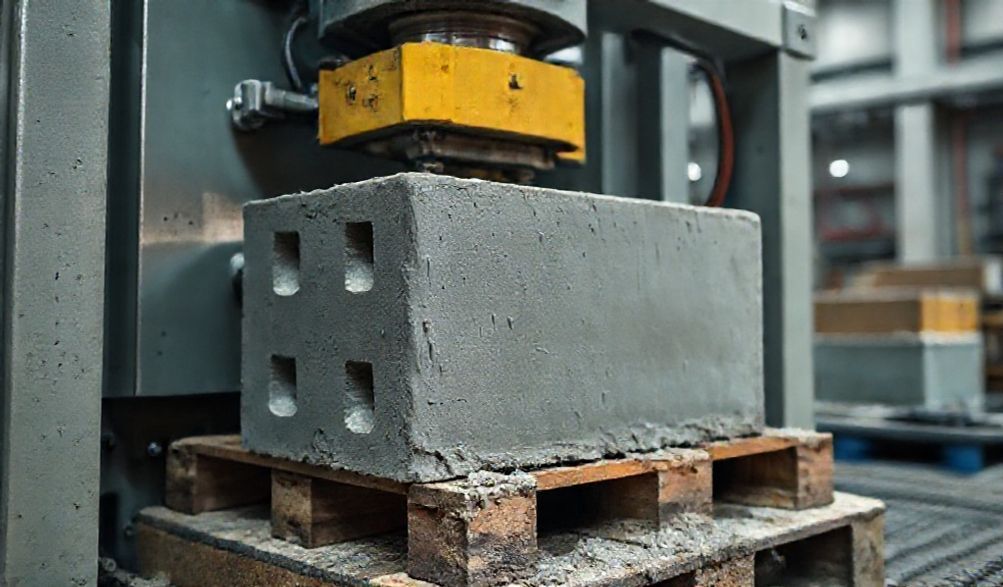
Panduan Lengkap Mesin Produksi Blok: Jenis, Manfaat, dan Cara Memilih
Pengantar
Lanskap kota-kota kita, fondasi rumah-rumah kita, dan jalur melalui taman-taman kita semuanya dibangun di atas unit fundamental: balok beton. Di balik elemen konstruksi modern yang tersebar luas ini, terdapat industri yang canggih dan kritis, yang didorong oleh efisiensi tanpa henti dari mesin produksi balok. Bagi pemilik bisnis, manajer pabrik, dan spesialis pengadaan, memilih mesin yang tepat bukan sekadar pembelian peralatan—ini adalah keputusan strategis yang menentukan produktivitas, kualitas produk, dan profitabilitas jangka panjang.
Panduan ini berfungsi sebagai sumber daya resmi Anda, menyaring evolusi industri selama puluhan tahun menjadi wawasan yang dapat ditindaklanjuti. Dari mesin press manual di masa lalu hingga lini produksi yang sepenuhnya otomatis dan terkendali komputer saat ini, teknologi produksi blok telah mengalami revolusi, mengutamakan keberlanjutan, presisi, dan hasil. Tujuan kami adalah menyediakan kerangka kerja yang komprehensif dan tepercaya untuk membantu Anda membuat keputusan yang tepat, baik saat mendirikan operasi baru maupun meningkatkan pabrik yang sudah ada. Mari kita bangun dasar pengetahuan.
Apa itu Mesin Produksi Blok? Prinsip Inti dan Aplikasinya
Pada intinya, mesin produksi blok adalah keajaiban teknik industri yang dirancang untuk mengubah campuran beton mentah menjadi unit batu presisi dan tahan lama melalui getaran, pemadatan, dan tekanan yang terkontrol.
Mendefinisikan Teknologi
Mesin produksi blok (sering disebut sebagai mesin pembuat blok, mesin blok beton, atau mesin pembuat bata) adalah peralatan khusus yang mengotomatiskan pembentukan blok beton, batu paving, bata, dan produk terkait. Mesin ini menggantikan metode manual yang tidak konsisten dan padat karya dengan proses mekanis yang dapat diulang. Kunci dari operasinya adalah kemampuan untuk memadatkan campuran beton semi-kering menjadi bentuk yang padat dan kuat dengan menghilangkan rongga udara serta memastikan distribusi partikel yang seragam.
Proses Produksi Dasar
Meskipun desain mesin bervariasi, siklus produksi fundamental mengikuti urutan yang konsisten:
- Pemberian Makan:Campuran beton yang telah disiapkan (agregat, pasir, semen, dan air minimal) dimasukkan ke dalam hopper mesin.
- Pengukuran & Pencetakan:Sejumlah campuran yang telah diukur dimasukkan ke dalam kotak atau rongga cetakan, yang menentukan bentuk balok (misalnya, berongga, padat, saling mengunci).
- Pemadatan:Ini adalah fase kritis. Mesin menggunakan satu atau kedua metode ini:
- Getaran:Getaran frekuensi tinggi dan amplitudo besar membuat campuran menjadi lebih cair, sehingga dapat mengalir ke setiap sudut cetakan dan melepaskan udara yang terperangkap.
- Tekanan:Sebuah tekanan hidrolik atau mekanis memberikan gaya ke bawah yang cukup besar, semakin memadatkan material.
- Inisiasi Pengawetan:Dalam banyak sistem, blok "hijau" yang baru terbentuk segera dipindahkan ke palet dan dibawa ke ruang pengawetan (seringkali melalui mesin penumpuk).
- Pengeluaran & Pengembalian Palet:Cetakan diangkat, dan blok dikeluarkan dari mesin, siap untuk proses pengerasan. Palet kosong biasanya dibersihkan dan dikembalikan ke awal siklus.
Industri Primer dan Kasus Penggunaan
The versatility of these machines makes them indispensable across several sectors:
- Konstruksi: The primary market, producing:
- Hollow concrete blocks for load-bearing and partition walls.
- Solid blocks for foundations and heavy-duty applications.
- Lightweight blocks for insulation and reduced structural load.
- Landscaping & Hardscaping: Manufacturing:
- Paving slabs and interlocking pavers for driveways, walkways, and plazas.
- Retaining wall units and garden edging.
- Decorative masonry for aesthetic applications.
- Specialized Manufacturing: Creating niche products like:
- Interlocking concrete blocks for dry-stack walls and flood control.
- Insulated concrete form (ICF) blocks.
- Concrete kerbstones, chimney blocks, and vent blocks.
Types of Block Production Machines: A Detailed Breakdown
Understanding the different machine categories is the first step in aligning technology with your business needs.
Mesin Pembuat Blok Stasioner
These are the powerhouses of the industry, designed for high-volume, fixed-location production in a dedicated plant.
- Operasi: Raw materials are brought to the machine via conveyor systems. The machine itself does not move.
- Keluaran: Very high, often ranging from thousands to tens of thousands of blocks per 8-hour shift.
- Key Subtypes:
- Mesin Press Statis: Use high hydraulic pressure as the primary compaction method, often for producing very dense, high-strength paving stones and kerbs.
- “Egg-Laying” Mobile Block Machines: A hybrid where the machine moves along a concrete floor, depositing (or “laying”) blocks directly onto the casting surface before moving forward to produce the next batch. Less common in modern high-output plants.
Mesin Pembuat Blok Seluler
These offer flexibility and a lower barrier to entry, ideal for on-site production or smaller businesses.
- Operasi: The machine is moved to the work area (often on wheels or a trailer). It produces blocks directly on a prepared, level ground or concrete slab, eliminating the need for pallets.
- Keluaran: Lower than stationary plants, suitable for small to medium-scale projects.
- Manfaat: Drastically reduces material handling costs, as blocks are made where they will be used. Ideal for remote construction sites.
Automatic vs. Semi-Automatic vs. Manual Machines
This classification refers to the level of human intervention required.
- Sepenuhnya Otomatis: The entire process—from raw material feeding to molding, compaction, curing rack handling, and pallet return—is controlled by a programmable logic controller (PLC). Requires minimal labor for supervision and maintenance. Offers the highest output and consistency.
- Semi-Otomatis: Core processes like compaction and molding are mechanical, but operations like feeding raw material, removing finished blocks, or pallet handling require manual intervention. Offers a good balance between cost and productivity.
- Panduan: Operated entirely by hand, often using a lever to apply pressure. Very low output, suitable only for tiny, niche operations or hobbyists. Not viable for commercial production.
Mesin Khusus
Some machines are engineered for specific product lines:
* Pavers & Kerb Machines: Optimized for the high pressure and precise surface finish needed for paving products.
* Interlocking Block Machines: Feature specialized mold designs to create the complex tongue-and-groove profiles of interlocking blocks.
* Multilayer Machines: Capable of producing color-coated or textured blocks by placing different concrete mixes in successive layers.
Key Benefits of Investing in Modern Block Production Machinery
Moving from manual or outdated equipment to a modern block production line delivers transformative advantages.
Efisiensi Tak Tertandingi dan Output Tinggi
Modern machines run on precise cycles measured in seconds. What might take a team of workers a day to produce can be accomplished by an automated line in an hour. This scalability is essential for fulfilling large contracts and growing your business.
Kualitas dan Konsistensi Produk yang Unggul
Human variability is eliminated. Every block from a well-tuned machine has identical dimensions, weight, and density. This consistency translates to:
* Predictable structural strength (compressive strength).
* Easier, faster bricklaying with uniform mortar joints.
* Enhanced aesthetic appeal for facing blocks and pavers.
Significant Cost Reduction and ROI
While the initial investment is substantial, the long-term savings are compelling:
* Biaya Tenaga Kerja: Automation reduces dependency on large crews.
* Limbah Material: Precise metering and efficient compaction minimize spillage and rejected blocks.
* Efisiensi Operasional: Faster production cycles lower the cost per unit.
A well-planned machine typically pays for itself through these savings, delivering a strong return on investment (ROI).
Enhanced Operational Safety and Ergonomics
Modern design prioritizes operator safety:
* Enclosed moving parts and safety guards.
* Ergonomic controls that reduce physical strain.
* Automated handling eliminates the heavy lifting associated with manual block production, drastically reducing the risk of musculoskeletal injuries.
Sustainability and Material Optimization
Today’s machines support greener construction practices:
* Use of Recycled Aggregates: They can effectively compact mixes containing fly ash, slag, or crushed recycled concrete.
* Reduced Cement Content: Optimal compaction achieves target strength with less cement, lowering the carbon footprint of each block.
* Less Waste: Precise production means less material ends up in landfills.
Critical Factors for Choosing the Right Block Production Machine
Selecting a machine is a multi-faceted decision. Focus on these critical areas to make a confident choice.
Menilai Kebutuhan Produksi Anda
Start by defining your business needs with clear numbers:
* Output yang Diperlukan: Calculate the average number of blocks you need per day, week, and month. Add a 20-30% buffer for growth.
* Portofolio Produk: List all block types, sizes, and styles you plan to produce (e.g., 6-inch hollow block, 60mm paver).
* Project Scale & Market: Are you supplying a local market or large contractors? Is your demand steady or project-based?
Understanding Machine Specifications
Decode the technical sheet:
* Waktu Siklus: The time to produce one mold of blocks (e.g., 15 seconds). Faster cycles mean higher output.
* Gaya Tekanan: For press machines, measured in tons or kN. Higher pressure yields denser products.
* Sistem Getaran: Frequency (Hz) and amplitude (mm). A well-balanced system is key for good compaction without excessive wear.
* Pallet Size & Mold Cavities: Determines how many blocks are made per cycle and their maximum dimensions.
* Persyaratan Daya: Ensure your facility can supply the necessary electrical (or hydraulic) power.
Quality of Construction and Key Components
The machine’s durability depends on its build:
* Bingkai: Look for heavy-duty, welded steel construction for stability under load.
* Motor Getar: Branded, reliable motors with proper mounting are essential.
* Jamur: Hardened, precision-machined steel molds ensure product accuracy and long life.
* Sistem Hidrolik/Pneumatik: High-quality pumps, valves, and cylinders from reputable brands (e.g., Bosch Rexroth, Parker) reduce downtime.
Manufacturer Reputation and Support (A Vital E-E-A-T Factor)
This is perhaps the most critical non-technical factor. A machine is a long-term partnership.
* Proven Experience: How long has the manufacturer been in business? Can they provide references from clients in your region?
* Ketersediaan Suku Cadang: Is there a local or responsive central warehouse for wear parts?
* Layanan Purna Jual: Do they offer installation supervision, comprehensive operator training, and prompt maintenance support? A strong warranty is a sign of confidence.
Budgeting: Initial Cost vs. Total Cost of Ownership
The cheapest machine can be the most expensive in the long run. Consider:
* Konsumsi Energi: An efficient machine saves on electricity costs daily.
* Biaya Pemeliharaan: Factor in the cost and availability of spare parts.
* Expected Lifespan: A robust machine from a quality manufacturer should last for decades with proper care.
* Potential Downtime: The cost of production halts due to machine failure can be catastrophic.
Operational Best Practices and Maintenance
To protect your investment and ensure peak performance, adhere to these guidelines.
Essential Setup and Daily Operation Procedures
- Proper Foundation & Leveling: The machine must be installed on a solid, perfectly level concrete foundation to prevent misalignment and wear.
- Correct Mold Installation: Follow torque specifications when bolting molds to the machine table.
- Persiapan Adonan: Use a consistent, semi-dry concrete mix with the correct aggregate gradation and moisture content. The mix recipe is as important as the machine itself.
Routine Maintenance Checklist
- Harian: Clean excess concrete from the machine, molds, and pallets. Check hydraulic fluid levels and for any leaks.
- Mingguan: Lubricate all moving parts as per the manual. Inspect and tighten bolts, especially on vibration units.
- Bulanan: Conduct a thorough inspection of wear parts like mold liners, tamper shoes, and conveyor belts. Check electrical connections.
Pemecahan Masalah Umum
- Poor Surface Finish/Chipped Edges: Often caused by an incorrect concrete mix (too dry or too wet) or worn mold liners.
- Low Block Density: Insufficient vibration time, weak vibration motors, or an overly dry mix.
- Blocks Sticking in Mold: Mold needs cleaning or a release agent. Could also indicate under-compaction.
Ensuring Operator Safety
- PPE is Mandatory: Safety glasses, hearing protection, steel-toe boots, and gloves.
- Lockout/Tagout (LOTO): Strict procedures must be followed during any maintenance or clearing of jams.
- Respect Guards: Never operate the machine with safety guards removed or bypassed.
Bagian FAQ
What is the average production capacity of a standard block machine?
Capacity varies enormously. A small mobile machine may produce 500-1,000 blocks per day. A mid-range stationary plant can produce 5,000-10,000 blocks per 8-hour shift. Large, fully automatic lines can exceed 20,000 blocks per shift.
Can one machine produce different types and sizes of blocks?
Yes, through the use of cetakan yang dapat dipertukarkan. This is a standard feature. The key is to ensure the machine has the necessary pressure/vibration force and pallet size to accommodate the different product ranges you intend to make.
What is the typical lead time and process for installing a new block production line?
From order to commissioning, lead times can range from 3 to 9 months. The process involves: 1) Finalizing specifications, 2) Manufacturing, 3) Factory testing, 4) Shipping, 5) Site preparation (foundation, curing chamber), 6) Installation & mechanical assembly, 7) Electrical/control wiring, 8) Commissioning and operator training.
How important is the raw material mix design for machine performance?
It is absolutely critical. The machine is designed to work with a specific consistency (semi-dry). An improper mix will lead to poor compaction, block damage, and machine wear. Work with your material supplier and machine manufacturer to optimize your mix.
What are the most common mistakes first-time buyers make?
1. Underestimating required output, leading to an undersized machine.
2. Choosing based on price alone, ignoring quality and support.
3. Neglecting to budget for auxiliary equipment (mixers, conveyors, stackers, curing systems).
4. Not visiting an existing plant to see the machine in operation before buying.
How does automation in block production impact labor needs?
It shifts labor from manual, physically demanding tasks (lifting, carrying) to skilled roles in machine supervision, quality control, maintenance, and logistics. Overall headcount may decrease, but the required skill level increases.
What are the key certifications or standards to look for in a machine?
* Sertifikasi CE: Essential for sale in the European Economic Area, indicating compliance with EU health, safety, and environmental standards.
* ISO 9001: Certification of the manufacturer’s quality management system, indicating consistent production quality.
* Machine-Specific Standards: Compliance with relevant local or international safety standards for machinery.
Kesimpulan
Investing in a block production machine is a decisive step toward building a more efficient, profitable, and sustainable business. The right machine acts as the engine of your operation, transforming raw materials into the building blocks of infrastructure with precision and scale. As we’ve explored, the optimal choice is not merely a technical specification—it’s a strategic balance between your production goals, operational capabilities, and a partnership with a reputable manufacturer who will support you for the long haul.
Use this guide as your foundational blueprint. Let it inform your discussions, shape your questions, and clarify your priorities. The most prudent path forward is to consult with multiple established manufacturers, request detailed quotations and plant layouts, and, crucially, arrange visits to see their machines operating in real-world plants. There is no substitute for seeing the equipment in action, speaking with current owners, and verifying a manufacturer’s claims firsthand. Make your decision from a position of knowledge and confidence.
<