
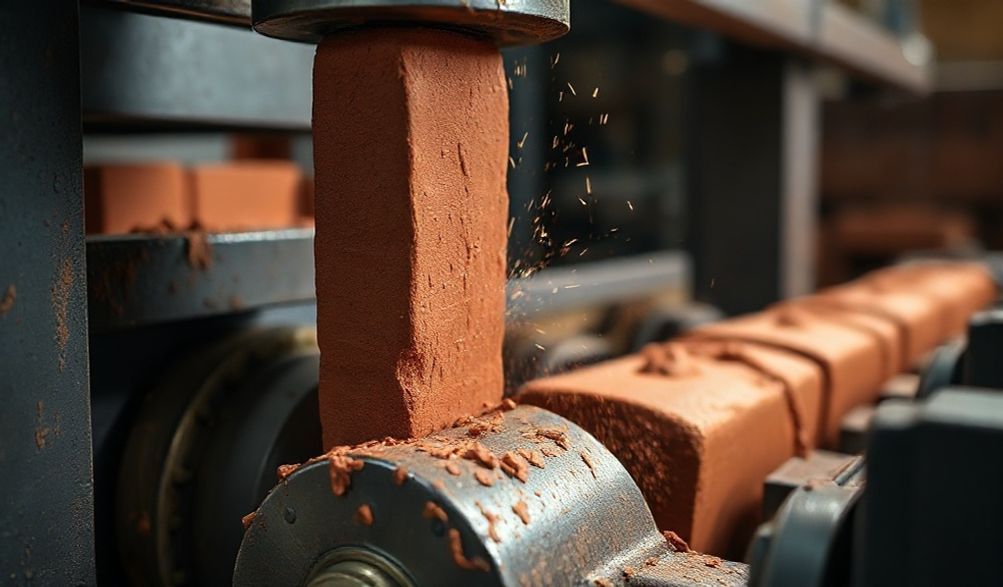
Panduan Utama Mesin Cetak Bata Merah: Jenis, Proses, dan Pemilihan
Selama ribuan tahun, warna merah hangat yang kaya dari batu bata telah identik dengan konstruksi yang tahan lama, indah, dan abadi. Dari lengkungan kuno hingga fasad modern, daya tariknya bersifat universal. Namun, cara kita memproduksi bahan bangunan mendasar ini telah mengalami revolusi yang berlangsung diam-diam. Sudah berlalu masa ketika pembuatan bata semata-mata merupakan prestasi kerja manual yang melelahkan. Kini, kualitas konsisten dan skala yang dibutuhkan oleh konstruksi modern digerakkan oleh sepotong peralatan kunci:mesin pencetak bata merah.
Bagi produsen batu bata, perusahaan konstruksi, dan pengusaha, tantangan intinya jelas: bagaimana memproduksi batu bata merah dalam volume tinggi yang akurat secara dimensi, kuat, dan seragam secara efisien dan hemat biaya. Metode manual jelas tidak dapat memenuhi tuntutan proyek kontemporer dalam hal kecepatan, konsistensi, dan skala.
Di sinilah pencetakan mekanis menjadi solusi definitif. Panduan komprehensif ini dirancang sebagai sumber daya otoritatif Anda. Dibangun berdasarkan keahlian industri, spesifikasi teknis, dan wawasan praktis, kami akan mengungkap mesin cetak bata merah. Tujuan kami adalah memberikan informasi tepercaya dan dapat ditindaklanjuti, agar Anda dapat membuat keputusan yang percaya diri dan terinformasi untuk operasional Anda, baik memulai pabrik baru maupun meningkatkan yang sudah ada.
Apa itu Mesin Cetak Batu Bata Merah? Fungsi Inti & Pentingnya
Inti dari mesin cetak bata merah adalah sistem mekanis yang dirancang untuk mengubah campuran tanah liat dan bahan tambahan yang telah disiapkan menjadi unit bata mentah berbentuk presisi—yang dikenal sebagai "bata hijau." Ini adalah langkah kritis antara persiapan bahan baku dan pembakaran akhir di tungku yang memberikan warna merah khas dan kekerasan pada bata.
Mendefinisikan Mesin: Dari Bahan Baku ke Batu Bata yang Terbentuk
Bayangkan mesin itu sebagai sebuah mesin cetak yang sangat terspesialisasi. Ia menerima campuran tanah liat yang lentur dan homogen, lalu melalui tenaga dan rekayasa presisi, membentuknya menjadi batu bata dengan bentuk dan ukuran tertentu. Desain mesin itulah yang menentukan apakah ia menghasilkan batu bata padat, berlubang, berpori, atau bahkan yang saling mengunci, semuanya dengan konsistensi yang mustahil dicapai dengan tangan.
Mengapa Pengecoran Bermesin Merupakan Pengubah Permainan
Pergeseran dari pencetakan manual ke mekanis merupakan lompatan mendasar dalam kemampuan produksi. Inilah alasan mengapa hal ini tidak bisa ditawar untuk produksi bata yang kompetitif:
- Konsistensi Output:Setiap batu bata dari mesin yang disetel dengan baik memiliki dimensi, kepadatan, dan penyelesaian permukaan yang identik. Keseragaman ini sangat penting untuk pemasangan batu bata yang efisien dan integritas struktural.
- Kecepatan Produksi:Mesin menghasilkan ratusan, bahkan ribuan bata per jam. Volume ini sangat penting untuk memenuhi permintaan proyek konstruksi berskala besar.
- Pengurangan Biaya Tenaga Kerja:Satu mesin yang dioperasikan oleh kru kecil dapat menggantikan lusinan pekerja manual, secara drastis mengurangi biaya operasional jangka panjang dan ketergantungan pada pembuat cetakan tangan yang terampil.
- Dimensi Seragam:Ukuran bata yang presisi (panjang, lebar, tinggi) meminimalkan penggunaan mortar, mempercepat konstruksi, dan memastikan penampilan akhir yang bersih dan profesional.
Jenis Mesin Cetak Batu Bata Merah: Uraian Terperinci
Tidak semua mesin cetak bata bekerja dengan cara yang sama. Pemilihan teknologi bergantung pada jenis bata yang diinginkan, volume produksi, dan anggaran. Tiga kategori utamanya adalah:
Mesin Cetak Ekstrusi (Ekstruder Tanah Liat)
Ini adalah tulang punggung produksi bata dalam volume tinggi.
- Proses: A prepared clay column is forced, under high pressure, through a shaped die (an extrusion mouthpiece). This creates a continuous, solid column of clay in the desired profile. A series of wires then automatically slice the column into individual brick units. Vacuum extruders remove air from the clay during this process, resulting in denser, stronger bricks.
- Terbaik Untuk: Mass production of solid, hollow, or perforated bricks. Vacuum extruders are the industry standard for high-quality facing bricks and engineering bricks due to the superior density they achieve.
Hydraulic Press Moulding Machines
These machines prioritize extreme precision and high brick density.
- Proses: A measured amount of clay is placed into a rigid steel mold cavity. A hydraulic ram then applies immense, controlled pressure—often hundreds of tons—to compress the clay into the mold’s shape. This produces bricks with very sharp edges, smooth surfaces, and exceptionally high compressive strength.
- Terbaik Untuk: Manufacturing high-strength paving bricks (clay pavers), specially shaped facing bricks, and any application where precise aesthetics and maximum durability are paramount. The process is often batch-based rather than continuous.
Manual & Semi-Automatic Moulding Machines
These machines offer a middle ground, introducing mechanization to smaller-scale operations.
- Proses: These machines typically involve an operator feeding clay into a mold box. The machine then mechanizes the pressing force (via a lever, flywheel, or small hydraulic system) and ejects the formed brick. Semi-automatic models may include conveyor belts to move the green brick away.
- Terbaik Untuk: Small-scale plants, startups, community projects, or regions with lower initial capital investment. They offer a significant productivity boost over purely manual methods while remaining relatively affordable and simple to maintain.
Key Components of a Brick Moulding Machine
Understanding the major components helps in evaluating machine quality and functionality.
The Heart: Mould or Die
This is the component that defines your final product.
* Bahan: Typically made from high-grade, hardened steel or specialized alloys to withstand immense abrasion and pressure.
* Desain: It is precisely machined to create the brick’s shape, size, and surface texture (smooth, rustic, etc.). Interchangeable moulds allow one machine to produce different brick types.
* Role: The quality of the mould directly impacts brick accuracy, ease of release, and long-term wear resistance.
Power & Pressure System (Hydraulic vs. Mechanical)
This is the “muscle” of the machine.
* Sistem Hidrolik: Use fluid pressure to generate force. They offer smoother operation, easily adjustable pressure settings, and are excellent for applications requiring very high, controlled compaction. Industry practice shows they allow for more precise control over brick density.
* Mechanical/Crank Systems: Use motors, gears, and flywheels to generate pressing force. They are often robust, simpler in design, and can be very efficient for certain standard brick types. They are commonly found in older or more basic extrusion machines.
Feeding Hopper & Conveyor Systems
These components ensure consistent production flow.
* Hopper Pengumpan: Holds the prepared clay and regulates its flow into the moulding chamber. A consistent feed is critical to prevent voids and ensure uniform brick density.
* Sistem Konveyor: Transport raw clay to the machine and carry away the delicate green bricks after moulding. They are essential for integrating the moulder into a seamless production line, especially in semi- and fully-automatic setups.
Control Panel & Automation Features
The “brain” of modern machines.
* Modern machines may feature Programmable Logic Controller (PLC) panels that allow operators to set press cycles, adjust pressure, and monitor production counts.
* Automation features can include automatic pallet feeding, brick stacking, and fault diagnostics, which enhance precision, reduce labor, and minimize downtime.
The Brick Making Process: From Clay to Moulded Brick
The moulding machine is central to a multi-stage process. Here’s how it fits in.
Step 1: Raw Material Preparation & Mixing
The machine cannot compensate for poor material preparation. Clay must be excavated, crushed, screened to remove stones, and then mixed with water (and sometimes additives like sand or fly ash) to achieve the perfect plasticity, or “workability.” The moisture content at this stage is critical—typically between 12-18% for extrusion—as it directly affects moulding quality and green brick strength.
Step 2: The Moulding Stage (Machine in Action)
This is where the machine takes center stage. A standard cycle involves:
1. Pemberian Makan: The prepared clay is introduced into the machine’s chamber or mold box.
2. Compression/Moulding: The machine’s power system applies pressure, forcing the clay to take the exact shape of the mould or die.
3. Pengusiran: The newly formed, soft “green brick” is gently pushed out of the mould onto a pallet or conveyor.
Step 3: Post-Moulding Handling
The job isn’t done when the brick leaves the machine. Green bricks are extremely fragile.
* They must be handled with care and stacked on drying carts or racks.
* They then undergo a drying process (often in chamber dryers) to remove most of the moisture slowly and evenly. This prevents cracking.
* Finally, the dried bricks are fired in a kiln (at ~900-1100°C). The iron oxide in the clay reacts with oxygen, giving the bricks their classic red color and ceramic strength.
How to Choose the Right Machine: A Buyer’s Checklist
Selecting a machine is a significant investment. This checklist, based on common industry evaluation criteria, will guide your decision.
Menilai Kebutuhan Produksi Anda
- Daily Output (Capacity): Be realistic about your current and near-future needs. Machine capacity is rated in bricks per hour (BPH). A small semi-automatic might produce 800-1500 BPH, while a large extruder can exceed 10,000 BPH.
- Jenis Bata: Determine the primary brick you will produce (solid, hollow, paving, interlocking). This will narrow down your machine type (e.g., hydraulic press for pavers).
- Space & Power: Ensure your facility has the floor space, electrical supply (3-phase is common for larger machines), or diesel setup required.
Quality & Durability Considerations
Prioritize robust construction over the lowest price.
* Frame & Welds: Look for heavy-duty steel frames with clean, strong welds.
* Mould Steel: Inquire about the grade and hardness of the mould/die steel. This is not a component to compromise on.
* Component Brands: Recognizable, reliable brands for hydraulic pumps, motors, and PLCs are a good indicator of quality and easier future servicing.
Automation Level vs. Investment
Analyze the total cost of ownership.
* Manual/Semi-Auto: Lower upfront cost, higher ongoing labor cost, suitable for variable or lower output.
* Sepenuhnya Otomatis: Higher capital investment, but drastically lower labor costs and higher, consistent output. The ROI is often quickly realized in medium to large-scale operations.
Supplier Reputation & After-Sales Support
This is perhaps the most critical factor for long-term trustworthiness and success.
* Proven Expertise: Choose a supplier with a verifiable track record and technical knowledge. Can they explain the engineering principles behind their machine?
* Technical Documentation: Insist on proper manuals, parts lists, and wiring diagrams.
* Garansi & Suku Cadang: A clear warranty and reliable availability of spare parts (especially wear parts like moulds) are non-negotiable. Downtime is lost revenue.
* Due Diligence: Seek client testimonials, ask for references, and if feasible, visit the factory. A reputable supplier will be transparent and supportive.
Maintenance Tips for Longevity & Consistent Output
A well-maintained machine ensures consistent quality and prevents costly breakdowns.
Daily & Weekly Maintenance Routines
- Clean Thoroughly: Remove all clay residue from the mould, hopper, and conveyors after each shift. Hardened clay can affect brick dimensions and damage components.
- Inspect Hydraulics: Check for leaks, ensure fluid levels are correct, and listen for unusual pump noises.
- Lubricate: Follow the manual’s schedule to grease all moving parts, bearings, and guide rails.
Mould/Dies Care and Management
- Clean moulds with wooden or plastic tools—never metal, which can scratch the precision surfaces.
- Store moulds in a dry place to prevent rust.
- Monitor for wear. Signs include bricks with rounded edges or difficulty in release, indicating it’s time for refurbishment or replacement.
Pemecahan Masalah Umum
- Bricks Sticking in Mould: Usually caused by worn moulds, insufficient release agent (often water mist), or clay that is too wet.
- Uneven Brick Density: Can result from an inconsistent clay feed, uneven pressure application, or incorrect moisture content.
- Mesin Macet: Often due to foreign objects in the clay (stones, metal) or over-feeding. Immediately stop the machine to clear the obstruction.
Bagian FAQ
Q1: What is the average production capacity of a standard red brick moulding machine?
Capacity varies enormously. Small semi-automatic machines start around 1,000 bricks per hour (BPH), standard extruders range from 3,000 to 8,000 BPH, and large, fully automatic lines can exceed 15,000 BPH.
Q2: What is the price range for a good quality brick moulding machine?
Prices vary widely based on type, automation, and capacity. A basic manual/semi-automatic machine can start from $5,000, a robust standard extruder may range from $25,000 to $50,000, and large, fully automated production lines can cost $100,000 or more. Always consider the total cost of ownership, including maintenance, parts, and energy consumption, not just the purchase price.
Q3: Can one machine produce different sizes and shapes of bricks?
Yes, but this depends on the machine design. Most machines allow for interchangeable moulds or dies. Changing a mould on a hydraulic press can be relatively quick, while changing a die on an extruder is a more involved process. Factor in the cost of additional moulds when planning.
Q4: How important is the moisture content of the clay for machine moulding?
It is absolutely critical. Optimal moisture content (typically 12-18% for extrusion) ensures proper plasticity. Clay that is too dry will not form properly and results in weak, crumbly bricks. Clay that is too wet will stick in the mould and cause deformation. Precise moisture control is a foundational skill in brickmaking.
Q5: What power source is required (Electric, Diesel, or Hybrid)?
* Listrik: Most common, reliable, and clean for fixed plant operations. Requires a stable grid connection, often 3-phase.
* Diesel: Provides mobility and independence from the electrical grid, ideal for remote or temporary sites. Has higher fuel costs and requires ventilation.
* Hibrida: Some models offer flexibility, using diesel for mobility and electric for stationary operation. Your choice depends entirely on your site conditions and infrastructure.
Kesimpulan
Selecting the right red brick moulding machine is a strategic decision that fundamentally shapes your product quality, operational efficiency, and business profitability. It is the core engine of your production line. By thoroughly analyzing your specific needs, prioritizing machine durability and supplier credibility, you invest not just in equipment, but in the future of your operation.
The industry continues to evolve with trends toward greater automation, energy efficiency, and smart controls. To navigate these choices successfully, we strongly recommend consulting directly with experienced production engineers or reputable suppliers who can provide tailored guidance. If you have specific project parameters or need further clarification on the topics covered in this guide, seeking expert consultation is the most trustworthy next step toward a successful investment.
<