
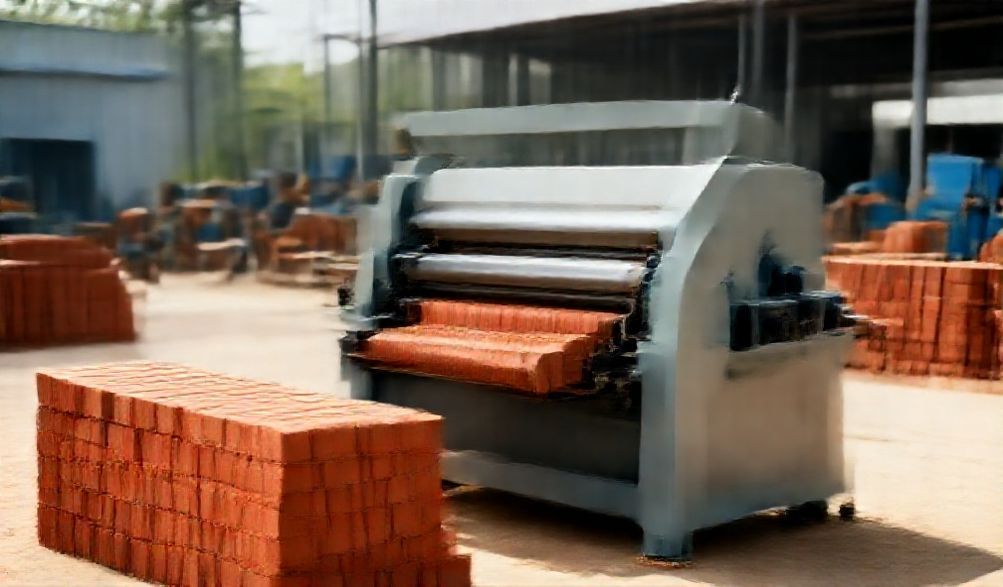
Panduan Utama Anda untuk Mesin Pembuat Batu Bata Tanah Liat di Tamil Nadu | Wawasan dari Pabrik Pembuat Blok FUDA
Pengantar
Dari kuil-kuil kuno Madurai hingga koridor IT yang menjulang di Chennai, lanskap Tamil Nadu dibangun di atas fondasi bata tanah liat. Material sederhana ini telah membentuk identitas arsitektur negara bagian selama berabad-abad. Kini, ledakan konstruksi besar-besaran—mencakup kompleks perumahan, taman industri, dan infrastruktur perkotaan—mendorong permintaan yang belum pernah terjadi sebelumnya akan bahan bangunan berkualitas tinggi.
Namun, bagi banyak produsen dan pengusaha lokal, memenuhi permintaan ini dengan metode manual tradisional adalah perjuangan yang terus-menerus. Pembuatan bata secara manual membutuhkan tenaga kerja besar, sangat lambat, dan dihantui ketidakkonsistenan dalam ukuran serta kekuatan. Hal ini menyebabkan pemborosan bahan baku, rantai pasokan yang tidak dapat diandalkan, dan ketidakmampuan untuk bersaing mendapatkan kontrak yang lebih besar dan lebih menguntungkan.
Solusinya? Mekanisasi. Berinvestasi dalam peralatan modernகளிமண் செங்கல் தயாரிக்கும் இயந்திரம் தமிழ்நாடுbukan lagi sebuah kemewahan; ini adalah kebutuhan strategis untuk pertumbuhan dan kelangsungan hidup. Panduan ini menjadi sumber daya komprehensif Anda, dengan mengacu pada praktik terbaik industri dan wawasan dari para pemain mapan sepertiPabrik pembuatan blok FUDATujuan kami adalah menyediakan informasi terpercaya dan dapat ditindaklanjuti—yang didasarkan pada pengalaman, keahlian, otoritas, serta kredibilitas (E-E-A-T)—agar Anda dapat membuat investasi yang percaya diri dan tepat untuk masa depan bisnis Anda.
Mengapa Mekanisasi? Keunggulan Mesin Pembuatan Batu Bata Tanah Liat
Beralih dari produksi manual ke produksi berbasis mesin merupakan pengubah permainan. Manfaatnya jauh melampaui sekadar membuat batu bata lebih cepat; hal ini mengubah seluruh model bisnis Anda, meningkatkan kualitas, efisiensi, dan profitabilitas.
Konsistensi Tak Tertandingi & Kualitas Unggul
- Rekayasa Presisi:Mesin-mesin memproduksi batu bata dengan dimensi yang tepat dan seragam setiap saat. Presisi ini sangat penting dalam konstruksi modern, memastikan pemasangan yang lebih cepat, penggunaan mortar yang lebih sedikit, dan dinding yang kokoh secara struktural.
- Kompresi Optimal:Tekanan hidrolik atau mekanis memadatkan campuran tanah liat hingga kepadatan seragam, yang secara langsung menghasilkan kekuatan tekan lebih tinggi, daya tahan lebih baik, dan struktur yang lebih tahan lama dibandingkan dengan kepadatan bata buatan tangan yang bervariasi.
Peningkatan Produksi yang Dramatis
- Lompatan EksponensialSeorang pengrajin terampil mungkin menghasilkan 500-800 bata dalam sehari penuh, sementara mesin semi-otomatis dasar dapat memproduksi 2.000-3.000 bata dalam shift 8 jam. Pabrik otomatis penuh, seperti yang digunakan oleh operasi skala besar, dapat menghasilkan puluhan ribu unit setiap hari.
- Memenuhi PermintaanPeningkatan output yang besar ini memungkinkan Anda untuk secara andal memasok proyek perumahan, pembangun komersial, dan kontrak pemerintah, menjadikan unit Anda sebagai penghubung kunci dalam rantai pasokan konstruksi Tamil Nadu.
Pengurangan Signifikan dalam Biaya Tenaga Kerja & Ketergantungan
- Optimalisasi Tenaga Kerja Mechanization automates the most strenuous tasks—mixing, molding, and compaction. This reduces physical strain and allows you to reallocate skilled labor to supervision, quality control, and logistics.
- Solving Shortages: With increasing rural-to-urban migration, finding consistent manual labor is a challenge. Machines provide operational stability and reduce your vulnerability to labor shortages and fluctuating wage demands.
Enhanced Material Efficiency & Cost Savings
- Minimalkan Limbah: Manual processes often lead to significant clay wastage due to spillage and irregular molding. Machines use precisely measured amounts of material for each brick, optimizing raw material consumption.
- Lower Cost Per Unit: The combined savings from reduced labor, lower material waste, and higher output volume drastically reduce the production cost per brick, directly boosting your profit margins.
Exploring Clay Brick Making Machine Types (Popular in Tamil Nadu)
The market offers a range of machines to suit different scales of operation and investment levels. Understanding these types is the first step in selecting the right fit for your enterprise.
Mesin Pembuat Batu Bata Manual / Dioperasikan dengan Tangan
- Terbaik Untuk: Micro-enterprises, village-level startups, and entrepreneurs testing the market.
- Fitur Utama: Low initial investment, no power requirement, and high portability. They involve manually feeding the mixture and using a lever to compress it into a mold.
- Keluaran: Can significantly improve consistency over purely handmade methods, with a production of 300-500 bricks per day.
Mesin Pembuat Bata Semi-Otomatis
- Terbaik Untuk: Small to medium-scale businesses (SMEs) looking to scale up sustainably. This is one of the most popular choices across Tamil Nadu.
- Fitur Utama: These electrically powered machines automate the mixing, compaction, and molding processes. An operator is needed to feed raw material and remove finished bricks.
- Keluaran: Offers an excellent balance, producing between 2,000 to 6,000 bricks per 8-hour shift, depending on the model and brick size.
Pabrik Pembuatan Batu Bata Sepenuhnya Otomatis
- Terbaik Untuk: Large-scale manufacturers like the Pabrik pembuatan blok FUDA, aiming for mass production to supply major projects.
- Fitur Utama: These are complete production lines with automated material handling, mixing, molding, curing, and stacking systems. They require a higher initial investment and more space but deliver maximum efficiency.
- Keluaran: Production can exceed 10,000 to 50,000 bricks per day, making them ideal for meeting bulk orders consistently.
Specialized Machines: Hollow Block, Paver, Interlocking Brick Makers
- Market Diversification: Beyond solid clay bricks, demand is growing for specialized products. Many machines come with interchangeable molds.
- Bata Ringan: Lighter weight, better insulation, and reduced material cost.
- Pavers & Interlocking Bricks: For landscaping, driveways, and pavements, catering to the booming real estate and urban development sectors.
Key Features to Evaluate Before Buying a Machine
Choosing the right machine requires careful consideration of your specific needs and local conditions. Don’t just look at the price tag; evaluate these critical features.
Production Capacity (Bricks per Hour/Day)
- Align with Goals: Honestly assess your current orders and projected growth. Buying an undersized machine will leave you unable to meet demand, while an oversized one will strain your finances. Calculate based on brick type and size.
Jenis dan Ukuran Bata yang Beragam
- Future-Proofing: A machine that allows for easy mold changes lets you adapt to market trends. Check if the supplier offers molds for different brick sizes (e.g., 4”, 6”, 9”) and types (solid, hollow, perforated).
Power Requirement (Electric, Diesel, Hybrid)
- Critical for Tamil Nadu: While electric motors are common, power fluctuations or outages in some areas can halt production. Diesel engines offer independence but have higher fuel costs. Hybrid models provide a flexible backup. Assess your local power reliability.
Durability & After-Sales Support
- Kualitas Pembuatan: Inspect the frame, hydraulics, and mold quality. Machines with robust, wear-resistant parts may cost more upfront but save on downtime and repair costs.
- Jaringan Layanan Lokal: This is non-negotiable. Ensure the supplier or manufacturer has a reliable service team and spare parts inventory within Tamil Nadu. Prompt support is crucial for minimizing production losses.
Spotlight: FUDA Block Making Factory – A Case Study in Efficiency
Examining established players provides a blueprint for success. While specific proprietary details may not be public, the operational principles of a factory like FUDA offer valuable lessons.
Who is FUDA? Establishing Authoritativeness
- FUDA represents the class of established, forward-thinking manufacturers in the region. Their longevity and scale in the block and brick manufacturing sector demonstrate a successful adaptation to market demands through mechanization and process optimization.
Machine Integration in Their Production Line
- A factory at this scale likely operates a fully or highly automated plant. The workflow is seamless:
- Raw Material Processing: Local clay is fed into automated crushers and mixers to achieve a perfectly consistent blend.
- Pembentukan & Pemadatan: The mixture is conveyed to high-pressure automatic brick making machines for shaping.
- Pengeringan & Pengawetan: Newly formed bricks move on conveyor belts to dedicated drying yards or chambers, followed by systematic water curing to achieve maximum strength.
- Automated Stacking: Finally, bricks are automatically stacked and prepared for dispatch.
- This integration minimizes human handling, maximizes speed, and ensures product uniformity from the first brick to the ten-thousandth.
The Tangible Business Outcomes
- By adopting such mechanized systems, a factory like FUDA achieves key outcomes:
- Keandalan Rantai Pasok: The ability to guarantee large, consistent volumes makes them a preferred supplier for major construction firms and infrastructure projects.
- Enhanced Competitiveness: High efficiency lowers the per-unit cost, allowing competitive pricing while maintaining healthy profit margins.
- Brand Reputation: Delivering uniform, high-strength bricks consistently builds a reputation for quality and trust, which is invaluable in the construction industry.
Setting Up Your Machine for Success in Tamil Nadu
Buying the machine is only half the battle. Proper setup and operation are key to realizing its full potential.
Sourcing Quality Raw Materials Locally
- Clay Testing: The quality of your brick depends on the clay. Test local soil for its plasticity, shrinkage, and iron content. Districts like Tirunelveli, Vellore, and Kancheepuram have known clay deposits suitable for brick making.
- Mix Consistency: Aim for a consistent mix of clay, sand (for reducing shrinkage), and water. The right proportion is critical for the machine to function smoothly and produce strong bricks.
Site Preparation and Basic Infrastructure Needs
- Adequate Space: You need space for the machine, raw material storage, a mixing area, a drying yard, and a curing area. Plan for easy material flow.
- Strong, Level Flooring: The machine must be installed on a solid, level concrete base to prevent vibrations and misalignment.
- Shelter: Protect the machine from direct rain and sun to extend its lifespan.
- Utilities: Ensure access to the required power connection and a reliable water source for mixing and curing.
The Curing Process: Essential for Strength
- Pengeringan: After molding, bricks must be dried slowly to prevent cracking. In Tamil Nadu’s climate, initial sun-drying should be controlled; shaded drying yards are ideal.
- Water Curing: Bricks gain most of their strength through proper water curing. They should be kept moist for 7-14 days after drying. This step cannot be rushed—it is what creates a durable, weather-resistant final product.
Operator Training and Safety Protocols
- Invest in Training: A well-trained operator can optimize output, perform basic maintenance, and identify minor issues before they become major breakdowns. Insist on comprehensive training from your supplier.
- Safety First: Ensure all moving parts are guarded. Operators should use safety gloves, goggles, and boots. Establish clear protocols for machine operation and emergency shutdowns.
Navigating the Market: Cost & Supplier Selection in Tamil Nadu
Making a smart purchase involves diligent research and asking the right questions.
Understanding Pricing Factors
- Tingkat Otomasi: Manual machines can start from a few thousand rupees, semi-automatic models range from ₹2-10 lakhs, and fully automatic plants can cost ₹20 lakhs and above.
- Brand & Origin: Internationally branded or high-end Indian machines cost more but may offer better technology. Reliable Indian manufacturers provide robust options at competitive prices.
- Capacity & Features: Higher output capacity, additional features like auto-feeding, and the number of included molds will increase the price.
Identifying Reputable Manufacturers & Suppliers
- Verify Track Record: Research the company’s history. How long have they been in business?
- Visit if Possible: A factory visit reveals build quality and operational scale. Ask to see machines running.
- Check Client Testimonials: Speak directly to other brick manufacturers in Tamil Nadu who use their equipment. This is the most reliable reference.
- Compare Support: Evaluate their after-sales service promise, warranty period, and spare parts logistics.
Key Questions to Ask Before Purchase
- What is the exact warranty coverage and duration?
- Do you provide on-site installation and commissioning?
- Is operator training included?
- What is the availability and cost of critical spare parts?
- Can you provide contact details for 2-3 current customers in a similar district whom I can speak to?
- What is the recommended maintenance schedule?
Pertanyaan yang Sering Diajukan (FAQ)
Q1: What is the approximate price range for a clay brick making machine suitable for a small business in Tamil Nadu?
A: For a small-scale startup, a manual machine can cost between ₹50,000 to ₹1.5 lakhs. A entry-level semi-automatic machine, which is highly recommended for serious small businesses, typically ranges from ₹2 lakhs to ₹5 lakhs, depending on capacity and features.
Q2: Can these machines use different types of local soil or clay found across Tamil Nadu districts?
A: Yes, most machines are designed to work with a variety of clayey soils. However, the soil may need to be tempered—mixed with sand or other additives—to achieve the right plasticity and shrinkage properties. It’s advisable to get your local soil tested and consult with the machine supplier on the ideal mix formula.
Q3: How much power (in kW or HP) is typically required to run a semi-automatic brick making machine?
A: A standard semi-automatic machine for making solid bricks usually requires a motor in the range of 5 HP to 10 HP (approximately 3.7 kW to 7.5 kW). Always confirm the exact requirement with the specific model you are considering.
Q4: What is the average payback period on the investment for a medium-capacity machine?
A: With efficient operation and good market demand, a well-run semi-automatic brick making unit can often see a payback period of 12 to 24 months. This depends heavily on factors like production efficiency, raw material cost, local brick prices, and sales volume.
Q5: Besides the machine itself, what are the other major setup costs I should budget for?
A: Key additional costs include: site development (leveling, flooring, shed), raw material stockpile, a mixer (if not integrated), trolleys for material handling, a water pump and tank for curing, electrical setup (transformers/wiring), and initial working capital for labor and materials for the first few months.
Q6: Are there any government subsidies or schemes for setting up a brick manufacturing unit in Tamil Nadu?
A: Schemes for MSMEs (Micro, Small, and Medium Enterprises) can sometimes be applicable. It is recommended to check with the Tamil Nadu Industrial Investment Corporation (TIIC) or your local District Industries Centre (DIC) for the most current information on credit-linked capital subsidy schemes, interest subsidies, or other support for manufacturing units.
Kesimpulan
The journey from manual brick-making to mechanized production is the definitive path to scaling your business and securing a competitive edge in Tamil Nadu’s vibrant construction market. Investing in the right clay bricks making machine is an investment in consistency, quality, and long-term profitability.
Let the operational insights from successful entities like the Pabrik pembuatan blok FUDA serve as your benchmark. Their success underscores the importance of choosing durable equipment, setting up efficient processes, and prioritizing after-sales support.
Use this guide as your foundational research. Take the next step: visit supplier workshops, request live demonstrations, and, most importantly, speak directly with existing machine owners in your region. There is no substitute for first-hand experience. By making an informed, strategic decision today, you are not just buying a machine—you are building the foundation for your business’s future growth, ready to meet the demands of a state that is constantly building upwards and outwards.
<