
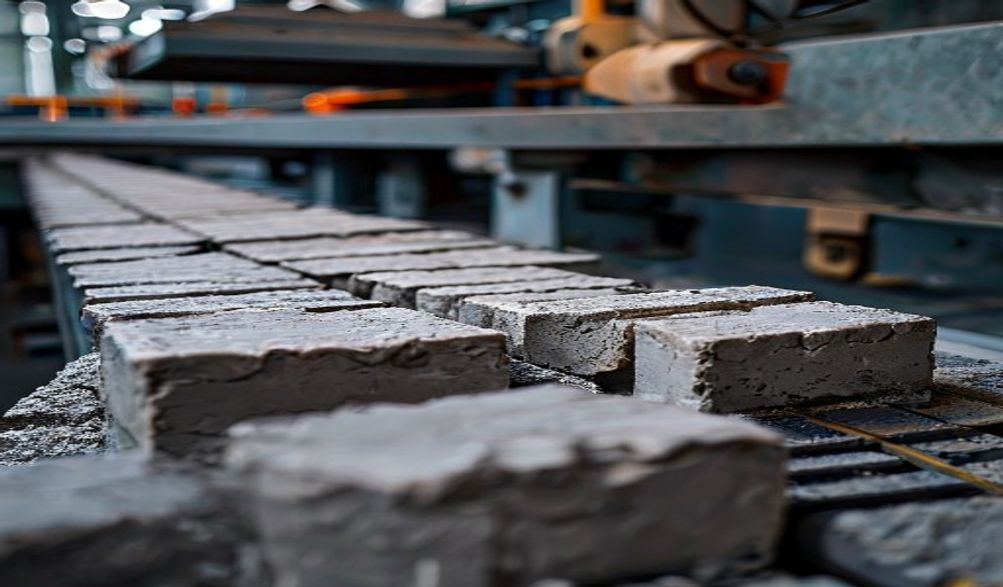
Кірпіш жасау машинасын қалай таңдау керек: Толық сатып алушы нұсқаулығы
Кіріспе
Ең қарапайым үйден бастап ең жоғары мұнараға дейін, кірпіштер біздің әлеміміздің негізгі құрылыс материалдары болып табылады. Кәсіпкерлер, құрылыс фирмалары және жоба менеджерлері үшін,қалайОсы кірпіштерді өндіру шешуші рөл атқарады. Дұрыс кірпіш жасау машинасын таңдау - бұл жай ғана сатып алу емес, бұл сіздің бүкіл операцияңыздың сапасына, тиімділігіне және соңғы табыстылығына салынған инвестиция. Қате таңдау жұмыстың тоқтап қалуына, сапасыз өнімдерге және қаржылық қиындықтарға әкелуі мүмкін.
Бұл нұсқаулық сізге нақты жол картасы болады. Ол салалық біліктілік, техникалық білім және практикалық операциялық тәжірибеге негізделген, сондықтан маркетингтік шудан тыс нақты ақпаратты ұсынады. Біз сізге осы маңызды шешімді қабылдау үшін анық және іс-әрекетке бағытталған құрылымды ұсынамыз. Оның соңында сіз текКірпіш жасау машинасын қалай таңдау керекбірақ қалай таңдау керекоңтайлыСіздің нақты мақсаттарыңызға арналған машина, жалпы және қымбат қателіктерді болдырмауға көз жеткізеді.
Сіздің жоба талаптарыңызды түсіну: Таңдауыңыздың негізі
Бір машина буклетіне көз салғаныңызша, алдымен өз ішіңізге қарауыңыз керек. Жобаңыздың ерекше қажеттіліктері таңдауыңыздың мәмілені қайтаруға болмайтын жобасы болып табылады. Бұл қадамды өткізіп жіберу - қымбат қағаз басын сатып алудың ең жылдам жолы.
Өндіріс көлемі мен ауқымын бағалау
Сіздің талап етілетін нәтижеңіз шығын мен күрделіліктің негізгі себепшісі болып табылады. Болжамдарыңызбен өте шынайы болыңыз.
-
Кіші және орташа масштабты (қолмен/жартылай автоматты):
- Шығару:Күніне 1,000 – 5,000 блокқа дейін.
- Үшін Қолайлы:Стартаптар, шағын құрылыс жобалары, қоғамдық кәсіпорындар немесе нарықты сынап көретін кәсіпкерлік субъектілер.
- Қарастыру:Бұл машиналар қол еңбегін көбірек қажет етеді, бірақ бастапқы инвестиция төмен және техникалық қызмет көрсету қарапайым.
-
Ірі көлемді коммерциялық өндіріс (Толық автоматтандырылған):
- Шығару:Күніне 8,000-дан 50,000+ блокқа дейін.
- Үшін Қолайлы:Белгіленген кірпіш зауыттары, ірі құрылыс фирмаларының жеткізушілері және ірі инфрақұрылымдық жобалар.
- Қарастыру:Жоғары капиталдық шығындар бірлікке келетін еңбек шығындарының төмендігімен және жоғары, тұрақты сапамен өтеледі.
Өзіңнен сұра:Бұл белгіленген мерзімі бар бір реттік жоба ма, әлде үздіксіз өндірістік бизнесті іске қосу ма? Сіздің жауабыңыз сізге жұмыс атты ма, әлде жылдамдық чемпионы қажет екенін анықтайды.
Қажетті кірпіш немесе блоктардың түрін анықтау
Барлық кірпіш тең жасалмағандықтан, оларды жасайтын машиналар да бірдей емес. Қажетті дайын өнім сіздің іздеуіңізді бірден тарылтады.
- Қатты және қуыс бетон блоктар:Құрылыстың негізі. Күшті діріл және қысуға ие машиналарды қажет етеді.
- Тротуарлық тақташалар (біріктірілетін немесе стандартты):Тұрақтылық үшін жоғары тығыздықтағы тығыздау қажет. Көбінесе арнайы паллет беру жүйелері қажет.
- Кірпіш (Күйдірілген немесе күйдірілмеген):Бетон машиналарымен салыстырғанда мүлдем басқа экструзия немесе престеу технологиясын қолдану.
- Мамандандырылған блоктар:Құлыпталатын топырақ блоктары, жеңіл газдалған блоктар немесе арнайы сәулеттік пішіндер белгілі бір машина мүмкіндіктері мен қалып дизайнын талап етеді.
Ереже қарапайым:Алдымен өніміңізді анықтаңыз, содан кейін оны өндіруге арналған машинаны табыңыз.
Шикізат қолжетімділігін талдау
Сіздің машинаңыз жергілікті ресурстарға серік болуы керек, олармен бәсекелес емес.
- Бетон негізіндегі машиналар:Бұл ең кең таралған түрі. Олар цемент, құм, толықтырғыш және су қоспасын пайдаланады. Сіз сапалы толықтырғыштарға үнемді қол жеткізе алатыныңызға көз жеткізіңіз.
- Саман кірпіш машиналары:Идеалды, егер сізде мол сазды қорлар болса. Олар сығымдау, кесу және жиі пеште күйдіру сияқты процестерді қамтиды.
- Ұшқан күл немесе топырақ негізіндегі машиналар:Өнеркәсіп қалдықтарын немесе тұрақтандырылған топырақты пайдаланатын экологиялық таза нұсқалар. Тұрақты құрылысты насихаттайтын аймақтар үшін тамаша.
Машинаны жергілікті түрде қол жетімді, тиімді шикізаттарға сәйкестендіру ұзақ мерзімді өміршеңдік үшін негізгі қадам болып табылады.
Кірпіш жасау машиналарының негізгі түрлерінің түсіндірмесі
Енді, сіздің қажеттіліктеріңізді машина түрлеріне аударайық. Бұл негізгі түрлерді түсіну өте маңызды.
Қолмен және жартылай автоматты машиналар
Бұл кірпіш өндірісіне кіру нүктелері.
- Олар қалай жұмыс істейді: Manual machines rely entirely on human labor for mixing, feeding, and compaction (often via a lever). Semi-automatic versions use a mechanical or hydraulic press operated by a worker, with some automated elements like vibration.
- Артықшылықтары:
- Өте төмен бастапқы инвестиция.
- Minimal electricity consumption.
- Simple to operate and repair.
- Highly portable.
- Кемшіліктері:
- Low production output.
- High labor intensity and cost.
- Inconsistency in brick density and strength if not carefully operated.
- Verdict: Perfect for proof-of-concept, very small budgets, or regions with extremely low labor costs but unreliable power.
Fully Automatic Stationary Plants
These are the powerhouses of the industry, representing a turnkey production line.
- Олар қалай жұмыс істейді: From batching and mixing to molding, curing, and stacking, the process is automated via conveyor belts and programmable logic controllers (PLCs). Human intervention is primarily for monitoring and maintenance.
- Артықшылықтары:
- Very high, consistent output.
- Exceptional and uniform product quality.
- Dramatically reduced labor requirements.
- Higher profit margins at scale.
- Кемшіліктері:
- Very high capital cost.
- Requires significant factory space and robust power supply (3-phase).
- Complex installation and need for skilled technicians for maintenance.
- Verdict: The choice for serious, large-volume commercial production where efficiency and quality are paramount.
Mobile Brick Making Machines
These offer a unique set of advantages for specific scenarios.
- Олар қалай жұмыс істейді: Mounted on a trailer or truck bed, these machines can be driven to a construction site to produce bricks directly where they are needed.
- Артықшылықтары:
- Eliminates the cost and breakage of transporting finished bricks over long distances.
- Reduces the project’s carbon footprint.
- Provides flexibility for companies working on multiple remote sites.
- Кемшіліктері:
- Output is generally lower than large stationary plants.
- May have higher wear and tear due to constant movement.
- Still requires a source of raw materials and power on-site.
- Verdict: An excellent solution for large, remote infrastructure projects (dams, roads, rural housing) where transport costs are prohibitive.
Critical Technical Specifications to Evaluate
When comparing specific models, move beyond the glossy pictures and focus on these hard numbers and features.
Сағаттық/Тәуліктік өндірістік қуаттылық (Блоктар сағатына/тәулігіне)
Manufacturer claims are often based on ideal laboratory conditions.
- Look Deeper: Ask for the цикл уақыты (how long to produce one batch) and the mold capacity (how many blocks per cycle). Multiply these for a theoretical maximum.
- Real-World Factor: Deduct 15-20% for real-world variables like material feeding, pallet changes, and minor stoppages. A machine claiming 1,000 blocks per hour might reliably produce 800-850.
Machine Power and Energy Consumption
This is a major operational cost center.
- Қуат түрі: Electric is clean and efficient but requires stable grid power. Diesel is powerful and independent, suited for areas with unreliable electricity, but has higher fuel costs and emissions. Hybrid models offer flexibility.
- Due Diligence: Calculate your daily running cost. A 30kW machine running 8 hours a day at your local electricity rate will have a very different cost profile than a diesel-powered one. Don’t get surprised by the power bill.
Pressure and Vibration Systems
This is the heart of your brick’s strength. Proper compaction removes air pockets and ensures density.
- Діріл: Essential for concrete blocks. Look for high-frequency, dual-sided vibration that ensures even compaction throughout the mold.
- Қысым Hydraulic pressure systems provide immense, controllable force, crucial for high-density paving stones and interlocking blocks. Understand the compaction force (measured in kN or tons) – higher is generally better for strength.
- Combination Systems: The best machines often employ a “vibrate and press” method for superior results.
Mold Quality and Customization
The mold defines your product’s shape and wears out over time.
- Материал: High-carbon, heat-treated steel molds last exponentially longer than mild steel ones. They resist abrasion and deformation. This is an area where cheaper machines cut corners.
- Жекелендіру: If you plan to produce specialty blocks, confirm the manufacturer can design and supply custom molds. Ask about the lead time and cost for additional molds.
- Changeover: How easy is it to change molds? A system that allows for quick changeovers (under 30 minutes) increases your operational flexibility.
Beyond the Machine: Operational and Support Factors
The machine’s price tag is just the beginning. True cost and success lie in these operational realities.
Total Cost of Ownership Analysis
Make a spreadsheet. Account for every cost over a 5-year period:
* Бастапқы құны: Machine price, shipping, import duties, installation.
* Операциялық шығындар: Energy/fuel, labor, raw materials.
* Техникалық қызмет көрсету шығындары: Routine service, replacement parts (wear parts like molds, mixer blades, hydraulic seals), and potential downtime costs.
* Training Costs: On-site training for your operators.
A slightly more expensive machine with a longer lifespan and lower maintenance can have a far lower total cost of ownership than a cheap machine that breaks down constantly.
Manufacturer Reputation and After-Sales Support
This is where your risk is managed. Your relationship with the manufacturer is as important as the machine itself.
- Establish Trust: Research their history. How long have they been in business? Look for client references and case studies – and actually contact them. Ask about machine performance and support responsiveness.
- Critical Support Elements:
- Кепілдік: What is covered, for how long, and what are the terms?
- Қосалқы бөлшектер: Is there a local parts depot? What is the typical shipping time for critical components? A machine is useless if you wait months for a spare.
- Техникалық қолдау: Do they offer remote support (phone, video)? Can they dispatch technicians? Is there clear documentation (manuals, diagrams)?
Safety Features and Ease of Operation
Protect your people and your investment.
- Safety First: Look for essential guards on moving parts, emergency stop buttons, and two-hand operation controls on semi-automatic machines to prevent accidents.
- Пайдалану оңайлығы: A well-designed control panel, clear indicators, and logical workflow reduce operator error and training time. Good manufacturers provide comprehensive training.
A Step-by-Step Selection Checklist
Use this actionable list to guide your process from start to finish.
- Define Your Core Needs: Lock down your required production volume, brick types, raw materials, and realistic budget (including operational costs).
- Research & Create a Shortlist: Based on #1, identify 3-5 reputable manufacturers whose machine types align with your needs.
- Request & Scrutinize Detailed Quotes: Ask for formal quotes including full technical specs, FOB/CIF prices, delivery timelines, warranty details, and a list of recommended spare parts.
- Conduct Due Diligence: Ask each manufacturer for 2-3 customer references in a similar climate/region. If possible, visit a working installation to see the machine in action.
- Evaluate Support Structures: Compare warranty length, spare parts pricing and logistics, and the proposed training plan. Read the service contract carefully.
- Make Your Informed Decision: Weigh the complete package—machine performance, total cost of ownership, and the quality of manufacturer support. Choose the partner, not just the product.
Жиі қойылатын сұрақтар (ЖҚС)
Q: What is the single most important factor when choosing a brick making machine?
A: There is no single factor. Success hinges on the precise alignment of three pillars: your specific production needs, your total available budget (including running costs)жәнеmachine’s proven capability backed by reliable support. The most powerful machine is a liability if you can’t afford its parts or power it.
Q: How much does a good brick making machine cost?
A: Prices have an enormous range. A simple manual machine can start at $2,000 – $5,000. A robust semi-automatic model may be $10,000 – $30,000. A fully automatic production line can range from $50,000 to over $500,000. Always analyze the Иелік құнының жалпы сомасытек қана сатып алу бағасы ғана емес.
Q: Can one machine produce different types of bricks?
A: Yes, versatility is common. However, it requires changing the mold. When evaluating a machine, check the cost, availability, and ease of changing molds. Some systems allow for quick changes, while others are more time-consuming.
Q: What are the most common mistakes first-time buyers make?
A:
1. Underestimating Requirements: Failing to account for needed space, power (3-phase vs. single-phase), and skilled labor.
2. Price Tunnel Vision: Choosing the absolute cheapest option, which often compromises on steel quality, leading to rapid wear and breakdowns.
3. Ignoring the Support Equation: Not planning for maintenance or verifying spare parts availability, leading to catastrophic downtime.
4. Overestimating Skill: Assuming operation is simple without investing in proper training for the team.
Қорытынды
Choosing a brick making machine is a strategic decision that reverberates through your business for years. It demands a careful balance of technical understanding, financial planning, and foresight. By methodically working through your project requirements, understanding the types of machines available, scrutinizing technical specs, and, above all, prioritizing a partnership with a reputable manufacturer, you de-risk your investment.
Remember, you are not just buying a piece of equipment; you are investing in the foundation of your production capability. Prioritize long-term reliability, service, and total value over short-term savings. Use the checklist provided, compile your specific questions, and approach manufacturers not as a novice, but as an informed buyer ready for a detailed consultation. Your ideal machine is out there—now you have the blueprint to find it.
<