Кептіруден де көп: Организмнің ғылыми негізі
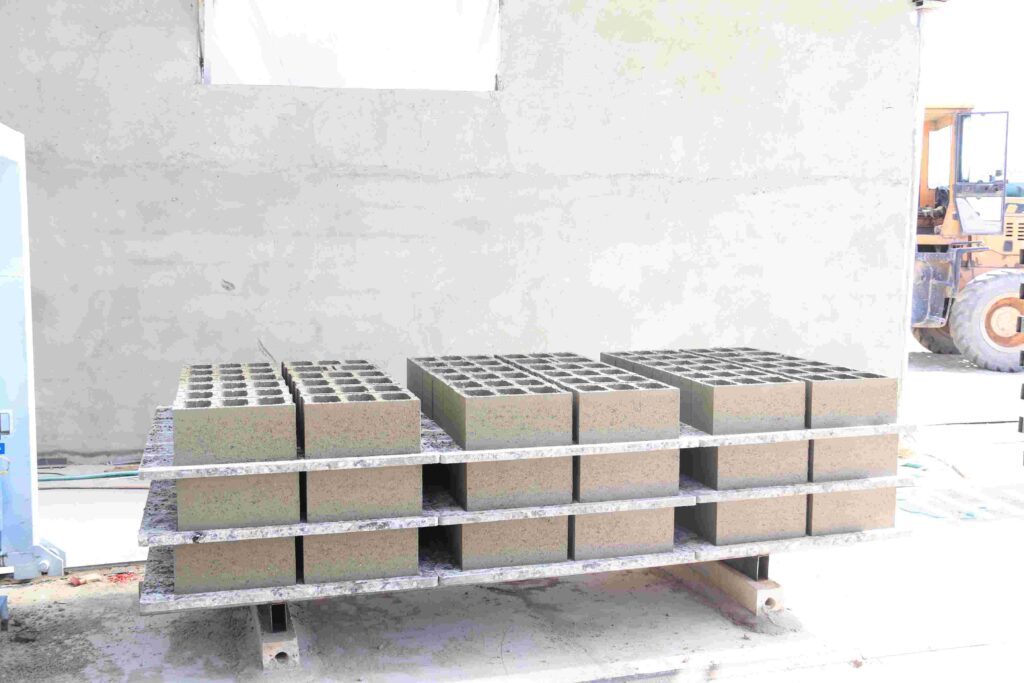
“Баптау” және толық “қатаю” ұғымдарын ажырату өте маңызды. Алғашқы баптау кезеңі блоктың зақымданбай өңдеуге – атап айтқанда, зауыт ішінде немесе қойма алаңына тасымалдау үшін паллетке орнату, орау және жеткізуге жеткілікті беріктік пен тұрақтылық алуына қажетті уақытты білдіреді. Бұл, ең алдымен, бос судың жоғалуы мен байланыстырғыш заттың (мысалы, цемент) алғашқы гидратация реакцияларына байланысты.
- 1.1. Негізгі химиялық және физикалық үдерістер
Өндіріс кезінде блоктар айтарлықтай мөлшерде араласқан суды қамтиды. Алғашқы сағаттарда гидратация процесі басталады, су цементтік материалдармен әрекеттесіп, толтырғышты біріктіретін кристалды құрылымдарды қалыптастырады. Сонымен қатар, су беттен булана бастайды. Блок пластикалық, иілгіш күйден қатты күйге өтеді. «Жасыл беріктіктің» бұл бастапқы өсімі қауіпсіз өңдеуге мүмкіндік береді. - 1.2. Орнатуды қатайтудан ажырату
Қою тек басы ғана. Толық қатаю - апталарға, тіпті айларға созылатын ұзақ үдеріс, бұл кезде блоктар біртіндеп өздерінің соңғы есептік беріктігіне жетеді. Блок 24-48 сағат ішінде тасымалдауға жеткілікті түрде қатуы мүмкін, бірақ дұрыс жағдайларда келесі 28 күн ішінде айтарлықтай беріктік жинауды жалғастырады. Жеткізу тізбегі үшін қату уақыты шешуші рөл атқарады.Өңдеу және жөнелтуКестелер, жұмыс орнында немесе қоймада қатаю жалғасып жатқан кезде.
2. Бастапқы орнату уақытына әсер ететін негізгі факторлар
Уақыт кестесі әмбебап емес; ол бірнеше өндірістік және экологиялық факторларға байланысты өзгереді.
- 2.1. Материалдық құрам және араластыру жобасы
- Байланыстырушы түрі:Қолданылатын цементтік материалдардың химиялық құрамы басты рөл атқарады. Жылдам беріктікті қамтамасыз етуге арналған формулалар тезірек қатады.
- Су-цемент арақатынасы:Оңтайлы су мөлшері бар қоспа, тым ылғалды немесе тым құрғақ қоспаға қарағанда, тиімдірек қатайып, беріктікке ие болады.
- Admixtures: The use of specific additives can accelerate or retard the setting time. Some products may include accelerators to speed up early strength gain for faster turnover.
- 2.2. Production Method and Block Density
- Manufacturing Process: High-pressure compaction methods, common in many block types, expel air and water, creating a denser matrix that can gain handling strength more quickly compared to some lower-pressure methods.
- Density Classification: Denser units typically develop handling strength faster than lighter, more porous units, as the matrix is more consolidated.
- 2.3. Environmental Conditions in the Plant and Yard
- Temperature: This is the most influential external factor. Warm conditions (ideally 70°F/21°C and above) significantly accelerate hydration and evaporation, leading to faster set. Cold temperatures (below 50°F/10°C) can slow reactions dramatically, potentially doubling or tripling the required setting time before handling.
- Humidity: High ambient humidity slows the evaporation of surface water, prolonging the time needed before blocks can be safely moved.
- Air Circulation: Good airflow in the curing area aids in uniform moisture migration and strength development.
3. Practical Implications for the Supply Chain
Understanding these variables translates directly to operational efficiency and risk management.
- 3.1. Inventory and Storage Logistics
Production schedules must account for the necessary setting period before blocks can be moved to a storage yard. Rushing this process leads to damage—chipped corners, cracks, or broken webs—resulting in financial loss and compromised product integrity. Storage yard planning must consider how long pallets need to remain in a specific area before they can be safely relocated or loaded onto trucks. - 3.2. Scheduling and Order Fulfillment
Lead times provided to customers must incorporate the production and minimum setting time. A savvy procurement agent understands that an order placed today may not be physically shippable for 24-48 hours, depending on plant conditions. In colder seasons, this buffer may need to be extended. - 3.3. Quality Assurance and Handling
Distributors receiving fresh blocks should have protocols to assess their readiness for further handling, especially if they need to be re-palletized or transferred. Visual inspection for surface dryness and firmness, along with communication with the manufacturer about the production time, is essential.
Қорытынды
For stakeholders in construction supply, the setting time after production is a critical component of the product’s journey from raw material to jobsite. It is a complex interplay of chemistry, manufacturing parameters, and environmental conditions. Recognizing that blocks require this essential period to develop sufficient handling strength is key to minimizing waste, ensuring product quality, and maintaining reliable logistics. By factoring this knowledge into inventory planning, delivery scheduling, and handling procedures, dealers and distributors can optimize their operations, reduce costly damage, and build a reputation for delivering specification-grade products in optimal condition.
FAQ
Q1: What is a typical range for initial set time before blocks can be palletized and moved?
A: Under standard conditions (moderate temperature and humidity), most blocks gain enough “green strength” for careful handling within 18 to 48 hours after production. However, this can vary widely based on the specific factors outlined above.
Q2: How does cold weather affect the timeline, and what should we plan for?
A: Cold weather (near or below freezing) can slow chemical reactions drastically. Setting times can extend to 3-5 days or more. During winter months, it is essential to build additional lead time into order schedules and confirm with manufacturers about their cold-weather protocols and estimated readiness times.
Q3: Can blocks be shipped immediately after they are set enough to handle?
A: Yes, for transport purposes. Once blocks are stable on a pallet and can withstand the vibrations of transport without damage, they can be shipped. However, it is vital to communicate to end-users that the blocks are not yet fully cured and should be protected from extreme weather and rough handling on-site. Full design strength develops over 28 days.
Q4: Are there any visual or simple tests to check if blocks are ready for handling?
A: While non-destructive strength tests require equipment, simple indicators include: a firm surface that doesn’t indent easily, a consistent lighter color on the surface indicating moisture loss, and clean edges that do not crumble when gently touched. The most reliable method is to follow the manufacturer’s recommended timeline for their specific product under the prevailing conditions.
Q5: Does the required setting time impact pricing or minimum order quantities?
A: Not directly. However, the need for dedicated space and time in the curing area is a factor in a manufacturer’s overall capacity and production scheduling. During peak demand or in challenging climates, it may influence availability and delivery schedules, which can indirectly affect planning and logistics costs for buyers.