
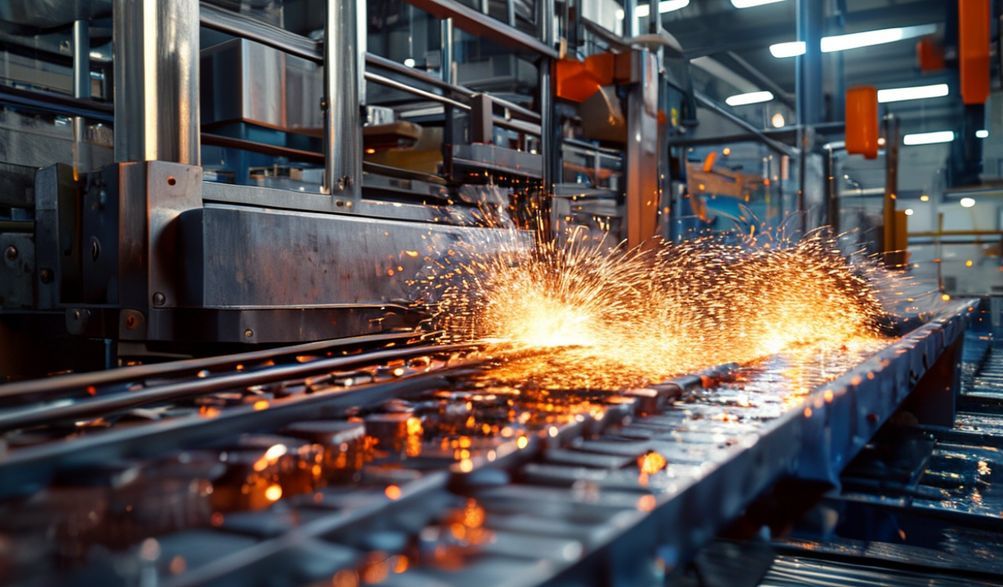
Кірпіш және тротуар плиткасын жасау машиналарының жан-жақты нұсқаулығы: Түрлері, Артықшылықтары және Қалай таңдау керек
Кіріспе
Біздің үйлеріміздің іргетасынан бастап артқа аулаларымыздағы алаңдарға дейін, кірпіштер мен тас жол плиталары біздің құрылған ортамыздың үнсіз, берік тірегі болып табылады. Ғасырлар бойы оларды өндіру ауыр физикалық еңбекке негізделген болды, бұл өндіріс көлемі мен біркелкілігін шектеді. Бүгінгі таңда автоматтандыру бұл маңызды саланы түбегейлі өзгертті. Қазіргі заманғыкірпіш және тас жол жабыны жасау машинасыбұл тек құрал ғана емес; бұл құрылыс сұранысының өсуін дәлдікпен, тиімділікпен және табыстылықпен қанағаттандыруға мүмкіндік беретін өндірістік жабдықтың түрлендіргіш бөлігі.
Бұл жан-жақты нұсқаулық сіздің шешуші ресурсыңыз ретінде жасалған. Өндірісті ішкі түрде жүргізуге ұмтылған келісімшартшы болсаңыз да, тас қалау өнімдері бизнесін іске қосудағы кәсіпкер болсаңыз да, немесе нұсқаларды бағалайтын жоба менеджері болсаңыз да, біз саланың техникалық сипаттамаларынан, өндірушілердің деректерінен және операциялық үздік тәжірибелерінен маңызды түйінді мәліметтерді жинадық. Біздің мақсатымыз – күрделі машиналарды түсінікті және іс-әрекетке бағытталған білімге айналдыру.
Осы нұсқаулықтың соңына қарай сіз машиналардың әртүрлі түрлерін, олардың негізгі артықшылықтарын, сондай-ақ нақты қажеттіліктеріңізге және бюджетіңізге сәйкес дұрыс модельді таңдаудағы маңызды факторларды сенімді түрде түсінесіз. Білімнің мықты негізін құрайық.
Кірпіш және тротуар плиткасы жасау машиналарын түсіну: Негізгі ұғымдар
Сипаттамалар мен шығындарға кіріспес бұрын, бұл машиналардың не екенін және олардың жұмыс істеуінің негізгі қағидаттарын түсіну маңызды.
Кірпіш және тротуар плиткасын жасау машинасы дегеніміз не?
Оның негізінде, кірпіш және тротуар плиткасы жасау машинасы шикізаттарды стандартталған құрылыс бөлшектеріне қалыптау мен тығыздауды автоматтандыруға арналған механикаландырылған жүйе болып табылады. Бұл бөлшектерге қатты немесе кеуекті блоктар, декоративті плиткалар, бордюр тастар және бір-бірімен ілінісетін кірпіштер жатады.
Машина шикізаттарды — көбінесе бетон (цемент, құм, толықтауыш), сонымен қатар саз, ұшқыл күл немесе топырақ — діріл, гидравликалық қысым немесе механикалық күш арқылы тығыз, берік өнімдерге айналдырады. Бұл сәйкессіз, баяу және физикалық күш қажет ететін қолмен қалыптаудан айтарлықтай ерекшеленеді. Машина әрбір бірліктің дәл өлшемдік және беріктік сипаттамаларына сәйкес келетінін қамтамасыз етеді.
Бұл машиналар қалай жұмыс істейді? Негізгі үрдіс
Модельдер күрделілігі жағынан әртүрлі болса да, негізгі өндіріс процесі логикалық тізбекті ұстанады:
- Тамақтандыру:Арнайы араластырылған шикізаттар машинаның бункеріне беріледі. Автоматтандырылған жүйелерде бұл конвейерлік белдіктер немесе бергіштер арқылы жүзеге асырылады.
- Араластыру:Кейбір интеграцияланған жүйелерде қазанша араластырғыш болуы мүмкін, бірақ материалдар жиі сыртта араластырылып, содан кейін бункерге тасымалданады.
- Қалыптау және Қысу:Бұл процестің жүрегі. Аралас материал қалыпқа (сонымен қатар "қалып қорабы" деп аталады) түсіріледі. Содан кейін машина материалды тығыздау үшін қатты діріл және/немесе гидравликалық қысымды қолданады, ауа қабаттарын жояды және жоғары тығыздыққа қол жеткізеді.
- Атқылау:Жаңа пісірілген, әлі ылғалды кірпіш немесе тротуар тақтасы қалыптан ағаш немесе болат палетке немесе конвейерлік белдікке шығарылады.
- Кептіру/Куыру:Олардың паллеттеріндегі өнімдер қатайту аймағына жылжытылады. Бетон өнімдер үшін бұл әдетте беріктік алу үшін 24+ сағат табиғи немесе бумен қолдау көрсетілетін қатайтуды қамтиды. Саз кірпіштер пеште кептірілу мен күйдіруді талап етеді.
Бұл жеңілдетілген процесс әр циклда қайталанады, ол жоғары жылдамдықтағы автоматты машиналарда 10-20 секундқа дейін қысқаруы мүмкін.
Кірпіш және тротуар плиткасын жасау машиналарының түрлері
Нарық машиналардың әртүрлі ассортиментін ұсынады. Дұрыс таңдау жіктелулерді түсінуден басталады.
Операция бойынша: Қолмен, Жартылай автоматты және Толық автоматты
This classification is primarily based on the level of human intervention required.
-
Қол машиналары:
- Олар қалай жұмыс істейді: All operations—feeding, compacting (often via a lever), and ejection—are performed by hand.
- Ең жақсы: Extremely small-scale projects, DIY enthusiasts, or producing unique, custom shapes where volume is not a concern.
- Артықшылықтары: Very low initial investment, simple to understand, no power required for some models.
- Кемшіліктері: Very low output (100-500 blocks/day), high labor intensity, inconsistent product quality.
-
Жартылай автоматты машиналар:
- Олар қалай жұмыс істейді: The core compaction and vibration are powered (electrical or diesel). Key processes like feeding raw material and removing finished products are manual. They often use a single mold that is filled, vibrated, and then manually moved to a drying area.
- Ең жақсы: Small to medium-sized businesses, startups, and contractors. They offer an excellent balance between cost, output, and control.
- Артықшылықтары: Good output (1,000 – 5,000 blocks/day), significantly better quality and consistency than manual, moderate investment.
- Кемшіліктері: Still labor-intensive for material handling, output is limited by operator speed.
-
Толық автоматты машиналар:
- Олар қалай жұмыс істейді: These are complete production lines controlled by programmable logic controllers (PLCs). They feature automated material batching, conveyor feeding, simultaneous multi-cavity molding, automatic pallet handling, and product stacking. Operator roles shift to supervision and maintenance.
- Ең жақсы: Large-scale commercial production plants supplying construction companies, municipalities, or large retailers.
- Артықшылықтары: Very high output (10,000+ blocks/day), exceptional consistency, minimal labor costs per unit, high efficiency.
- Кемшіліктері: High capital investment, require significant space and stable 3-phase power, need skilled technicians for maintenance.
By Output Product: Block Machines, Paver Machines, and Interlocking Brick Machines
Machines are often optimized for specific product types, defined by their mold systems and pressure profiles.
- Block Making Machines: Designed to produce heavy-duty concrete blocks—hollow blocks, solid blocks, and chimney blocks. They focus on high compaction force to achieve the required compressive strength for load-bearing walls.
- Paver Making Machines: Engineered to produce thinner, surface-level products like paving stones, patio slabs, and kerbstones. They prioritize fine surface finish, color consistency (through layer feeding), and wear resistance. Vibration is key for a smooth, dense finish.
- Ілмек тақта кірпіш машиналары: A specialized category that produces bricks or blocks with designed ridges and grooves. These units lock together without mortar, creating stable pavements or walls. The machines require precise molds to ensure the interlocking mechanism is perfectly formed every time.
By Raw Material: Concrete, Clay, and Fly Ash Brick Machines
The raw material dictates the machine’s design and the required post-production process.
- Бетон кірпіш машиналары: The most common type. They work with a mix of cement, sand, and aggregate. They can be stationary (for factory production) or mobile (mounted on a trailer for on-site production). Curing is hydraulic (water-based).
- Саман кірпіш машиналары: These machines mold natural clay or shale. The extrusion process is common, creating a continuous column of clay that is then wire-cut into individual bricks. The key differentiator is that the output requires drying and subsequent firing in a kiln at high temperatures.
- Ұшқан күл кірпіш машиналары: An eco-friendly and cost-effective alternative. They use fly ash (a waste product from coal plants) mixed with lime, gypsum, and a small amount of cement. They rely on high-pressure hydraulic compaction (often 100+ tons) and steam curing chambers to produce strong, lightweight bricks.
Key Benefits of Investing in a Production Machine
Moving from manual or outsourced production to an in-house machine offers compelling advantages that directly impact your bottom line and competitive edge.
Unmatched Efficiency and High-Volume Production
Automation shatters the output limitations of manual labor.
* A single semi-automatic machine can produce more in one hour than a team of manual workers can in a full day.
* This allows you to take on larger contracts, fulfill orders faster, and scale your business predictably.
Superior Consistency and Product Quality
Mechanical precision is irreplaceable.
* Every brick or paver has identical dimensions, ensuring perfect alignment during construction and reducing mortar use.
* Controlled vibration and pressure create uniform density, which translates directly to higher compressive strength and longer product lifespan.
* Consistent quality builds your brand’s reputation for reliability.
Үлкен Ұзақ Мерзімді Шығындарды Азайту
The initial investment is quickly offset by ongoing savings:
* Еңбек шығындары: Drastically reduce the number of workers needed per unit produced.
* Материалдық қалдықтар: Precise mixing and molding minimize spillage and rejected batches.
* Өлшемдік үнемдеу: Producing in-house at volume reduces your per-unit cost, increasing profit margins.
Versatility in Product Design
Market demands change. A good machine offers agility.
* By simply changing the mold, you can switch from producing standard bricks to decorative garden pavers, hollow blocks, or interlocking stones.
* This allows you to respond to trends, offer a broader product catalog, and diversify your revenue streams without major new investments.
How to Choose the Right Machine: A Buyer’s Checklist
Selecting a machine is a strategic decision. Use this checklist to guide your evaluation and ensure a trustworthy investment.
Assess Your Production Requirements
Start with clear, honest answers to these questions:
* What is my target daily or monthly output? Be realistic about current demand and growth projections.
* What specific products do I need to make? (Hollow blocks, pavers, interlocking bricks?)
* What is my available factory or yard space? Include room for raw material storage, the machine, and a curing area.
* What is my available budget, including setup costs?
Evaluate Machine Specifications Critically
Look beyond the sales brochure. Key specs include:
* Цикл уақыты: How many seconds to produce one mold of products? This dictates maximum output.
* Қысым сыйымдылығы (Тоннаж): Higher tonnage (e.g., 100 tons vs. 30 tons) generally means denser, stronger bricks, especially for fly ash or soil-cement blocks.
* Қозғалтқыш қуаты: Indicates the machine’s capability and energy consumption.
* Автоматтандыру деңгейі: Match this directly to your labor availability and output goals.
Consider Raw Material Availability and Cost
Your most abundant and affordable local material should guide your choice.
* Is cement and aggregate cheap and readily available? A бетон блоктарын жасау машинасы is ideal.
* Do you have access to low-cost or free fly ash from a local power plant? A fly ash brick press offers a huge cost advantage.
* Is quality clay soil your primary resource? Then a clay brick extruder and kiln are your path.
Total Cost of Ownership: Beyond the Sticker Price
The purchase price is just the beginning. Factor in:
* Installation and foundation costs.
* Shipping and import duties (if applicable).
* Cost of spare parts and routine maintenance.
* Energy consumption (power rating).
* Operator training requirements.
The Importance of Supplier Reputation and Support
Бұл жердеТәжірибе, Біліктілік, Сенімділік және Сенімділік (E-E-A-T) become critical.
* Тәжірибе: Choose a supplier with a long track record and physical examples of their machines in operation.
* Біліктілік They should provide detailed technical documentation, material mix designs, and clear answers to your specific questions.
* Сенімділік: Look for industry certifications, positive customer testimonials, and case studies.
* Сенімділік: A reliable supplier offers a solid warranty, ready availability of spare parts, and responsive after-sales service. Always ask for references and contact them.
Essential Operation and Maintenance Tips
Protect your investment and ensure peak performance with proper care from day one.
Best Practices for Optimal Machine Operation
- Consistent Mix Ratio: Use a weigh-batching system for raw materials. Even small variations in water-cement ratio can affect strength and cause sticking.
- Even Feeding: Ensure the mold cavity is filled uniformly to avoid weak spots or incomplete bricks.
- Safety First: Always follow lock-out/tag-out procedures during cleaning or mold changes. Ensure all operators wear appropriate PPE.
Routine Maintenance Schedule for Longevity
A little preventative care prevents major downtime.
* Күнделікті Clean the machine thoroughly at the end of each shift, especially the mold, hopper, and press head. Check for loose bolts.
* Апталық: Lubricate all moving parts as per the manufacturer’s manual. Inspect hydraulic hoses for leaks.
* Ай сайын: Check the vibration motor mounts and wear parts. Inspect the mold for damage or excessive wear that could affect product dimensions.
Жиі кездесетін мәселелерді шешу
- Problem: Poor Compaction/Weak Bricks.
- Likely Cause: Incorrect mix (too dry or too wet), insufficient vibration time, or low pressure.
- Solution: Recalibrate mix design, check timer settings, ensure hydraulic pressure is adequate.
- Problem: Surface Cracks or Chipping.
- Likely Cause: Too much water in the mix, improper curing (drying too fast), or rough handling during ejection.
- Solution: Adjust water content, improve curing environment (use plastic sheeting), check ejection mechanism alignment.
- Problem: Sticking in the Mold.
- Likely Cause: Worn or dirty mold, lack of mold release agent (if used), or a mix that is too wet.
- Solution: Clean the mold thoroughly, apply a recommended release agent, and tweak the mix consistency.
Жиі қойылатын сұрақтар (ЖҚС)
Q1: What is the average cost range for a brick making machine?
A: Costs vary dramatically. A simple manual machine can start at a few thousand dollars. A quality semi-automatic machine typically ranges from $15,000 to $50,000. Fully automatic production lines can cost from $100,000 to over $500,000, depending on capacity and sophistication. Your budget must align with your chosen type and output goals.
Q2: Can one machine produce both bricks and paving stones?
A: Yes, many machines are versatile. The key is the mold. By swapping out the mold box, you can produce different products. However, for dedicated, high-volume production of a single product type, a specialized machine (e.g., a paver-specific vibrator table) may be more efficient.
Q3: What is the typical payback period on this investment?
A: This varies widely based on local market prices, production volume, and operational efficiency. For a well-utilized semi-automatic machine in an active construction market, a payback period of 1 to 3 years is common. A detailed business plan with local cost and price data is essential to calculate this accurately.
Q4: How much space and what kind of power supply is needed?
A: A small semi-automatic setup, including curing space, may require 500 to 1,000 square feet. Electrically powered machines almost always require a robust 3-phase industrial power connection (380-415V). Always confirm the specific voltage and amperage requirements with the supplier before purchase.
Q5: Are there eco-friendly options for brick making machines?
A: Absolutely. The most prominent eco-friendly option is the ұшқа кірпіш машинасы, which repurposes industrial waste. Similarly, machines that use soil or other stabilized earth reduce cement consumption. Furthermore, non-fired processes (used for concrete and fly ash bricks) save the massive energy required to fire clay bricks in kilns, significantly reducing the carbon footprint.
Қорытынды
Дұрыс таңдау жасаукірпіш және тас жол жабыны жасау машинасы is a pivotal decision that hinges on a clear understanding of your production needs, raw material landscape, and financial parameters. It’s an investment not just in equipment, but in the future growth and quality standards of your business.
We encourage you to use this guide as a starting point for thorough research. Consult with multiple reputable suppliers, ask for detailed demonstrations, and speak to their existing customers. This due diligence is the hallmark of a trustworthy investment.
Ultimately, the right machine is more than a piece of hardware; it’s a tool for building resilience, driving profitability, and contributing to the infrastructure of your community. Take the next step by delving into specific models that match your checklist or reaching out to established industry experts for personalized guidance.
<