
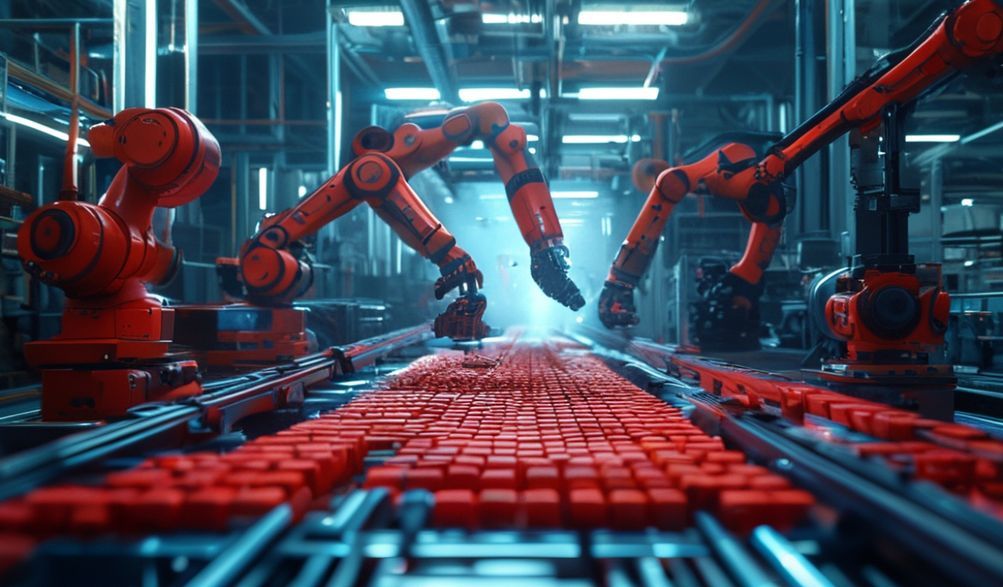
The Ultimate Guide to Brick Making Automatic Machines in 2026
Кіріспе
Жаһалдық құрылыс саласы сенімсіз үлкен өсу көрсетуі күтілуде.2030 жылға қарай 15,2 триллион доллар, driven by relentless urbanization and infrastructure development. At the heart of this growth lies a fundamental demand: high-quality, affordable building materials. For decades, brick production was synonymous with laborious, inconsistent, and slow processes. Traditional methods, reliant on extensive manual labor or semi-automatic systems, struggle with crippling limitations—sky-high operational costs, variable brick quality, and production speeds that can’t keep pace with modern project timelines.
Енгізіңізавтоматты кірпіш жасау машинасы: the transformative solution redefining the very foundation of construction material manufacturing. This guide is not just a product overview; it is a strategic blueprint compiled from in-depth industry data, direct manufacturer specifications, and insights from seasoned construction engineering professionals. Our goal is to provide authoritative, trustworthy, and actionable advice.
Whether you are a business owner looking to scale, a construction manager aiming to secure a reliable material supply, or an entrepreneur entering the building materials sector, this comprehensive guide will equip you with the knowledge to understand the types, benefits, selection criteria, and operational best practices for automatic brick making machines. By the end, you’ll be empowered to make an informed, profitable investment decision that builds the future of your business.
Автоматты кірпіш жасау машинасы деген не?
An automatic brick making machine is a fully mechanized, integrated system designed to execute the complete brick production cycle—from raw material feeding to finished product stacking—with minimal human intervention. Governed by sophisticated Программаланатын логикалық басқаруыш (ПЛБ) systems, these machines automate mixing, molding, compacting, and ejection, ensuring a seamless, continuous operation.
Core Components & Workflow:
The efficiency of an automatic machine stems from its synchronized components:
- Тәуекелдегіш және араластырғыш: Pre-measured raw materials (cement, sand, aggregate) are fed into an automated mixer, ensuring a homogenous blend.
- Конвейер жүйесі: The mixed material is transported to the molding chamber.
- Mold & Hydraulic Compression System: The heart of the machine. A high-tonnage hydraulic press compacts the material into a mold with immense, consistent pressure.
- Кептіру және жинақтау: Newer models often integrate systems to transfer green bricks to curing racks or pallets automatically.
This represents a monumental leap from manual (hand-molding) and semi-automatic (operator-dependent cycling) methods. The evolution is one from artisanal craft to precision engineering, where every parameter is controlled, logged, and optimized for peak performance.
Key Benefits of Investing in an Automatic Brick Machine
Салыстыруға келмейтін Өндірістік Тиімділік пен Шығарылым
The primary advantage is sheer productivity. Automatic machines operate with high-speed cycling, capable of running 24/7 with minimal downtime.
- Output is measured in precise сағатына кірпіш саны, ranging from 1,500 to over 10,000 depending on the model and brick type.
- PLC control eliminates human speed variables, creating a non-stop production line that can meet the demands of large-scale projects or supply contracts effortlessly.
Үздіксіз және Біркелкі Кірпіш Сапасы
Automation guarantees uniformity. Every brick is a perfect replica of the last.
- Гидравликалық қысым ensures uniform density and compressive strength, critical for structural integrity.
- Dimensional accuracy is flawless, leading to easier, faster construction with less mortar waste.
- Surface finish is consistent, enhancing the aesthetic appeal of pavers and facing bricks.
Еңбек шығындары мен тәуелділіктің айтарлықтай төмендеуі
This is a transformative financial benefit. The model shifts from a large, skilled manual workforce to a small team of machine operators and technicians.
- A single automatic line can replace dozens of manual workers.
- It mitigates risks associated with labor shortages, wage inflation, and human error.
- Long-term operational costs plummet, while output soars.
Enhanced Material Efficiency & Sustainability
Precision engineering extends to resource use. Automated dosing systems use the exact amount of raw material required for each brick.
- Material waste is reduced to near zero, maximizing profit margins.
- These machines excel at utilizing eco-friendly materials like fly ash, slag, or recycled aggregates, enabling the production of “green” bricks and contributing to sustainable construction practices.
Improved Operational Safety
A safer factory floor is a more productive one. Enclosed automation minimizes direct worker contact with hazardous moving parts, heavy loads, and repetitive strain injuries.
- Operators interact primarily with the control panel, overseeing the process from a safe distance.
- Integrated safety sensors and emergency stops are standard on quality machines.
Автоматты кірпіш жасау машиналарының түрлері
By Brick Type Produced
- Ұялы блок жасау машиналары: Designed to produce lightweight, insulating blocks with cavities. Ideal for partition walls and non-load-bearing structures.
- Solid Brick/Paver Making Machines: Built for maximum strength and durability. Used for heavy-duty pavers, solid bricks for load-bearing walls, and kerbstones.
- Ілмек тақта кірпіш машиналары: Produce bricks with designed ridges and grooves that lock together without mortar. Enables faster, often more seismic-resistant construction.
By Driving System
- Толық автоматты гидравлық машиналар: The premium standard. Use high-pressure hydraulic systems for compaction. They offer:
- Greater versatility in brick type and raw material.
- Higher and more consistent brick density/strength.
- Quieter operation compared to vibration-based systems.
- Vibration-Press Automatic Machines: Utilize a combination of vibration and mechanical pressure. Often have a slightly lower initial cost and are well-suited for standard hollow and solid blocks.
By Production Capacity
- Small-scale/Stationary Machines: Perfect for local construction businesses, startups, or on-site production for specific projects. Lower output (1,500 – 4,000 bricks per hour).
- Large-scale/Plant Machines: These are industrial production lines. They feature integrated pallet feeders, stackers, and curing systems for massive, continuous output (6,000+ bricks per hour) for supplying the market.
How to Choose the Right Automatic Brick Machine: A Buyer’s Checklist
Assess Your Production Requirements
Start with your business plan. Ask:
* What is my target daily or monthly output?
* What types and sizes of bricks are in highest demand in my market?
* What raw materials (fly ash, sand, stone dust) are locally and affordably available?
Evaluate Machine Specifications & Features
Scrutinize the technical details:
* Цикл уақыты: How many seconds per brick? This dictates hourly output.
* Қысым (Тоннаж): Higher tonnage (e.g., 150-400 tons) means denser, stronger bricks.
* Қалыптың көпқырлылығы: Can the machine accept different mold sets easily?
* Қуат тұтынуы: Calculate the operational cost (KW per hour).
* Автоматтандыру деңгейі: PLC brand and interface usability. Look for touchscreen controls with diagnostic capabilities.
Consider the Manufacturer’s Reputation (Critical for E-E-A-T)
This is your most critical decision. A machine is a long-term partnership.
- Experience & Expertise: Prioritize manufacturers with 10+ years of proven history. An in-house engineering team is a major plus.
- Сенімділік: Do they have a portfolio of successful client installations? Are they referenced in industry publications?
- Сенімділік: This is non-negotiable. You must verify:
- Comprehensive Warranty (at least 1-2 years on core parts).
- After-Sales Service Network: Do they have technicians in your region?
- Spare Parts Guarantee: Can they supply wear-and-tear parts for 10+ years?
- Genuine Testimonials & Reviews: Seek out independent feedback, request client references, and ask for video proof of working installations.
Plan for Space, Installation, and Budget
- Ғарыш: Ensure your factory has the footprint, height, and floor strength for the machine and raw material storage.
- Installation: Factor in the cost and time for professional installation and commissioning by the supplier’s engineers.
- Budget: Think Иелік құнының жалпы сомасы, not just purchase price. Include shipping, installation, training, and estimated maintenance for the first year.
Operational Best Practices and Maintenance
Proper Raw Material Preparation
The best machine needs the right ingredients.
* Aggregates should be clean and under 5mm in size for smooth operation.
* Maintain consistent moisture content (typically 8-10%) for optimal compaction.
* Follow the manufacturer’s recommended mix ratios precisely for cement, sand, and fly ash.
Routine Daily & Weekly Maintenance Schedule
Preventative care is cheap; breakdowns are expensive.
* Күнделікті Clean the mixer, mold, and conveyor. Check hydraulic oil levels and for leaks.
* Апталық: Lubricate all moving parts as per the manual. Inspect mold liners for wear. Tighten bolts and electrical connections.
Жиі кездесетін мәселелерді шешу
- Brick Cracking: Often caused by incorrect moisture content, excessive vibration, or premature handling.
- Poor Compaction/Weak Bricks: Check hydraulic pressure, material gradation, and mix ratio.
- Machine Jams: Usually due to oversized aggregate or foreign material. Always stop the machine before clearing.
Ensuring Operator Safety and Training
Never operate untrained personnel. Insist on formal training from the manufacturer covering PLC operation, daily procedures, safety interlocks, and emergency protocols.
Жиі қойылатын сұрақтар (ЖҚС)
Q1: What is the average cost range for an automatic brick making machine?
A: Prices vary dramatically based on capacity and features, ranging from $20,000 for a basic small-scale model to over $200,000+ for a fully-equipped industrial plant. It’s essential to get detailed quotes based on your specific output and brick type requirements.
Q2: What is the typical return on investment (ROI) period?
A: With efficient operation and good market demand, a well-planned automatic brick plant can see an ROI within 1 to 3 years. Key factors are your production scale, local brick prices, and operational costs. A detailed business plan is crucial for an accurate projection.
Q3: Can one machine produce different types and sizes of bricks?
A: Yes, absolutely. This is a key advantage. By changing the mold set, a single machine can produce hollow blocks, solid bricks, pavers, or interlocking bricks. Ensure you purchase compatible mold sets from your manufacturer and factor in the changeover time.
Q4: What are the most common raw materials used?
A: The standard mix includes Portland cement, sand (or stone dust), fly ash, and water. A major trend is the increased use of industrial waste products like fly ash and slag, which produce high-strength, eco-friendly “green bricks” at a lower cost.
Q5: How do I find a reliable manufacturer or supplier?
A: Reinforce due diligence. Verify business licenses, request factory audit reports or virtual tours, and check for international certifications like CE and ISO 9001. Insist on direct communication with their engineers and, if possible, visit an existing customer’s plant. Trust is built on transparency and proof.
Қорытынды
The transition from manual to automated brick production is no longer a luxury; it’s a strategic imperative for profitability, quality, and competitiveness. Automatic brick making machines deliver transformative benefits: unparalleled efficiency, rock-solid consistency, and a powerful reduction in long-term operational costs.
Looking ahead, the integration of IoT sensors for predictive maintenanceжәнеAI-driven vision systems for real-time quality control will make these machines even smarter and more reliable. However, the foundation of a successful investment today remains choosing the right technology partner.
This significant capital decision demands an alliance with an experienced, authoritative, and trustworthy expert. Don’t just buy a machine; invest in a partnership that includes robust support, training, and a guarantee of performance.
Ready to transform your brick production and build a more profitable future? Download our comprehensive buyer’s checklist to guide your vendor evaluation, or contact our team of industry specialists for a personalized consultation and quote tailored precisely to your project requirements.
<