
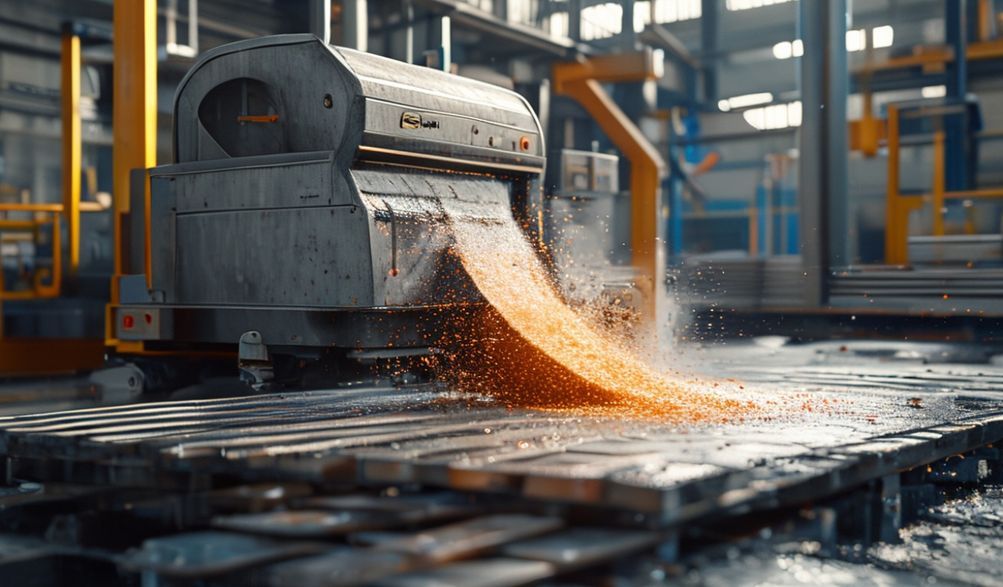
Бетон блоктарын жасау машиналарының жетілдірілген нұсқаулығы: Түрлері, қолданылуы және қалай таңдау керектігі
Кіріспе
Сіз бетон блоктарының жыл сайын миллиардтаған дана өндірілетін, планетадағы ең көп тұтынылатын құрылыс материалдарының бірі екенін білесіз бе? Аспанға тік тұратын ғимараттардың іргетасынан бастап, ауладағы бекіткіш қабырғаларға дейін, қарапайым бетон блок қазіргі құрылыстың негізгі тасы болып табылады. Бірақ әрбір біркелкі, берік блоктың артында маңызды жабдық тұр: бетон блок машинасы.
Бұл жан-жақты нұсқау сіз үшін сенімді ақпарат көзі болуға арналған. Сіз құрылыс алаңында материал өндірісін жеңілдетуді қалайтын мердігер болсаңыз да, ірі зауытқа жабдық сатып алумен айналысатын сатып алу менеджері болсаңыз да, немесе өндірістік мүмкіндіктерді зерттейтін кәсіпкер болсаңыз да, негізделген шешім қабылдау өте маңызды. Бұл нұсқау салалық білімге, техникалық сипаттамаларға және практикалық операциялық түсініктерге сүйене отырып, бетон блок машиналарының жұмыс принциптерін түсіндіреді.
Сіз олардың жұмыс істеу негізгі механикасын білесіз, қолжетімді түрлерін зерттейсіз және өз қажеттіліктеріңізге сәйкес дұрыс машинаны таңдау бойынша іс-әрекетке бағытталған кеңес аласыз. Сондай-ақ, біз негізгі операциялық үздік тәжірибелерді, техникалық қызмет көрсету жоспарларын және тіпті инвестициялардың бизнес-моделін қамтитын боламыз, бұл сізге тиімділікті, сапаны және табыстылықты арттыратын шешімдер қабылдауға мүмкіндік береді.
Бетон блоктарын жасау машинасы дегеніміз не? Негізгі қағидалары мен жұмыс істеу принципі
Бетон блок машинасы - бұл цемент, агрегаттар мен судың қоспасын белгілі бір пішін мен өлшемге ие қалыпқа тығыздау арқылы бетонды құрылыс блоктарын (CMU) өндіруге арналған құрылғы. Барлық түрлері үшін негізгі принцип бірдей: жартылай құрғақ бетон қоспасын қатаюға дайын жоғары тығыздықтағы, дәл пішінделген блокқа айналдыру. Бұл процестің тиімділігі, ауқымы және автоматтандыру деңгейі машинаның санатын анықтайды.
Негізгі механика: Шикізаттан дайын блокқа дейін
Трансформация белгіленген реттілік бойынша жүреді:
1. Араластыру:Шикізаттар (әдетте цемент, құм, шағыл тас немесе ұсақталған тас) біркелкі, жартылай құрғақ бетон қоспасын алу үшін миксерде судың дәл мөлшерімен араластырылады. Ылғалдылық деңгейі өте маңызды — тым ылғалды болса, блок құлап кетеді; тым құрғақ болса, ол дұрыс тығыздалмайды.
2. Қалыптау:Қоспа қалыпқа немесе блоктың пішінін анықтайтын "қалып қорабына" (мысалы, қуыс, қатты, тақтайша) салынады.
3. Ығыстыру:Бұл ең маңызды кезең. Машина бірнеше әдістерді біріктіре отырып,жоғары жиілікті дірілжәнегидравликалық немесе механикалық қысым(тоннаж) қоспаны сығу үшін, ауа қапшықтарын жою және қажетті тығыздық пен беріктікке қол жеткізу.
4. Демолдау және қатайту:Жаңа қалыптасқан немесе "жасыл" блок қалыптан паллетке немесе жерге шығарылады. Содан кейін ол әдетте арнайы емдеу камерасында бақыланатын ылғалдылық пен температура арқылы бірнеше күн ішінде беріктік алатын емдеу процесіне өтеді.
Стандартты машинаның негізгі компоненттері
Негізгі бөліктерді түсіну пайдалану мен қателерді түзетуге көмектеседі:
* Хоппер:Қалыптау алдында шикі бетон қоспасын ұстайды.
* Миксер:Ингредиенттерді араластырады (кейбір модельдерде интеграцияланған, басқаларында бөлек).
* Қалып/Қалып қорабы:Блокты пішіндейтін негізгі құрал. Ауыстырылатын қалыптар бір машинаның әртүрлі блок түрлерін шығаруына мүмкіндік береді.
* Дірілдеткіш жүйесі:Әдетте, бетон қоспасын қалыпқа тығыз орналастыратын электр немесе гидравликалық дірілдеткіш.
* Тығыздау жүйесі:Гидравликалық соққы немесе механикалық тетік соңғы басу күшін қолданады.
* Басқару жүйесі:Қарапайым қолмен басқарылатын машиналардағы қарапайым тетіктерден бастап автоматты модельдердегі бағдарламаланатын логикалық басқару (PLC) панельдеріне дейін өндіріс циклін басқарады.
* Палеттерді айналым жүйесі (автоматты модельдерде):Блоктарды шығару және қатайту аймағына тасымалдау үшін паллеттерді машина арқылы жылжытады.
Қазіргі блок жасаудағы автоматтандырудың рөлі
Автоматтандыру блок өндірісін түбегейлі өзгертті. Заманауи машиналар әрбір параметрді – діріл уақытын, қысымды, берілетін материалдың мөлшерін – басқару үшін PLC (бағдарламаланатын логикалық контроллер) қолданады, бұл әр блоктың бірдей болуын қамтамасыз етеді. Автоматтандырылған палет бергіштер, жинағыштар және куб тасымалдағыштар қол еңбегін айтарлықтай азайтып, өнімділікті арттырады (кейде сағатына мыңдаған блокқа дейін) және операторлардың қауіпсіздігін жақсартады. Бұл технологиялық өзгеріс машина түрлері арасындағы негізгі айырмашылық болып табылады.
Бетон блоктарын жасау машиналарының түрлері: Дұрыс таңдау
Дұрыс машинаны таңдау өндіріс көлеміңізге, бюджетіңізге және жұмыс күшінің қолжетімділігіне байланысты. Саладағы тәжірибе машина түрін жоба аясымен сәйкестендіру табысты жұмыстың бірінші қадамы екенін көрсетеді.
Қолдан жасалған бетон блок машиналары
Бұл ең қарапайым, адам күшімен жұмыс істейтін машиналар.
* Үшін Қолайлы:Шағын жобалар (мысалы, бір үй, бақша қабырғасын салу), аз капиталмен басталатын стартаптар немесе еңбек ақысы өте төмен аймақтар.
* Операция:Оператор қалыпты қолмен толтырады, діріл/қысымды қолдану үшін тетікт іске қосады, содан кейін блокты қалыптан шығарады.
* Артықшылықтары:
* Бастапқы инвестиция өте төмен.
* Жұмыс істеуі және техникалық қызмет көрсетуі қарапайым.
* Қуат қажеті жоқ (таза механикалық модельдер үшін).
* Кемшіліктері:
* Өте төмен өнімділік (әдетте 8 сағаттық ауысымда 100-500 блок).
* Жұмыс көлемінің жоғарылығы және физикалық күш салудың қажеттілігі.
* Адам факторларына байланысты блок сапасының тұрақсыздығы.
Жартылай автоматты бетон блок машиналары
These machines automate the critical compaction and vibration phases but require manual intervention for feeding mix and removing finished blocks.
* Үшін Қолайлы: Medium-scale production for local construction businesses, supplying small housing developments, or producing specialty blocks intermittently.
* Операция: The operator feeds mix into the hopper, and the machine automates the molding, compaction, and demolding cycle. Blocks are then manually removed and stacked for curing.
* Артықшылықтары:
* Good balance between cost, output, and quality consistency.
* Higher output than manual machines (e.g., 800-2,000 blocks per shift).
* Significantly improves block density and uniformity.
* Кемшіліктері:
* Still requires several operators for material handling and block removal.
* Output is limited by manual handling speed.
Fully Automatic Concrete Block Machines
These are complete production systems, automating the entire process from raw material feeding to block stacking.
* Үшін Қолайлы: Large-scale commercial plants, high-volume infrastructure projects, and businesses where consistent, high-throughput production is critical.
* Операция: With a PLC control panel, the machine manages material batching, mixing, molding, compaction, curing pallet circulation, and block stacking. Operators primarily monitor the system and perform maintenance.
* Артықшылықтары:
* Very high, consistent output (can exceed 10,000 blocks per 8-hour shift).
* Exceptional quality control and dimensional accuracy.
* Drastically reduced direct labor costs per block.
* Кемшіліктері:
* High initial capital investment.
* Requires significant space, a strong foundation, and three-phase power.
* More complex maintenance requiring technical skill.
Mobile Block Machines vs. Stationary Plants
This is a crucial strategic choice:
* Мобильді блоктық машиналар: Mounted on a trailer, these are designed for on-site production. They eliminate transport costs for blocks and are perfect for large, remote projects like dams, road construction, or large-scale rural housing. They are typically semi-automatic.
* Стационарлық өсімдіктер: Fixed installations at a factory or yard. They benefit from optimized layouts, easier integration with curing systems, and can house larger, fully automatic lines. They supply a market from a central location.
Key Factors to Consider When Choosing a Machine
Moving beyond basic type, a deep dive into specifications and requirements is necessary for a trustworthy investment decision.
Өндірістік талаптарыңызды бағалау
Ask these questions first:
* Күнделікті/Апталық шығарылым: How many blocks do you need to produce to meet demand?
* Блок түрлері мен өлшемдері: Will you produce standard hollow blocks, solid blocks, pavers, interlocking blocks, or specialty shapes? Each may require different mold kits.
* Жобаның ауқымы мен ұзақтығы: Is this for a one-off project or continuous business?
Машина сипаттамаларына тереңірек үңілу
Compare these technical specs across models:
* Цикл уақыты: The time to produce one block or one mold of blocks. Faster cycles mean higher output.
* Mold Capacity: How many blocks are produced per cycle (e.g., 3-block mold, 6-block mold).
* Қысым (Тоннаж): The compaction force, measured in tons. Higher tonnage (e.g., 150+ tons) produces denser, stronger blocks suitable for load-bearing applications.
* Қуат қажеттіліктері: Manual (none), single-phase (for small semi-autos), or industrial three-phase power (for automatic plants).
Quality of Output: What to Look For
Request sample blocks from a machine you’re considering. Evaluate:
* Density & Strength: A well-compacted block should feel heavy and solid.
* Өлшемдік дәлдік: Measure samples. They must be consistent and within standard tolerances (e.g., +/- 1.5mm).
* Беттік өңдеу: Should be smooth, without cracks or chips.
* Тұрақтылық: Ten blocks should look and feel virtually identical.
Total Cost of Ownership: Beyond the Purchase Price
The smartest buyers look at lifetime cost:
* Бастапқы инвестиция: Machine price, mold costs, and installation.
* Операциялық шығындар: Electricity consumption, labor wages, and raw material costs per block.
* Maintenance & Parts: Availability and cost of wear parts (mold liners, vibrator motors, hydraulic seals). A machine from a reputable brand with local parts support can save significant downtime and cost.
* Foundation & Space: Don’t forget the cost of preparing a level, reinforced concrete base for stationary machines.
Operational Best Practices and Maintenance
Owning the right machine is only half the battle. Proper operation and maintenance, as seasoned operators report, are what ensure longevity, safety, and consistent profit margins.
Raw Material Preparation: The Foundation of Quality Blocks
The machine can only work with what it’s given. Industry standards emphasize mix design:
* Ideal Ratios: A common mix is 1 part cement, 3 parts sand, and 5 parts coarse aggregate (1:3:5), but this varies based on desired strength and local materials.
* Water Content: This is critical. The mix should be semi-dry—holding its shape when squeezed in your hand but crumbling apart when poked.
* Қоспалар: Plasticizers or color pigments can be added for specific workability or aesthetic requirements.
Step-by-Step: Operating Your Machine for Optimal Results
- Safety First: Always wear PPE (safety glasses, gloves, hearing protection). Ensure all guards are in place.
- Pre-Start Check: Verify lubrication points, check hydraulic oil levels, and ensure the mold is clean and secure.
- Материалды беру: Load the hopper with a consistent, well-mixed batch of concrete.
- Циклды бастау: Start the machine cycle via the control panel or lever. Let the automation/vibration sequence complete fully.
- Block Removal & Curing: Carefully remove the green block and place it on a level, stable curing rack. Maintain proper moisture (often by covering with plastic sheeting) for at least 24-48 hours before air curing.
Essential Maintenance Schedule for Longevity
Adherence to a schedule prevents costly breakdowns:
* Күнделікті Clean the mold, hopper, and feed system thoroughly after production. Check for loose bolts or parts.
* Апталық: Lubricate all moving parts as per the manual. Inspect hydraulic hoses for leaks.
* Ай сайын: Check vibration motor mounts and bolts. Inspect the hydraulic oil for contamination. Calibrate sensors on automatic machines.
Troubleshooting Common Concrete Block Machine Issues
- Poor Compaction/Weak Blocks: Likely caused by incorrect water content (too wet or too dry), insufficient vibration time, or low compaction pressure.
- Surface Cracks: Usually from too much water in the mix or improper curing (drying too quickly).
- Sticking in Mold: A dirty, damaged, or poorly lubricated mold. Can also be caused by an overly wet mix.
- Inconsistent Block Height: Worn mold components, uneven feeding of the mix, or an unlevel machine foundation.
The Business Case: ROI and Applications
Understanding the market and financials establishes the authoritativeness of your investment.
Diverse Applications of Machine-Made Concrete Blocks
The product versatility drives demand:
* Тұрғын үй құрылысы: Foundation walls, partition walls, and chimney blocks.
* Commercial/Industrial: Load-bearing walls in warehouses, factories, and multi-story buildings.
* Ландшафттық жобалау және қатты материалдармен жұмыс: Pavers, retaining wall units, and garden edging.
* Infrastructure: Sound barrier walls, drainage systems, and utility blocks.
Calculating Your Return on Investment (ROI)
A simplified framework:
1. Calculate your cost per block: (Cost of Cement + Sand + Aggregate + Power + Labor + Machine Depreciation) / Number of Blocks Produced.
2. Determine the local market price for a similar quality block.
3. Your gross profit per block = Market Price – Cost per Block.
4. Simple Payback Period = (Total Machine Investment Cost) / (Gross Profit per Block * Blocks Sold per Month).
Мысал: If your machine costs $50,000 and you net $0.20 profit per block selling 20,000 blocks a month, your payback period is roughly 12.5 months.
Starting a Concrete Block Manufacturing Business: An Overview
Key considerations beyond the machine:
* Space & Zoning: Secure a yard or warehouse with room for production, raw material storage, and block curing. Verify industrial zoning.
* Licensing & Standards: Obtain necessary business licenses and ensure your blocks meet relevant national or regional quality standards (e.g., ASTM C90 in the US).
* Supply Chain: Secure reliable, cost-effective sources for cement and aggregates.
* Market Analysis: Identify your primary customers: contractors, DIY stores, or government tenders.
Frequently Asked Questions (FAQ) About Concrete Block Machines
Q1: What is the average cost range for a concrete block machine?
A: Prices vary dramatically. A small manual machine can start at a few hundred dollars. Semi-automatic machines range from $5,000 to $50,000. Fully automatic production lines can cost from $50,000 to over $500,000, depending on capacity and sophistication. Always correlate price with specifications and output.
Q2: Can one machine produce different block types and sizes?
A: Yes, through the use of interchangeable molds. Most manufacturers offer a range of mold kits (for hollow blocks, solid blocks, pavers, etc.). However, changing molds requires time and labor, so it’s most efficient for batch production of one type at a time.
Q3: How much space and what kind of foundation is needed for setup?
A: A small semi-automatic machine might need a 10m x 10m area. A full plant requires a large shed or factory space. The foundation must be a level, reinforced concrete slab, often 6-8 inches thick, to absorb the machine’s vibration and weight. Always follow the manufacturer’s specific foundation drawing.
Q4: What is the typical lifespan of a well-maintained machine?
A: With diligent maintenance and proper operation, a quality concrete block machine can last 15 to 25 years. Key structural components like the frame last the longest, while wear parts like molds and vibrators will need replacement every few years depending on usage.
Q5: Are there specific safety certifications or operator training required?
A: While operator certification isn’t universally mandated, it is critically important. Reputable manufacturers provide operational training. Always insist on it. Safety practices—like lockout/tagout procedures during maintenance, using PPE, and understanding emergency stops—are non-negotiable for a trustworthy operation.
Қорытынды
Selecting and operating a concrete block machine is a significant decision with direct implications for your project’s efficiency or your business’s bottom line. The key takeaways are to meticulously match the machine type—manual, semi-automatic, or fully automatic—to your genuine production needs and budget. Look beyond the sticker price to the total cost of ownership, and never compromise on the quality of output or the rigor of your maintenance schedule.
Choosing the right equipment is transformative. It empowers you to control material quality, reduce costs, and meet demand reliably. Use this guide as a foundational benchmark for your research. When you’re ready, consult with reputable manufacturers, request live demonstrations using your local materials, and make an investment built on knowledge and insight.
<