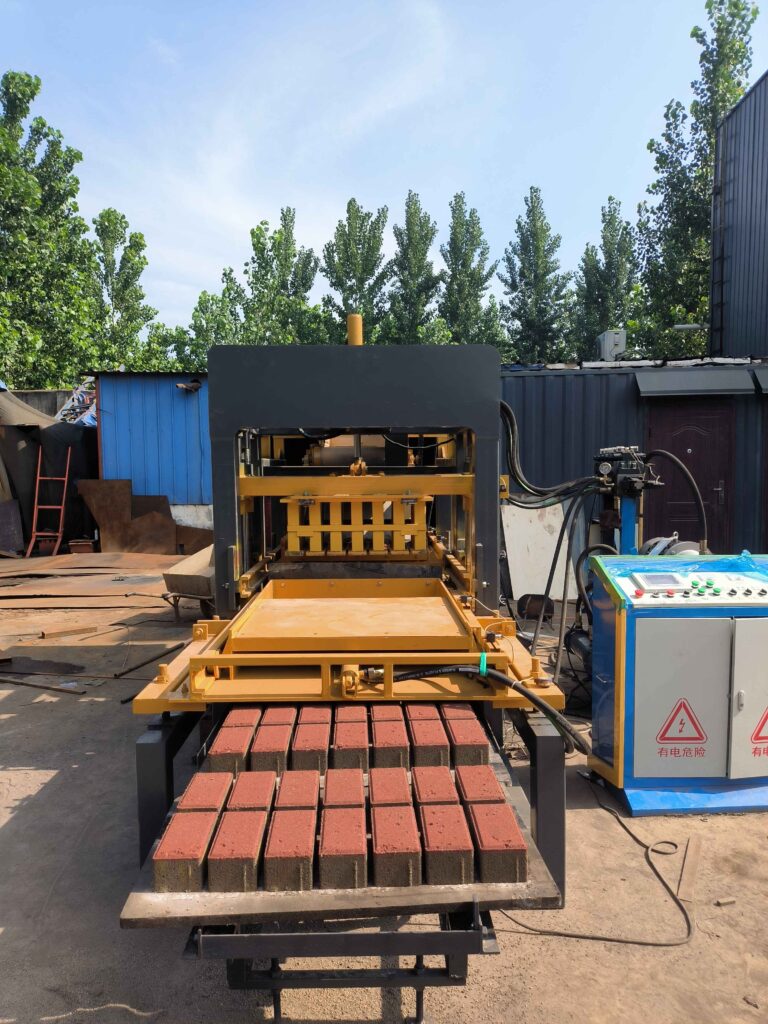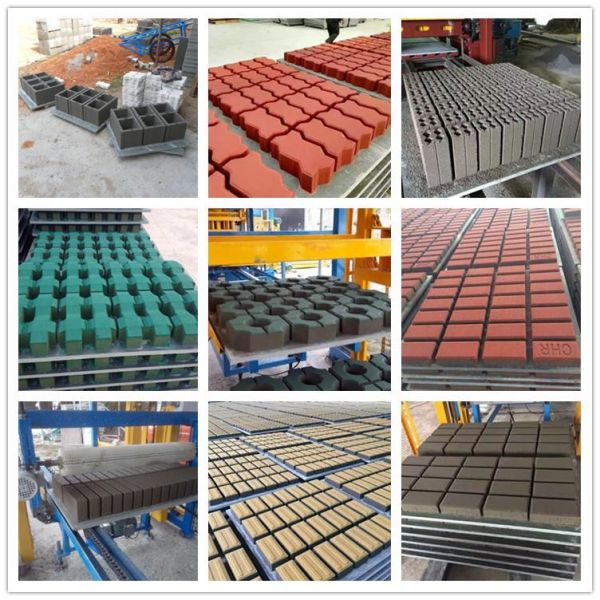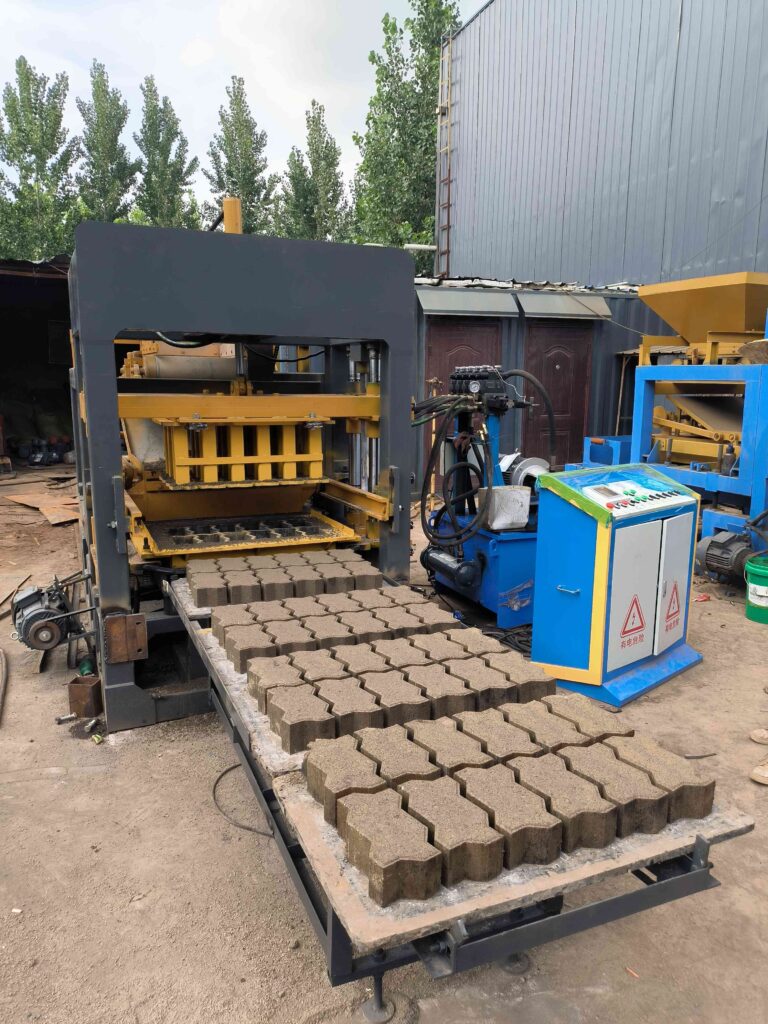
Тротуар тақтасын жасау машинасы бір мақсатқа арналған: жолдарды, жаяу жүргіншілер жолдарын, алаңдарды және коммерциялық кеңістіктерді жабу үшін пайдаланылатын берік, дәл және эстетикалық түрде өзгергіш бірліктерді өндіру. Бұл машина стандартты блок өндіру процесінің жай ғана бейімделген нұсқасы емес; ол жоғары дәлдіктегі инженерия, материалтану және жиі кездесетін күрделі эстетикалық басқарудың нақты үйлесімін білдіреді.
I. Технологияны анықтау: Беттік қолданбалар үшін дәлдік инженериясы
Тротуар плиткасын жасау машинасы - бұл аралас бетон плиткаларын, стандартты бетон плиталарды және ландшафттық дизайн элементтерін өндіруге арналған арнайы гидравлық прес. Оның негізгі мақсаты - жүк көтеруге жоғары қысу беріктігі мен көркемдігі үшін дәл өлшемдік дәлдікті біріктіретін элементтерді шығару.
Өлшемдік дәлдік пен беттік өңдеудің міндеттілігі
Тротуар тақталарының функционалды және коммерциялық табысы машинаның кепілдік беруі тиіс сапаларға байланысты.
- Қатаң Өлшемдік Допускалар:Кейбір құрылымдық блоктардан айырмашылығы, плиткалар ұзындығы, ені және қалыңдығы бойынша дерлік тамаша біркелкілікке ие болуы керек. Тіпті миллиметрдің өзгеруі төсеу кезінде туралау мәселелерін тудырып, соқтығысу қауіпін және көрініссіз саңылауларды тудыра алады. Бұл қайталануды қамтамасыз ету үшін машинаның қалып дизайны, діріл жүйесі және шығару механизмі калибрленген.
- Жоғары сапалы беттік өңдеу:Тротуар тақтасының көрінетін беті оның сату нүктесі болып табылады. Машиналар тығыз, тегіс немесе арнайы текстураланған "тозу бетін" өндіру үшін арнайы қалып астарлары мен діріл әдістерін қолданады. Кейбір жүйелерде автоматты беттік қоспаны беру қолданылады, онда негізгі құрылымдық қоспадан бұрын қалыпқа түсті, ұсақ агрегатты бетонның жұқа қабаты салынады, бұл біркелкі, жоғары сапалы бетті қамтамасыз етеді.
Б. Құлыптасу Принципі: Механикалық жүктемені бөлу
Көптеген тротуар плиткаларының анықтамалық ерекшелігі - олардың бір-бірімен бекітетін дизайны, бұл функция тікелей машинаның қалыбы арқылы жасалады.
- Инженерлік негіздеме:Интерлоктың төсеніш тақталары қаланған кезде бүйірлік профильдері механикалық түрде бір-бірімен тігіледі.икемді, біртұтас төсембұл тік жүктерді кең аймақ бойынша бүйірлік түрде таратады, жекелеген шөгулерді болдырмайды және беткі қабаттың жер қозғалысына шағын ауытқуларға төзімді болуын қамтамасыз етеді.
- Машиналық іске асыру: The mold cavities are crafted with complex, often negative-angle profiles to form these interlocking shapes. The machine’s compaction and vibration system must be powerful enough to fully densify the concrete in these intricate shapes to ensure the interlocks are strong and reliable.
II. Core Machine Configurations and Product Spectrum
Paving block machines range from adaptable add-ons to dedicated, high-speed production lines, each serving different market tiers.
A. Multi-Purpose “Brick and Block” Machines with Paver Molds
Many standard hydraulic block machines can be fitted with paver molds, offering a entry point into the market.
- Characteristics: These are typically pallet-based machines where the mold is interchangeable. They can produce blocks, bricks, and with a mold change, pavers.
- Commercial Positioning: Ideal for small to medium enterprises (SMEs) or block producers who wish to diversify their product line seasonally—e.g., supplying blocks for construction in one season and pavers for landscaping in another. Output is moderate, and changeover between products requires time and labor.
B. Dedicated Stationary Paver Plants
These are optimized systems designed for high-volume, continuous paver production.
- Characteristics: They feature fixed, multi-cavity paver molds (often producing 10-20+ pavers per cycle) and are integrated with automated material handling, color-feeding systems, and high-speed pallet circulation. Focus is on maximizing cycles per hour for a single product type.
- Commercial Positioning: The core asset for a supplier targeting large commercial contracts, municipal tenders for urban refurbishment, or wholesale supply to landscaping retailers. They represent a significant investment justified by volume and efficiency.
C. Specialized Systems for Advanced Products
The high-end segment includes machines for complex and value-added products.
- Permeable Paver Systems: Produce pavers with designed voids that allow water to drain through the surface, a critical feature for sustainable urban drainage (SUDS) projects. These require molds with special cores and often a different material composition.
- Double-Layer and Face-Mix Machines: Incorporate two separate concrete hoppers. One deposits a colored, fine-surface layer, and the other fills the body with a standard structural mix. This creates a durable paver with a consistent, fade-resistant color at a lower cost than using colored mix throughout.
- Robotic Handling and Packaging Lines: Fully automatic systems that not only produce but also automatically stack, band, and sometimes shrink-wrap pallets of pavers for direct shipment.
III. The Commercial Landscape: Market Drivers and Client Profiling
The demand for paving blocks is driven by trends distinct from general construction, requiring targeted market analysis.
A. Key Market Drivers
- Urbanization and Infrastructure Upgrades: Municipal projects for sidewalks, pedestrian zones, and public squares.
- Residential Landscaping and Driveways: A continuous consumer market driven by home improvement.
- Commercial and Industrial Hardscaping: Parking lots, warehouse aprons, and port facilities where durability is key.
- Sustainable Construction: Growth in permeable pavers for managing stormwater runoff and reducing the urban heat island effect.
- Architectural Design: Demand for custom colors, shapes, and textures in high-end projects.
B. Strategic Client Profiles for Distributors
- The Diversifying Block Manufacturer: An existing client with a standard block machine looking to add pavers to their catalog. Value proposition: Increased revenue streams and business resilience.
- The Specialized Paver Producer: A business focused solely on the hardscape market. Value proposition: Maximum output, product quality, and cost efficiency from dedicated machinery.
- The Entrepreneurial Start-up: Targeting local landscaping contractors and DIY markets. Value proposition: An affordable, versatile production setup to capture local demand.
- The Large-Scale Infrastructure Supplier: Bidding on major city or development contracts. Value proposition: Guaranteed volume, consistent quality, and the ability to produce specialty items like permeable pavers.
IV. Critical Technical Considerations for Investment
When advising on paving block machinery, several technical factors beyond basic output become paramount.
A. Mold Technology and Flexibility
- Mold Quality and Durability: Paver molds experience extreme wear. High-chrome, hardened steel liners are essential for long life and maintaining precision. The cost and availability of replacement mold faces are a key consideration.
- Changeover Speed: For multi-product operations, how quickly and easily can molds be changed? Some systems offer quick-change mold cartridges.
B. Color Integration and Mixing Systems
Color is a major selling point for pavers.
- Integral Color: Pigment is mixed throughout the entire concrete batch. Requires accurate, automated dosing systems to ensure batch-to-batch color consistency.
- Face-Mix/Two-Layer Technology: As described, this is a more economical way to achieve consistent surface color. The machine must have the dual-feed system and precise control to layer the mixes correctly.
C. Curing and Handling Requirements
- Green Strength: Freshly molded pavers must have sufficient immediate strength to be automatically stacked without deforming. The machine’s vibration and pressure settings are critical here.
- Curing Methodology: Pavers are often cured using specialized systems like plastic wrapping or chamber curing to ensure full strength development and color stability.
Қорытынды
The paving block machine is a masterclass in applied engineering, where precision, aesthetics, and structural performance converge. It is the essential tool for transforming raw concrete into the building blocks of modern, durable, and attractive landscapes. For the B2B professional, this segment offers opportunities beyond the cyclical nature of structural construction, tapping into enduring markets in municipal development, residential beautification, and sustainable infrastructure.
Success requires moving beyond a generic machinery sales approach. It demands an understanding of the nuances of paver design, the importance of color consistency, and the specific needs of hardscape contractors and municipalities. The most effective distributors will position themselves as experts in the entire hardscape solution—from advising on the right machine and mix design to providing insights on installation trends and market opportunities. By doing so, they enable their clients to lay not just pavers, but the foundation for a profitable and resilient business at the intersection of construction and design.
Жиі қойылатын сұрақтар (ЖҚС)
Q1: What is the main advantage of interlocking pavers over poured concrete slabs?
A: Interlocking pavers offer flexibility, repairability, and aesthetic variety. A concrete slab is monolithic and can crack with ground movement. A paver surface can flex and settle uniformly. If damaged or stained, individual pavers can be replaced without affecting the whole area. Pavers also offer an almost limitless range of colors, shapes, and patterns, unlike plain concrete.
Q2: Can a paving block machine also produce standard concrete blocks for walls?
A: It depends on the machine’s design. A dedicated, high-speed paver plant is often optimized for a specific product range and may not be easily converted. However, a versatile hydraulic press with interchangeable molds can absolutely produce both pavers and standard blocks. The key is the machine’s platen size, pressure, and the availability of different mold sets. This versatility is a major selling point for many mid-range models.
Q3: How important is the issue of color consistency for paver production?
A: It is critically important, often the single most important commercial factor after strength. Inconsistent color between batches is a primary reason for client rejection and project delays. Achieving consistency requires an automated, calibrated color dosing system, meticulous control of raw materials (especially sand), and consistent mixing and water content. Machines with integrated, computer-controlled color feeders provide a significant advantage.
Q4: What are permeable pavers, and do they require a special machine?
A: Permeable pavers are designed with open cells or gaps that allow water to infiltrate through the surface into a stone reservoir below, reducing runoff. They do require specialized molds that create the unique hollow or open structure. The production process may also use a more open-graded (no fine sand) concrete mix. While some standard machines can be fitted with permeable paver molds, optimal production often benefits from systems designed to handle the different material flow characteristics.
Q5: For a new business, is it better to start with a multi-purpose machine or a dedicated paver plant?
A: For most new entrants, a high-quality multi-purpose machine (a “brick, block, and paver” machine) is the recommended starting point. It allows you to test the market for pavers without over-committing capital. You can produce blocks to generate steady cash flow while building your paver clientele. Once paver sales consistently justify higher volume, a transition to a dedicated, higher-output paver plant can be made. This approach minimizes initial risk while preserving growth potential.