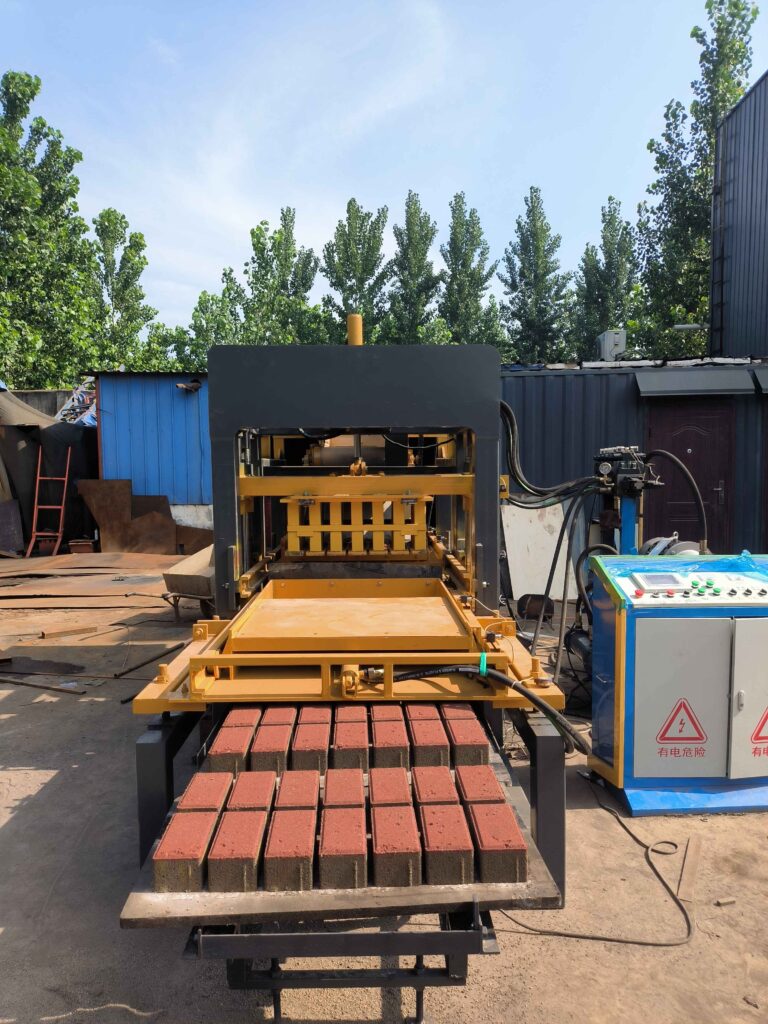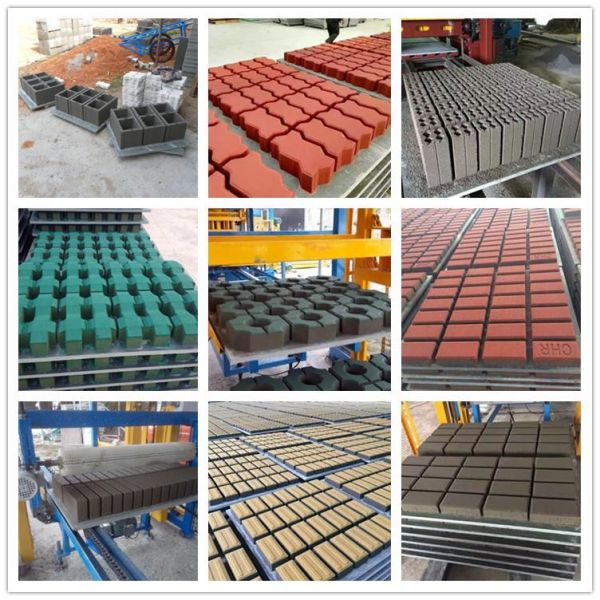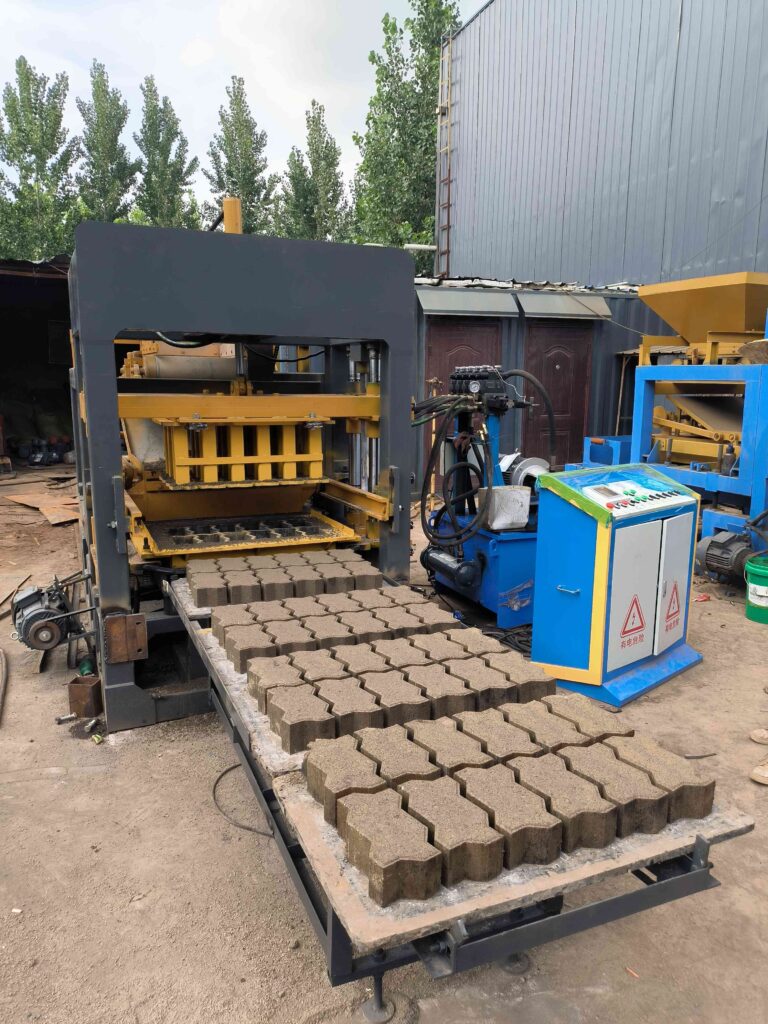
포장 블록 제작기는 내구성, 정밀성, 그리고 미적으로 다양하게 활용 가능한 단위체를 생산하는 데 특화된 기계로, 주로 진입로, 산책로, 광장, 상업 공간의 표면 마감에 사용됩니다. 이 장비는 단순한 표준 블록 생산의 변형이 아니라, 고정밀 공학, 재료 과학, 그리고 종종 정교한 미적 제어가 정교하게 융합된 결과물을 나타냅니다.
I. 기술 정의: 표면 적용을 위한 정밀 공학
포장 블록 기계는 인터로킹 콘크리트 포장재, 표준 콘크리트 슬래브 및 관련 조경 단위를 제조하기 위해 설계된 특수 유압 프레스입니다. 그 핵심 목표는 하중 지지력을 위한 높은 압축 강도와 원활한 설치 및 시각적 매력을 위한 정밀한 치수 공차를 결합한 요소를 생산하는 것입니다.
A. 치수 정밀도와 표면 마감의 필수성
포장재의 기능적 및 상업적 성공은 기계가 보장해야 할 품질에 달려 있습니다.
- 엄격한 치수 공차일부 구조용 블록과 달리, 포장 블록은 길이, 너비, 두께에 있어 거의 완벽한 일관성을 가져야 합니다. 단 1밀리미터의 차이도 포장 시 정렬 문제를 일으켜 걸림 위험과 보기 흉한 틈을 만들 수 있습니다. 기계의 금형 설계, 진동 시스템, 이젝션 메커니즘은 이러한 반복 정확도를 달성하도록 조정됩니다.
- 우수한 표면 마감铺路机的可视表面是其卖点。机器采用专用模具衬垫和振动技术,生产出密实、光滑或有特定纹理的“磨耗面”。部分系统配备自动面层混合料供给功能,即在主结构混合料进入模具前,先铺设一层薄薄的彩色细骨料混凝土,以确保获得均匀的高质量饰面。
B. 인터로킹 원리(Interlocking Principle): 기계적 하중 분산(Mechanical Load Distribution)
많은 포장 블록의 특징적인 요소는 바로 맞물림 설계이며, 이는 기계의 금형에 의해 직접 설계된 기능입니다.
- 공학적 근거:인터로킹 포장재는 측면 형상이 기계적으로 연결되도록 설계되어 시공 시 서로 맞물리게 됩니다.유연한 일체형 포장도로이는 수직 하중을 넓은 범위에 걸쳐 수평으로 분산시켜 개별 침하를 방지하고, 표면이 균열 없이 미세한 지반 움직임을 수용할 수 있게 합니다.
- 기계 구현 The mold cavities are crafted with complex, often negative-angle profiles to form these interlocking shapes. The machine’s compaction and vibration system must be powerful enough to fully densify the concrete in these intricate shapes to ensure the interlocks are strong and reliable.
II. Core Machine Configurations and Product Spectrum
Paving block machines range from adaptable add-ons to dedicated, high-speed production lines, each serving different market tiers.
A. Multi-Purpose “Brick and Block” Machines with Paver Molds
Many standard hydraulic block machines can be fitted with paver molds, offering a entry point into the market.
- Characteristics: These are typically pallet-based machines where the mold is interchangeable. They can produce blocks, bricks, and with a mold change, pavers.
- Commercial Positioning: Ideal for small to medium enterprises (SMEs) or block producers who wish to diversify their product line seasonally—e.g., supplying blocks for construction in one season and pavers for landscaping in another. Output is moderate, and changeover between products requires time and labor.
B. Dedicated Stationary Paver Plants
These are optimized systems designed for high-volume, continuous paver production.
- Characteristics: They feature fixed, multi-cavity paver molds (often producing 10-20+ pavers per cycle) and are integrated with automated material handling, color-feeding systems, and high-speed pallet circulation. Focus is on maximizing cycles per hour for a single product type.
- Commercial Positioning: The core asset for a supplier targeting large commercial contracts, municipal tenders for urban refurbishment, or wholesale supply to landscaping retailers. They represent a significant investment justified by volume and efficiency.
C. Specialized Systems for Advanced Products
The high-end segment includes machines for complex and value-added products.
- Permeable Paver Systems: Produce pavers with designed voids that allow water to drain through the surface, a critical feature for sustainable urban drainage (SUDS) projects. These require molds with special cores and often a different material composition.
- Double-Layer and Face-Mix Machines: Incorporate two separate concrete hoppers. One deposits a colored, fine-surface layer, and the other fills the body with a standard structural mix. This creates a durable paver with a consistent, fade-resistant color at a lower cost than using colored mix throughout.
- Robotic Handling and Packaging Lines: Fully automatic systems that not only produce but also automatically stack, band, and sometimes shrink-wrap pallets of pavers for direct shipment.
III. The Commercial Landscape: Market Drivers and Client Profiling
The demand for paving blocks is driven by trends distinct from general construction, requiring targeted market analysis.
A. Key Market Drivers
- Urbanization and Infrastructure Upgrades: Municipal projects for sidewalks, pedestrian zones, and public squares.
- Residential Landscaping and Driveways: A continuous consumer market driven by home improvement.
- Commercial and Industrial Hardscaping: Parking lots, warehouse aprons, and port facilities where durability is key.
- Sustainable Construction: Growth in permeable pavers for managing stormwater runoff and reducing the urban heat island effect.
- Architectural Design: Demand for custom colors, shapes, and textures in high-end projects.
B. Strategic Client Profiles for Distributors
- The Diversifying Block Manufacturer: An existing client with a standard block machine looking to add pavers to their catalog. Value proposition: Increased revenue streams and business resilience.
- The Specialized Paver Producer: A business focused solely on the hardscape market. Value proposition: Maximum output, product quality, and cost efficiency from dedicated machinery.
- The Entrepreneurial Start-up: Targeting local landscaping contractors and DIY markets. Value proposition: An affordable, versatile production setup to capture local demand.
- The Large-Scale Infrastructure Supplier: Bidding on major city or development contracts. Value proposition: Guaranteed volume, consistent quality, and the ability to produce specialty items like permeable pavers.
IV. Critical Technical Considerations for Investment
When advising on paving block machinery, several technical factors beyond basic output become paramount.
A. Mold Technology and Flexibility
- Mold Quality and Durability: Paver molds experience extreme wear. High-chrome, hardened steel liners are essential for long life and maintaining precision. The cost and availability of replacement mold faces are a key consideration.
- Changeover Speed: For multi-product operations, how quickly and easily can molds be changed? Some systems offer quick-change mold cartridges.
B. Color Integration and Mixing Systems
Color is a major selling point for pavers.
- Integral Color: Pigment is mixed throughout the entire concrete batch. Requires accurate, automated dosing systems to ensure batch-to-batch color consistency.
- Face-Mix/Two-Layer Technology: As described, this is a more economical way to achieve consistent surface color. The machine must have the dual-feed system and precise control to layer the mixes correctly.
C. Curing and Handling Requirements
- Green Strength: Freshly molded pavers must have sufficient immediate strength to be automatically stacked without deforming. The machine’s vibration and pressure settings are critical here.
- Curing Methodology: Pavers are often cured using specialized systems like plastic wrapping or chamber curing to ensure full strength development and color stability.
결론
The paving block machine is a masterclass in applied engineering, where precision, aesthetics, and structural performance converge. It is the essential tool for transforming raw concrete into the building blocks of modern, durable, and attractive landscapes. For the B2B professional, this segment offers opportunities beyond the cyclical nature of structural construction, tapping into enduring markets in municipal development, residential beautification, and sustainable infrastructure.
Success requires moving beyond a generic machinery sales approach. It demands an understanding of the nuances of paver design, the importance of color consistency, and the specific needs of hardscape contractors and municipalities. The most effective distributors will position themselves as experts in the entire hardscape solution—from advising on the right machine and mix design to providing insights on installation trends and market opportunities. By doing so, they enable their clients to lay not just pavers, but the foundation for a profitable and resilient business at the intersection of construction and design.
자주 묻는 질문 (FAQ)
Q1: What is the main advantage of interlocking pavers over poured concrete slabs?
A: Interlocking pavers offer flexibility, repairability, and aesthetic variety. A concrete slab is monolithic and can crack with ground movement. A paver surface can flex and settle uniformly. If damaged or stained, individual pavers can be replaced without affecting the whole area. Pavers also offer an almost limitless range of colors, shapes, and patterns, unlike plain concrete.
Q2: Can a paving block machine also produce standard concrete blocks for walls?
A: It depends on the machine’s design. A dedicated, high-speed paver plant is often optimized for a specific product range and may not be easily converted. However, a versatile hydraulic press with interchangeable molds can absolutely produce both pavers and standard blocks. The key is the machine’s platen size, pressure, and the availability of different mold sets. This versatility is a major selling point for many mid-range models.
Q3: How important is the issue of color consistency for paver production?
A: It is critically important, often the single most important commercial factor after strength. Inconsistent color between batches is a primary reason for client rejection and project delays. Achieving consistency requires an automated, calibrated color dosing system, meticulous control of raw materials (especially sand), and consistent mixing and water content. Machines with integrated, computer-controlled color feeders provide a significant advantage.
Q4: What are permeable pavers, and do they require a special machine?
A: Permeable pavers are designed with open cells or gaps that allow water to infiltrate through the surface into a stone reservoir below, reducing runoff. They do require specialized molds that create the unique hollow or open structure. The production process may also use a more open-graded (no fine sand) concrete mix. While some standard machines can be fitted with permeable paver molds, optimal production often benefits from systems designed to handle the different material flow characteristics.
Q5: For a new business, is it better to start with a multi-purpose machine or a dedicated paver plant?
A: For most new entrants, a high-quality multi-purpose machine (a “brick, block, and paver” machine) is the recommended starting point. It allows you to test the market for pavers without over-committing capital. You can produce blocks to generate steady cash flow while building your paver clientele. Once paver sales consistently justify higher volume, a transition to a dedicated, higher-output paver plant can be made. This approach minimizes initial risk while preserving growth potential.