
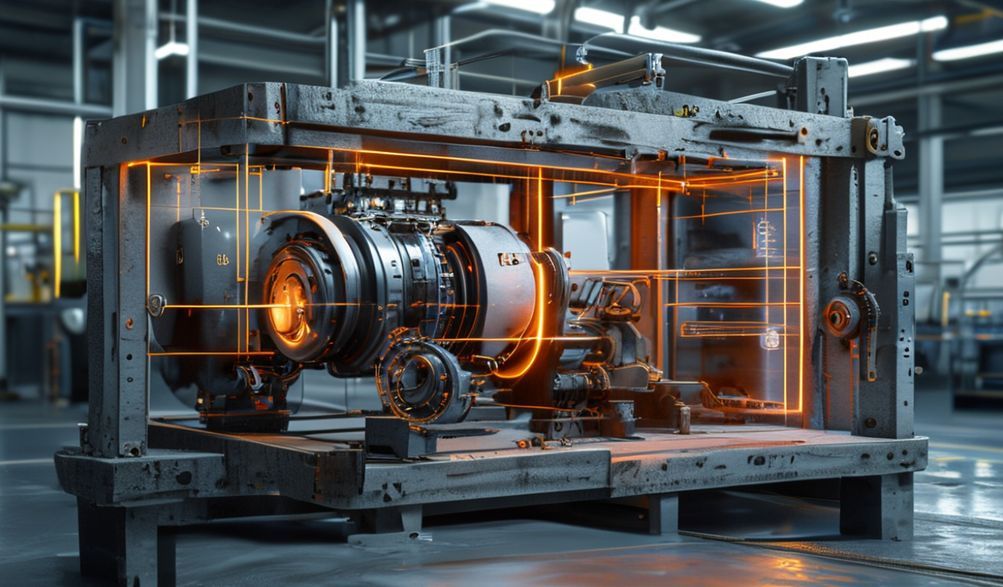
콘크리트 블록 제작 기계 설계 완벽 가이드: 푸다 공장의 통찰력과 PDF 자료
소개
급속한 도시화와 지속 가능한 건축에 대한 요구가 특징인 이 시대에, 소박한 콘크리트 블록은 여전히 현대 사회의 기초적인 건축 재료로 자리 잡고 있습니다. 그러나 일관되고 높은 강도를 가진 모든 블록 뒤에는 복잡한 공학 기술이 숨어 있습니다: 바로 콘크리트 블록 제조 기계입니다. 어떤 벽돌 제조 작업의 효율성, 생산량, 그리고 수익성은 단순히 기계를 보유하는 것뿐만 아니라 그 설계에 내재된 지능을 이해하는 데 달려 있습니다.
"콘크리트 블록 제조 기계 설계 PDF"를 검색했다면, 당신의 의도는 분명합니다. 당신은 단순히 둘러보는 것이 아니라 실질적이고 기술적인 지식을 찾고 있는 것입니다. 생산량 최적화를 목표로 하는 공장 관리자, 유지보수 업무를 맡은 엔지니어, 투자를 평가 중인 기업가, 또는 산업 역학을 연구하는 학생일 수 있습니다. 당신은 판매 브로셔 이상의, 기계 성능을 지배하는 기본 원리와 신뢰할 수 있는 문서가 필요합니다.
이 가이드는 업계의 통찰력을 바탕으로 제작되었으며, 확립된 엔지니어링 원칙과 제조업체들의 전문 지식을 반영하고 있습니다.푸다 벽돌 제조 공장우리는 기계 설계의 신비를 벗겨내는 것이 더 현명한 구매 결정을 내리고, 최고의 운영 효율을 달성하며, 장기적인 신뢰성을 확보하기 위한 첫걸음이라고 믿습니다. 다음 섹션에서는 이러한 기계들의 핵심 설계 요소를 해체하고, 각 구성 요소가 어떻게 귀사의 수익에 영향을 미치는지 설명하며, 귀하가 찾고 있는 중요한 기술 문서에 대한 신뢰할 수 있는 출처로 안내할 것입니다.
콘크리트 블록 제작 기계 설계의 핵심 원칙
블록 제조 기계의 핵심은 동기화된 힘의 시스템입니다. 그 설계는 건식 콘크리트 혼합물을 완벽하게 성형된 구조용 건축 자재로 변환하기 위해 구조적 견고성, 정밀한 동작, 그리고 제어된 동력을 신중하게 균형 잡고 있습니다.
생산 사이클 및 기계 배치
모든 기계는 핵심 생산 사이클을 중심으로 설계됩니다. 이 사이클을 이해하는 것이 기계의 물리적 배치를 이해하는 열쇠입니다.
- 급식원료인 마른 콘크리트 혼합물이 호퍼에 적재됩니다.
- 미터링 및 전송:피더 시스템이 몰드 캐비티 내로 정확한 양의 혼합물을 공급합니다.
- 압축:혼합물은 최대 밀도를 달성하기 위해 고주파 진동과 유압 압력을 받습니다.
- 성형:다짐된 혼합물은 몰드(속빈 블록, 속찬 블록, 포장 블록 등)의 정확한 모양을 그대로 따릅니다.
- 이젝션신선하게 성형된 녹색 블록이 팔레트나 컨베이어 위로 밀려 나옵니다.
- 치유와 귀환블록은 양생 구역으로 이동되고, 빈 팔레트는 사이클의 시작 지점으로 돌아갑니다.
기계의 설계는 유압 동력 장치의 배치부터 금형 테이블의 경로에 이르기까지, 이 주기를 가능한 한 빠르고 반복 가능하며 에너지 효율적으로 만들도록 최적화되어 있습니다.
주요 기계 시스템 및 설계 고려 사항
몰드 및 몰드 테이블 설계
금형은 기계의 심장입니다. 그 설계가 최종 제품을 결정합니다.
* 재료:고크롬 경화 합금강은 내마모성 표준입니다.
* 정밀도 Tolerances are microscopic. Perfectly square corners and smooth surfaces are essential for easy block ejection and consistent block dimensions.
* Interchangeability: A well-designed system allows for relatively quick mold changes, enabling production flexibility between different block types.
Vibration and Compaction System
This system is responsible for the block’s structural integrity. Design choices here directly affect strength.
* 유형: Eccentric shaft vibrators (common) or hydraulic vibration systems.
* Frequency & Amplitude: High-frequency, low-amplitude vibration is typically used for fine, dense blocks. The design must ensure even distribution of vibration across the entire mold table.
* 압축력: Hydraulic rams provide the final top pressure, working in tandem with vibration to eliminate all air voids.
Hydraulic Power System
This is the muscle of the machine. Reliability is non-negotiable.
* Design for Pressure: The system must deliver consistent, high pressure for compaction and ejection without leakage or pressure drops.
* Control: Sophisticated valve blocks and controls manage the sequence and force of every cylinder movement.
* Cooling & Filtration: Good design includes adequate oil cooling and filtration to ensure longevity, especially in hot climates or high-volume operations.
Feeding & Mixing System Integration
Consistency starts here. The machine design must ensure a uniform, on-demand supply of mix.
* Hopper Design: Angled walls and sometimes vibrators prevent material bridging and ensure consistent flow.
* Feed Shoe: This component moves over the mold, depositing the mix. Its design ensures even filling without segregation of materials.
Control Systems & Automation
The nervous system of the machine has evolved from simple lever controls to advanced digital interfaces.
* PLC (프로그래머블 로직 컨트롤러): The standard for modern machines. It automates the entire production cycle with perfect repeatability.
* Touch-Screen HMIs (Human-Machine Interfaces): Allow operators to input block counts, adjust vibration times, monitor pressures, and diagnose faults.
* Design Impact: A well-designed control system is intuitive, protected from dust and moisture, and provides clear diagnostic information to minimize downtime.
Why Design Directly Impacts Block Quality & Production Efficiency
You cannot separate machine design from business outcomes. Every engineering decision has a direct consequence on your product and profitability.
Achieving Consistent Block Density and Strength
A block’s compressive strength is a direct function of its density. Poor design leads to weak blocks.
* Vibration Design: Inadequate or uneven vibration leaves air pockets, creating weak points.
* 압축력: Insufficient hydraulic pressure fails to consolidate the mix fully. The design must ensure this force is applied evenly across the entire mold surface.
Maximizing Output (Blocks/Hour)
Cycle time is money. Design elements that shave seconds off each cycle compound into massive productivity gains.
* Mold Movement Speed: The speed and stability of the mold table transfer.
* Optimized Vibration Duration: The PLC must be programmed (and the system capable of) delivering the precise amount of vibration needed—no more, no less.
* High-Level Automation: Automated pallet feeders and stackers remove human bottlenecks from the cycle.
Minimizing Waste and Downtime
Robust design is the enemy of operational cost.
* Wear Part Accessibility: Easily replaceable mold liners, wear plates, and seal kits can be changed in hours, not days.
* 유지보수 접근 Can an engineer easily reach the hydraulic valves or vibration motors? Good design considers servicability.
* Simplified Mold Changes: A design that allows for a 30-minute mold changeover versus a 4-hour one dramatically increases plant flexibility and reduces lost production time.
Analyzing the FUDA Brick Making Machine Design Philosophy
While specific, proprietary blueprints are confidential, the design philosophy of established manufacturers like 푸다 is evident in their machine construction and industry reputation. Analyzing this philosophy offers practical insights into how theory is applied.
Overview of FUDA’s Approach to Machinery
Based on their market presence and machine specifications, FUDA’s design philosophy appears to emphasize:
* Durability for Demanding Environments: Use of robust structural steel and commercial-grade components to ensure longevity in continuous production settings.
* 운용 단순성: Designing machines that are user-friendly, reducing the learning curve for new operators.
* 적응력: Offering a range of models (from manual to fully automatic) and mold options to suit different market scales and product requirements.
Design Features Commonly Seen in FUDA Machines
While you must verify specs for any specific model, typical design hallmarks in this class of machinery include:
* Heavy-Duty Structural Frames: Welded steel frames designed to withstand constant vibration and shock loads without fatigue.
* Integrated Vibration Systems: Often utilizing multiple, synchronized vibration motors mounted directly to the reinforced mold table for efficient power transfer.
* Modular Hydraulic Stations: Self-contained, accessible power units with clear gauges and service points.
The Importance of Manufacturer Documentation
This is where design knowledge becomes actionable. A manufacturer’s commitment to quality is often reflected in the documentation they provide. Detailed design-influenced information is captured in:
* Technical Specification Sheets (for selection).
* Parts Catalogs & Exploded-View Diagrams (for maintenance).
* Electrical and Hydraulic Schematics (for troubleshooting).
* Full Operation & Maintenance Manuals.
How to Find & Use Authentic “Concrete Block Making Machine Design PDF” Resources
In the digital age, finding a PDF is easy. Finding the 오른쪽 PDF is critical. Inaccurate information can lead to machine damage, safety risks, and production errors.
The Right Way to Source Technical PDFs
- The Primary Source (The ONLY Source for Accuracy):그official manufacturer’s website. Look for a “Downloads,” “Resources,” “Support,” or “Manual” section. For a company like FUDA, this would be their official online portal. If a PDF isn’t publicly listed, contact their sales or technical support department directly via official email or phone. They can provide documentation specific to your machine model and serial number.
- A Word of Caution on Secondary Sources: Be extremely wary of third-party “PDF repository” sites. Documents found here may be:
- Outdated: For an older, incompatible machine model.
- Generic: A superficial overview, not the detailed schematic you need.
- Inaccurate: Poorly scanned or altered, leading to dangerous misunderstandings.
What to Look for in a Quality Machine Design PDF
A valuable technical document should include:
* Clear, legible exploded-view assembly drawings with part numbers.
* Material specifications for key wear components.
* Circuit diagrams for electrical and hydraulic systems.
* Step-by-step procedures for assembly, calibration, and routine maintenance.
* Safety warnings and lockout/tagout procedures.
Using Design PDFs Effectively
- For Selection: Compare hydraulic pressure ratings, vibration motor power, and cycle times between models.
- For Operation: Understand the machine’s limits and optimal settings for different mix designs.
- For Maintenance: Follow prescribed lubrication schedules and use the correct part numbers when ordering replacements.
- For Troubleshooting: Use electrical and hydraulic schematics to diagnose faults systematically, rather than through guesswork.
Key Design Factors to Consider Before Purchasing a Machine
Armed with design knowledge, you can move beyond price as the primary metric and evaluate a machine as a long-term production asset.
Matching Machine Design to Your Product Line
- What block sizes and types (hollow, solid, interlocking) will you produce? The 금형 설계그리고machine tonnage must accommodate this.
- What is your target block strength (e.g., 7N, 10N)? This dictates the required compaction force그리고진동 시스템 capability.
Assessing Structural & Mechanical Design for Longevity
- 프레임 구성 Look for heavy, continuous welds and ample cross-bracing.
- 부품 품질 Are hydraulic cylinders and pumps from reputable brands? Are bearings sealed and rated for high-load, high-vibration environments?
- Finish & Protection: Is the machine painted with a corrosion-resistant finish? Are electrical components housed in IP-rated enclosures?
Operational & Safety Design Features
- Ergonomics: Are controls within easy reach? Is the machine height appropriate for operators?
- Safety: Are all moving parts guarded? Are there emergency stop buttons at multiple access points? Does the design include mechanical safety locks for maintenance?
- Noise & Vibration Damping: Consider the working environment. Does the design include features to reduce operational noise and isolate vibration?
FAQ Section
Q1: Where can I find a genuine FUDA concrete block machine design PDF or manual?
A: The most reliable method is to visit the official FUDA machinery website and navigate to their support or contact section. Direct inquiry to their sales or service team via official channels is the surest way to obtain accurate, model-specific documentation. Avoid unofficial sources to ensure you receive correct and safe information.
Q2: What is the most critical part of the machine’s design for producing strong blocks?
A: The integrated vibration and compaction system. Effective, high-frequency vibration removes entrapped air, while sufficient and evenly distributed hydraulic pressure consolidates the mix. A failure in either design aspect will result in blocks with low density and compromised compressive strength.
Q3: Can I modify the design of my block making machine to produce a new block shape?
A: The primary modification is changing the mold. However, this is not always simple. You must consult your machine’s design manual and the manufacturer to ensure the new mold is compatible with your machine’s feed shoe dimensions, clamping system, vibration table, and ejection stroke. Significant shape changes may exceed the machine’s original design parameters.
Q4: How does machine design affect maintenance costs?
A: Profoundly. A well-designed machine features modular components, easy access panels그리고standardized parts. This allows for quick, inexpensive repairs. A poorly designed machine with bespoke parts, cramped service areas, and complex disassembly sequences will have higher labor costs and longer downtime for every maintenance task.
Q5: Are the design principles different for stationary vs. mobile (egg-laying) block machines?
A: Yes, the design priorities shift. Stationary plant machines are designed for maximum speed and integration into a production line (automatic pallet feeders, conveyors). Mobile “egg-laying” machines are designed as self-contained units, prioritizing portability and simplicity over sheer speed. They integrate the molding and pallet handling in one footprint, often using a simpler vibration system. The core principle of compaction remains, but the execution is tailored to the application.
결론
Understanding the design of a concrete block making machine is not an academic exercise—it is a fundamental business competency. From the metallurgy of the mold to the logic of the PLC, every design choice cascades into your daily production quality, efficiency, and operational costs.
We have underscored the critical importance of sourcing technical intelligence, such as design PDFs and manuals, directly from official manufacturers. This is the only way to guarantee the accuracy and safety of the information you use to operate and maintain your valuable equipment.
Let this guide serve as your framework. Whether you are evaluating machinery from FUDA or any other manufacturer, use this knowledge to ask informed questions, scrutinize specifications, and look beyond the surface. Ultimately, investing in a well-designed machine is an investment in the consistency, quality, and profitability of your construction material production for years to come.
Your Next Step: Contact manufacturers directly. Request the full technical specifications and operation manuals for the models you are considering. Consult with a production engineer to audit your specific product goals and site requirements against the design features of the available machinery. Make your investment a decision powered by knowledge.
<