
케냐의 인터록킹 벽돌 기계 가격 2026: 구매자를 위한 완벽 가이드
소개
케냐의 건설 부문은 연간 성장률이 지속적으로 전체 경제보다 빠르게 성장하며 호황을 누리고 있습니다. 이 확장의 중심에는 혁신적이고 비용 효율적이며 지속 가능한 건축 자재에 대한 중요한 탐구가 자리 잡고 있습니다. 인터록킹 벽돌이 등장하며 건설 방식에 혁명을 일으키고 있습니다. 그러나 이 혁신의 관문은 이를 생산하는 기계이며, 필요한 투자를 이해하는 것이 첫 번째 중요한 단계입니다.
전통적인 벽돌 제작은 높은 노동 비용, 긴 생산 시간, 상당한 환경 부담과 동의어로 여겨집니다. 쌓을 때 모르타르가 필요 없는 인터록킹 벽돌은 매력적인 현대적 해결책을 제시합니다. 그러나 적합한 생산 기계를 시장에서 찾는 것은 수천에서 수백만 케냐 실링에 이르는 가격 범위로 어려울 수 있습니다.
이 종합 가이드는 혼란을 정리하기 위해 마련되었습니다. 단순히 가격을 나열하는 데 그치지 않고, 가격을 이해할 수 있는 분석적 틀을 제공할 것입니다. 광범위한 시장 조사, 직접적인 업계 참여, 실용적인 통찰력을 바탕으로 구성된 이 글은 신뢰할 수 있는 정보원이 될 것입니다. 우리는 기술을 탐구하고, 비용에 영향을 미치는 요소를 분석하며, 현실적인 2026년 가격대를 제시하고, 귀하의 프로젝트 목표와 비전에 부합하는 현명한 투자를 할 수 있도록 지식을 제공할 것입니다.
인터로킹 브릭 기술 이해하기
인터로킹 브릭이란 무엇이며 어떻게 작동하나요?
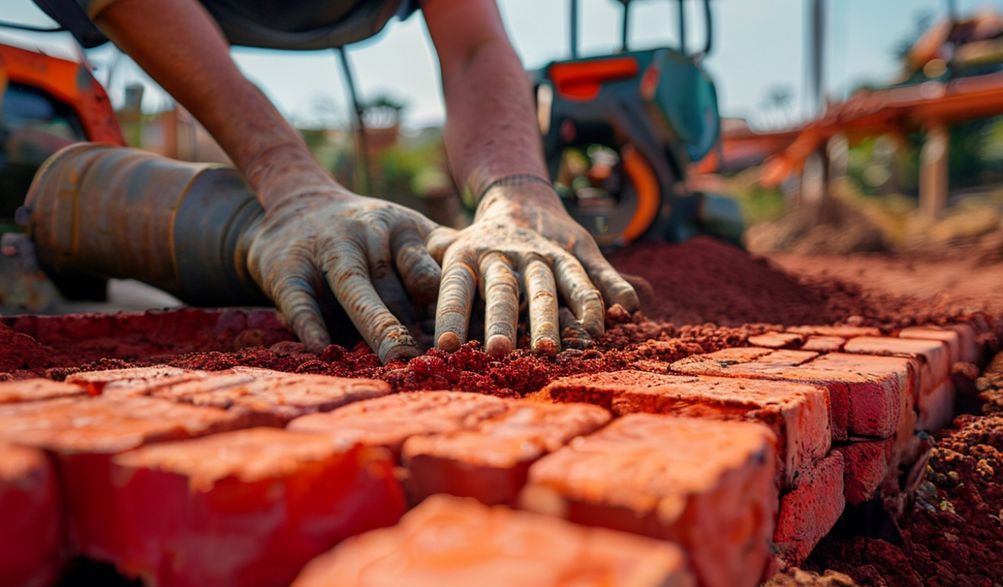
인터록킹 브릭, 보다 정확하게는 안정화 토양 블록(SSB)으로 불리는 이 블록은 독특한 능선과 홈 시스템으로 설계된 압축 토양 블록입니다. 이 설계는 벽 건설 시 습식 모르타르 없이 퍼즐 조각처럼 서로 맞물리도록 합니다.
- 혜택은 분명합니다:
- 속도기존 벽돌보다 2~3배 빠르게 벽이 쌓입니다.
- 비용 절감재료비(모르타르용 모래나 시멘트 불필요)와 인건비가 크게 절감됩니다.
- 강점高压缩比能够产生密度高、耐久性强且质量一致的块体。
- 지속 가능성:현지에서 구할 수 있는 토양(혼합물의 90-95%를 차지)을 사용하며, 시멘트 사용을 최소화하고 탄소 배출량이 낮습니다.
- 단열지구의 구성은 자연적인 온도 조절 기능을 제공하여 내부를 더 시원하게 유지합니다.
안정화 토양 블록(SSB) 생산에서 기계의 역할
互锁砖机是这个过程的引擎。其主要功能是将湿润土壤(具有特定黏土/淤泥/沙比例)与少量稳定剂(通常是5-10%的水泥或石灰)的混合物压缩成高密度砖块。
- 핵심 프로세스: The machine applies immense pressure, either manually via a lever or automatically via a hydraulic system, to compact the mixture within a mold. This compression creates a strong, interlocking block that cures through drying rather than firing, saving energy.
Key Factors Determining Interlocking Bricks Machine Price in Kenya
The price tag on a machine is a direct reflection of its capabilities and build. Understanding these variables will help you decode any quotation you receive.
생산 능력 (시간당/일당 블록 수)
This is the most significant price driver. Output dictates the machine’s scale and complexity.
* 수동 프레스 Produce 100-500 blocks per day. Low output, lowest price.
* 반자동 기계: Produce 300-1,500 blocks per day. Moderate output, mid-range price.
* 완전 자동 기계: Produce 2,000-10,000+ blocks per day. High output, premium price.
Machine Type and Operation Mode
- Manual Presses (e.g., Makiga): Operated by hand levers. Ideal for very small-scale projects, NGOs, or individual homes. Prices are lowest, but physical labor is high.
- Electric/Petrol/Diesel Powered Machines: These power the compression mechanism.
- 전기 Cleaner, quieter operation for areas with stable grid power.
- Petrol/Diesel: Offers mobility and independence from the electrical grid, crucial for remote sites. Fuel costs add to operational expenses.
- 유압 시스템 대 기계식 시스템: Hydraulic systems (using fluid pressure) offer smoother, more powerful compression and are common in semi and fully automatic machines. Mechanical systems (lever-based) are simpler and cheaper.
Brand, Origin, and Quality of Build
- Locally Fabricated Machines: Kenyan fabricators offer significant advantages in price, easier communication, and faster access to spare parts and service. Quality can vary, so due diligence is key.
- Imported Brands (China, India, etc.): Often introduce advanced technology and high-volume capacity. However, prices are higher, and you must factor in longer lead times for spare parts, potential language barriers, and the reliability of local Kenyan after-sales support.
Level of Automation and Features
A basic block press is just the start. Added features increase price but also efficiency:
* Integrated Pan Mixers: Ensure consistent, homogenous mixing of soil and cement.
* 컨베이어 벨트: Automate the movement of raw material or finished blocks.
* Programmable Logic Controllers (PLC): Allow for automated, precise operation in high-end models.
* Multiple Mold Options: The ability to quickly switch between different block designs (e.g., straight, corner, half-blocks).
Supplier and After-Sales Service
A machine is a long-term investment. A supplier who offers robust after-sales support adds immense value that justifies a potentially higher initial price.
* 보증: Look for at least a 1-year warranty on major components.
* 훈련 On-site training for your operators is non-negotiable.
* 기술 지원 Access to a technician for troubleshooting, either on-site or via phone.
* Spare Parts Inventory: A supplier with a local stock of common wear-and-tear parts (like seals, molds, and hydraulic hoses) will minimize your downtime.
Detailed Price Breakdown of Interlocking Bricks Machines in Kenya (2026)
Please note: The following are estimated price ranges for 2026 based on current market trends, inflation, and forex projections. Always get multiple, detailed quotations from suppliers.
Entry-Level / Manual Machines Price Range
- Price Bracket: KES 15,000 – KES 70,000
- What You Get: These are purely manual lever-operated presses. Brands like Makiga are popular in this category. Ideal for personal projects, community initiatives, or micro-enterprises testing the market. Daily production is limited by operator stamina.
Mid-Range / Semi-Automatic Machines Price Range
- Price Bracket: KES 80,000 – KES 500,000
- What You Get: This is the most dynamic segment, featuring diesel, petrol, or electric-powered machines. They often include a hydraulic system and a basic mixer. Output is suitable for small to medium-sized construction businesses, real estate developers, and block supply ventures. You can expect better consistency and less physical labor than manual presses.
High-Capacity / Automatic Machines Price Range
- Price Bracket: KES 500,000 – KES 3,000,000+
- What You Get: These are industrial-grade plants designed for large-scale commercial production. They feature high levels of automation (PLC controls), integrated mixing and conveying systems, and very high output. The target market includes large block manufacturing yards, county government projects, and major contractors.
중요한 면책 조항: Final prices are subject to foreign exchange rates (for imported machines), supplier location within Kenya, specific configuration choices, and negotiation. The prices above are guides—your actual quote may vary.
Beyond the Machine: Calculating Your Total Investment
The machine’s sticker price is just the beginning. A realistic budget accounts for the entire ecosystem of production.
Hidden and Operational Costs to Consider
- 믹서: If not included, a good pan mixer can cost KES 30,000 – KES 150,000.
- Transport & Installation: Factor in delivery costs and any site preparation or foundation work.
- 원자재 Budget for soil testing (recommended), cement (5-10% of mix), and possibly color pigments.
- Power/Fuel: Calculate daily diesel, petrol, or electricity consumption.
- 노동 Wages for machine operators, mixers, and block handlers.
- Maintenance: Set aside a monthly budget (e.g., 5-10% of machine cost annually) for routine servicing and spare parts.
Analyzing Return on Investment (ROI)
A simple ROI framework can guide your decision:
1. Calculate Total Investment: Machine price + all setup and operational costs for the first month.
2. Determine Production Capacity: Blocks per day your machine can realistically produce.
3. Set Your Sale Price: Research the market price per interlocking block in your region (typically KES 25 – KES 50 per block).
4. Project Monthly Revenue: (Daily Output x Sale Price x Working Days).
5. Subtract Monthly Operational Costs (materials, labor, power, etc.) from revenue to get net profit.
6. Break-Even Point: Divide your Total Investment by your estimated Monthly Net Profit. This gives you the number of months to recover your initial outlay.
How to Choose the Right Machine for Your Needs in Kenya
Assess Your Project Scale and Business Goals
자문해 보세요:
* How many blocks do I need per day for my current project?
* Is this a one-off project or an ongoing business?
* What are my growth plans for the next 2-3 years?
* What is my total available budget (including hidden costs)?
Source Reputable Suppliers in Kenya
- Where to Look: Industrial areas in Nairobi (Athi River, Ruiru), Mombasa, and Kisumu. Online platforms like Jiji.co.ke or Kenya Industrial Research and Development Institute (KIRDI) directories can be starting points.
- Red Flags: Suppliers with no physical address, who refuse a demonstration, offer prices drastically below market average with no explanation, or cannot provide references or clear warranty terms.
The Essential Pre-Purchase Checklist
- Insist on a Live Demo: See the machine running, preferably with your own soil sample.
- Get Customer References: Talk to past buyers about their experience with the machine and the supplier’s service.
- Review Warranty & Support: Get warranty terms in writing. Clarify what is covered, for how long, and the process for technical support.
- Compare Total Cost of Ownership: The cheapest machine may have the highest maintenance costs and shortest lifespan. Factor in durability and part availability.
Frequently Asked Questions (FAQ) on Interlocking Bricks Machine Prices in Kenya
Q1: What is the cheapest interlocking bricks machine available in Kenya?
A: The cheapest options are manual lever presses, which can start from around KES 15,000. However, remember that “cheapest” also means the highest physical labor input and the lowest output. It’s a trade-off suitable for very small-scale applications.
Q2: Can I get a quality machine under KES 100,000?
A: Absolutely. In this range, you can find robust manual presses and some small, basic semi-automatic models (often petrol-powered). “Quality” here means a well-fabricated machine with good welding, standard mold sizes, and availability of spare parts from the supplier.
Q3: Are imported machines better than locally made ones in Kenya?
A: Not necessarily “better,” but different. Imported machines may offer more advanced technology for high-volume production. Locally fabricated machines excel in ease of service, customization for local soils, and faster part replacement. The best choice depends on your specific needs for output, technology, and support.
Q4: Besides the machine price, what legal requirements are there in Kenya?
A: You will need a business license from your county government. If you are contracting, registration with the National Construction Authority (NCA) is mandatory. Also, ensure your production site complies with local land-use and environmental guidelines.
Q5: Where can I get training on operating and maintaining the machine?
A: A reputable supplier should provide comprehensive on-site training upon installation. For broader skills, consider short courses in construction technology offered by institutions like the National Industrial Training Authority (NITA) or technical training colleges.
결론
Investing in an interlocking bricks machine in Kenya is a strategic decision that hinges on much more than just the initial price tag. As we’ve explored, the final cost is a symphony of factors: production capacity, level of automation, build quality, and, critically, the reliability of the supplier’s after-sales service. The “right” machine isn’t the most expensive one; it’s the one that perfectly aligns with your project’s scale, your business ambitions, and your total budget.
We recommend viewing this purchase not as an expense, but as a foundational business investment. Prioritize long-term reliability and support over short-term savings. Use this guide as your benchmark when engaging with suppliers, asking the right questions, and scrutinizing quotations. By doing so, you position yourself not just as a buyer, but as a savvy entrepreneur building for the future of Kenya’s construction landscape.
Have experiences or more questions about interlocking bricks machines in Kenya? Share your thoughts below—let’s continue building this knowledge base together. Our commitment remains to provide accurate, deeply researched, and practical information to empower your decisions in Kenya’s vibrant building sector.
<