
Preço da Máquina de Tijolos Intertravados no Quênia 2026: Um Guia Completo para Compradores
Introdução
O setor de construção do Quênia está em expansão, com uma taxa de crescimento anual consistentemente superior à da economia em geral. No centro dessa expansão está uma busca crítica por materiais de construção inovadores, econômicos e sustentáveis. É aí que entram os tijolos de encaixe – uma tecnologia que está revolucionando a forma como pensamos a construção. No entanto, o portal para essa inovação é a máquina que os produz, e entender o investimento necessário é o primeiro passo crucial.
A fabricação tradicional de tijolos é frequentemente sinônimo de altos custos de mão de obra, longos tempos de produção e um impacto ambiental significativo. Os tijolos de encaixe, que não exigem argamassa para assentamento, apresentam uma solução moderna e convincente. Mas navegar pelo mercado para encontrar a máquina de produção certa pode ser desafiador, com preços variando de alguns milhares a milhões de Xelins quenianos.
Este guia abrangente foi criado para acabar com a confusão. Não vamos apenas listar preços; vamos fornecer a você a estrutura analítica para entendê-los. Compilado a partir de extensa pesquisa de mercado, contato direto com o setor e insights práticos, este post servirá como seu recurso confiável. Exploraremos a tecnologia, detalharemos os fatores que influenciam o custo, forneceremos faixas de preço realistas para 2026 e o equiparemos com o conhecimento necessário para fazer um investimento astuto, alinhado com os objetivos do seu projeto e a visão do seu negócio.
Compreendendo a Tecnologia de Tijolos de Encaixe
O que são Tijolos de Encaixe e Como Eles Funcionam?
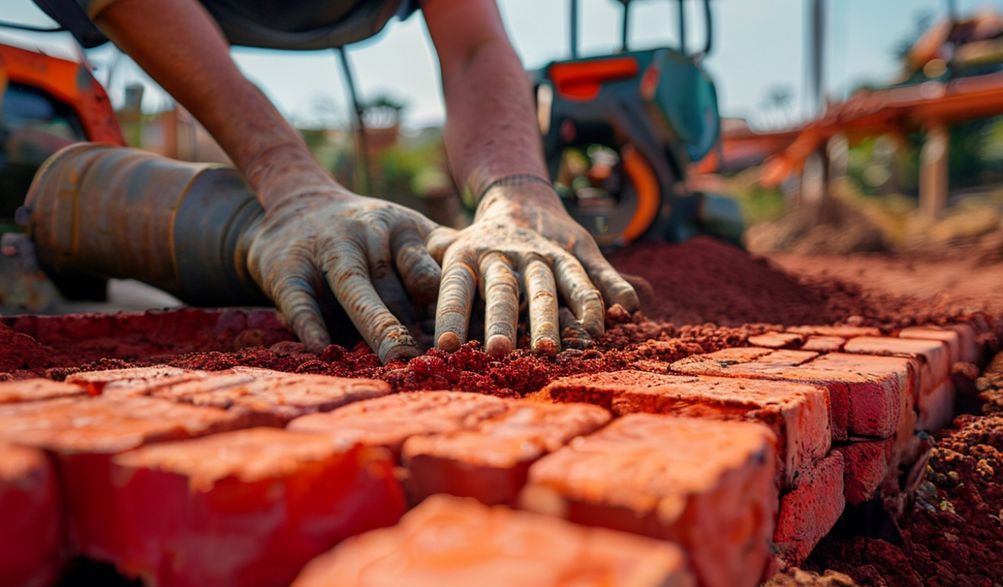
Blocos de encaixe, mais precisamente denominados Blocos de Solo Estabilizado (BSEs), são blocos de terra comprimida projetados com um sistema único de saliências e reentrâncias. Esse design permite que eles se encaixem como peças de quebra-cabeça, eliminando a necessidade de argamassa úmida durante a construção de paredes.
- Os Benefícios São Claros:
- Velocidade:As paredes sobem de 2 a 3 vezes mais rápido do que com tijolos convencionais.
- Economia de Custos:Redução significativa nos custos de materiais (sem areia ou cimento para argamassa) e mão de obra.
- Força:A alta compressão produz um bloco denso, durável e de qualidade consistente.
- Sustentabilidade:Utiliza solo disponível localmente (geralmente 90-95% da mistura), minimiza o uso de cimento e tem uma baixa pegada de carbono.
- Isolamento Térmico:A composição da terra proporciona regulação natural de temperatura, mantendo os interiores mais frescos.
O Papel da Máquina na Produção de Blocos de Solo Estabilizado (BSE)
A máquina de tijolos entrelaçados é o motor desse processo. Sua função principal é comprimir uma mistura de solo úmido (com proporções específicas de argila/silte/areia) e uma pequena porcentagem de estabilizador — geralmente cimento (5-10%) ou cal — em um bloco de alta densidade.
- O Processo Central: The machine applies immense pressure, either manually via a lever or automatically via a hydraulic system, to compact the mixture within a mold. This compression creates a strong, interlocking block that cures through drying rather than firing, saving energy.
Key Factors Determining Interlocking Bricks Machine Price in Kenya
The price tag on a machine is a direct reflection of its capabilities and build. Understanding these variables will help you decode any quotation you receive.
Capacidade de Produção (Blocos por Hora/Dia)
This is the most significant price driver. Output dictates the machine’s scale and complexity.
* Prensas Manuais: Produce 100-500 blocks per day. Low output, lowest price.
* Máquinas Semiautomáticas: Produce 300-1,500 blocks per day. Moderate output, mid-range price.
* Máquinas Totalmente Automáticas: Produce 2,000-10,000+ blocks per day. High output, premium price.
Machine Type and Operation Mode
- Manual Presses (e.g., Makiga): Operated by hand levers. Ideal for very small-scale projects, NGOs, or individual homes. Prices are lowest, but physical labor is high.
- Electric/Petrol/Diesel Powered Machines: These power the compression mechanism.
- Elétrico: Cleaner, quieter operation for areas with stable grid power.
- Petrol/Diesel: Offers mobility and independence from the electrical grid, crucial for remote sites. Fuel costs add to operational expenses.
- Hydraulic vs. Mechanical Systems: Hydraulic systems (using fluid pressure) offer smoother, more powerful compression and are common in semi and fully automatic machines. Mechanical systems (lever-based) are simpler and cheaper.
Brand, Origin, and Quality of Build
- Locally Fabricated Machines: Kenyan fabricators offer significant advantages in price, easier communication, and faster access to spare parts and service. Quality can vary, so due diligence is key.
- Imported Brands (China, India, etc.): Often introduce advanced technology and high-volume capacity. However, prices are higher, and you must factor in longer lead times for spare parts, potential language barriers, and the reliability of local Kenyan after-sales support.
Level of Automation and Features
A basic block press is just the start. Added features increase price but also efficiency:
* Integrated Pan Mixers: Ensure consistent, homogenous mixing of soil and cement.
* Esteiras Transportadoras: Automate the movement of raw material or finished blocks.
* Programmable Logic Controllers (PLC): Allow for automated, precise operation in high-end models.
* Multiple Mold Options: The ability to quickly switch between different block designs (e.g., straight, corner, half-blocks).
Supplier and After-Sales Service
A machine is a long-term investment. A supplier who offers robust after-sales support adds immense value that justifies a potentially higher initial price.
* Garantia: Look for at least a 1-year warranty on major components.
* Treinamento: On-site training for your operators is non-negotiable.
* Suporte Técnico: Access to a technician for troubleshooting, either on-site or via phone.
* Spare Parts Inventory: A supplier with a local stock of common wear-and-tear parts (like seals, molds, and hydraulic hoses) will minimize your downtime.
Detailed Price Breakdown of Interlocking Bricks Machines in Kenya (2026)
Please note: The following are estimated price ranges for 2026 based on current market trends, inflation, and forex projections. Always get multiple, detailed quotations from suppliers.
Entry-Level / Manual Machines Price Range
- Faixa de Preço: KES 15,000 – KES 70,000
- What You Get: These are purely manual lever-operated presses. Brands like Makiga are popular in this category. Ideal for personal projects, community initiatives, or micro-enterprises testing the market. Daily production is limited by operator stamina.
Mid-Range / Semi-Automatic Machines Price Range
- Faixa de Preço: KES 80,000 – KES 500,000
- What You Get: This is the most dynamic segment, featuring diesel, petrol, or electric-powered machines. They often include a hydraulic system and a basic mixer. Output is suitable for small to medium-sized construction businesses, real estate developers, and block supply ventures. You can expect better consistency and less physical labor than manual presses.
High-Capacity / Automatic Machines Price Range
- Faixa de Preço: KES 500,000 – KES 3,000,000+
- What You Get: These are industrial-grade plants designed for large-scale commercial production. They feature high levels of automation (PLC controls), integrated mixing and conveying systems, and very high output. The target market includes large block manufacturing yards, county government projects, and major contractors.
Aviso Importante: Final prices are subject to foreign exchange rates (for imported machines), supplier location within Kenya, specific configuration choices, and negotiation. The prices above are guides—your actual quote may vary.
Beyond the Machine: Calculating Your Total Investment
The machine’s sticker price is just the beginning. A realistic budget accounts for the entire ecosystem of production.
Hidden and Operational Costs to Consider
- Misturador: If not included, a good pan mixer can cost KES 30,000 – KES 150,000.
- Transport & Installation: Factor in delivery costs and any site preparation or foundation work.
- Matérias-primas: Budget for soil testing (recommended), cement (5-10% of mix), and possibly color pigments.
- Power/Fuel: Calculate daily diesel, petrol, or electricity consumption.
- Trabalho: Wages for machine operators, mixers, and block handlers.
- Maintenance: Set aside a monthly budget (e.g., 5-10% of machine cost annually) for routine servicing and spare parts.
Analyzing Return on Investment (ROI)
A simple ROI framework can guide your decision:
1. Calculate Total Investment: Machine price + all setup and operational costs for the first month.
2. Determine Production Capacity: Blocks per day your machine can realistically produce.
3. Set Your Sale Price: Research the market price per interlocking block in your region (typically KES 25 – KES 50 per block).
4. Project Monthly Revenue: (Daily Output x Sale Price x Working Days).
5. Subtract Monthly Operational Costs (materials, labor, power, etc.) from revenue to get net profit.
6. Break-Even Point: Divide your Total Investment by your estimated Monthly Net Profit. This gives you the number of months to recover your initial outlay.
How to Choose the Right Machine for Your Needs in Kenya
Assess Your Project Scale and Business Goals
Pergunte a si mesmo:
* How many blocks do I need per day for my current project?
* Is this a one-off project or an ongoing business?
* What are my growth plans for the next 2-3 years?
* What is my total available budget (including hidden costs)?
Source Reputable Suppliers in Kenya
- Where to Look: Industrial areas in Nairobi (Athi River, Ruiru), Mombasa, and Kisumu. Online platforms like Jiji.co.ke or Kenya Industrial Research and Development Institute (KIRDI) directories can be starting points.
- Red Flags: Suppliers with no physical address, who refuse a demonstration, offer prices drastically below market average with no explanation, or cannot provide references or clear warranty terms.
The Essential Pre-Purchase Checklist
- Insist on a Live Demo: See the machine running, preferably with your own soil sample.
- Get Customer References: Talk to past buyers about their experience with the machine and the supplier’s service.
- Review Warranty & Support: Get warranty terms in writing. Clarify what is covered, for how long, and the process for technical support.
- Compare Total Cost of Ownership: The cheapest machine may have the highest maintenance costs and shortest lifespan. Factor in durability and part availability.
Frequently Asked Questions (FAQ) on Interlocking Bricks Machine Prices in Kenya
Q1: What is the cheapest interlocking bricks machine available in Kenya?
A: The cheapest options are manual lever presses, which can start from around KES 15,000. However, remember that “cheapest” also means the highest physical labor input and the lowest output. It’s a trade-off suitable for very small-scale applications.
Q2: Can I get a quality machine under KES 100,000?
A: Absolutely. In this range, you can find robust manual presses and some small, basic semi-automatic models (often petrol-powered). “Quality” here means a well-fabricated machine with good welding, standard mold sizes, and availability of spare parts from the supplier.
Q3: Are imported machines better than locally made ones in Kenya?
A: Not necessarily “better,” but different. Imported machines may offer more advanced technology for high-volume production. Locally fabricated machines excel in ease of service, customization for local soils, and faster part replacement. The best choice depends on your specific needs for output, technology, and support.
Q4: Besides the machine price, what legal requirements are there in Kenya?
A: You will need a business license from your county government. If you are contracting, registration with the National Construction Authority (NCA) is mandatory. Also, ensure your production site complies with local land-use and environmental guidelines.
Q5: Where can I get training on operating and maintaining the machine?
A: A reputable supplier should provide comprehensive on-site training upon installation. For broader skills, consider short courses in construction technology offered by institutions like the National Industrial Training Authority (NITA) or technical training colleges.
Conclusão
Investing in an interlocking bricks machine in Kenya is a strategic decision that hinges on much more than just the initial price tag. As we’ve explored, the final cost is a symphony of factors: production capacity, level of automation, build quality, and, critically, the reliability of the supplier’s after-sales service. The “right” machine isn’t the most expensive one; it’s the one that perfectly aligns with your project’s scale, your business ambitions, and your total budget.
We recommend viewing this purchase not as an expense, but as a foundational business investment. Prioritize long-term reliability and support over short-term savings. Use this guide as your benchmark when engaging with suppliers, asking the right questions, and scrutinizing quotations. By doing so, you position yourself not just as a buyer, but as a savvy entrepreneur building for the future of Kenya’s construction landscape.
Have experiences or more questions about interlocking bricks machines in Kenya? Share your thoughts below—let’s continue building this knowledge base together. Our commitment remains to provide accurate, deeply researched, and practical information to empower your decisions in Kenya’s vibrant building sector.
<