
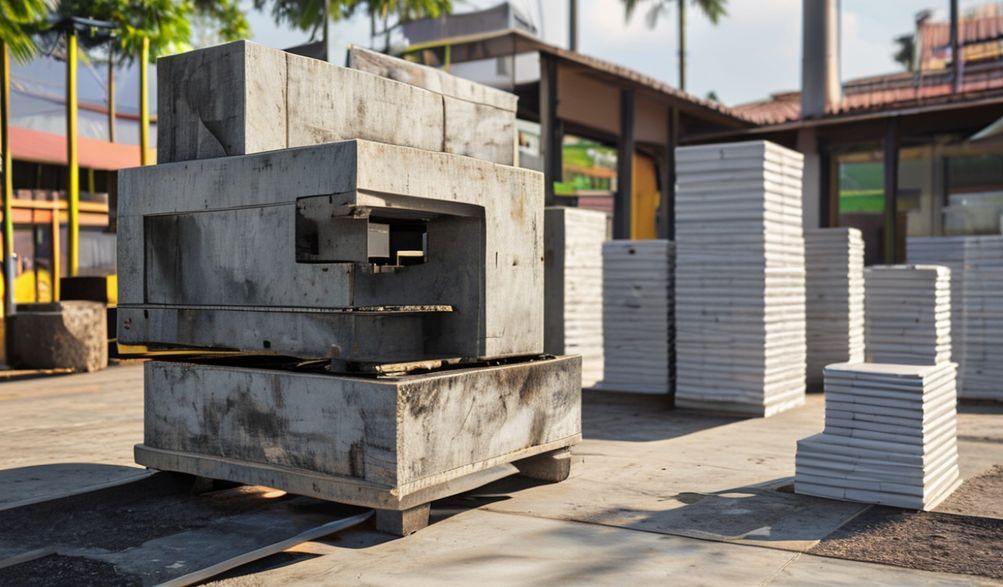
스리랑카 블록 및 브릭 머신 최종 가이드 (2026 구매자 가이드)
소개
스리랑카의 스카이라인이 변화하고 있습니다. 야심찬 인프라 프로젝트부터 꾸준히 증가하는 주거 및 상업용 건물에 이르기까지, 국가의 건설 부문은 경제 발전의 초석입니다. 이러한 모든 구조물의 핵심에는 고품질 벽돌과 블록이라는 기본 요소가 자리 잡고 있습니다. 그러나 전통적인 수동 생산 방식은 규모, 일관성, 속도에 대한 현대적 수요를 충족시키기 어려운 상황입니다.
건설업자, 계약자 및 기업가들에게 이는 중요한 과제를 제시합니다. 신뢰할 수 있는 건설 자재 공급을 어떻게 보장하고, 비용을 통제하며, 빠듯한 프로젝트 마감일을 맞출 수 있을까요? 그 해답은 점점 더 기계화에서 찾아지고 있습니다. 블록 벽돌 제조기 투자는 더 이상 대기업만의 사치가 아닙니다. 스리랑카 건설 시장에서 진지하게 활동하는 모든 참여자에게 전략적인 행보입니다.
하지만 시장을 탐색하는 것은 어려울 수 있습니다. 다양한 기계 유형, 기술 사양, 공급업체들의 주장은 숙련된 전문가들조차 압도할 수 있습니다. 잘못된 선택은 값비싼 가동 중단 시간, 부적합한 블록 품질, 그리고 낮은 투자 수익률로 이어질 수 있습니다.
이 가이드는 확실한 참고 자료가 될 것입니다. 업계 데이터, 제조업체의 직접적인 사양, 그리고 스리랑카 현지 상황에 맞춘 실용적인 통찰력을 종합하여, 여러분이 정보에 기반한 결정을 내릴 수 있도록 돕고자 합니다. 새로운 사업을 계획하는 스타트업 창업자이든, 운영 효율화를 모색하는 프로젝트 관리자이든, 스리랑카에서 블록 벽돌 기계를 이해하고 선택하며 운영하는 데 있어 신뢰할 수 있는 정보원으로 삼으시기 바랍니다.
블록 및 벽돌 제조 기계 이해하기: 종류와 기술
구매 결정을 내리기 전에, 핵심 기계 장치와 그것이 귀하의 특정 작업에 어떻게 적합한지 이해하는 것이 필수적입니다. 이 기초 지식은 현명한 투자와 값비싼 실수를 구분하는 기준이 됩니다.
수동 vs 반자동 vs 완전 자동 기계
자동화 수준은 비용, 생산량, 노동력에 직접적인 영향을 미치는 주요 차별화 요소입니다.
-
수동 블록 기계
- 그들은 어떻게 작동하나요:재료 공급, 다짐(주로 레버를 통해), 블록 제거까지 전적으로 인력으로 작동됩니다.
- 투자 및 산출최소한의 선불 비용. 매우 낮은 생산량(일반적으로 8시간 교대당 300-500 블록).
- 이상적인 대상:소규모 기업, 매우 작은 규모의 개인 프로젝트, 또는 소량의 특수화된 비표준 블록 생산.
- 노동매우 노동 집약적이고 육체적으로 힘든 작업입니다.
-
반자동 블록 기계:
- 그들은 어떻게 작동하나요:중요한 다짐 및 진동 공정은 기계화(일반적으로 전기 또는 유압 시스템을 통해)하지만, 재료 공급과 블록 제거는 수동으로 진행됩니다.
- 투자 및 산출적절한 투자. 좋은 산출량(모델에 따라 8시간 교대 근무당 1,000~4,000 블록).
- 이상적인 대상:중소기업, 주택 개발 프로젝트, 블록 제조 스타트업에 적합합니다. 스리랑카 시장에 가장 적합한 가성비와 생산성의 균형을 제공합니다.
- 노동2~4명의 운영자가 필요합니다.
-
완전 자동 블록 제작 공장:
- 그들은 어떻게 작동하나요: Integrated systems with automated material feeding via conveyor, high-pressure compaction, robotic block handling, and sometimes automated palletizing and stacking.
- 투자 및 산출 High capital investment. Very high output (5,000 to 20,000+ blocks per shift).
- 이상적인 대상: Large-scale block manufacturing factories, major construction companies supplying multiple sites, or government project suppliers.
- 노동 Highly automated, requiring skilled personnel for monitoring and maintenance rather than manual labor.
스리랑카 시장을 위한 주요 기계 유형
Beyond automation, machines are designed for different end products.
-
콘크리트 블록 제작 기계: The most common and versatile type in Sri Lanka.
- 제품: Hollow blocks (4″, 5″, 6″), solid blocks, paving blocks (interlocking or standard), and landscape kerbstones.
- 프로세스: Uses a mixture of cement, sand, and aggregates. The mix is vibrated under high pressure in a mold to form dense, strong blocks.
-
인터록킹 벽돌 기계: Gaining rapid popularity for sustainable construction.
- 주요 특징: Produces bricks/blocks with a designed interlocking system, eliminating or significantly reducing the need for mortar in wall construction.
- 혜택: Faster construction, cost-saving on mortar, and often uses soil-cement mixtures, making it an eco-friendly option.
-
Clay Brick Making Machine: Catering to traditional preferences and specific architectural needs.
- Modern Extruder Machines: Move beyond manual clay molding. These machines extrude a continuous column of clay which is then wire-cut into precise bricks, offering better consistency than traditional kiln-fired methods.
- 고려사항 Requires a reliable source of good-quality clay and involves a firing process (kiln), adding another layer to the operation.
핵심 구성 요소와 작동 방식
Understanding the key parts demystifies the machine and helps in maintenance discussions.
- 믹서/팬 믹서: Where cement, sand, aggregate, and water are combined to create a homogeneous, consistent concrete mix. The quality of mixing directly affects block strength.
- Conveyor System (in automatic/semi-auto): Transports the raw mix from the mixer to the machine’s hopper.
- 호퍼: The holding chamber for the concrete mix above the mold.
- 곰팡이 및 진동 시스템: The heart of the machine. The mix is fed into a mold (the shape of your desired block). High-frequency vibration, often combined with hydraulic or mechanical pressure, compacts the mix, removing air pockets and ensuring density.
- Hydraulic Power Pack/Press: Provides the immense pressure (measured in tons) needed for compaction in semi- and fully-automatic machines.
- 제어판 Houses the electrical controls for vibration, hydraulic pressure, and cycle timing, allowing for adjustments to block density and production speed.
Why Invest in a Block Brick Machine in Sri Lanka? (Benefits & ROI)
The decision to invest is strategic. Here’s a data-driven look at the tangible benefits you can expect.
Economic and Business Advantages
- Strong ROI Potential: For entrepreneurs, producing your own blocks creates a new revenue stream. Profit margins come from selling blocks to other contractors, developers, and the retail market. You move from being a cost center to a profit center.
- Cost Control & Independence: Break free from fluctuating market prices and supply chain delays from third-party block suppliers. You control your raw material inventory and production schedule, insulating your projects from external price hikes.
- Supply Large Projects: Position your business to tender for and reliably supply government housing schemes, large private developments, or infrastructure projects, which require guaranteed, high-volume material supply.
Quality and Construction Advantages
- 일관된 품질과 강도 Machines produce blocks with uniform dimensions and consistent compressive strength (measured in PSI or MPa). This leads to straighter walls, less mortar use, and structurally sound buildings that meet Sri Lankan Standards (SLS).
- 맞춤 설정: With the right molds, you can produce textured facade blocks, colored paving stones, or special-shaped blocks for architectural features, allowing you to cater to niche markets.
- 프로젝트 완료 기간 단축 An on-site or nearby production facility means no waiting for deliveries. Blocks are available as needed, drastically reducing project timelines and holding costs.
Supporting Sri Lanka’s Development Goals
Your investment has a broader impact. It contributes to local job creation, both in machine operation and in roles across the supply chain. It fosters skill development in machinery operation and maintenance. Most importantly, it strengthens the “Made in Sri Lanka” initiative, building the nation’s infrastructure with locally produced, high-quality materials.
Critical Factors Before You Buy: A Sri Lanka-Specific Checklist
This is where practical, local experience matters most. Use this checklist to evaluate your readiness.
Assessing Your Needs: Project Scale & Output
Start by calculating your actual block requirement.
* For a Construction Business: Estimate the average monthly block usage across your active projects, then add a buffer for growth.
* For a Manufacturing Startup: Research local demand. Start with a realistic output target you can sell.
Output Comparison Table (Approximate 8-Hour Shift):
| Machine Type | Typical Output Range (Blocks) | Ideal For |
| ——————— | —————————– | ————————————————————————- |
| Manual | 300 – 800 | Personal use, very small repairs, micro-businesses. |
| Semi-Automatic | 1,500 – 4,500 | Small/medium housing projects, SME block yards, most common investment. |
| Fully Automatic | 6,000 – 20,000+ | Large block factories, major contractors, supplying government projects. |
Key Technical Specifications to Scrutinize
Don’t just look at the price tag. Examine these specs:
* 사이클 타임: How many seconds for one complete block production cycle? Lower = higher output.
* 압력 (톤수): Higher compaction pressure generally produces stronger, denser blocks.
* Motor Power (HP/kW): Must match your available power supply (see below).
* 금형 호환성: Does the supplier offer a variety of standard and custom molds? What is the cost of additional molds?
* 현지 지원 This is critical. Is there a local service agent? Are common wear-and-tear spare parts (like vibration motors, hydraulic seals, mold liners) readily available in Sri Lanka? A machine without local support is a liability.
Power Requirements & Site Preparation
- 힘 Most semi-automatic and all automatic machines require a stable 3-phase power supply, common in Sri Lankan industrial zones. Verify your site’s connection. For areas with frequent voltage fluctuations, insist on a machine with built-in voltage protection.
- 우주 You need space for the machine, raw material storage (cement must be kept dry), a curing area for blocks, and finished block storage. A covered, level concrete floor is essential.
- 원자재 Ensure reliable access to quality Portland cement, river sand (or manufactured sand), and quarry dust/aggregates (6mm chip metal). The consistency of your raw materials dictates the consistency of your blocks.
Budgeting: Machine Cost vs. Total Investment
The machine invoice is only part of the cost. Your total investment includes:
1. Machine Price (CIF Colombo if imported).
2. Import Duty & Taxes (if importing directly). Consult a clearing agent for current rates.
3. Local Transport & Installation.
4. Foundation/ Site preparation (strong, level concrete base).
5. Initial stock of raw materials.
6. Labor costs for operators.
7. A contingency fund for initial spare parts and unforeseen expenses.
Navigating the Sri Lankan Market: Suppliers, Brands, and Support
Making a trustworthy choice here is as important as choosing the right machine.
Local Dealers vs. Direct Import: Pros and Cons
-
Authorized Local Dealer:
- 장점: On-the-ground service and technical support, local warranty validation, readily available spare parts, operator training, and help with initial setup. They understand local conditions.
- 단점: The machine price may be higher than an online import price due to their overhead and value-added services.
-
Direct Import (e.g., from China, India):
- 장점: Often a lower upfront machine cost.
- 단점: High risk. You manage shipping, customs clearance (a complex process), and pay all duties and port charges. The biggest risk is the lack of local after-sales service. A breakdown could mean weeks of downtime waiting for a technician or part from abroad.
Evaluating Suppliers and Brands
Ask every potential supplier these questions:
* How many years have you been operating and providing support in Sri Lanka?
* Can you provide contact details for 2-3 current clients for a reference check?
* Where is your service workshop located, and what is your typical response time for a service call?
* What is included in the warranty (parts, labor, duration)?
* Do you have a showroom or demo unit I can see in operation?
* What training do you provide for my operators?
Reputable international brands known in the region include names like Hongfa, QGM, Zenith (Germany), and Bess. There are also capable local assemblers and dealers who provide excellent support. The brand is less important than the local supplier’s reputation.
The Importance of After-Sales Service
Your relationship with the supplier begins 이후 the sale. A machine is a long-term asset. Ensure your supplier is a partner who will provide:
* 종합 훈련 For safe operation, basic troubleshooting, and daily maintenance.
* Preventive Maintenance Schedules: A clear checklist for daily, weekly, and monthly tasks.
* Spare Parts Inventory: A guarantee that critical spare parts are stocked locally.
Operating and Maintaining Your Machine for Longevity
Proper care maximizes your investment’s lifespan and ensures consistent output.
Best Practices for Daily Operation
- Mix Design: A standard mix ratio for hollow blocks in Sri Lanka is 1 part cement : 6 parts combined sand & aggregate (e.g., 1:3:3 – Cement:Sand:Quarry Dust). Always conduct trial batches.
- Moisture Control: The water-cement ratio is critical. Too much water weakens the block; too little causes poor compaction. The mix should hold its shape when squeezed.
- Startup/Shutdown: Follow the manufacturer’s sequence. Never start the vibration motor under load. Clean the mold, hopper, and platform thoroughly at the end of each shift.
Essential Maintenance Schedule
- Daily: Clean all parts, check oil levels in the hydraulic tank, inspect mold for wear or damage.
- Weekly: Lubricate all moving parts (guide rods, bearings) as per the manual. Check and tighten all bolts and nuts, which can loosen due to vibration.
- Monthly: Inspect hydraulic hoses for leaks. Check the electrical connections for tightness. Clean or replace air filters.
Troubleshooting Common Issues:
* Blocks sticking in mold: Mold may need lubrication (use a recommended release agent) or cleaning. Check moisture content of mix.
* Poor block strength/breaking easily: Incorrect mix design, insufficient vibration/pressure, or inadequate curing (blocks must be kept moist for at least 7 days).
* Surface defects: Worn-out mold liners or contaminated mix.
FAQ Section
Q1: What is the approximate price range for a block machine in Sri Lanka?
A: Prices vary dramatically. A basic manual machine can start from LKR 300,000, a robust semi-automatic machine suitable for a business may range from LKR 1.5 million to LKR 4.5 million, while fully automatic plants can start from LKR 8 million+. Always get detailed quotations that include delivery, installation, and training.
Q2: Can I get a loan or financing scheme for this machinery in Sri Lanka?
A: Yes. Many commercial banks (e.g., BOC, Peoples Bank, Commercial Bank) and development banks (DFCC, NDB) offer machinery loans for SMEs. Some reputable equipment suppliers also have tie-ups with leasing companies to provide financing options. Prepare a solid business plan when applying.
Q3: What is the typical lead time from order to installation?
A: For machines in a local dealer’s stock, installation can occur within 2-4 weeks. For imported machines (not in stock), factor in 3-6 months for manufacturing, sea freight, and Sri Lankan customs clearance, which can be unpredictable.
Q4: What raw materials are needed, and where can I source them locally?
A: You need Ordinary Portland Cement (OPC) from major manufacturers, river sand (or approved manufactured sand), and 6mm chip metal/quarry dust. Source these from licensed quarries and registered building material suppliers to ensure consistent quality and avoid contaminated materials.
Q5: Is specialized training required to operate these machines?
A: Absolutely. Reputable suppliers provide mandatory training. Do not operate the machine without it. Proper training ensures operator safety, maximizes block quality and output, and prevents costly damage to the machine from incorrect use.
결론
Investing in a block brick machine is a significant step toward greater control, profitability, and professionalism in Sri Lanka’s dynamic construction sector. The journey begins with understanding the different types of machines and aligning them with your specific output goals and budget. It demands careful scrutiny of technical specs and, most crucially, the selection of a supplier who will be a reliable partner for years to come.
By thoroughly assessing your needs, preparing your site, and committing to proper operation and maintenance, you transform this capital investment into a powerful engine for growth. You’re not just buying a machine; you’re investing in the capacity to build Sri Lanka’s future, one high-quality block at a time.
Ready to take the next step? Use the detailed checklists in this guide to evaluate your needs and potential suppliers. For a personalized consultation tailored to your project scope and budget, reach out to trusted local industry experts who can provide demonstrations and transparent quotations.
<