
블록 벽돌 프레스 기계의 궁극적인 가이드: 종류, 용도 및 선택 방법
소개
당신에게는 비전이 있습니다. 그것은 새 집일 수도 있고, 정원 벽일 수도 있으며, 상업 개발일 수도 있습니다. 그 비전의 핵심에는 근본적인 건축 재료, 즉 믿을 수 있고 고품질의 벽돌이나 콘크리트 블록이 자리잡고 있습니다. 하지만 어떻게 원자재 더미를 정밀하고 균일하며 구조적으로 견고한 건축 단위로 변환할 수 있을까요? 그 해답은 바로 하나의 핵심 장비, 블록 벽돌 프레스 기계에 있습니다.
이 기계는 현대 석공 생산의 엔진으로, 막대한 압력을 사용해 재료를 밀집되고 내구성 있는 형태로 압축합니다. 당신이 뒷마당 프로젝트를 진행하는 DIY 애호가이든, 지역사회 주택 계획을 시작하는 사회적 기업가이든, 운영을 간소화하려는 건설 회사이든, 적합한 프레스를 선택하는 것은 당신이 내릴 가장 중요한 결정입니다.
시장은 단순한 수동식 레버에서 완전 자동화된 생산 라인에 이르기까지 다양한 옵션으로 넘쳐납니다. 쉽게 압도당할 수 있습니다. 이 포괄적인 가이드는 그 혼란을 정리하기 위해 마련되었습니다. 우리는 업계 전문 지식을 활용해 핵심 원리를 설명하고, 각 유형의 기계를 세분화하며, 현명한 투자를 위한 명확하고 실행 가능한 프레임워크를 제공할 것입니다. 귀하의 프로젝트 성공, 효율성, 구조적 안정성은 이 선택에 달려 있습니다. 지식의 기초를 함께 쌓아봅시다.
블록 벽돌 프레스 기계란 무엇인가? 핵심 원리 설명
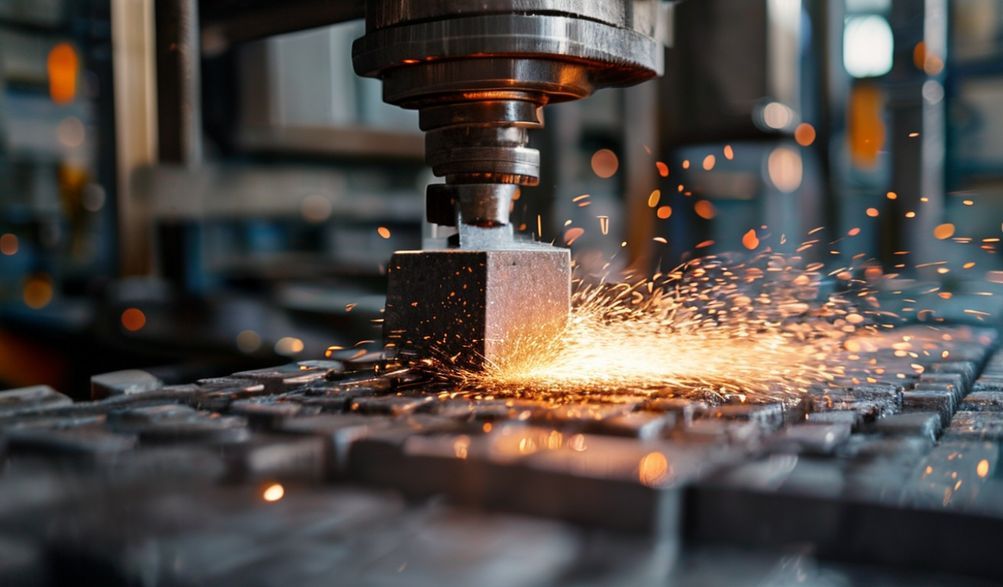
블록 벽돌 프레스 기계의 핵심은 통제된 고압력을 원료가 담긴 일정 부피에 가해 특정 모양과 크기의 고형 블록으로 압축하는 장치입니다. 이는 습한 점토를 틀에 부어 굳히거나 가마에서 소성하는 전통적 방식과는 대조적으로, 압축에 의해 정의되는 방법입니다.
기본 과정: 느슨한 재료에서 고체 블록으로
The magic is in the pressure. Imagine loose, dry-ish concrete mix or soil. Its particles are spaced apart. When you apply several tons of force, you force those particles together, eliminating air voids and creating mechanical bonds through friction and particle interlock.
This process of densification is what gives pressed blocks their strength, even before any chemical curing (like cement hydration) takes full effect. The key components that make this happen are:
- The Mold or Die: This is the cavity that defines the block’s shape—whether it’s a standard 8x8x16 inch concrete block, a hollow brick, or an interlocking paving stone.
- The Pressure System: This is the “engine” of the press. It can be a hydraulic pump and cylinder, a mechanical lever and cam system, or a vibratory motor.
- 더 프레임: This robust, steel structure must withstand the tremendous forces involved without flexing, ensuring every block is identical.
주요 산출물: 표준 벽돌을 넘어서
While the name suggests simple bricks, these machines are incredibly versatile. The output is entirely determined by the mold used. Common products include:
- 솔리드 및 홀로우 콘크리트 블록: The backbone of commercial and residential construction.
- 포장 슬래브 및 인터로킹 포장재:차도, 산책로, 테라스용.
- Soil-Stabilized Blocks (CSEB): Also known as Compressed Stabilized Earth Blocks, made from local soil mixed with a small amount of cement or lime.
- 특수 모양: Curved blocks, chimney blocks, and landscaping retaining wall units.
- 플라이 애시 벽돌: An eco-friendly alternative using a industrial by-product.
Types of Block Brick Press Machines: Finding the Right Fit
Selecting a machine type is your first major fork in the road. Your choice will dictate your production capacity, labor requirements, and initial investment. Here’s a breakdown of the primary categories.
Manual Press Machines: Pros, Cons, and Ideal Use Cases
These are the simplest and most affordable entry point into block production. Operation relies on human power, typically through a long lever or a foot pedal that drives a mechanical piston.
- 장점: Very low cost, minimal maintenance, no power required, highly portable, perfect for learning the basics of material mix and compaction.
- 단점: Very low output (50-100 blocks per day), physically demanding, quality can vary with operator fatigue.
- 이상적인 대상: Small DIY projects (garden walls, sheds), pilot projects, community-led building initiatives in off-grid areas, and educational purposes.
Semi-Automatic Press Machines: Balancing Efficiency and Cost
This category strikes a crucial balance, introducing key automations to reduce labor and boost consistency while keeping costs manageable. A common design involves a manually loaded hopper, but the press cycle (compression and ejection) is powered electrically or via a small engine.
- 장점: Significantly higher output than manual presses (300-1000 blocks/day), more consistent block quality, less operator fatigue.
- 단점: Higher initial cost, requires a power source, more complex maintenance.
- 이상적인 대상: Small to medium-sized businesses (SMBs), block-making yards supplying local builders, and medium-scale construction projects.
Fully Automatic Press Machines: For High-Volume Production
This is the industrial workhorse. These machines are complete systems where raw material is automatically fed, measured, pressed, ejected, and often stacked onto pallets by a robotic arm—all controlled by a programmable logic controller (PLC).
- 장점: Very high, consistent output (thousands of blocks per day), minimal manual labor, exceptional product uniformity, integrated palletizing.
- 단점: High capital investment, significant space and power requirements, complex maintenance needing specialized technicians.
- 이상적인 대상: Large commercial block manufacturers, major construction companies producing on-site for big projects, and government infrastructure initiatives.
Specialized Press Machines: Hydraulic vs. Mechanical vs. Vibratory
Beyond automation, presses differ in how they apply force:
- 유압 프레스: Uses pressurized fluid in a cylinder. It offers smooth, controllable, and extremely high pressure. This adjustability allows for different materials and block densities. It’s the standard for most semi- and fully-automatic machines.
- 기계식 프레스: Uses levers, cams, or flywheels to generate force. It’s simpler and often found in manual or smaller semi-automatic models. Pressure is more fixed and can be jarring.
- Vibratory Press: Combines static pressure with high-frequency vibration. This dual action is excellent for achieving a very dense compaction and a smooth, finished surface texture, especially for paving stones and high-precision blocks.
Critical Factors for Choosing Your Block Press Machine
Now that you know the types, how do you decide? Use these actionable criteria to guide your evaluation.
Assessing Your Production Needs: Volume, Block Type, and Material
Start with the end in mind. Be brutally honest with your requirements.
- 볼륨:당신의 것을 계산하세요실제 daily or weekly need. Don’t buy a 5000-block/day machine for a 500-block/week project. Factor in future growth, but avoid massive overcapacity.
- 블록 유형 List every product you need to make. Does the machine offer molds for all of them? How easy and expensive is it to change molds?
- 재료: This is critical. A machine perfect for a dry concrete mix might struggle with soil. Confirm the machine is designed for your primary material—be it standard concrete, soil-cement (CSEB), or fly ash.
Machine Specifications You Must Scrutinize
Look past the sales brochure. These specs tell the real story:
- 압력 용량 (톤수): Measured in tons (e.g., 20-ton press). Higher tonnage generally produces stronger, denser blocks. For structural blocks, you typically need a minimum of 15-20 tons of pressure.
- 사이클 타임: How many seconds does it take to produce one block? A 15-second cycle is far faster than a 45-second one. This directly determines your maximum hourly output.
- 금형의 다용도성: Can one press frame accept multiple mold sizes? What is the cost and lead time for additional molds?
- 전력 요구 사항 Does it need 3-phase electricity, single-phase, or a diesel engine? Ensure your site can support it.
Durability, Maintenance, and Total Cost of Ownership
The cheapest machine can become the most expensive if it breaks down constantly.
- 빌드 품질: Inspect the steel thickness, the quality of welds, and the reputation of the brand. A heavier frame usually indicates better durability.
- 예비 부품: Are parts readily available? Is there a local dealer or must they be shipped from overseas? Downtime is lost revenue.
- Total Cost: Calculate: Machine Price + Shipping + Installation + Foundation + Training + Annual Maintenance/Spares. This is your true investment.
Operational Best Practices and Safety Guidelines
Owning the right machine is only half the battle. Operating it correctly ensures quality, efficiency, and most importantly, safety.
Raw Material Preparation for Optimal Results
The machine can only compact what you feed it. Garbage in, garbage out.
- Aggregate Size: Must be within the machine’s specification (usually under 1/4″ or 6mm for fine finishes). Large stones can damage molds.
- 수분 함량 This is a science. Too dry, and the block won’t bind; too wet, and it will deform or crack. For concrete, a 5-8% moisture content is often a starting point.
- Mix Consistency: The mix must be uniform. Invest in a good mixer. For soil blocks, sieving and proper stabilization (cement/lime ratio) is non-negotiable.
Step-by-Step: Operating Your Machine for Maximum Efficiency
- Setup & Inspection: Ensure the machine is level on a solid foundation. Check hydraulic fluid, lubricate moving parts, and inspect the mold for damage or residue.
- 로딩 중... Fill the feed box or hopper with a consistent mix. Avoid segregation of materials.
- Cycling: Initiate the press cycle. On manual machines, apply steady, even force. On automatic machines, monitor the pressure gauges.
- 이젝션 & 큐어링: Handle green (freshly pressed) blocks with care. They are fragile. Stack them on pallets for the mandatory curing period (often 7-28 days for cement-based blocks) under damp cover.
전문가 팁: To avoid lamination (blocks separating into layers) and cracking, ensure your material mix is correct and the pressure is held for a sufficient “dwell time.”
Essential Safety Protocols for Operators
This is heavy machinery. Respect it.
- PPE is Mandatory: Safety glasses, heavy-duty gloves, steel-toe boots, and hearing protection (for loud machines) are non-negotiable.
- Lock-Out/Tag-Out (LOTO): Before any cleaning, unjamming, or maintenance, disconnect and lock the power source. This prevents accidental activation.
- Handling: Use proper lifting techniques for molds and blocks. Never place hands in the compression area while the machine is active.
The Business Case: ROI and Sustainability of Block Production
Understanding the financial and environmental impact solidifies the value of your investment.
Calculating Your Return on Investment (ROI)
A machine is a capital asset. To justify it, run the numbers:
- Costs: Machine amortization, raw materials, labor, power, maintenance, site costs.
- Revenue/Value: If selling blocks, calculate price per block. If for own use, calculate the money saved versus buying blocks.
- ROI Timeframe: A manual press for a personal home might pay for itself in a single project. A large automatic plant may have a 2-5 year ROI. Create realistic projections.
Eco-Friendly Building: The Role of Press Machines in Sustainable Construction
This is a powerful, often overlooked advantage.
- Local Materials: CSEB machines allow you to use on-site or local soil, drastically reducing the carbon footprint from transporting heavy building materials.
- 산업 부산물: Machines can utilize fly ash (from coal plants) or slag, diverting waste from landfills.
- 에너지 효율 Pressed blocks cure at ambient temperature. Compared to fired clay bricks, which require immense energy in kilns, the process is vastly more energy-efficient.
- 내구성 Well-made pressed concrete or soil blocks are extremely durable, leading to long-lasting structures.
FAQ Section
What is the average cost of a block brick press machine?
Costs vary wildly. A basic manual press can start from $500 – $2,000. A quality semi-automatic hydraulic press may range from $5,000 – $25,000. Fully automatic production lines begin around $50,000 and can exceed $250,000. Remember to budget for molds, mixers, and material handling equipment.
Can I make strong enough bricks for a house with a manual press?
Yes, absolutely. For single or two-story load-bearing structures, manually pressed Compressed Stabilized Earth Blocks (CSEB) or concrete blocks can achieve compressive strengths well over 500 psi, which is sufficient. The critical factors are a professionally engineered soil/cement mix design그리고strict adherence to proper compaction and curing protocols. Always get your blocks tested (e.g., ASTM C90 standards) and have your structure designed by an engineer.
What maintenance does a brick press machine require?
* Daily: Clean all excess material from the mold, frame, and feed system.
* Weekly: Lubricate all moving pins, bearings, and guide rods as per the manual.
* Monthly: Check hydraulic hoses for leaks, inspect electrical connections, and tighten any loose bolts on the frame.
* As Needed: Repair or replace worn mold liners. The manufacturer’s manual is your bible.
How do I choose between a hydraulic and a mechanical press?
Choose 유압 if you need: adjustable pressure for different materials, the highest possible block density and strength, smoother operation, and are moving towards semi-automation. Choose Mechanical (often manual) if your priorities are: lowest cost, extreme simplicity, ease of repair with basic tools, and you are producing standard blocks at a low volume in an area with limited technical support.
Where can I get training or find reliable machine suppliers?
Seek suppliers who don’t just sell but support. They should offer installation, on-site training, and provide clear manuals. Look for companies with:
* A long track record and verifiable client testimonials.
* A readily available catalog of spare parts.
* A clear after-sales service and warranty policy.
Attend international construction equipment expos, consult with trade associations for masonry or earth building, and consider reaching out to successful block yards in your region for their recommendations.
결론
Choosing a block brick press machine is a significant decision that intertwines engineering, business, and practicality. We’ve walked through the journey—from understanding the fundamental compaction process to navigating the landscape of manual, semi-automatic, and fully automatic machines. You now know the critical questions to ask about production needs, machine specifications, and long-term costs.
The right machine isn’t necessarily the biggest or the cheapest; it’s the one that perfectly balances your project’s scale, your budget, and your need for reliable, consistent output. It is the tool that will physically manifest your vision, one solid block at a time.
Use this guide as your foundational research. But don’t stop here. Before making a decision, consult with structural engineers for mix designs, request material tests from local suppliers, and, most importantly, seek demonstrations from multiple equipment manufacturers to see the machines in action. Your due diligence is the first step in building something that lasts.
<