
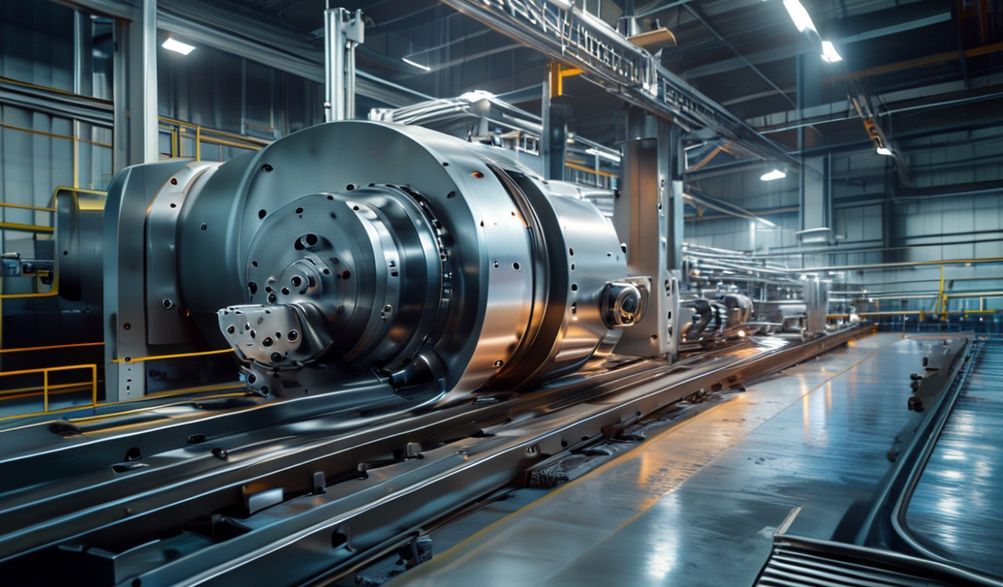
블록 및 벽돌 프레스 기계 공장의 궁극적인 가이드: 신뢰할 수 있는 제조업체를 선택하는 방법
건설의 세계에서 위대한 프로젝트의 기초는 단지 땅속의 콘크리트가 아닌, 종종 벽 속의 보잘것없는 블록이나 벽돌에 있습니다. 이러한 기본 재료의 품질, 일관성, 그리고 경제성은 한 가지 중요한 요소에 달려 있습니다: 바로 그것들을 생산하는 기계입니다. 올바른 블록 벽돌 프레스 기계 공장을 선택하는 것은 단순한 조달 작업이 아닙니다. 그것은 제품의 내구성, 생산 효율성, 그리고 장기적인 사업 수익성에 직접적인 영향을 미치는 전략적 결정입니다.
이 가이드는 전문적이고 중립적인 정보원으로서 여러분을 돕습니다. 생산 규모를 확장하려는 사업주, 대규모 개발 프로젝트를 위한 장비를 조달하는 프로젝트 매니저, 글로벌 시장을 탐색하는 구매 전문가를 막론하고, 우리의 목표는 권위 있는 지식으로 여러분을 무장시키는 것입니다. 우리는 마케팅의 잡음을 걷어내고 제조업체를 평가할 수 있는 신뢰할 수 있는 기준을 제공하여, 그들의 기계가 생산하는 블록만큼이나 견고한 파트너십을 구축할 수 있도록 합니다. 글로벌 제조 환경을 탐색하고, 공장 신뢰도의 핵심 기준을 분석하며, 성공적인 투자를 위해 필요한 실사 절차를 설명할 것입니다.
최고의 여정을 찾기 위한 당신의 여정을 시작해 보세요블록 벽돌 프레스 기계 공장.
블록 및 벽돌 프레스 기계 제조의 현황 이해하기
블록 제조 기계 시장은 소규모 가족 운영 작업장부터 광범위한 산업 단지에 이르기까지 다양한 제조업체로 구성되어 있습니다. 이 스펙트럼을 이해하는 것이 현명한 선택을 위한 첫걸음입니다.
공장의 유형: 전문화된 작업장부터 통합 공장까지
모든 공장이 똑같이 만들어지는 것은 아닙니다. 규모와 집중 분야에 따라 각각 다른 장점을 제공합니다.
-
전문 워크숍/소규모 공장
- 장점:특정 틈새 제품이나 지역 자재에 맞춤화에 뛰어난 경우가 많습니다. 더 민첩하게 대응할 수 있고 맞춤형 서비스를 제공하며, 간접비용이 낮을 수 있습니다. 독특하고 비표준적인 생산 요구를 가진 스타트업이나 기업에 이상적입니다.
- 단점:생산량, 첨단 연구 개발, 그리고 애프터 서비스 지원 네트워크의 폭에 한계가 있을 수 있습니다. 재정적 안정성과 대규모 복잡 주문 처리 능력이 우려될 수 있습니다.
-
대규모 통합 제조 공장:
- 장점:이들은 설계, 주조, 가공, 조립까지 전체 생산 라인을 제공하는 풀서비스 시설입니다. 대량 생산 능력, 엄격한 품질 관리 프로세스, 교육 및 글로벌 예비 부품 네트워크를 포함한 포괄적인 애프터서비스, 그리고 자동화와 효율성을 위한 연구 개발에 상당한 투자를 하고 있습니다.
- 단점:소량 맞춤 주문에 대한 유연성이 떨어질 수 있습니다. 구매 절차가 더 공식화될 수 있으며, 초기 투자 비용이 일반적으로 더 높습니다.
글로벌 허브 vs. 현지 제조업체: 선택의 기로
지리는 비용, 기술, 지원에 있어 중추적인 역할을 합니다.
-
주요 글로벌 제조 허브
- 아시아 (예: 중국)높은 가격 경쟁력과 기본형부터 첨단 기술 라인까지 다양한 옵션으로 유명합니다. 주요 차별화 요소는 품질 관리로, 최상위 중국 공장들은 글로벌 표준에 필적하는 반면, 저가형 제품은 품질이 일정하지 않을 수 있습니다.
- 유럽 (예: 독일, 이탈리아):정밀 공학, 첨단 자동화, 그리고 프리미엄 내구성의 동의어입니다. 이곳의 공장들은 혁신과 지속 가능한 기술 분야의 선두주자이지만, 초기 투자 비용이 상당히 높습니다.
- 기타 지역(예: 터키, 인도):매력적인 중간 지점을 제공하며, 종종 우수한 엔지니어링과 서유럽보다 접근성 높은 가격, 그리고 많은 시장에서 동아시아보다 나은 지원 근접성을 결합합니다.
-
국내 제조업체
- 장점:서비스, 예비 부품, 현지 시장 요구 사항, 규정 및 원자재 특성에 대한 이해에 있어 타의 추종을 불허하는 근접성을 자랑합니다. 소통은 원활합니다.
- 단점:선택지는 제한적일 수 있으며, 소규모 운영과 현지 인건비로 인해 가격이 더 높을 수 있습니다.
결정:비용과 장기적 가치를 저울질하라. 지원이 느린 먼 곳의 허브에서 온 저렴한 기계는 치명적인 가동 중단 시간으로 인해 그 가치가 훼손될 수 있다. 반대로, 훌륭한 지원을 제공하는 지역 제조업체는 마음의 평화를 위해 더 높은 가격을 정당화할 수 있다.
공장의 전문성과 신뢰성을 평가하는 핵심 기준
브로셔와 웹사이트를 넘어서, 판매 제안 뒤에 숨은 실체를 평가해야 합니다. 신뢰할 수 있는 브로커의 기둥은 다음과 같습니다.블록 벽돌 프레스 기계 공장.
검증된 경험과 업계 평판
공장의 역사는 그 회복력과 고객을 만족시키는 능력에 대한 증거입니다.
* 실적회사가 이 특정 기계를 제조한 지 몇 년 되었나요? 10년 이상 운영되었다면 정제된 공정과 업계 지식을 보유하고 있다는 의미입니다.
* 클라이언트 포트폴리오:참고 프로젝트 목록을 요청하십시오. 유사한 기후 조건을 가진 지역의 고객이나 유사한 제품(예: 속이 빈 블록, 포장 돌, 인터로킹 벽돌)을 생산하는 고객을 찾아보십시오. 대규모 인프라 프로젝트에 성공적으로 기계를 공급한 공장은 엄격한 테스트를 통과한 것입니다.
* 사례 연구 및 고객 평가실제 상황의 전후 비교, 문제 해결 과정, 그리고 정량적 결과(생산량 증가, 폐기물 감소)를 보여주는 상세한 사례 연구는 현장 전문성을 입증하는 강력한 지표입니다.
제조 기준 및 품질 인증
인증은 단순한 서류 작업이 아니라, 품질에 대한 체계적인 접근 방식의 증거입니다.
* ISO 9001:이것은 기준선입니다. 이는 공장이 일관된 설계, 생산 및 서비스를 위한 문서화된 품질 경영 시스템(QMS)을 보유하고 있음을 인증합니다.
* CE 마킹(유럽용):해당 기계는 EU의 건강, 안전 및 환경 기준을 준수함을 나타냅니다. 이는 엄격한 기술 문서와 위험 평가를 요구합니다.
* 지역 안전 인증:지역에 따라 다른 인증(예: UL, AS)이 중요할 수 있습니다. 항상 해당 기계가 어떤 표준에 따라 제작되었는지 확인하세요.
기술 전문성 및 연구개발 역량
최고의 공장은 단순한 공급업체가 아닌 엔지니어링 파트너입니다.
* In-House Engineering Team: Can they modify a standard design to suit your specific raw material mix, like high-fly ash content or local soil? This capability is crucial for optimizing your production.
* 연구개발 투자 Inquire about their recent innovations. Are they developing more energy-efficient systems, smarter PLC controls, or using advanced simulation software for frame stress analysis? A factory that invests in R&D is building your future competitiveness.
Key Machine Features to Discuss with Any Factory
Arm yourself with technical knowledge. These are the non-negotiable points to clarify.
Press Type and Force: Matching Machine to Product
The core of the machine defines your product’s quality.
* 메커니즘: Vibration presses are common for standard blocks, hydraulic presses offer higher pressure for denser, stronger products (like paving stones), and static presses are used for specialized applications. Many modern machines combine vibration and hydraulic action.
* Tonnage (Pressure): This directly correlates to block density and compressive strength. A factory engineer should help you determine the required tonnage based on your target product specifications (e.g., producing a C30 concrete block requires significant force).
* Output Specifications: Be precise. Provide your required blocks per hour더precise dimensions of your products, and the raw material mix you will use.
Automation Level: From Semi-Automatic to Fully Robotic Lines
Automation is a spectrum that balances labor cost with capital investment.
* 반자동 Requires operators to feed pallets and remove finished blocks. Lower initial cost, higher labor requirement.
* 완전 자동 Incorporates pallet feeders, stackers, and conveyors. Delivers consistent output with minimal labor, ideal for multi-shift operations.
* Robotic Lines: Use robotic arms for precise handling and palletizing. The pinnacle of efficiency for high-volume, 24/7 production with flawless consistency.
Durability and Maintenance: Design for Longevity
A machine is a long-term asset. Its design should reflect that.
* 시공 품질 Ask about the grade and thickness of structural steel, the brand and specification of hydraulic pumps and cylinders, and the quality of the electrical components (e.g., Siemens, Schneider). The frame should be massively overbuilt to withstand decades of vibration.
* 유지 보수 접근성 Are lubrication points easy to reach? Can wear parts like moulds and liners be replaced without dismantling half the machine? Good design minimizes downtime.
* Wear Parts Availability: Ensure the factory stocks and can quickly supply high-wear items specific to their machines.
The Due Diligence Process: Ensuring a Successful Partnership
The final step is verification. Never buy based on promises alone.
Conducting Effective Factory Audits (Virtual or In-Person)
An audit is your window into real operations.
* Virtual Audit Checklist: Request a live video tour. Focus on:
* The organization and cleanliness of the production floor.
* Welding techniques—look for clean, consistent welds.
* The quality control station—are there gauges, testing equipment?
* The assembly area for finished machines.
* Key Questions: “Can you show me your raw material inspection process for incoming steel?” “How do you test the pressure and leakage of each hydraulic assembly?” “What is your process for run-testing a machine before crating?”
Analyzing After-Sales Service and Support Structures
The true cost of a machine is its purchase price plus the cost of downtime. Robust support is insurance.
* Comprehensive Support Includes: Installation supervision (engineers sent to your site), detailed operator and maintenance training, multilingual manuals and schematics, a clear warranty (typically 12 months on core parts), and a reliable spare parts supply chain.
* Verify Responsiveness: Ask for the contact details of their service department. Test response times with a technical question before you buy. Do they have a system for remote troubleshooting?
Securing Clear Contracts and Performance Guarantees
Protect your investment with unambiguous documentation.
* Essential Contract Clauses:
* Appendix A – Detailed Technical Specifications: Every component, model number, capacity, and material grade listed.
* Delivery Timeline: A firm date with defined penalties for delays.
* Payment Terms: Clear milestones (e.g., 30% down, 60% before shipment, 10% after successful commissioning).
* Warranty Details: Exactly what is covered, for how long, and the process for claims.
* Performance Guarantee: A clause guaranteeing the machine will produce X blocks per hour meeting X strength standard, with a remediation plan if it fails.
* Legal Review: For large investments, have the contract reviewed by a legal professional familiar with international machinery trade.
Frequently Asked Questions (FAQ) About Block Brick Press Machine Factories
Q1: What is the typical lead time for a machine from order to delivery?
A: Lead times vary widely from 30 to 120+ days, depending on machine complexity, level of customization, and the factory’s current order book. Standard models are faster; fully customized, automated lines take longer. Always get a written delivery guarantee in your contract.
Q2: How do I verify the quality claims made by a factory?
A: Go beyond words. Request material certificates for the steel used, test reports for hydraulic components, and videos of the machine under load performing a factory acceptance test (FAT). The most powerful verification is speaking directly to past clients, especially those in a similar region to you.
Q3: Can factories provide help with plant layout and foundation drawings?
A: A reputable factory must provide this. As part of their technical proposal, you should receive detailed foundation drawings with load requirements, electrical schematics, and utility (air, water) connection points. This is a basic marker of a professional and experienced supplier.
Q4: What are the most common hidden costs when importing machinery?
A: Budget beyond the FOB price. Common additions include: Sea freight and marine insurance, import duties and taxes (vary by country), customs clearance and agent fees, costs for on-site installation (cranes, local labor), and potential expenses for electrical transformers or compatibility work.
Q5: How critical is local language support for after-sales service?
A: It is highly critical for resolving urgent technical issues. Evaluate the factory’s solution: Do they have fluent English-speaking engineers on call? Do they partner with a competent local agent in your country? At a minimum, ensure manuals and control panel interfaces are available in a language your technicians understand.
결론
올바른 선택블록 벽돌 프레스 기계 공장 is a multifaceted decision that balances Experience, Expertise, Authoritativeness, and Trustworthiness. It requires looking past the initial price tag to evaluate a manufacturer’s proven track record, technical depth, certified quality processes, and the robust support structure that will sustain your operation for years to come.
This investment is the cornerstone of your production capability. By using this guide as a checklist, you move from being a passive buyer to an informed partner. Prioritize factories that demonstrate a commitment to building a lasting relationship, not just making a sale. Your due diligence today is the foundation for your productivity and profitability tomorrow.
Ready to start your sourcing journey? Use this guide to prepare a detailed inquiry, shortlist potential partners, and engage with confidence, knowing you have the framework to identify a true industry leader.
<