
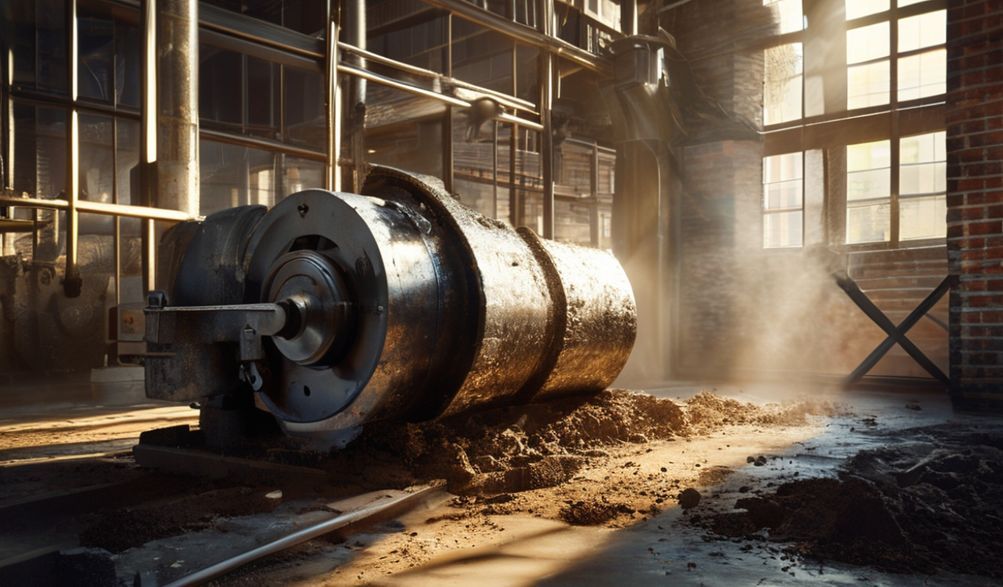
Soil Brick Making Machine Price: A Complete Guide by FUDA Block Making Factory
The global construction landscape is shifting. With rising material costs and a pressing need for sustainable practices, builders, developers, and entrepreneurs are turning to time-tested, earth-based solutions. At the forefront of this quiet revolution is the soil brick making machine, transforming humble earth into durable, eco-friendly building blocks.
But navigating the market for this equipment can be daunting. A simple search for “soil brick making machine price” reveals a dizzying array of figures, leaving you wondering what you’re really paying for. As a leading manufacturer with over 15 years of engineering expertise, FUDA Block Making Factory understands this confusion. This guide distills our hands-on experience into a clear roadmap. We’ll demystify pricing structures, explain the critical factors behind the cost, and show you how to evaluate not just a machine, but a manufacturing partner. Your journey to sustainable, cost-effective construction starts with the right information.
Understanding Soil Brick Making Machines: Types and Applications
Before discussing investment, it’s crucial to understand what you’re investing in. These machines are more than just presses; they are the heart of a modern, sustainable building movement.
토양 벽돌 제조 기계란 무엇인가요?
A soil brick making machine is a device that compresses damp earth—often mixed with a small percentage of stabilizer like cement or lime—into high-density, uniform blocks. The core principle is mechanical compaction, which aligns soil particles to create a brick that is strong, durable, and often more thermally efficient than fired clay or concrete blocks.
The benefits are compelling:
* 친환경성: They utilize locally available subsoil, drastically reducing the carbon footprint associated with firing clay or producing cement.
* 비용 효율성: Raw material costs are minimal, and operational energy use is typically low.
* Thermal & Acoustic Performance: Compressed Earth Blocks (CEBs) have excellent natural insulation properties, regulating indoor temperatures and reducing energy costs.
Common Types of Machines for Different Scales
Your project scope dictates the machine type. Here’s a breakdown:
- 수동 프레스 기계 These are lever-operated or mechanical presses. Ideal for very low-volume production, community-led projects, or workshops focusing on artisan techniques. They require significant human effort but have the lowest entry cost.
- 반자동 기계: This is the sweet spot for many small to medium enterprises (SMEs). They often feature an electric or diesel-powered hydraulic system for compression, with manual feeding and block removal. They balance affordability with substantially higher output than manual options.
- 완전 자동 기계: Designed for factory-scale production, these are complete systems. They integrate automatic material feeding, pressing, curing, and stacking via conveyors and palletizers. Labor requirements are low, and output is consistently high, making them suitable for large housing projects or commercial block supply businesses.
Key Applications of Soil/Compressed Earth Blocks (CEBs)
The versatility of CEBs is a key driver for machine investment. They are successfully used in:
* 주거 건설 From single-family homes to multi-unit affordable housing projects.
* Institutional Buildings: Schools, clinics, and community centers benefit from the healthy, comfortable environment.
* Commercial & Landscape Use: Office buildings, tourist lodges, and beautiful, durable perimeter walls.
* Humanitarian & Disaster-Resilient Projects: Their use of local materials and proven structural integrity makes them ideal for sustainable development.
Key Factors Influencing Soil Brick Making Machine Price
The price tag is a direct reflection of capability, durability, and efficiency. Understanding these factors ensures you compare apples to apples.
Level of Automation (Manual vs. Semi-Auto vs. Full-Auto)
This is the single biggest price determinant. Automation increases the initial investment but reduces long-term labor costs and boosts output consistency. A fully automatic line can cost 5 to 10 times more than a robust semi-automatic machine, but it may produce 20 times the output with a fraction of the workforce.
생산 능력 (시간당 블록 수)
A machine rated for 500 blocks per hour will be priced significantly lower than one rated for 2,000 blocks per hour, even within the same automation category. Higher capacity requires more powerful hydraulics, a larger frame, and often a faster cycle time.
Brick Size and Mold Customization
Standard brick or block molds are usually included. However, if you require custom shapes, interlocking designs, or special sizes, mold fabrication adds to the cost. The ability to quickly change molds for different products is also a feature of more advanced (and higher-priced) machines.
Machine Build Quality and Components
This is where hidden value—or future cost—resides. Consider:
* 강철 프레임 Heavy-duty, reinforced steel ensures stability and longevity under constant vibration.
* 유압 시스템: The quality of pumps, valves, and cylinders dictates pressure consistency and reliability. Reputable brands last longer.
* 전기 부품: Machines using components from recognized manufacturers like Siemens or Schneider offer greater reliability and easier servicing.
* 용접 및 마무리: Precision welding and anti-corrosion paint are signs of quality manufacturing that prevent premature failure.
Power Source (Electric, Diesel, Hybrid)
Electric machines are common for fixed installations with grid access and have lower operating costs. Diesel-powered units offer mobility and independence from the grid, crucial for remote sites. Hybrid models provide flexibility. Diesel engines and associated parts add to the initial price.
Detailed Price Range Breakdown for Soil Brick Machines
Note: The following are approximate global price ranges. Exact pricing from FUDA is provided upon detailed quotation based on your specific requirements.
Entry-Level Manual and Small Semi-Automatic Machines
- 가격 범위: $1,000 – $10,000
- 이상적인 대상: Startups, NGOs, small community projects, or pilot programs.
- Typical Features: Manual or basic hydraulic operation, production from 100 to 500 blocks per hour, single mold option, simple mechanical design.
Mid-Range Semi-Automatic and Standard Automatic Machines
- 가격 범위: $10,000 – $50,000
- 이상적인 대상: Growing block-making businesses, medium-scale housing developments, and entrepreneurs serious about production.
- Typical Features: Reliable hydraulic systems, outputs from 500 to 1,500 blocks per hour, options for multiple molds, better automation features (like automatic pallet feeding), and robust construction for daily use.
High-Capacity Fully Automatic Production Lines
- 가격 범위: $50,000 – $200,000+
- 이상적인 대상: Large-scale commercial block yards, industrial production for major construction companies, and government-led housing initiatives.
- Typical Features: These are integrated systems including automatic soil mixers, conveyor belts, high-speed presses, and block stackers. Output can exceed 2,500+ blocks per hour with minimal manual intervention. The investment is significant but justified by the scale of production and return on investment (ROI).
Beyond the Sticker Price: The Total Cost of Ownership
The smart buyer looks beyond the initial machine price to the total cost of ownership (TCO).
Shipping, Installation, and Training Costs
- 배송 Terms like FOB (Free On Board) mean you pay for shipping and insurance from the factory port. CIF (Cost, Insurance, Freight) quotes include delivery to your nearest port. Always clarify this.
- 설치 및 교육: Some suppliers offer comprehensive on-site setup and training packages. FUDA provides detailed installation manuals and video guides, with optional on-site technician support to ensure your machine runs smoothly from day one.
Operational Costs: Power, Labor, and Maintenance
A cheaper machine may have higher operational costs. A well-built machine with an efficient hydraulic system uses less power. Robust design means fewer breakdowns and lower maintenance costs. Investing in quality upfront often leads to lower cost-per-block over the machine’s lifespan.
The Cost of Raw Materials: Soil Preparation and Stabilization
Your soil is your primary raw material, but it’s not free. Budget for:
* 토양 검사 Essential to determine suitability and the correct stabilizer percentage (typically 5-10% cement).
* Stabilizers: The cost of cement or lime must be factored into your block production budget.
* 준비 Sieving and mixing equipment may be needed, which can be a separate or integrated cost.
Why Choose FUDA as Your Soil Brick Machine Factory?
In a market filled with options, partnership matters. Here’s why global clients trust FUDA.
Proven Expertise and Industry Experience
With over 15 years dedicated to block making technology, FUDA’s engineers have refined machine designs for real-world conditions. Our machines are operating successfully across Africa, Southeast Asia, and South America, proving their adaptability and reliability.
품질과 내구성에 대한 약속
We don’t cut corners. Our manufacturing process involves:
* Computer-aided design for precision.
* High-grade steel fabrication.
* Rigorous quality control at every assembly stage.
* Testing every machine under load before shipment.
Comprehensive Customer Support
Your success is our success. Our support includes:
* Pre-Sales: Technical consultation to match the right machine to your project.
* Post-Sales: Clear documentation, readily available spare parts, and responsive after-sales communication.
* 훈련 We ensure your team can operate and perform basic maintenance.
Customization and Flexible Solutions
No two projects are identical. FUDA specializes in tailoring solutions—whether it’s adapting a machine for specific soil characteristics, creating custom brick molds for unique architectural designs, or configuring a production line to fit your available space and power infrastructure.
자주 묻는 질문 (FAQ)
Q1: What is the cheapest soil brick making machine available?
The cheapest options are manual presses. However, we advise carefully evaluating your output needs. The low initial cost is offset by high labor intensity and very limited production capacity. For any serious venture, a semi-automatic machine offers a much better balance of cost and productivity.
Q2: Can I use any soil with these machines?
Not all soil is ideal. The best results come from a mix of sand, silt, and clay. Pure clay or sandy soil will not compact correctly. We strongly recommend basic soil testing and are happy to advise on stabilization (usually with a small amount of cement) to ensure strong, durable blocks.
Q3: How do I get an exact quote for my needs?
Contact our sales team with these key details: your desired daily/weekly output, the brick size(s) you want to produce, your preferred level of automation (manual, semi-auto, auto), and your available power source (electricity voltage or diesel). We will provide a tailored, transparent quotation.
Q4: What is the typical lead time and warranty?
For standard models, lead time is typically 15-30 days after order confirmation, plus shipping time. All FUDA machines come with a standard 12-month warranty on major components, covering manufacturing defects, with full technical support throughout.
Q5: Does FUDA provide installation and operational training?
Yes. Every machine comes with comprehensive installation manuals and video tutorials. We also offer optional on-site installation and training services conducted by our experienced engineers. Remote guidance via video call is always available to troubleshoot any operational questions.
결론
Understanding the “soil brick making machine price” is about more than comparing numbers. It’s about evaluating the intersection of your project scale, long-term operational costs, and the unwavering quality of the equipment. This machine is an investment in a sustainable, profitable future, not just a purchase.
At FUDA Block Making Factory, we combine deep engineering expertise with a genuine commitment to our clients’ success. We don’t just sell machines; we provide solutions and partnerships that deliver lasting value. We invite you to move from consideration to action with a trusted partner by your side.
Ready to transform your local soil into a sustainable building business? Contact the FUDA expert team today for a personalized consultation and a precise quote tailored to your vision. Let’s build a solid future, together.
<