
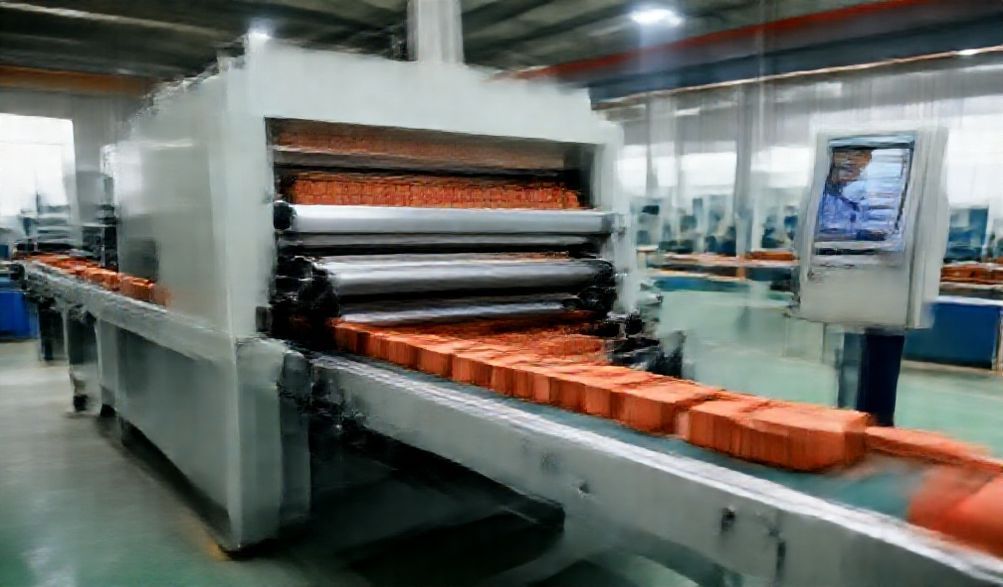
중국 점토 벽돌 제작 기계 소싱 최종 가이드: 공급업체, 판매 및 선택 방법
급속한 도시화와 지속 가능한 건설에 대한 강조가 커지는 시대에, 점토 벽돌은 내구성과 친환경성을 증명하는 시대를 초월한 증거로 자리 잡고 있습니다. 전 세계적으로 신뢰할 수 있는 건축 자재에 대한 수요가 급증하면서, 이러한 벽돌을 생산하는 기계는 산업의 중추가 되었습니다. 중국은 이 핵심 장비의 세계적인 제조 중심지로 확고히 자리매김하며, 판매용 점토 벽돌 제조 기계를 비교할 수 없을 만큼 다양하게 제공하고 있습니다.
하지만 해외에서 이렇게 광활하고 복잡한 공급업체 환경을 탐색하는 것은 어려울 수 있습니다. 수많은 온라인 목록에서 신뢰할 수 있는 파트너를 어떻게 구별할 수 있을까요? 대륙을 넘나들며 기계 품질을 확인하고, 복잡한 기술 사양을 이해하며, 신뢰할 수 있는 애프터서비스 지원을 어떻게 확보할 수 있을까요?
이 종합 가이드는 귀하의 전략적 자원입니다. 업계 전문 지식과 국제 무역 모범 사례를 바탕으로 구매 과정을 명확히 이해할 수 있도록 설계되었습니다. 중국 점토 벽돌 제조 기계에 대한 정보를 바탕으로 확신을 가지고 안전한 투자를 할 수 있도록 지식을 제공하여, 어려운 도전을 성공적인 비즈니스 성장 기회로 전환하는 데 도움을 드리겠습니다.
점토 벽돌 제조 기계 이해하기: 유형과 기술
공급업체에 연락하기 전에, 기계 자체에 대한 확실한 이해가 필수적입니다. 올바른 선택은 생산 규모, 예산 및 기술 요구 사항에 달려 있습니다.
핵심 기계 유형: 수동에서 완전 자동까지
자동화 수준은 기계의 생산량, 노동력 필요성 및 투자 규모를 결정합니다.
- 수동 및 반자동 기계:기업가, 소규모 스타트업 또는 커뮤니티 프로젝트에 이상적입니다.
- 매뉴얼:주로 손으로 성형 및 공급을 조작합니다. 가장 낮은 비용, 매우 낮은 생산량.
- 반자동성형을 위해 기계식 또는 유압식 프레스를 사용하지만 수동 공급 및 벽돌 제거가 필요할 수 있습니다. 가격 대비 생산성 향상의 균형을 제공합니다.
- 완전 자동화 생산 라인:대규모 상업용 벽돌 제조 공장을 위한 솔루션.
- 이것은 원료 점토가 자동으로 공급, 혼합, 압출 또는 프레스, 절단, 적층되는 통합 시스템입니다.
- 이들은 최소한의 수작업 개입으로 고속 운전이 가능하며, 일관된 품질과 시간당 수천에서 수만 개에 달하는 높은 생산량을 보장합니다.
- 모바일 벽돌 제작 기계:현장 생산에 적합한 다용도 옵션입니다.
- 이 기계들은 트레일러에 장착되어 건설 현장으로 직접 운송될 수 있어, 벽돌 운송 비용을 절감할 수 있습니다.
- 이들은 일반적으로 디젤로 작동하며 반자동 방식으로, 원격 프로젝트나 현지 생산에 이상적입니다.
주요 기술 구성 요소 설명
이러한 핵심 시스템을 이해하면 공급업체의 사양을 평가하고 적절한 질문을 할 수 있습니다.
- 몰딩 시스템: 기계의 심장
- 유압 성형:점토를 금형에 압착하기 위해 유압 압력을 사용합니다. 더 정밀한 압력 제어가 가능하며, 더 밀도 높고 강도 높은 벽돌을 생산하고, 더 복잡한 형상도 만들 수 있습니다. 고품질 자동화 기계의 표준 방식입니다.
- 기계/진동 성형:진동 테이블을 사용하여 몰드 내 점토를 다집니다. 표준 중공 또는 고체 벽돌에 더 비용 효율적이고 적합한 경우가 많지만, 유압 시스템과 동일한 압축 강도를 달성하지 못할 수 있습니다.
- 혼합 및 급여 시스템:일관성이 핵심입니다.
- 견고한 믹서(보통 이중축 또는 위성형 믹서)는 점토와 첨가물(모래나 플라이 애시 등)이 적절한 수분 함량으로 균일하게 혼합되도록 보장합니다.
- 자동 급식 시스템(컨베이어 벨트나 피더)은 믹서에 원료를 공급하고, 준비된 재료를 중단 없이 성형 시스템으로 이송합니다.
- 제어 시스템: 운영의 두뇌
- PLC(프로그래밍 가능 논리 제어기) 시스템:자동 라인에서 발견됩니다. 프로그래밍 가능한 작동, 압력, 시간 및 순서에 대한 정밀한 제어를 허용하며, 종종 터치스크린 인터페이스를 포함하여 모니터링과 조정이 용이합니다.
- 수동 제어물리적 스위치와 레버를 포함합니다. 반자동 및 수동 기계에서 흔히 사용되며, 더 많은 조작자 기술과 주의가 필요합니다.
중국에서 소싱하는 이유? 공급업체 시장 분석
이 분야에서 중국의 지배력은 우연이 아닙니다. 중국에서 조달하는 것은 분명한 장점이 있지만, 현명한 구매자는 그와 동시에 도전 과제들도 인지해야 합니다.
중국 제조업체의 경쟁적 우위
- 비용 효율성과 규모 Leveraging massive production scales and efficient supply chains, Chinese manufacturers offer significantly competitive pricing without necessarily sacrificing capability.
- Unmatched Range and Customization: Whether you need a simple manual press or a fully automated palletized plant, the variety is immense. Most reputable suppliers also have in-house R&D to modify molds and machine parameters for custom brick designs.
- Mature Industrial Ecosystem: A deep, localized network of component suppliers (for hydraulics, motors, PLCs, steel) means easier maintenance, faster spare parts sourcing, and continuous technological iteration.
Recognizing Potential Challenges and How to Mitigate Them
- Language and Communication Barriers: Misunderstandings can lead to costly errors.
- Mitigation: Insist on communication with a fluent English-speaking technical sales engineer. Use detailed drawings, videos, and specifications. Confirm all agreements in writing.
- Varying Levels of Quality: The market has both top-tier manufacturers and lower-quality workshops.
- Mitigation: This is where rigorous vetting (detailed in the next section) is non-negotiable. Never base a decision on price alone.
- Logistics and Shipping Complexities: International freight, customs clearance, and port duties require planning.
- Mitigation: Work with suppliers experienced in export. Understand Incoterms (like FOB or CIF) clearly. Consider using a freight forwarder.
How to Identify and Vet a Reliable Supplier in China
This is the most critical step in your journey. Due diligence separates successful partnerships from regrettable purchases.
검증해야 할 필수 공급업체 자격 증명
- Business License & Verification: Use B2B platform tools (like Alibaba’s “Verified Supplier” or “Trade Assurance”) as a starting filter, but don’t stop there.
- Factory Audit Reports and Certifications: Request recent audit reports from independent third parties like SGS, Bureau Veritas, or TÜV. ISO 9001 certification for quality management is a strong positive indicator.
- Evidence of Real Manufacturing: Ask for:
- Photos and videos of the factory floor, not just stock images.
- Proof of a dedicated R&D and quality control department.
- Details of their welding, machining, and assembly workshops.
Due Diligence Checklist for Buyers
- Request Comprehensive Documentation: Ask for detailed technical specification sheets, electrical diagrams, and parts catalogs—not just glossy brochures.
- Demand Customer References: A trustworthy supplier will provide contactable references from previous international clients in a similar region or industry. Follow up on these.
- Analyze Digital Footprint: Scrutinize their company website, LinkedIn profile, and YouTube channel for professionalism. Read both positive and negative B2B platform reviews critically.
- Test Communication: Gauge their responsiveness and technical depth during your inquiries. Do they ask insightful questions about your clay properties and production goals?
The Procurement Process: From Inquiry to Delivery
Understanding the standard workflow helps manage expectations and ensures a smooth transaction.
Step-by-Step Guide to Placing Your Order
- Initial Inquiry & Quotation: Provide a detailed request including desired output, brick type/size, clay characteristics, and degree of automation. A serious supplier will respond with a tailored quotation, not a generic price list.
- Negotiation & Contract: Discuss final price, payment terms (typically 30% T/T deposit, 70% before shipment), warranty period (usually 12-18 months), and delivery timeline. Ensure everything is captured in a formal Proforma Invoice (PI) or sales contract.
- Pre-Shipment Inspection (PSI): This is your primary quality control. Hire a third-party inspector or plan to visit the factory yourself to test the machine’s assembly and run production samples before it is crated. Never skip this step.
- Shipping & Customs: The supplier will handle packaging and delivery to the port. Based on your agreed Incoterms, you or your agent will manage sea/air freight, insurance, and customs clearance in your country.
Navigating After-Sales Support and Service
The relationship with your supplier should not end at delivery.
- 보증: Clarify exactly what is covered (parts, labor, shipping for defective parts) and what is considered wear-and-tear.
- 설치 및 교육: Most suppliers provide detailed installation manuals, foundation drawings, and video guides. For complex lines, you can negotiate for an engineer to supervise installation (costs for flight, visa, and per diem apply).
- Spare Parts & Ongoing Support: Confirm the long-term availability of spare parts. Establish clear communication channels (e.g., WhatsApp, email) for technical support. A good supplier will offer remote troubleshooting via video call.
Key Considerations Before You Buy: Matching Machine to Need
Avoid the common pitfall of buying an over- or under-specified machine.
생산 요구사항 평가하기
- 출력 용량: Calculate your real needs in bricks per hour or 8-hour shift. Factor in future growth.
- 벽돌 사양: Precisely define the type (solid, hollow, interlocking), size, and desired compressive strength.
- 원자재 분석 The properties of your local clay (plasticity, shrinkage, moisture content, abrasiveness) are crucial. Share samples with your supplier so they can recommend the appropriate mixing and molding technology.
총 소유 비용 분석
Look beyond the sticker price.
- 운영 비용 Calculate energy consumption (powerful motors and hydraulic systems), labor costs (automatic vs. manual), and consumables (mold wear parts).
- 에너지 효율 Modern machines with efficient motors and well-designed hydraulic systems will save significant money over years of operation.
- Durability & Maintenance: A machine built with thicker steel, branded PLCs (e.g., Siemens, Mitsubishi), and quality hydraulic components (e.g., Rexroth, Yuken) will have less downtime and a longer lifespan, offering a better return on investment.
자주 묻는 질문 (FAQ)
Q1: What is the average price range for a clay brick making machine from China?
A: Prices vary dramatically based on automation and output. A small manual machine can start from 3,000 – 8,000달러. A robust semi-automatic machine may range from $15,000 – $50,000. A fully automatic production line can cost anywhere from $70,000 to over $300,000. Always obtain detailed, itemized quotes.
Q2: Can suppliers provide customized machines for specific brick designs?
A: Yes, most reputable manufacturers offer customization. This primarily involves creating new molds for the desired brick shape and size. For major design changes, their R&D team can assess feasibility. Always provide clear drawings, samples, or 3D models to ensure accuracy.
Q3: How do I handle machine installation and operator training?
A: Suppliers provide foundational drawings and manuals. For complex lines, it is highly advisable to budget for a technician from the supplier to supervise installation and conduct on-site training for 1-2 weeks. This upfront cost prevents costly operational errors.
Q4: What are the most trusted B2B platforms to find suppliers?
A: Platforms like Alibaba.com, Made-in-China.com그리고GlobalSources.com are common starting points. Use their verification filters, but remember: a platform profile is just an advertisement. The vetting process outlined in this guide must be applied independently.
결론
Sourcing a clay brick making machine from China is a strategic process that blends technical understanding with diligent partnership building. It begins with comprehending the machinery that fits your vision, leverages the competitive advantages of the Chinese market, and culminates in the meticulous vetting of a supplier who will act as a long-term partner for your business.
Remember, the goal is not merely to find the lowest price, but to secure the highest value—a reliable machine backed by dependable service that will produce quality bricks for years to come. Use the checklist and insights in this guide as your roadmap.
Ready to start your search? Systematically evaluate potential suppliers using the criteria in Section 3, ask detailed, technical questions, and never underestimate the importance of a pre-shipment inspection. Your informed approach is the foundation of a successful investment.
<