
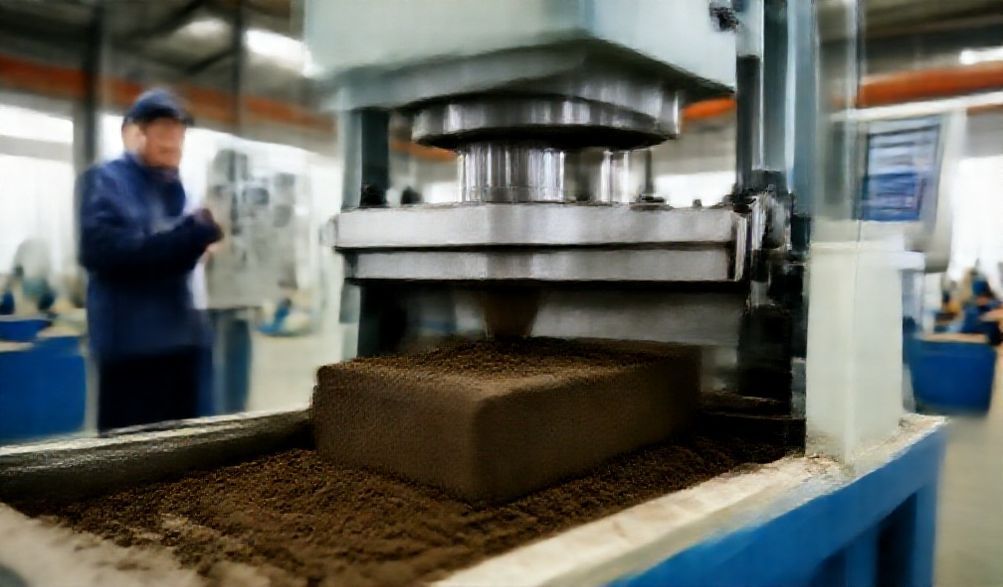
중국 진흙 벽돌 제조 기계 제조업체 선택의 궁극적인 가이드
소개
글로벌 건설 환경이 변화하고 있습니다. 지속 가능하고, 경제적이며, 지역에서 조달된 건축 자재에 대한 수요가 증가하면서 압축 흙 블록(CEB) — 종종 현대식 진흙 벽돌이라고 불리는 — 이 르네상스를 맞이하고 있습니다. 이 내구성 있고, 열 효율적이며, 친환경적인 벽돌은 소성 점토나 콘크리트 블록에 대한 매력적인 대안을 제공합니다. 건설업자, 개발자, 사회적 기업가에게 이는 상당한 기회를 제시합니다. 그러나 성공적인 CEB 프로젝트의 핵심은 단순히 흙이 아니라, 그것을 변형시키는 기계에 있습니다.
중요한 과제는 신뢰할 수 있고 효율적이며 진정한 투자 수익을 제공하는 진흙 벽돌 제조 기계를 조달하는 데 있습니다. 전 세계적인 기계 공급업체 시장을 탐색하는 것은 기술 용어, 다양한 품질 기준, 복잡한 물류 문제로 가득 차 있어 어려울 수 있습니다.
세계가 인정하는 제조업 강국, 중국을 살펴보자. 수십 년 동안 중국은 산업 기계의 글로벌 중심지로 자리매김하며 규모, 기술 혁신, 비용 효율성을 능숙하게 결합한 허브로 진화해왔다. 중국에서 진흙 벽돌 프레스를 조달한다는 것은 단순히 기계를 찾는 것이 아니다. 이는 바로 이 공예에 전념하는 방대한 엔지니어링 전문성 생태계에 접근하는 것을 의미한다.
이 가이드는 산업 분석, 기술적 이해, 실용적인 조달 지혜를 바탕으로 구성되었습니다. 우리의 목표는 이 과정을 명확히 이해시키고, 정보에 기반한 확신에 찬 결정을 내릴 수 있도록 지식을 제공하는 것입니다. 중국에서 조달해야 하는 설득력 있는 이유를 탐구하고, 양질의 기계가 갖춰야 할 필수 기능을 상세히 설명하며, 제조업체를 검증하는 청사진을 제공하고, 전체 조달 과정을 안내할 것입니다. 결국, 여러분은 단순한 공급업체가 아닌, 건설 사업을 위한 신뢰할 수 있는 장기 파트너를 찾을 수 있는 능력을 갖추게 될 것입니다.
중국에서 진흙 벽돌 기계를 조달해야 하는 이유는 무엇일까요?
중국에서 점토 벽돌 제조 기계를 조달하는 것은 첫 번째 주요 결정입니다. 중국은 다른 지역과 비교하기 어려운 장점들을 결합하고 있습니다.
비교할 수 없는 제조 규모와 전문성
중국의 산업 이야기는 전문화와 심화의 이야기입니다.
* 수십 년의 기반이 나라는 수세대에 걸쳐 중장비와 제조업 인프라에 집중해 왔으며, 이로 인해 엔지니어, 용접공, 기술자 등으로 구성된 풍부한 인재 풀이 형성되었습니다.
* 산업 생태계:제조업체들은 종종 특정 지역(예: 산동, 허난, 푸젠)에 집중되어 있어 유압 실린더 및 제어 시스템과 같은 부품에 대해 치열한 경쟁, 빠른 혁신, 고도로 전문화된 공급망을 조성합니다. 이러한 생태계는 귀사의 기계 제조업체가 최상의 부품을 직접 이용할 수 있음을 의미합니다.
경쟁력 있는 가격과 비용 효율성
이 척도는 직접적으로 여러분에게 가치로 전환됩니다.
* 규모의 경제생산량이 방대하기 때문에 중국 제조업체들은 고급 강철과 같은 원자재를 더 낮은 비용으로 조달하고 효율성을 위해 생산 라인을 최적화할 수 있습니다.
* 직접 가치당신은 종종 여러 중간상을 배제하고 직접 공장과 거래합니다. 이로 인해 다른 지역에 비해 유사하거나 더 우수한 사양의 기계를 더 경쟁력 있는 가격에 확보할 수 있어, 프로젝트 예산을 최대한 효율적으로 활용할 수 있습니다.
기술 발전과 혁신
순수한 기초 모방의 시대는 지났습니다. 중국 기계 산업은 미래를 향해 나아가고 있습니다.
* 채택과 개선:중국 엔지니어들은 글로벌 기술을 채택하는 데 그치지 않고 적극적으로 개선해왔습니다. 현대 기계에는 고급 PLC 제어 시스템, 에너지 효율적인 유압 펌프, 그리고 견고한 자동화 기술이 통합되어 있습니다.
* 다양한 포트폴리오단순한 지역 사회 프로젝트를 위한 간단한 수동 프레스부터 중소기업을 위한 반자동 작업용 장비, 로봇 핸들링이 가능한 완전 자동화 생산 라인에 이르기까지, 중국 제조업체들은 모든 스펙트럼을 제공합니다. 이러한 혁신은 건설 현장으로 직접 견인해 이동할 수 있는 모바일 유닛까지 확장되고 있습니다.
진흙 벽돌 제작 기계에서 찾아야 할 주요 기능
원산지 외에도, 기계 자체가 귀하의 특정 요구 사항을 충족해야 합니다. 다음은 꼼꼼히 살펴봐야 할 핵심 사양과 제작 품질입니다.
코어 머신 사양
이 매개변수들은 기계의 기본 성능을 정의합니다.
* 생산 능력시간당 벽돌 생산량(예: 표준 반자동 기계의 경우 300-500개/h)을 기준으로 측정합니다. 프로젝트의 수요와 성장 가능성을 고려하여 이에 맞춰 조정하세요.
* 벽돌 크기와 밀도필요한 블록 크기를 기계가 생산할 수 있는지 확인하세요(일반적인 CEB 크기는 290x140x90mm 또는 300x150x100mm입니다). 압력에 따라 영향을 받는 밀도는 최종 강도를 결정합니다.
* 전원 공급 장치옵션으로는 전기 모델(깨끗하며, 고정된 장소에 적합), 디젤 모델(강력하며, 외진 지역에 적합) 또는 하이브리드 모델이 있습니다. 현지의 전력 공급 상황과 연료 비용이 주요 결정 요소입니다.
* 압력 힘이것이 기계의 핵심입니다. 톤(예: 20톤, 40톤) 단위로 측정되며, 더 높은 압력은 내력벽에 적합한 더 밀도가 높고 강력한 벽돌을 만들어냅니다. 여기서는 타협하지 마십시오.
빌드 품질 및 내구성 구성 요소
종이 위의 스펙은 품질 좋은 제작 없이는 의미가 없습니다.
* 프레임 및 몰드 강철주 프레임은 두꺼운 보강 강판으로 제작되어야 합니다. 몰드는 내구성과 일관된 벽돌 치수를 위해 고탄소강 또는 합금강으로 정밀 가공되어야 합니다.
* 유압 및 전기 시스템:유압 펌프, 밸브, 실린더는 기계의 근육과 같습니다. Rexroth나 Yuken과 같은 브랜드는 품질을 나타냅니다. 전기 패널은 신뢰성을 위해 Siemens, Schneider와 같은 평판 좋은 부품을 사용해야 합니다.
* 부식 방지샌드블라스팅과 고품질 도장 마감을 찾으세요. 해안이나 습한 환경에서는 특별한 방청 처리에 대해 문의하세요.
운영 효율성과 사용 편의성
기계는 장기적으로 생산적이고 관리 가능해야 합니다.
* 자동화 수준:반자동 기계(수동 투입, 자동 압축/배출)는 생산량과 비용 간의 훌륭한 균형을 제공합니다. 완전 자동화는 토양 투입과 벽돌 적재까지 자동화를 포함합니다.
* 유지보수 접근 Design should allow easy access to the hydraulic system and wear parts for routine maintenance. Ask about the availability and cost of common spare parts (seals, wear plates).
* Safety Features: Emergency stop buttons, protective guards on moving parts, and pressure relief valves are non-negotiable for operator safety.
How to Identify a Reputable Chinese Manufacturer
With hundreds of suppliers online, separating the credible partners from the rest is crucial. This is where the principles of 경험, 전문성, 권위성, 신뢰성 (E-E-A-T) become your guiding framework.
Verifying Experience and Expertise (The “E” in E-E-A-T)
A manufacturer’s history is a strong predictor of future performance.
* 실적 Seek companies with a minimum of 5-10 years of focused experience in brick making machinery. This suggests stability and accumulated know-how.
* Portfolio Analysis: Examine their project gallery and client list. A diverse geographic footprint (projects in Africa, Southeast Asia, South America) demonstrates adaptability to different soils and climates.
* Technical Dialogue: Gauge the expertise of their sales engineers. Can they knowledgeably discuss soil stabilization, optimal moisture content, or pressure settings? Their ability to answer technical questions is a vital sign.
Establishing Authoritativeness and Trustworthiness
Credentials and transparent practices build confidence.
* 국제 인증 Look for valid ISO 9001 (Quality Management) certification. For export to many markets, CE 마킹 (for machinery sold in Europe) indicates compliance with essential health and safety requirements.
* Genuine Proof: Request detailed case studies with contactable client references. Be wary of generic, stock-photo testimonials.
* After-Sales Policy: A trustworthy supplier will have a clear, written warranty (typically 12 months for parts), detailed manuals, and offer remote support via video call.
* The Crucial Step: Always request a live video demonstration of the exact machine model you’re considering, operating in their factory. This verifies the machine’s existence and function. For large orders, consider a third-party factory audit.
Red Flags to Avoid
- Too-Good-To-Be-True Pricing: An offer significantly lower than the market average usually signals inferior materials or hidden costs.
- Vague Communication: Inability to provide detailed technical drawings, a clear contract, or direct answers to specific questions.
- No Warranty or Sparse Terms: Ambiguity around what the warranty covers and for how long is a major risk.
- Reluctance to Share Information: Hesitance to provide client references, a real factory address, or a live video call should end the conversation.
The Procurement Process: From Inquiry to Delivery
A structured process minimizes risk and ensures clarity for both parties.
Initial Contact and Detailed Quotation
Your first communication sets the tone.
* Prepare a Comprehensive RFQ: Don’t just ask for a price. Provide:
* Desired brick size, shape, and target compressive strength.
* Estimated daily production requirement.
* Your local soil type (sending a sample later may be needed).
* Available power supply (voltage, phase).
* Preferred level of automation.
Negotiation, Contracts, and Payment Terms
Clarity here prevents disputes later.
* Payment Structure: A common and balanced term is 30% deposit, 70% balance before shipment via T/T (Bank Transfer). For larger orders, negotiate a milestone payment linked to production completion.
* The Contract is Key: The proforma invoice (PI) or sales contract must detail all agreed-upon specifications, warranty terms, delivery time, and Incoterms (e.g., FOB Shanghai – you manage shipping from the port; CIF Durban – they include cost and freight to your port).
Production, Inspection, and Shipping
Stay engaged during this phase.
* Production Updates: Request weekly photo or video updates of the machine’s assembly. This keeps the project on track.
* Pre-Shipment Inspection: For significant investments, hire a third-party inspection company (like SGS, BV, or Intertek) to check the machine at the factory against the agreed specifications before it’s crated.
* Logistics: Your freight forwarder (or the supplier’s agent) will handle sea freight, documentation, and customs clearance at your destination port. Ensure you understand all duties and taxes applicable in your country.
Maximizing Your Investment: Installation and Beyond
Your relationship with the supplier shouldn’t end at delivery.
Installation, Commissioning, and Training
Proper setup is critical for optimal performance.
* On-Site Technician: Budget for or negotiate having a factory technician travel to your site for installation, commissioning, and training. This is invaluable.
* 종합 훈련 Ensure they train your operators not just on how to run the machine, but on routine maintenance, troubleshooting common issues, and safety protocols.
Spare Parts Strategy and Long-Term Maintenance
Proactivity ensures minimal downtime.
* Initial Spare Parts Kit: Purchase a recommended set of critical spare parts (seal kits, hydraulic hoses, wear plates) with your machine. Waiting for international shipping during a breakdown is costly.
* Maintenance Schedule: Follow the manufacturer’s prescribed schedule for checking hydraulic oil, tightening bolts, and cleaning sensors.
Building a Relationship with Your Supplier
Treat your reliable manufacturer as a partner. Open communication about your production results, challenges, and future plans can lead to better support, advice, and favorable terms for future equipment needs.
FAQ Section
Q1: What is the average price range for a mud brick machine from China?
A: Prices vary dramatically based on automation and capacity. A manual press may start around $3,000 – $7,000, a robust semi-automatic machine $15,000 – $30,000, and a fully automatic production line can range from $50,000 to over $150,000. Always obtain a detailed quote based on your specific requirements.
Q2: Can Chinese machines work with the specific soil composition in my country?
A: Absolutely. A reputable manufacturer will ask for your soil sample (approx. 10kg) to conduct lab tests. They can then advise on the optimal soil-sand-cement/lime mix and may adjust the machine’s pressure or mold design to ensure you produce high-quality bricks. This service is a key indicator of expertise.
Q3: How long does it typically take from order to delivery?
A: Generally, allow 30 to 45 days for production after the deposit is received. Sea freight shipping then takes 30 to 60 days, depending on your destination port. The entire process from order to your site typically takes 3 to 4 months.
Q4: What is the standard warranty for these machines?
A: A 12-month warranty on parts (excluding wear-and-tear items) is standard. Ensure the warranty document explicitly states what is covered, such as the hydraulic system, mainframe, and electrical components. Warranty on the hydraulic pump itself may have a separate, shorter term from its manufacturer.
Q5: Do manufacturers provide English manuals and remote support?
A: Yes, established exporters targeting international markets should provide clear English operation and maintenance manuals, electrical diagrams, and parts lists. Remote support via WhatsApp, Zoom, or TeamViewer is now a standard and essential service for troubleshooting.
결론
Sourcing a mud bricks making machine from China is a strategic decision that leverages global manufacturing excellence for local, sustainable construction. The journey requires a focus on three pillars: understanding the essential machine features that guarantee quality bricks, conducting meticulous due diligence to find a manufacturer with proven Experience and Trustworthiness, and managing the procurement process with clear communication and verification.
The right Chinese manufacturer is more than a vendor; they become a technical partner in your venture’s success. Their support can be the difference between a machine that sits idle and one that becomes the productive heart of your project.
Start your journey with confidence. Begin by preparing your detailed project specification sheet. Then, initiate conversations with manufacturers who can immediately demonstrate the technical depth and transparent practices outlined in this guide. Ask the hard questions, request the live demonstrations, and trust the process. Your ideal partner is ready to help you build a more sustainable future, one brick at a time.
<