
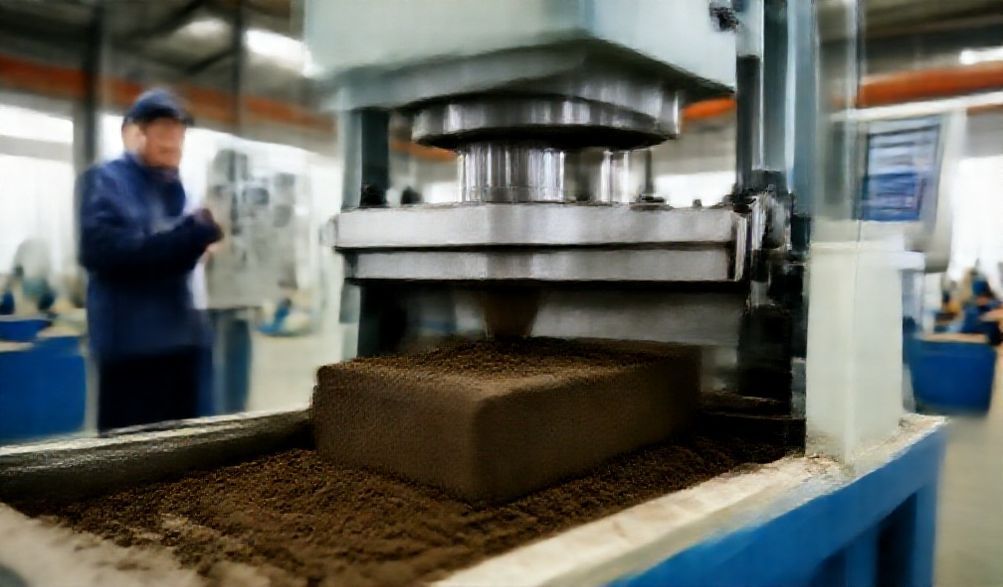
中国泥砖制砖机厂家选择终极指南
Giới thiệu
Bối cảnh xây dựng toàn cầu đang thay đổi. Với nhu cầu ngày càng tăng về vật liệu xây dựng bền vững, giá cả phải chăng và có nguồn gốc địa phương, gạch đất nén (CEB) - thường được gọi là gạch bùn hiện đại - đang trải qua một sự hồi sinh. Những viên gạch bền bỉ, hiệu quả nhiệt và thân thiện với môi trường này mang đến một lựa chọn thay thế hấp dẫn so với gạch đất nung hoặc gạch bê tông. Đối với các nhà thầu, chủ đầu tư và doanh nhân xã hội, đây là một cơ hội đáng kể. Tuy nhiên, nền tảng của bất kỳ dự án CEB thành công nào không chỉ nằm ở đất, mà còn ở máy móc biến đổi nó.
Thách thức then chốt nằm ở việc tìm nguồn một máy làm gạch bùn đáng tin cậy, hiệu quả và thực sự mang lại lợi tức đầu tư. Việc định hướng trên thị trường toàn cầu của các nhà cung cấp máy móc có thể rất nan giải, đầy rẫy thuật ngữ kỹ thuật, tiêu chuẩn chất lượng khác nhau và những phức tạp về hậu cần.
中国,世界公认的制造业强国。数十年来,这里一直是全球工业机械的中心,逐渐发展成为规模、技术创新和成本效益完美融合的枢纽。在中国采购泥砖压制机,不仅仅是寻找一台机器;更是进入一个致力于这门工艺的庞大工程专业生态系统。
Hướng dẫn này được xây dựng dựa trên phân tích ngành, hiểu biết kỹ thuật và kinh nghiệm thực tế trong lĩnh vực mua sắm. Mục tiêu của chúng tôi là làm sáng tỏ quy trình và trang bị cho bạn kiến thức để đưa ra quyết định sáng suốt, tự tin. Chúng ta sẽ cùng khám phá những lý do thuyết phục để tìm nguồn cung từ Trung Quốc, chi tiết hóa các tính năng bắt buộc của một máy móc chất lượng, cung cấp kế hoạch chi tiết để đánh giá nhà sản xuất, và hướng dẫn bạn từng bước trong hành trình mua sắm. Đến cuối cùng, bạn sẽ được trang bị để không chỉ tìm được nhà cung cấp, mà còn là một đối tác đáng tin cậy lâu dài cho dự án xây dựng của mình.
Tại sao nên tìm nguồn máy sản xuất gạch bùn từ Trung Quốc?
Lựa chọn nguồn cung cấp máy móc là quyết định quan trọng đầu tiên của bạn. Đối với máy sản xuất gạch bùn, Trung Quốc mang đến sự kết hợp các lợi thế khó có thể tìm thấy ở nơi khác.
Quy mô và Chuyên môn Sản xuất Vô địch
Câu chuyện công nghiệp của Trung Quốc là một câu chuyện về sự chuyên môn hóa và chiều sâu.
* Nền Tảng Hàng Thập Kỷ:Trọng tâm của quốc gia này vào máy móc hạng nặng và cơ sở hạ tầng sản xuất đã trải qua nhiều thế hệ, tạo ra một nguồn nhân lực chuyên sâu gồm các kỹ sư, thợ hàn và kỹ thuật viên.
* Hệ sinh thái công nghiệp:Các nhà sản xuất thường tập trung theo cụm ở những khu vực cụ thể (ví dụ: Sơn Đông, Hà Nam, Phúc Kiến), thúc đẩy cạnh tranh gay gắt, đổi mới nhanh chóng và các chuỗi cung ứng chuyên môn hóa cao cho các linh kiện như xi lanh thủy lực và hệ thống điều khiển. Hệ sinh thái này đồng nghĩa với việc nhà sản xuất máy của bạn có thể tiếp cận trực tiếp những linh kiện tốt nhất.
Định Giá Cạnh Tranh và Hiệu Quả Chi Phí
Thang đo này chuyển đổi trực tiếp thành giá trị cho bạn.
* Kinh tế quy mô:Khối lượng sản xuất khổng lồ cho phép các nhà sản xuất Trung Quốc mua nguyên liệu thô (như thép cao cấp) với chi phí thấp hơn và tối ưu hóa dây chuyền sản xuất để nâng cao hiệu quả.
* Giá Trị Trực TiếpBạn thường xuyên làm việc trực tiếp với nhà máy, loại bỏ nhiều khâu trung gian. Điều này mang lại mức giá cạnh tranh hơn cho một chiếc máy có thông số kỹ thuật tương đương hoặc vượt trội so với các khu vực khác, tối đa hóa ngân sách dự án của bạn.
Tiến bộ và Đổi mới Công nghệ
Đã qua rồi cái thời chỉ có những bản sao chép cơ bản. Ngành cơ khí Trung Quốc đang hướng tới tương lai.
* Áp dụng và Cải tiến:Các kỹ sư Trung Quốc không chỉ tiếp nhận công nghệ toàn cầu mà còn tích cực cải tiến chúng. Bạn sẽ thấy các hệ thống điều khiển PLC tiên tiến, bơm thủy lực tiết kiệm năng lượng và tự động hóa mạnh mẽ được tích hợp vào các máy móc hiện đại.
* Danh mục Đầu tư Đa dạng:Dù bạn cần một máy ép thủ công đơn giản cho dự án cộng đồng, một cỗ máy bán tự động cho doanh nghiệp nhỏ, hay một dây chuyền sản xuất tự động hoàn toàn với xử lý bằng robot, các nhà sản xuất Trung Quốc đều có thể đáp ứng đầy đủ. Sự đổi mới còn mở rộng đến các đơn vị di động có thể được kéo trực tiếp đến công trường xây dựng.
Các Tính Năng Chính Cần Tìm Kiếm ở Máy Làm Gạch Bùn
Ngoài quốc gia xuất xứ, bản thân máy móc phải đáp ứng nhu cầu cụ thể của bạn. Dưới đây là những thông số kỹ thuật và chất lượng chế tạo quan trọng cần xem xét kỹ lưỡng.
Thông số kỹ thuật cốt lõi của máy
Các thông số này xác định khả năng cơ bản của máy.
* Năng lực sản xuất:Đo bằng số gạch mỗi giờ (ví dụ: 300-500 viên/h cho máy bán tự động tiêu chuẩn). Hãy căn cứ vào nhu cầu dự án của bạn, đồng thời dự phòng cho khả năng mở rộng.
* Kích Thước & Mật Độ GạchĐảm bảo máy có thể sản xuất kích thước khối bạn yêu cầu (kích thước CEB phổ biến là 290x140x90mm hoặc 300x150x100mm). Mật độ, chịu ảnh hưởng của áp lực, quyết định độ bền cuối cùng.
* Nguồn điện:Các lựa chọn bao gồm loại điện (sạch, dùng cho các vị trí cố định), loại diesel (mạnh mẽ, cho khu vực xa xôi), hoặc các mẫu hybrid. Khả năng cung cấp điện tại địa phương và chi phí nhiên liệu là những yếu tố quyết định chính.
* Lực Áp Suất:Đây là trái tim của máy. Được đo bằng tấn (ví dụ: 20 tấn, 40 tấn), áp suất cao hơn tạo ra gạch đặc hơn, bền hơn, phù hợp cho tường chịu lực. Đừng thỏa hiệp ở đây.
Chất Lượng Xây Dựng và Các Thành Phần Độ Bền
Thông số trên giấy tờ chẳng có ý nghĩa gì nếu không có chất lượng thi công tốt.
* Khung và Khuôn ThépKhung chính cần được làm từ thép tấm dày, gia cố. Khuôn phải được gia công chính xác từ thép cacbon cao hoặc thép hợp kim để đảm bảo độ bền và kích thước gạch đồng đều.
* Hệ Thống Thủy Lực và ĐiệnBơm thủy lực, van và xi lanh là cơ bắp của máy. Các thương hiệu như Rexroth hoặc Yuken thể hiện chất lượng. Tủ điện nên sử dụng linh kiện uy tín (ví dụ: Siemens, Schneider) để đảm bảo độ tin cậy.
* Bảo vệ chống ăn mòn:Tìm kiếm các bề mặt được phun cát và sơn chất lượng cao. Đối với môi trường ven biển hoặc ẩm ướt, hãy hỏi về các phương pháp xử lý chống ăn mòn đặc biệt.
Hiệu Quả Hoạt Động và Tính Dễ Sử Dụng
A machine must be productive and manageable in the long run.
* Mức độ Tự động hóa: Semi-automatic machines (manual feeding, automatic compression/ejection) offer a great balance of output and cost. Full automation includes automated soil feeding and brick stacking.
* Maintenance Access: Design should allow easy access to the hydraulic system and wear parts for routine maintenance. Ask about the availability and cost of common spare parts (seals, wear plates).
* Safety Features: Emergency stop buttons, protective guards on moving parts, and pressure relief valves are non-negotiable for operator safety.
How to Identify a Reputable Chinese Manufacturer
With hundreds of suppliers online, separating the credible partners from the rest is crucial. This is where the principles of Kinh nghiệm, Chuyên môn, Tính thẩm quyền và Độ tin cậy (E-E-A-T) become your guiding framework.
Verifying Experience and Expertise (The “E” in E-E-A-T)
A manufacturer’s history is a strong predictor of future performance.
* Hồ sơ theo dõi: Seek companies with a minimum of 5-10 years of focused experience in brick making machinery. This suggests stability and accumulated know-how.
* Portfolio Analysis: Examine their project gallery and client list. A diverse geographic footprint (projects in Africa, Southeast Asia, South America) demonstrates adaptability to different soils and climates.
* Technical Dialogue: Gauge the expertise of their sales engineers. Can they knowledgeably discuss soil stabilization, optimal moisture content, or pressure settings? Their ability to answer technical questions is a vital sign.
Establishing Authoritativeness and Trustworthiness
Credentials and transparent practices build confidence.
* International Certifications: Look for valid ISO 9001 (Quality Management) certification. For export to many markets, Dấu CE (for machinery sold in Europe) indicates compliance with essential health and safety requirements.
* Genuine Proof: Request detailed case studies with contactable client references. Be wary of generic, stock-photo testimonials.
* After-Sales Policy: A trustworthy supplier will have a clear, written warranty (typically 12 months for parts), detailed manuals, and offer remote support via video call.
* The Crucial Step: Always request a live video demonstration of the exact machine model you’re considering, operating in their factory. This verifies the machine’s existence and function. For large orders, consider a third-party factory audit.
Red Flags to Avoid
- Too-Good-To-Be-True Pricing: An offer significantly lower than the market average usually signals inferior materials or hidden costs.
- Vague Communication: Inability to provide detailed technical drawings, a clear contract, or direct answers to specific questions.
- No Warranty or Sparse Terms: Ambiguity around what the warranty covers and for how long is a major risk.
- Reluctance to Share Information: Hesitance to provide client references, a real factory address, or a live video call should end the conversation.
The Procurement Process: From Inquiry to Delivery
A structured process minimizes risk and ensures clarity for both parties.
Initial Contact and Detailed Quotation
Your first communication sets the tone.
* Prepare a Comprehensive RFQ: Don’t just ask for a price. Provide:
* Desired brick size, shape, and target compressive strength.
* Estimated daily production requirement.
* Your local soil type (sending a sample later may be needed).
* Available power supply (voltage, phase).
* Preferred level of automation.
Negotiation, Contracts, and Payment Terms
Clarity here prevents disputes later.
* Payment Structure: A common and balanced term is 30% deposit, 70% balance before shipment via T/T (Bank Transfer). For larger orders, negotiate a milestone payment linked to production completion.
* The Contract is Key: The proforma invoice (PI) or sales contract must detail all agreed-upon specifications, warranty terms, delivery time, and Điều khoản thương mại quốc tế (Incoterms) (e.g., FOB Shanghai – you manage shipping from the port; CIF Durban – they include cost and freight to your port).
Production, Inspection, and Shipping
Stay engaged during this phase.
* Production Updates: Request weekly photo or video updates of the machine’s assembly. This keeps the project on track.
* Pre-Shipment Inspection: For significant investments, hire a third-party inspection company (like SGS, BV, or Intertek) to check the machine at the factory against the agreed specifications before it’s crated.
* Logistics: Your freight forwarder (or the supplier’s agent) will handle sea freight, documentation, and customs clearance at your destination port. Ensure you understand all duties and taxes applicable in your country.
Maximizing Your Investment: Installation and Beyond
Your relationship with the supplier shouldn’t end at delivery.
Installation, Commissioning, and Training
Proper setup is critical for optimal performance.
* Kỹ thuật viên tại chỗ: Budget for or negotiate having a factory technician travel to your site for installation, commissioning, and training. This is invaluable.
* Đào tạo Toàn diện: Ensure they train your operators not just on how to run the machine, but on routine maintenance, troubleshooting common issues, and safety protocols.
Spare Parts Strategy and Long-Term Maintenance
Proactivity ensures minimal downtime.
* Initial Spare Parts Kit: Purchase a recommended set of critical spare parts (seal kits, hydraulic hoses, wear plates) with your machine. Waiting for international shipping during a breakdown is costly.
* Maintenance Schedule: Follow the manufacturer’s prescribed schedule for checking hydraulic oil, tightening bolts, and cleaning sensors.
Building a Relationship with Your Supplier
Treat your reliable manufacturer as a partner. Open communication about your production results, challenges, and future plans can lead to better support, advice, and favorable terms for future equipment needs.
FAQ Section
Q1: What is the average price range for a mud brick machine from China?
A: Prices vary dramatically based on automation and capacity. A manual press may start around $3,000 – $7,000, a robust semi-automatic machine $15,000 – $30,000, and a fully automatic production line can range from $50,000 to over $150,000. Always obtain a detailed quote based on your specific requirements.
Q2: Can Chinese machines work with the specific soil composition in my country?
A: Absolutely. A reputable manufacturer will ask for your soil sample (approx. 10kg) to conduct lab tests. They can then advise on the optimal soil-sand-cement/lime mix and may adjust the machine’s pressure or mold design to ensure you produce high-quality bricks. This service is a key indicator of expertise.
Q3: How long does it typically take from order to delivery?
A: Generally, allow 30 to 45 days for production after the deposit is received. Sea freight shipping then takes 30 to 60 days, depending on your destination port. The entire process from order to your site typically takes 3 to 4 months.
Q4: What is the standard warranty for these machines?
A: A 12-month warranty on parts (excluding wear-and-tear items) is standard. Ensure the warranty document explicitly states what is covered, such as the hydraulic system, mainframe, and electrical components. Warranty on the hydraulic pump itself may have a separate, shorter term from its manufacturer.
Q5: Do manufacturers provide English manuals and remote support?
A: Yes, established exporters targeting international markets should provide clear English operation and maintenance manuals, electrical diagrams, and parts lists. Remote support via WhatsApp, Zoom, or TeamViewer is now a standard and essential service for troubleshooting.
Conclusion
Sourcing a mud bricks making machine from China is a strategic decision that leverages global manufacturing excellence for local, sustainable construction. The journey requires a focus on three pillars: understanding the essential machine features that guarantee quality bricks, conducting meticulous due diligence to find a manufacturer with proven Experience and Trustworthiness, and managing the procurement process with clear communication and verification.
The right Chinese manufacturer is more than a vendor; they become a technical partner in your venture’s success. Their support can be the difference between a machine that sits idle and one that becomes the productive heart of your project.
Start your journey with confidence. Begin by preparing your detailed project specification sheet. Then, initiate conversations with manufacturers who can immediately demonstrate the technical depth and transparent practices outlined in this guide. Ask the hard questions, request the live demonstrations, and trust the process. Your ideal partner is ready to help you build a more sustainable future, one brick at a time.
<