현대 벽돌 제조에 있어 산업 부산물의 전략적 통합
플라이 애시 활용을 위한 상업 및 기술 프레임워크
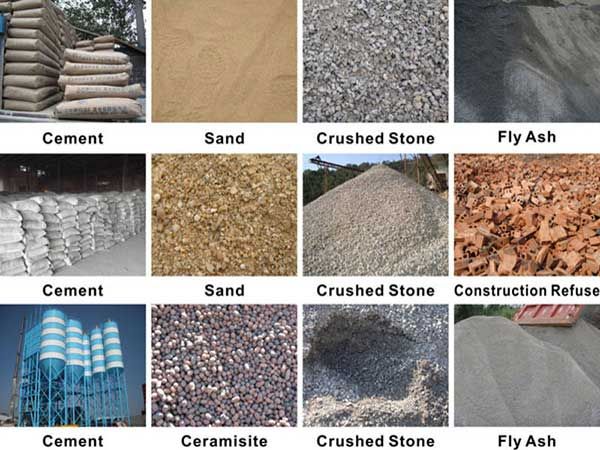
비산회는 석탄 화력 발전소의 배기가스에서 회수된 미세 분말로, 포졸란 재료입니다. 이는 규소 및 알루미늄 화합물을 포함하여 물과 칼슘 공급원(예: 석회 또는 시멘트)이 있을 때 시멘트성 화합물을 형성하는 반응을 일으킵니다. 벽돌 제조에 사용되는 것은 정밀한 재료 과학 응용으로, 기계 생산 공정에 정확히 통합되어야 합니다.
1. 플라이애시의 강력한 가치 제안
플라이애시를 활용하는 것은 제조업체, 유통업체, 최종 사용자 모두에게 공감을 불러일으키는 여러 동시적 이점에 의해 추진된 전략적 결정입니다.
1.1 경제적 이점 및 공급망 이점
- 비용 절감플라이애시는 일반적으로 저가 또는 음의 가격(생산자의 폐기 비용을 고려할 때)을 가진 재료입니다. 이는 콘크리트 벽돌의 포틀랜드 시멘트나 소성 벽돌의 점토 일부와 같이 더 비싼 전통 재료의 상당 부분을 대체할 수 있어 원자재 비용을 직접적으로 절감해 줍니다.
- 공급망 다각화:이는 대체 가능한 풍부한 원료 공급원을 제공하여 채굴된 점토나 시멘트에만 의존하는 것을 줄이고, 해당 원자재의 가격 변동성으로부터 생산을 보호합니다.
- 폐기물 활용 인센티브:많은 지역에서 정부 정책이나 친환경 건축 인증 프로그램(예: LEED)이 재활용 콘텐츠 사용에 대한 재정적 또는 시장 인센티브를 창출하여 공공 및 민간 프로젝트에서 우선 조달의 기회를 열어줍니다.
1.2. 향상된 제품 성능 및 품질
- 작업성 및 마감 처리 개선콘크리트 벽돌 혼합물에서 플라이애시의 구형 입자 모양은 윤활제 역할을 하여 혼합물의 가소성과 유동 특성을 향상시킵니다. 이는 성형을 더 쉽게 하고, 표면 마감을 더 매끄럽게 하며, 동일한 작업성을 위해 필요한 물의 양을 줄여줍니다.
- 향상된 장기 강도와 내구성火山灰反应是一种较慢的二次反应,会随时间持续进行。这导致形成更致密、渗透性更低的微观结构,从而获得更高的最终抗压强度、更强的抗硫酸盐侵蚀能力,并降低泛白可能性。对于烧结粘土砖,粉煤灰可充当助熔剂,在一些配方中可能降低玻化温度并提高烧结强度。
- Reduced Shrinkage and Cracking: The reduced water demand and the fine particles of fly ash help minimize plastic and drying shrinkage in concrete bricks, leading to fewer micro-cracks and improved dimensional stability.
1.3. Environmental and Market Positioning Benefits
- 낮은 탄소 발자국: Using fly ash directly reduces the volume of cement required, which is a major source of CO2 emissions. It also diverts industrial waste from landfills. This significantly improves the Environmental Product Declaration (EPD) of the bricks.
- Market Differentiation: Bricks manufactured with high recycled content appeal to architects, engineers, and developers focused on sustainable construction. This allows distributors to access a growing, specification-driven market segment and command a potential premium.
2. Technical Integration into Machine-Based Production
Successfully using fly ash requires adjustments across the production workflow, from material handling to curing.
2.1. Material Selection and Pre-Processing
- Fly Ash Classification: Not all fly ash is equal. It is critical to source consistent, quality-controlled material, typically Class F or Class C (ASTM C618). The chemical composition, loss on ignition (LOI), and fineness must be tested and monitored batch-to-batch.
- Storage and Handling: Fly ash is a very fine, dusty material that requires enclosed, silo-based storage with pneumatic or screw-conveyor systems for dust-free transfer to the batching plant. Proper storage prevents moisture absorption, which can cause clumping.
2.2. Mix Design and Batching Optimization
- Concrete (Non-Fired) Bricks: This is the most common and straightforward application. Fly ash is used as a partial replacement for Portland cement, typically ranging from 15% to 30% by weight of the total cementitious content. The exact ratio is determined through rigorous mix design testing to achieve target strengths and setting times. The batching system must be precisely calibrated to meter the fly ash accurately alongside cement, aggregates, and water.
- Fired (Clay) Bricks: Here, fly ash is used as a partial replacement for clay in the body mix, often between 5% and 20%. It can alter the firing characteristics, so extensive testing is required to determine the optimal percentage, drying schedule, and firing curve. It may necessitate adjustments to the extruder’s parameters due to changes in the mix’s plasticity.
2.3. Process Adjustments for Machine Operation
- 믹싱 Extended mixing times may be necessary to ensure the ultra-fine fly ash is uniformly distributed throughout the batch, creating a homogeneous color and consistent strength. High-shear mixers are highly effective.
- 형성하기 For concrete brick presses, the improved workability from fly ash can lead to better compaction at similar pressure settings. However, mix designs must be optimized to ensure the “green strength” (strength immediately after molding) is sufficient for handling and palletizing. Retardation of early strength due to fly ash may require adjustments to accelerator admixtures.
- 치유: This is the most critical phase for fly ash concrete bricks. The pozzolanic reaction requires moisture and time. Standard ambient curing is insufficient. Controlled, moist curing is mandatory—steam curing chambers or fog rooms are essential to maintain high humidity and temperature, activating the fly ash and ensuring the bricks develop their full design strength within a commercially viable timeframe (e.g., 18-24 hours for demolding).
3. Quality Assurance and Market Communication
The integration of fly ash elevates the importance of a robust quality control (QC) regime.
- Enhanced Testing Protocol: Beyond standard compressive strength and absorption tests, QC must monitor the consistency of the fly ash source and the long-term strength development of the bricks (e.g., 7-day, 28-day, and 56-day strengths).
- Certification and Transparency: Seek independent certifications verifying the recycled content percentage. Provide clear technical data sheets to distributors and specifiers that highlight the performance and sustainability benefits, backed by test data.
Conclusion: Fly Ash as a Catalyst for Innovation and Value Creation
For the forward-thinking professional in the brick supply chain, the question of using fly ash is not a technical curiosity but a strategic business consideration. Successfully integrating it into a machine production line transforms an industrial by-product into a powerful tool for value creation.
The journey requires partnership with a manufacturer who demonstrates:
- Technical Mastery: A deep understanding of material science, evidenced by a dedicated R&D process for mix design and a history of successful fly ash utilization.
- Process Rigor: Investment in the necessary material handling, mixing, and—most critically—controlled curing infrastructure.
- Quality Commitment: A transparent, data-driven QC program that guarantees batch-to-batch consistency and performance.
For distributors, aligning with such a manufacturer provides access to a superior product category: bricks that are not only cost-competitive and high-performing but also carry the powerful market message of sustainability and innovation. This enables you to meet the stringent requirements of green building projects, respond to regulatory trends favoring circular economies, and build a brand synonymous with progressive, high-value construction solutions. In an increasingly eco-conscious market, the ability to supply and specify fly ash-incorporated bricks is a definitive competitive advantage.
FAQ
Q1: Does using fly ash make bricks weaker?
A: On the contrary, when used correctly, fly ash increases the long-term strength and durability of concrete bricks. While early strength (1-3 days) may develop slightly slower due to the slower pozzolanic reaction, the ultimate compressive strength at 28 and 56 days typically exceeds that of a pure cement mix. The key is proper curing to activate the fly ash.
Q2: Are bricks made with fly ash safe? Are there leaching concerns?
A: High-quality, properly processed fly ash used in a correctly formulated brick mix is entirely safe. During the brick manufacturing process (especially in firing or the pozzolanic reaction), heavy metals are effectively encapsulated within the cementitious or vitrified matrix, preventing leaching. Reputable manufacturers conduct Toxicity Characteristic Leaching Procedure (TCLP) tests to verify environmental safety and compliance with relevant standards.
Q3: What is the main operational challenge for a manufacturer starting to use fly ash?
A: The single largest challenge is establishing a reliable, high-quality supply of consistent fly ash and implementing the necessary controlled curing infrastructure. Moving from ambient to steam or mist curing represents a significant capital and process adjustment but is non-negotiable for achieving performance benefits.
Q4: Can fly ash be used in all types of brick-making machines?
A: It is most seamlessly integrated into concrete brick press machines due to the well-understood chemistry of cementitious systems. Integration into clay brick extrusion lines is possible but more complex, as it alters the plasticity and drying/firing behavior of the clay body, requiring more extensive process re-engineering and testing.
Q5: How should I, as a distributor, market bricks containing fly ash?
A: Market them based on verified performance and benefits, not just as a “green” product. Your message should be: “These bricks offer superior long-term durability and lower permeability, 그리고 they contain significant recycled content, reducing the environmental impact of your project.” Provide the technical data (strength, absorption) alongside the sustainability metrics (recycled content percentage, potential carbon savings). This appeals to both the pragmatic engineer and the sustainability-focused specifier.