

블록 제조 장비 임대 분석
租赁砌块机是一项财务与运营策略,与直接购买截然不同。其可行性取决于具体的业务情况和市场条件。
1. 렌털의 이점: 전략적 유연성
임대는 유연성의 필요성과 초기 자본 지출 감소에 의해 추진됩니다.
1.1. 시장 테스트 및 프로젝트별 배포
임대는 새로운 시장을 테스트하기 위한 이상적인 저위험 플랫폼을 제공합니다. 기업가는 상당한 자본을 투입하지 않고도 수요를 검증하고, 고객 관계를 구축하며, 운영의 세부 사항을 이해할 수 있습니다. 이는 또한 일정 기간이 정해진 특정 대규모 프로젝트를 수행하는 계약자나 개발자에게 전략적입니다. 임대한 장비를 현장에 배치하면 자재 운송 비용을 줄이고 공급을 보장할 수 있으며, 임대 기간은 프로젝트 기간에 정확히 맞출 수 있습니다.
1.2. 자본 지출 및 현금 흐름 관리
고용량 자동 블록 기계를 도입하는 것은 큰 자본 투자를 의미합니다. 임대는 이러한 초기 비용을 예측 가능한 운영 비용으로 전환하여 원자재 재고, 마케팅 또는 인력 개발과 같은 다른 중요한 분야에 유동성을 유지할 수 있게 합니다. 이 모델은 신규 사업체나 신용 접근이 불확실한 지역의 기업에 특히 매력적입니다.
1.3. Overcoming Temporary Capacity Constraints
For an existing block manufacturer facing a sudden surge in demand, a seasonal peak, or a temporary breakdown of primary equipment, renting an additional machine offers an immediate solution. It bridges the gap without the long lead time and financial commitment of a new purchase.
2. Key Considerations and Potential Limitations
While advantageous in certain scenarios, the rental model comes with inherent constraints that must be carefully evaluated.
2.1. Contractual Terms and Total Cost of Rental
A rental agreement is a binding contract with critical clauses. The Total Cost of Rental (TCR) extends beyond the monthly fee. It includes:
- Delivery, Installation, and Decommissioning Charges: Transporting heavy industrial machinery is costly and may be billed separately.
- Maintenance and Repair Responsibilities: Clarify whether routine maintenance, wear-and-tear parts (like mold liners), and unexpected repairs are the renter’s or lessor’s responsibility. Ambiguity here is a major source of dispute.
- Insurance and Liability: The renter typically must insure the equipment against damage and theft, adding to the operational cost.
2.2. Operational Control and Customization Limits
A rental fleet machine is a standardized asset. The lessee has little to no ability to customize it for specific production needs, such as integrating specialized automation or tailoring it for unique raw materials. The machine’s age, model, and condition are predetermined, which may impact efficiency and output quality compared to a new, purpose-bought model.
2.3. Long-Term Cost Comparison and Business Equity
For sustained, long-term production, renting is almost always more expensive than purchasing over a 3–5 year period. While renting avoids depreciation, it also builds no equity in the equipment. The payments are an expense that ceases to provide value once the contract ends, unlike ownership where the asset retains residual value. This makes a detailed lease-vs-buy financial analysis essential.
3. The Role of the Distributor in Facilitating Rentals
For equipment distributors, the rental question opens a dialogue about long-term client relationships.
3.1. Offering Rental as a Pathway to Purchase
A well-structured rental program can serve as an effective “try before you buy” strategy. It allows a client to generate revenue with the machine, build confidence in its performance and the local market, and potentially transition to a purchase, with a portion of the rental payments often applied toward the purchase price.
3.2. Providing Total Support Packages
A competitive rental offering is not just about the machine. It should be bundled with critical support: initial operator training, a clear maintenance schedule, and guaranteed technical support response times. This transforms the transaction from a simple equipment lease into a managed production partnership, reducing risk for the renter and building loyalty to the distributor.
Conclusion: A Tactical Tool, Not a Universal Solution
In conclusion, the answer to whether one can rent a block making machine is a definitive yes, but with the critical caveat that it is a strategic tool best deployed under specific conditions. For the B2B advisor, the objective is to guide clients through a structured decision-making process. Renting is a powerful, low-barrier solution for market validation, project-specific work, and managing temporary capacity shortfalls. However, for businesses with proven, sustained demand and a long-term vision, the economics and control offered by direct ownership typically prove superior. The most valuable role a distributor can play is to present both options transparently, helping the client analyze their financial position, market certainty, and growth trajectory. By doing so, you position your firm not merely as a vendor, but as a strategic partner invested in the client’s foundational business success.
자주 묻는 질문 (FAQ)
Q1: What types of block machines are commonly available for rent?
A1: Rental fleets typically focus on 모바일 블록 머신그리고semi-automatic stationary models. These are relatively easier to transport, install, and operate without highly specialized infrastructure. Fully integrated, high-output automatic production lines are less commonly rented due to their complexity, high value, and installation requirements.
Q2: Who is responsible for repairs if the rented machine breaks down?
A2: This is the single most important clause to clarify in any rental contract. Responsibility should be explicitly defined. A comprehensive “full-service” lease may include all repairs and maintenance by the lessor. More common are agreements where the renter is responsible for routine maintenance and minor wear parts, while the lessor covers major mechanical or hydraulic failures. Never assume; always get it in writing.
Q3: Can I sub-lease a rented block machine to another party?
A3: Almost universally, no. Standard rental agreements strictly prohibit sub-leasing or reassigning the equipment without the lessor’s express written consent. The equipment is rented to a specific entity based on their credit and operational profile.
Q4: How does insurance work for a rented industrial machine?
A4: The lessor will require proof of insurance from the renter. The renter must secure a policy that names the lessor as an additional insured and covers risks like physical damage, theft, and potential liability for injuries related to the equipment’s operation. This cost must be factored into the total rental expense.
Q5: As a distributor, should I develop my own rental fleet?
A5: This is a significant business decision. Maintaining a rental fleet requires substantial capital, dedicated logistics for delivery/retrieval, a maintenance workshop, and skilled personnel. It can, however, be a powerful customer acquisition tool and a recurring revenue stream. A prudent first step is to partner with a specialized equipment leasing company to offer the service without direct asset ownership, testing market demand for such a model in your region.
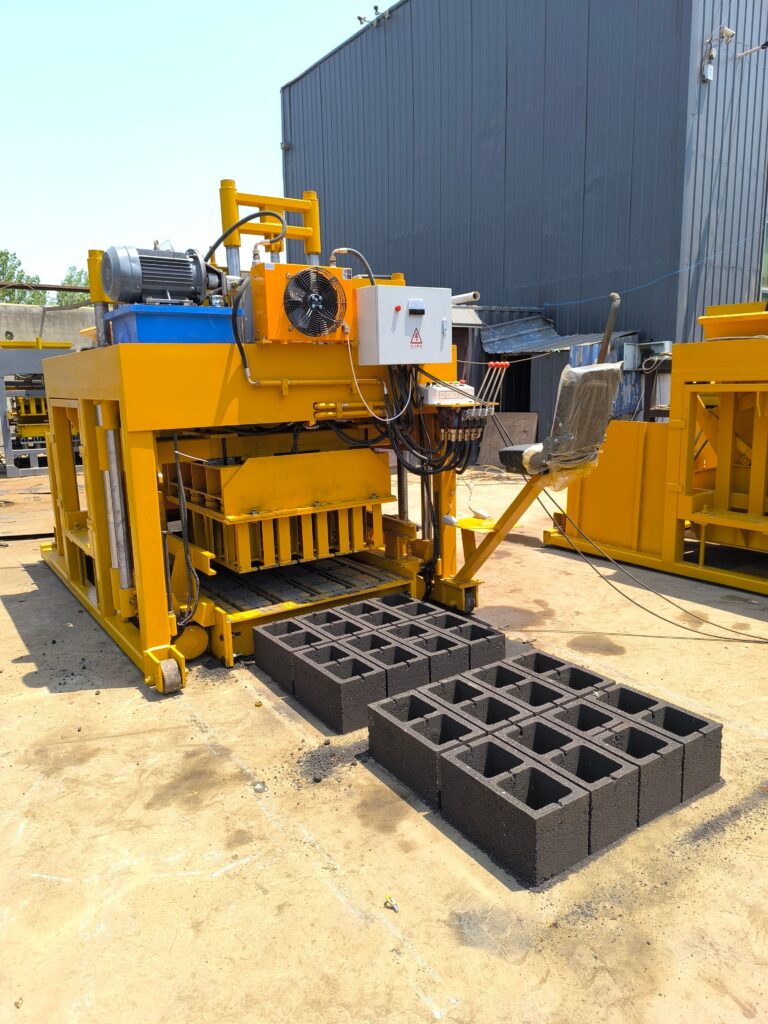
- 자동 블록 제작 기계7 products
- 점토 블록 제조 기계4 products
- 이동식 블록 제작 기계4 products
- 다른 건설 장비5 products
- 반자동 블록 제작 기계4 products