

Análise do Aluguel de Equipamentos para Fabricação de Blocos
A decisão de alugar uma máquina de fabricação de blocos é uma estratégia financeira e operacional que difere significativamente da compra definitiva. Sua viabilidade depende de circunstâncias comerciais específicas e condições de mercado.
1. A Lógica do Aluguel: Flexibilidade Estratégica
O aluguel é impulsionado pela necessidade de agilidade e pela redução do investimento de capital inicial.
1.1. Testes de Mercado e Implantação Específica do Projeto
Alugar oferece uma plataforma ideal de baixo risco para testar um novo mercado. Um empreendedor pode validar a demanda, estabelecer relacionamentos com clientes e entender as nuances operacionais sem comprometer um capital substancial. É igualmente estratégico para contratantes ou desenvolvedores que realizam um projeto específico e de grande escala com um cronograma definido. Implantar uma máquina alugada no local pode reduzir drasticamente os custos de transporte de materiais e garantir o fornecimento, com o período de locação alinhado precisamente à duração do projeto.
1.2. Gerenciamento de Despesas de Capital e Fluxo de Caixa
A aquisição de uma máquina de blocos automática de alta capacidade representa um grande investimento de capital. A locação converte esse custo inicial elevado em uma despesa operacional previsível, preservando liquidez para outras áreas críticas, como estoque de matéria-prima, marketing ou desenvolvimento de mão de obra. Esse modelo é particularmente atraente para novos negócios ou para aqueles em regiões com acesso incerto a crédito.
1.3. Superando Restrições Temporárias de Capacidade
Para um fabricante de blocos existente que enfrenta um aumento repentino na demanda, um pico sazonal ou uma quebra temporária do equipamento principal, alugar uma máquina adicional oferece uma solução imediata. Isso preenche a lacuna sem o longo prazo de entrega e o compromisso financeiro de uma nova compra.
2. Considerações Principais e Potenciais Limitações
Embora vantajoso em certos cenários, o modelo de aluguel vem com limitações inerentes que devem ser cuidadosamente avaliadas.
2.1. Termos Contratuais e Custo Total do Aluguel
Um contrato de aluguel é um acordo vinculativo com cláusulas críticas. OCusto Total do Aluguel (CTA) extends beyond the monthly fee. It includes:
- Delivery, Installation, and Decommissioning Charges: Transporting heavy industrial machinery is costly and may be billed separately.
- Maintenance and Repair Responsibilities: Clarify whether routine maintenance, wear-and-tear parts (like mold liners), and unexpected repairs are the renter’s or lessor’s responsibility. Ambiguity here is a major source of dispute.
- Insurance and Liability: The renter typically must insure the equipment against damage and theft, adding to the operational cost.
2.2. Operational Control and Customization Limits
A rental fleet machine is a standardized asset. The lessee has little to no ability to customize it for specific production needs, such as integrating specialized automation or tailoring it for unique raw materials. The machine’s age, model, and condition are predetermined, which may impact efficiency and output quality compared to a new, purpose-bought model.
2.3. Long-Term Cost Comparison and Business Equity
For sustained, long-term production, renting is almost always more expensive than purchasing over a 3–5 year period. While renting avoids depreciation, it also builds no equity in the equipment. The payments are an expense that ceases to provide value once the contract ends, unlike ownership where the asset retains residual value. This makes a detailed lease-vs-buy financial analysis essential.
3. The Role of the Distributor in Facilitating Rentals
For equipment distributors, the rental question opens a dialogue about long-term client relationships.
3.1. Offering Rental as a Pathway to Purchase
A well-structured rental program can serve as an effective “try before you buy” strategy. It allows a client to generate revenue with the machine, build confidence in its performance and the local market, and potentially transition to a purchase, with a portion of the rental payments often applied toward the purchase price.
3.2. Providing Total Support Packages
A competitive rental offering is not just about the machine. It should be bundled with critical support: initial operator training, a clear maintenance schedule, and guaranteed technical support response times. This transforms the transaction from a simple equipment lease into a managed production partnership, reducing risk for the renter and building loyalty to the distributor.
Conclusion: A Tactical Tool, Not a Universal Solution
In conclusion, the answer to whether one can rent a block making machine is a definitive yes, but with the critical caveat that it is a strategic tool best deployed under specific conditions. For the B2B advisor, the objective is to guide clients through a structured decision-making process. Renting is a powerful, low-barrier solution for market validation, project-specific work, and managing temporary capacity shortfalls. However, for businesses with proven, sustained demand and a long-term vision, the economics and control offered by direct ownership typically prove superior. The most valuable role a distributor can play is to present both options transparently, helping the client analyze their financial position, market certainty, and growth trajectory. By doing so, you position your firm not merely as a vendor, but as a strategic partner invested in the client’s foundational business success.
Perguntas Frequentes (FAQ)
Q1: What types of block machines are commonly available for rent?
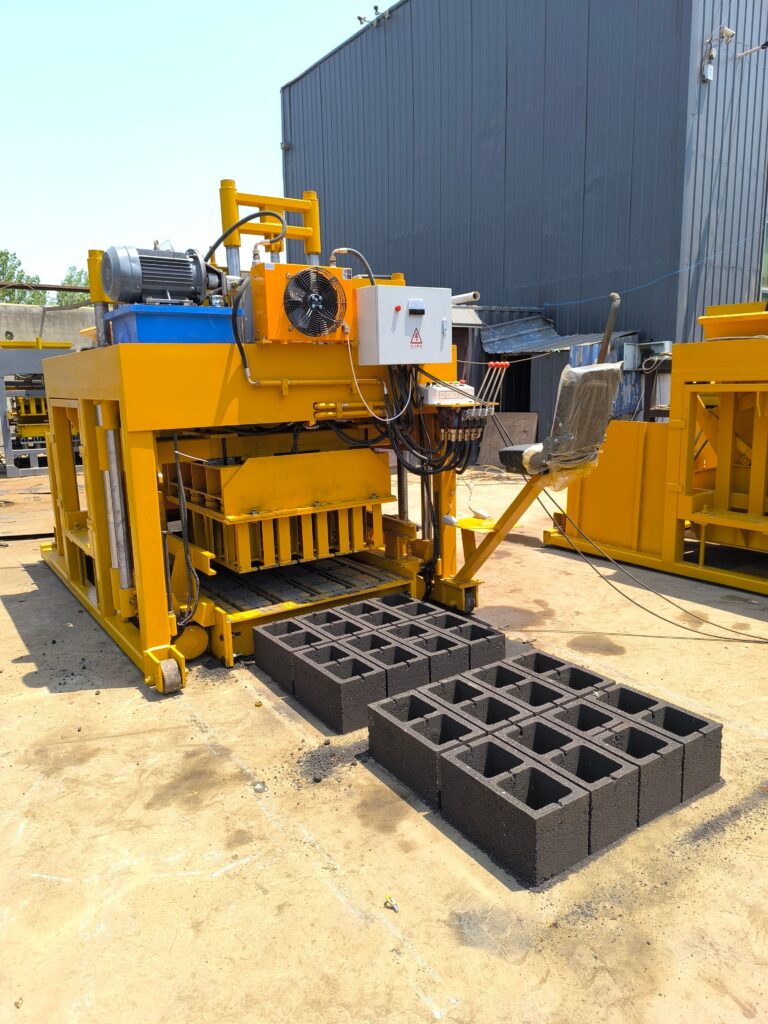
A1: Rental fleets typically focus on máquinas de blocos móveisesemi-automatic stationary models. These are relatively easier to transport, install, and operate without highly specialized infrastructure. Fully integrated, high-output automatic production lines are less commonly rented due to their complexity, high value, and installation requirements.
Q2: Who is responsible for repairs if the rented machine breaks down?
A2: This is the single most important clause to clarify in any rental contract. Responsibility should be explicitly defined. A comprehensive “full-service” lease may include all repairs and maintenance by the lessor. More common are agreements where the renter is responsible for routine maintenance and minor wear parts, while the lessor covers major mechanical or hydraulic failures. Never assume; always get it in writing.
Q3: Can I sub-lease a rented block machine to another party?
A3: Almost universally, no. Standard rental agreements strictly prohibit sub-leasing or reassigning the equipment without the lessor’s express written consent. The equipment is rented to a specific entity based on their credit and operational profile.
Q4: How does insurance work for a rented industrial machine?
A4: The lessor will require proof of insurance from the renter. The renter must secure a policy that names the lessor as an additional insured and covers risks like physical damage, theft, and potential liability for injuries related to the equipment’s operation. This cost must be factored into the total rental expense.
Q5: As a distributor, should I develop my own rental fleet?
A5: This is a significant business decision. Maintaining a rental fleet requires substantial capital, dedicated logistics for delivery/retrieval, a maintenance workshop, and skilled personnel. It can, however, be a powerful customer acquisition tool and a recurring revenue stream. A prudent first step is to partner with a specialized equipment leasing company to offer the service without direct asset ownership, testing market demand for such a model in your region.
- máquina automática de fabricação de blocos7 products
- máquina de fabricação de blocos de argila4 products
- máquina de fabricação de blocos móveis4 products
- outros equipamentos de construção5 products
- máquina semi-automática para fabricação de blocos4 products