
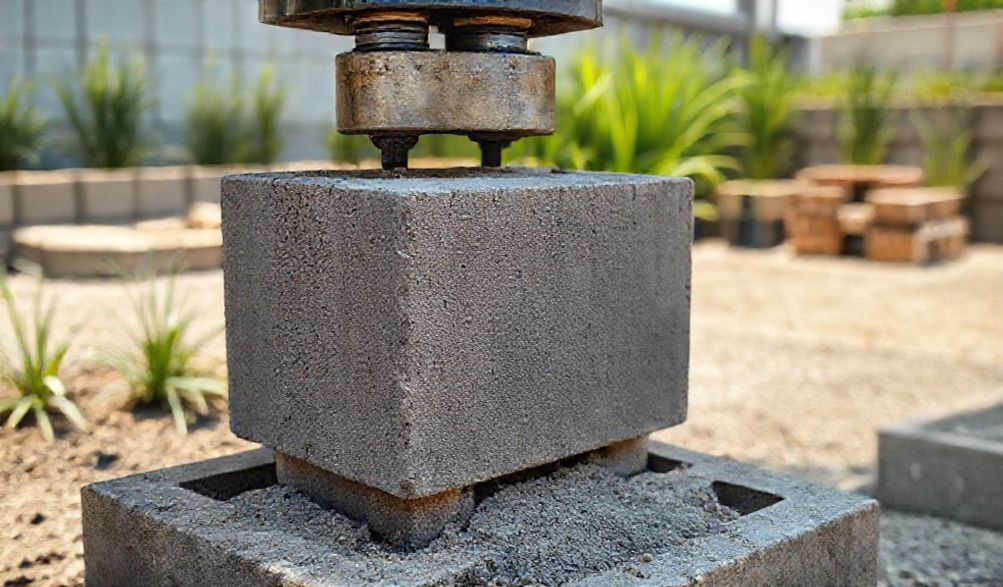
생태 벽돌 기계의 궁극적 가이드: 지속 가능한 미래 건설하기
글로벌 건설 산업은 기로에 서 있습니다. 예를 들어, 전통적인 소성 점토 벽돌 생산은 약연간 26억 톤의 이산화탄소 배출량전 세계 온실가스의 주요 원인 중 하나입니다. 또한, 건설 및 철거 폐기물은 거의많은 지역에서 발생하는 폐기물의 30%대부분이 매립지로 향하는 이 선형적인 '채취-제조-폐기' 모델은 환경적으로 재앙적이며 경제적으로도 비효율적입니다.
수세기 동안, 소박한 벽돌은 문명의 기본 구성 요소였지만, 수일 동안 고온의 가마를 태우는 전통적인 제조 공정은 이제 지속 불가능한 과거의 유물이 되었습니다. 문제점은 명확합니다: 막대한 에너지 소비, 심각한 대기 오염, 표토 고갈, 그리고 치솟는 비용입니다.
입력하세요생태 벽돌 기계건축 자재에 대한 우리의 사고방식을 재정의하는 혁신적인 기술입니다. 이 가이드는 공학 원리, 산업 연구, 그리고 현장 사례 연구를 종합하여 이 지속 가능한 솔루션에 대한 포괄적인 이해를 제공할 것입니다. 건설업자, 건축가, 기업가, 또는 단순히 환경을 생각하는 개인이든, 여러분은 이 기계들이 어떻게 작동하는지, 그들의 심오한 이점, 사용 가능한 다양한 유형들, 그리고 선택 시 고려해야 할 핵심 요소들을 배우게 될 것입니다. 마지막에는 여러분의 프로젝트와 지구 모두에 이익이 되는 정보에 기반한 결정을 내릴 수 있게 될 것입니다.
생태 벽돌 기계란 무엇인가? 건설 자재의 재정의
생태 벽돌 기계는 압축 토양 블록(CEB) 기계 또는 플라이 애시 벽돌 기계라고도 불리며, 기계적 압축과 양생 과정을 통해 건축 블록을 제조하는 장치입니다.고온 소성의 필요성을 완전히 제거합니다이 기술은 지역에서 구할 수 있는, 종종 폐기물 기반의 재료를 고밀도이고 내구성 있는 벽돌로 변환합니다.
핵심 정의와 원리
생태 벽돌 기계의 핵심은 간단하지만 강력한 원리로 작동합니다:고압 성형기존의 벽돌 제조가 점토 입자를 소결하기 위해 열(약 1000°C)을 사용하는 반면, 이 기계들은 원료의 습윤 혼합물을 압축하기 위해 유압 또는 기계적 힘을 사용합니다.
- 과정:기계는 거대한 압력(일반적으로 10톤에서 30톤 이상)으로 금형 내 재료를 압축하여 입자들을 기계적으로 결합시킵니다.
- 결과:이 과정은 즉각적인 "초기 강도"를 가진 벽돌을 만들어내며, 이후 보통 물을 사용하여 수 주 동안 양생하여 화학적 과정(시멘트 수화나 포졸란 반응과 같은)을 통해 완전한 구조적 잠재력을 발휘하도록 합니다.
주요 원자재: 폐기물을 부로 전환하기
이 기술의 진정한 천재성은 그 원료에 있습니다. 산업 및 도시 폐기물을 가치 있는 자원으로 전환시키죠.
- 플라이 애시화력발전소에서 발생하는 미세 분말 폐기물로, 포졸란 재질이기 때문에 석회 및 물과 반응하여 시멘트성 화합물을 형성합니다. 플라이애시를 사용하면 주요 폐기물 처리 문제를 해결할 수 있습니다.
- 파쇄된 건설 및 철거 폐기물:콘크리트, 모르타르, 세라믹 폐기물을 골재로 분쇄함으로써 건설 자재의 생애주기를 순환시킬 수 있습니다.
- 채석장 먼지:석재 분쇄 과정의 부산물로, 주로 세립 골재로 사용됩니다.
- 토양 (안정 처리됨)현지에서 조달한 토양에 소량(3~10%)의 시멘트나 석회를 혼합하여 안정화시켜 강도와 내수성을 확보한 것입니다.
- 슬래그:제철소의 부산물.
만트라는"지역 건축을 위한 지역 재료" drastically reducing transportation emissions and costs while cleaning up the local environment.
The Environmental Mechanism: How It Saves the Planet
The ecological benefits are direct and measurable:
- Zero Burning, Zero Emissions: By eliminating the kiln, it removes the associated release of CO2, sulfur dioxide (SO2), and particulate matter.
- Dramatic Water Savings: Traditional clay brick production is water-intensive for mining and molding. Ecological brick production uses minimal water, primarily for curing.
- Topsoil Preservation: It does not require fertile topsoil, preserving agricultural land and preventing topsoil erosion.
Advantages of Using Ecological Bricks and Machines
Adopting this technology isn’t just an environmental statement; it’s a practical, economic, and social win.
Tangible Environmental Benefits
- 탄소 발자국 감소: Lifecycle assessments show a reduction of up to 90% in embodied carbon compared to fired bricks.
- 폐기물 전환: A single medium-scale unit can divert hundreds of tons of fly ash or C&D waste from landfills annually.
- 그린 빌딩 크레딧: The use of these bricks contributes significantly to certification systems like LEED(에너지 및 환경 설계 선도)또는GRIHA (Green Rating for Integrated Habitat Assessment), earning points for regional materials, recycled content, and innovation.
Economic & Practical Advantages for Builders
- Lower Unit Cost: Raw materials are often low-cost or even free (waste by-products), leading to a cheaper brick. Production costs can be 20-30% lower than fired bricks.
- Superior Construction Efficiency: Machine-produced bricks have consistent size and shape, leading to less mortar use, faster laying times, and reduced skilled labor requirements.
- Proven Strength and Durability: When properly made, compressed ecological bricks can achieve compressive strengths exceeding 10 MPa, suitable for load-bearing walls (referencing standards like IS 1077:1992또는ASTM C67).
- Enhanced Comfort: The density and composition provide excellent thermal mass, regulating indoor temperatures, and offer better 음향 차단 than conventional bricks.
Societal Impact
- 저렴한 주택: The low production cost directly enables more affordable, sustainable housing projects.
- Green Job Creation: It fosters new micro-enterprises and jobs in material collection, brick production, and masonry.
- Circular Economy Model: It embodies a circular economy, transforming waste streams into valuable assets for community development.
Types of Ecological Brick Machines: Choosing the Right Technology
Selecting the right machine depends entirely on your scale, budget, and business model.
Manual / Hand-Operated Press Machines
- 이상적인 대상: Community-led building projects, NGOs, homesteaders, and entrepreneurs testing the market with minimal capital.
- 출력:대략300-500 bricks per 8-hour day.
- 장점: Very low cost, completely portable, requires no electricity—perfect for remote areas.
- 단점: Highly labor-intensive and physically demanding. Output is limited by operator stamina.
Semi-Automatic Hydraulic Press Machines
- 이상적인 대상: Small to medium enterprises (SMEs), start-up brick manufacturing businesses, and medium-sized construction projects.
- 출력:범위는1,000 to 4,000 bricks per day, depending on model and crew size.
- 장점: Excellent balance of affordability and productivity. Electric or diesel-powered hydraulic systems ensure consistent, high-pressure compaction with a small team (2-4 people). Offers a strong return on investment for serious ventures.
완전 자동화 생산 라인
- 이상적인 대상: Large-scale commercial production plants supplying entire regions or major construction companies.
- 출력: 10,000 to 50,000+ bricks per day.
- 장점: Maximum output with minimal manual labor. These are integrated systems with automated material feeding, mixing, pressing, and stacking/palletizing.
- 단점: Requires a very high initial capital investment, significant space, and a reliable, high-capacity power supply.
Critical Factors When Selecting an Ecological Brick Machine
Buying a machine is a significant decision. Look beyond the brochure.
Assessing Your Production Needs & Scale
- Are you building a single house or starting a supply business?
- 당신의 것을 계산하세요required daily output (Bricks Per Day) based on project timelines or market demand. Always factor in a buffer for growth.
Raw Material Analysis is Key
This is the most critical step. Test your local materials first.
* A reputable supplier should offer to test your soil or waste material sample.
* The machine must be compatible with the material’s clay content, silt, and grain size distribution. A high clay content, for instance, may require a different mix design or machine pressure.
기계 사양 심층 분석
- 압력 (톤수): Higher pressure (e.g., 20 tons vs. 10 tons) generally produces denser, stronger bricks. Match this to your target strength and material type.
- 사이클 타임: How many seconds per brick? This directly determines your maximum daily output.
- 전력 요구 사항 Choose between electric (cleaner, lower OpEx) or diesel (for areas with unreliable grid power).
- Durability & After-Sales Service: The frame, hydraulics, and mold should be robust. A supplier’s willingness to provide training, spare parts, and technical support is non-negotiable.
Cost Analysis: Beyond the Sticker Price
- Consider 총 소유 비용 Initial machine cost + cost of auxiliary equipment (mixer, sieve) + operating costs (labor, power, maintenance).
- Calculate ROI: Based on your local brick selling price and production cost, project how long it will take to recoup your investment. A semi-automatic machine for an SME often has an ROI of 12-24 months.
The Production Process: From Raw Material to Finished Brick
Understanding the process ensures quality control.
Step 1: Sourcing and Preparation of Raw Materials
Materials are sieved to remove debris and oversized particles. Hard aggregates may need crushing. The goal is a consistent, homogenous feedstock.
Step 2: Precise Mixing and Moisture Control
This is where quality is made. The raw materials (e.g., soil, fly ash, cement) are mixed in a mechanical pan mixer. Optimal Moisture Content (OMC)—usually around 8-12%—is critical. Too dry, and the brick won’t compact properly; too wet, and it will deform after ejection.
Step 3: Compression in the Machine
The mix is fed into the machine’s chamber and compacted under high pressure for a few seconds. The brick is then ejected onto a pallet.
Step 4: Curing and Quality Assurance
- 치유: Bricks are stacked and kept moist (often by sprinkling water and covering with plastic sheeting) for 14 to 28 days. This allows the cement or lime to fully hydrate, achieving the designed strength.
- Quality Tests: Simple on-site tests include the “drop test” (a cured brick should not break when dropped from waist height) and checking for uniform color and lack of cracks.
FAQ: Your Questions About Ecological Brick Machines Answered
Q1: Are ecological bricks as strong as traditional fired clay bricks?
A: Yes, and often stronger. When produced to standard with proper material ratios and compaction, they easily meet and exceed common building code requirements for compressive strength (e.g., IS 1077 specifies a minimum of 3.5 MPa for common burnt clay bricks, while quality compressed blocks often achieve 7-10 MPa).
Q2: What is the typical cost of setting up an ecological brick production unit?
A: Costs vary dramatically. A basic manual press can start around $1,500 – $3,000. A semi-automatic hydraulic plant, including mixer and basic setup, may range from $15,000 to $50,000. A fully automatic line can start from $100,000 and go into the millions. Location, scale, and automation are the key drivers.
Q3: Can I start this business without an engineering background?
A: Absolutely. Many successful operators come from varied backgrounds. Reputable suppliers provide comprehensive operational and mix-design training. A willingness to learn, attention to detail, and hands-on practice are more important than a formal degree.
Q4: How do I find a reliable machine supplier?
A: Conduct thorough due diligence. Look for manufacturers with a long track record. Always ask for client references and visit an existing working unit if possible. Insist on a live demonstration using a sample of 당신 raw materials. Scrutinize the warranty and after-sales service contract.
Q5: Are there any government subsidies or policies supporting this technology?
A: Many governments worldwide promote green construction technologies. In India, for example, the Building Materials & Technology Promotion Council (BMTPC) actively certifies and promotes such technologies. Check with your local Ministry of Environment, MSME development institutes, or green building councils for potential grants, soft loans, or tax incentives.
Conclusion: Building Greener, Building Smarter
The ecological brick machine represents more than just a piece of equipment; it symbolizes a paradigm shift towards a restorative and responsible construction industry. It addresses environmental degradation, economic constraints, and social needs in one integrated solution.
The future is bright, with advancements like AI-driven mix optimization, solar-powered production units, and even stronger geopolymer binders on the horizon. The technology is proven, scalable, and ready for adoption.
Your Call to Action:
* For Builders & Architects: Specify “compressed ecological bricks” or “fly ash bricks” in your next project’s Bill of Quantities. Demand sustainable materials from your suppliers.
* 기업가를 위한: Conduct a localized feasibility study. The market for green building materials is growing exponentially. Reach out to a reputable supplier for a detailed consultation.
* For Everyone: Share this knowledge. Promoting sustainable construction practices is a collective responsibility.
Based on verifiable industry data and engineering best practices, integrating ecological brick technology is one of the most concrete steps we can take toward a sustainable future. The blueprint for change is here, and it’s compressed into the shape of a brick.
<