
Экологик Кирпич Машиналары Бойунча Ахыркы Гуллама: Тейлешли Гелжеги Гурмак
Dünýä gurluşyk senagaty çatrygynda durýar. Şuny göz öňünde tutuň: geleneksel bişirilen kerpiç önümçiligi takmynan2.6 миллиард тонна CO2 чыгаруу жылына, global ýyly gazlarynyň köpelmegine uly goşant goşýar. Mundan başga-da, gurluşyk we döwüşik galyndylary takmynanKöp regionlarda emele gelen zyňyň 30%-i, olaryň köpüsi zyňýerlerde gutarylýar. Bu "al-ýasa-at" modeli ekologiýa üçin heläkçilik we ykdysady taýdan nädogrydyr.
Asyrlar boyy, sada kerpiç medeniýetiň gurluşyk daşy bolup gelýär, ýöne onuň adaty öndüriliş prosesi—günlerçe ýanýan ýokary temperatura gurnaçlaryny öz içine alýar—häzirki wagtda dowam etdirilip bilinjek däl geçmişiň galyndysydyr. Kynçylyklar aýdyň: uly energiýa sarp edilmegi, agyr howa çyglylygy, üstki topragyň gutulmagy we artýan bahalary.
GiriňЭкологиялық Кирпич Машинасы—курулыш материаллары жөнүнде ойларыбызды кайра аныктап жатган трансформациялык технологиялык чыгарма. Инженердик принциптерден, өнөр жай изилдөөлөрүнөн жана практикалык учурлардан синтезделген бул колдонмо, сизге бул туруктуу чечимди жалпы түшүнүк берет. Куруучу, архитектор, ишкер же жөнөкөй экологиялык аң-сезимдүү адам болсоңуз да, сиз бул машиналардын кантип иштешин, алардын терең пайдаларын, бар болгон ар кандай түрлөрүн жана бирин тандаштын маанилүү факторлорун үйрөнөсүз. Аягында, сиз өз долбооруңузга жана планетабызга пайдалуу болгон маалыматтуу чечим чыгара аласыз.
Экологиялық Кирпич Машинасы деген не? Құрылыс Материалдарын Қайта Анықтау
Экологиялық кірпіш машинасы, көбінесе сығылған топырақ блок (СТБ) машинасы немесе ұшқын күл кірпіш машинасы деп аталады, бұл құрылыс блоктарын механикалық сығу және қату процесі арқылы өндіретін құрылғы.ýokary energiýaly atyşlaryň zerurlygyny doly aradan aýyrmakОл жергиликтүү жеткиликтүү, көбүнчө калдыктардан алынган материалдарды тыгыз, бышык кыштарга айландырат.
Esasy Düşünje we Prensip
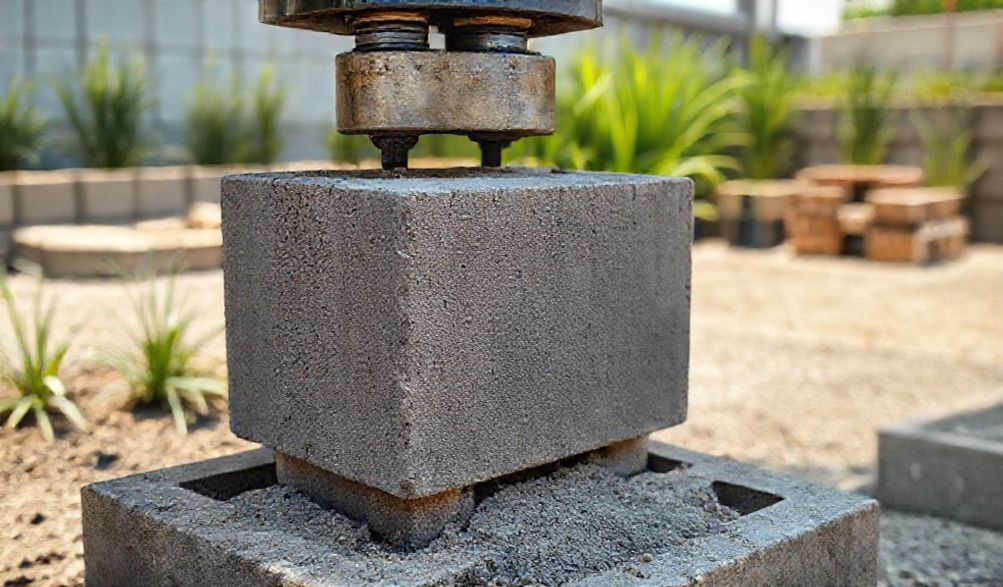
Onuň esasynda, ekologiýa kiremit maşyny ýönekeý, ýöne güýçli bir prinsipde işleýär:ýokary basyşly gysmaAdaty kerpiç ýasamakdan tapawutlylykda, ol ýerde ýylylyk (takmynan 1000°C) ulanyp kerpiç bölejiklerini birleşdirýärler, bu maşynlar çygly garyndy materiallary gysmak üçin gidrawlik ýa-da mehaniki güýç ulanýarlar.
- Proses:Maşyn, materialy galyba ägirt basyş (adaten 10-dan 30+ tonna çenli) astynda gysyp, bölejikleri mehaniki taýdan birleşdirýär.
- Netije:Bu, derrew "ýaşyl berkligi" bolan kerpiç döredýär, soňra bolsa, adatça suw bilen, birnäçe hepdeleýin saklanýar we himiki proses (sement gidratasiýasy ýa-da pozziolan reaksiýasy ýaly) arkaly doly gurluş potensialyna ýetýär.
Esasy çig mal: Galyndy baýlyk öwürmek
Bu tehnologiýanyň hakyky genijalygy onuň çig malynda. Senagat we şäher galyndylaryny bahaly çeşmelere öwürýär.
- Ултараш:Kömür bilen işleýän elektrik stansiýalaryndan çykýan inçe poroşok galyndy. Bu puzolan material bolup, hek we suw bilen reaksiýa girip, sementleýji birleşmeleri emele getirýär. Uçan külüň ulanylmagy uly zibil meselesini çözýär.
- ЧӨКДӨЛЕНЕН ЖЫЙЫЛАН ГУРАНТАЛЫП ӨНДӨРИЛЕН КӨКӨМӨЧӨЛӨР:Beton, garga we keramiki galyndylar agregatyň içine owulup bilner, gurluşyk materialynyň ýaşaýyş aýlawyny tamamlaýar.
- Карьер тозаны:Daş döwüji işleriniň goşmaça önümi, inçe agregat hökmünde ulanylýar.
- Soil (Stabilized): Locally sourced soil, stabilized with a small percentage (3-10%) of cement or lime to achieve strength and water resistance.
- Шлак: A by-product from steel mills.
The mantra is “local materials for local construction,” drastically reducing transportation emissions and costs while cleaning up the local environment.
The Environmental Mechanism: How It Saves the Planet
The ecological benefits are direct and measurable:
- Zero Burning, Zero Emissions: By eliminating the kiln, it removes the associated release of CO2, sulfur dioxide (SO2), and particulate matter.
- Dramatic Water Savings: Traditional clay brick production is water-intensive for mining and molding. Ecological brick production uses minimal water, primarily for curing.
- Topsoil Preservation: It does not require fertile topsoil, preserving agricultural land and preventing topsoil erosion.
Advantages of Using Ecological Bricks and Machines
Adopting this technology isn’t just an environmental statement; it’s a practical, economic, and social win.
Tangible Environmental Benefits
- Karbon Iziniň Azaldylmagy: Lifecycle assessments show a reduction of up to 90% in embodied carbon compared to fired bricks.
- Калдыктарды башкарыш: A single medium-scale unit can divert hundreds of tons of fly ash or C&D waste from landfills annually.
- Ýaşyl gurluş kreditleri: The use of these bricks contributes significantly to certification systems like ЛИД (Энергетика жана Экологиялык Дизайнына Жетекчилик)жеGRIHA (Green Rating for Integrated Habitat Assessment), earning points for regional materials, recycled content, and innovation.
Economic & Practical Advantages for Builders
- Lower Unit Cost: Raw materials are often low-cost or even free (waste by-products), leading to a cheaper brick. Production costs can be 20-30% lower than fired bricks.
- Superior Construction Efficiency: Machine-produced bricks have consistent size and shape, leading to less mortar use, faster laying times, and reduced skilled labor requirements.
- Proven Strength and Durability: When properly made, compressed ecological bricks can achieve compressive strengths exceeding 10 MPa, suitable for load-bearing walls (referencing standards like IS 1077:1992жеASTM C67).
- Enhanced Comfort: The density and composition provide excellent thermal mass, regulating indoor temperatures, and offer better akustik izolýasiýa than conventional bricks.
Societal Impact
- Arzanlyk jaýlar: The low production cost directly enables more affordable, sustainable housing projects.
- Green Job Creation: It fosters new micro-enterprises and jobs in material collection, brick production, and masonry.
- Circular Economy Model: It embodies a circular economy, transforming waste streams into valuable assets for community development.
Types of Ecological Brick Machines: Choosing the Right Technology
Selecting the right machine depends entirely on your scale, budget, and business model.
Manual / Hand-Operated Press Machines
- Ideal Üçin: Community-led building projects, NGOs, homesteaders, and entrepreneurs testing the market with minimal capital.
- Çykyş:Takmynan300-500 bricks per 8-hour day.
- Artalary: Very low cost, completely portable, requires no electricity—perfect for remote areas.
- Kemçilikler: Highly labor-intensive and physically demanding. Output is limited by operator stamina.
Semi-Automatic Hydraulic Press Machines
- Ideal Üçin: Small to medium enterprises (SMEs), start-up brick manufacturing businesses, and medium-sized construction projects.
- Çykyş:Аралыктар1,000 to 4,000 bricks per day, depending on model and crew size.
- Artalary: Excellent balance of affordability and productivity. Electric or diesel-powered hydraulic systems ensure consistent, high-pressure compaction with a small team (2-4 people). Offers a strong return on investment for serious ventures.
Fully Automatic Production Lines
- Ideal Üçin: Large-scale commercial production plants supplying entire regions or major construction companies.
- Çykyş: 10,000 to 50,000+ bricks per day.
- Artalary: Maximum output with minimal manual labor. These are integrated systems with automated material feeding, mixing, pressing, and stacking/palletizing.
- Kemçilikler: Requires a very high initial capital investment, significant space, and a reliable, high-capacity power supply.
Critical Factors When Selecting an Ecological Brick Machine
Buying a machine is a significant decision. Look beyond the brochure.
Assessing Your Production Needs & Scale
- Are you building a single house or starting a supply business?
- Hasaplaňrequired daily output (Bricks Per Day) based on project timelines or market demand. Always factor in a buffer for growth.
Raw Material Analysis is Key
This is the most critical step. Test your local materials first.
* A reputable supplier should offer to test your soil or waste material sample.
* The machine must be compatible with the material’s clay content, silt, and grain size distribution. A high clay content, for instance, may require a different mix design or machine pressure.
Machine Specifications Deep Dive
- Басым (Тоннаж): Higher pressure (e.g., 20 tons vs. 10 tons) generally produces denser, stronger bricks. Match this to your target strength and material type.
- Sikl wagty: How many seconds per brick? This directly determines your maximum daily output.
- Güýç talap edýän zatlar: Choose between electric (cleaner, lower OpEx) or diesel (for areas with unreliable grid power).
- Durability & After-Sales Service: The frame, hydraulics, and mold should be robust. A supplier’s willingness to provide training, spare parts, and technical support is non-negotiable.
Cost Analysis: Beyond the Sticker Price
- Consider Total Cost of Ownership: Initial machine cost + cost of auxiliary equipment (mixer, sieve) + operating costs (labor, power, maintenance).
- Calculate ROI: Based on your local brick selling price and production cost, project how long it will take to recoup your investment. A semi-automatic machine for an SME often has an ROI of 12-24 months.
The Production Process: From Raw Material to Finished Brick
Understanding the process ensures quality control.
Step 1: Sourcing and Preparation of Raw Materials
Materials are sieved to remove debris and oversized particles. Hard aggregates may need crushing. The goal is a consistent, homogenous feedstock.
Step 2: Precise Mixing and Moisture Control
This is where quality is made. The raw materials (e.g., soil, fly ash, cement) are mixed in a mechanical pan mixer. Optimal Moisture Content (OMC)—usually around 8-12%—is critical. Too dry, and the brick won’t compact properly; too wet, and it will deform after ejection.
Step 3: Compression in the Machine
The mix is fed into the machine’s chamber and compacted under high pressure for a few seconds. The brick is then ejected onto a pallet.
Step 4: Curing and Quality Assurance
- Gowulama: Bricks are stacked and kept moist (often by sprinkling water and covering with plastic sheeting) for 14 to 28 days. This allows the cement or lime to fully hydrate, achieving the designed strength.
- Quality Tests: Simple on-site tests include the “drop test” (a cured brick should not break when dropped from waist height) and checking for uniform color and lack of cracks.
FAQ: Your Questions About Ecological Brick Machines Answered
Q1: Are ecological bricks as strong as traditional fired clay bricks?
A: Yes, and often stronger. When produced to standard with proper material ratios and compaction, they easily meet and exceed common building code requirements for compressive strength (e.g., IS 1077 specifies a minimum of 3.5 MPa for common burnt clay bricks, while quality compressed blocks often achieve 7-10 MPa).
Q2: What is the typical cost of setting up an ecological brick production unit?
A: Costs vary dramatically. A basic manual press can start around $1,500 – $3,000. A semi-automatic hydraulic plant, including mixer and basic setup, may range from $15,000 to $50,000. A fully automatic line can start from $100,000 and go into the millions. Location, scale, and automation are the key drivers.
Q3: Can I start this business without an engineering background?
A: Absolutely. Many successful operators come from varied backgrounds. Reputable suppliers provide comprehensive operational and mix-design training. A willingness to learn, attention to detail, and hands-on practice are more important than a formal degree.
Q4: How do I find a reliable machine supplier?
A: Conduct thorough due diligence. Look for manufacturers with a long track record. Always ask for client references and visit an existing working unit if possible. Insist on a live demonstration using a sample of sen raw materials. Scrutinize the warranty and after-sales service contract.
Q5: Are there any government subsidies or policies supporting this technology?
A: Many governments worldwide promote green construction technologies. In India, for example, the Building Materials & Technology Promotion Council (BMTPC) actively certifies and promotes such technologies. Check with your local Ministry of Environment, MSME development institutes, or green building councils for potential grants, soft loans, or tax incentives.
Conclusion: Building Greener, Building Smarter
The ecological brick machine represents more than just a piece of equipment; it symbolizes a paradigm shift towards a restorative and responsible construction industry. It addresses environmental degradation, economic constraints, and social needs in one integrated solution.
The future is bright, with advancements like AI-driven mix optimization, solar-powered production units, and even stronger geopolymer binders on the horizon. The technology is proven, scalable, and ready for adoption.
Your Call to Action:
* For Builders & Architects: Specify “compressed ecological bricks” or “fly ash bricks” in your next project’s Bill of Quantities. Demand sustainable materials from your suppliers.
* Предпринимательлер үчін: Conduct a localized feasibility study. The market for green building materials is growing exponentially. Reach out to a reputable supplier for a detailed consultation.
* For Everyone: Share this knowledge. Promoting sustainable construction practices is a collective responsibility.
Based on verifiable industry data and engineering best practices, integrating ecological brick technology is one of the most concrete steps we can take toward a sustainable future. The blueprint for change is here, and it’s compressed into the shape of a brick.
<