
2026년 벽돌 인터로킹 기계 가격 목록: 완벽한 구매자 가이드
소개
건설 장비 예산 편성은 누구에게나 골칫거리입니다. 새로운 개발을 계획하는 계약자, 건자재 사업을 시작하는 기업가, 꿈의 프로젝트에 착수하는 개인 시공자 모두 명확하고 신뢰할 수 있는 가격을 찾는 것이 미로를 헤매는 듯한 느낌일 수 있습니다. 온라인에서 매력적인 저렴한 가격을 발견하더라도 기본 사양 모델임을 알게 되거나, 주방 싱크대를 제외한 모든 것이 포함된 듯한 견적서를 받아도 정작 비용은 그렇지 않은 경우가 많습니다.
이 가이드는 그러한 좌절감을 해소하기 위해 설계되었습니다. 건설 장비 분야의 노련한 분석가로서 우리는 벽돌 맞물림 기계 시장의 투명성을 높이기 위해 이 포괄적인 2026년 가격표 및 구매자 가이드를 작성했습니다. 우리는 가격이 단순한 숫자가 아니라 용량, 자동화, 내구성 및 장기적 가치를 반영한다는 점을 이해합니다.
벽돌 맞물림 기계의 가격은 수천 달러에서 8만 달러 이상까지 크게 차이납니다. 이러한 차이는 우연이 아니며, 소규모 커뮤니티 프로젝트부터 대규모 상업 운영까지 기계의 용도에 따라 결정됩니다. 이 글에서는 이러한 요소를 분석하고, 투명한 가격대를 제시하며, 최상의 선택을 할 수 있도록 실용적인 조언을 제공합니다.가치당신의 투자를 위해, 단순히 최저가만이 아닌가격본 페이지의 정보는 최신 산업 데이터, 제조사 사양, 시장 동향 분석을 바탕으로 구축되어, 구매 결정에 신뢰할 수 있는 기반을 제공합니다.
벽돌 맞물림 기계 이해하기: 종류와 응용 분야
비용에 대해 알아보기 전에, 당신이 무엇을 구매하는지 이해하는 것이 중요합니다. 이 지식은 현명한 투자를 위한 첫걸음입니다.
인터록킹 벽돌 기계란 무엇인가요?
At its core, an interlocking brick machine is a device that compresses a mixture of soil, sand, and a small percentage of cement (or other stabilizers like lime) into high-density bricks. These bricks are uniquely designed with grooves and protrusions that allow them to lock together tightly without the need for mortar. This interlocking system is the key to their benefits:
- 비용 효율적: Eliminates mortar costs and reduces skilled labor requirements.
- 친환경: Often uses on-site or local soil, minimizes cement use, and produces less waste.
- Durable & Strong: The compression creates a dense, weather-resistant brick ideal for walls, paving, and landscaping.
Primary Types of Machines (This is a Key Price Driver)
The level of human input required is the primary classifier and the most significant driver of price.
- 수동 기계: These are the simplest and most affordable. Operated by a hand lever, they rely entirely on human force for compression. They are portable, require no electricity, and are perfect for training or very low-volume production.
- 반자동 기계: This is the most popular category for small to medium businesses. They use an electric motor to power a hydraulic system, automating the compression cycle. An operator is still needed to feed the raw material and remove finished bricks, but the process is faster and less labor-intensive than manual operation.
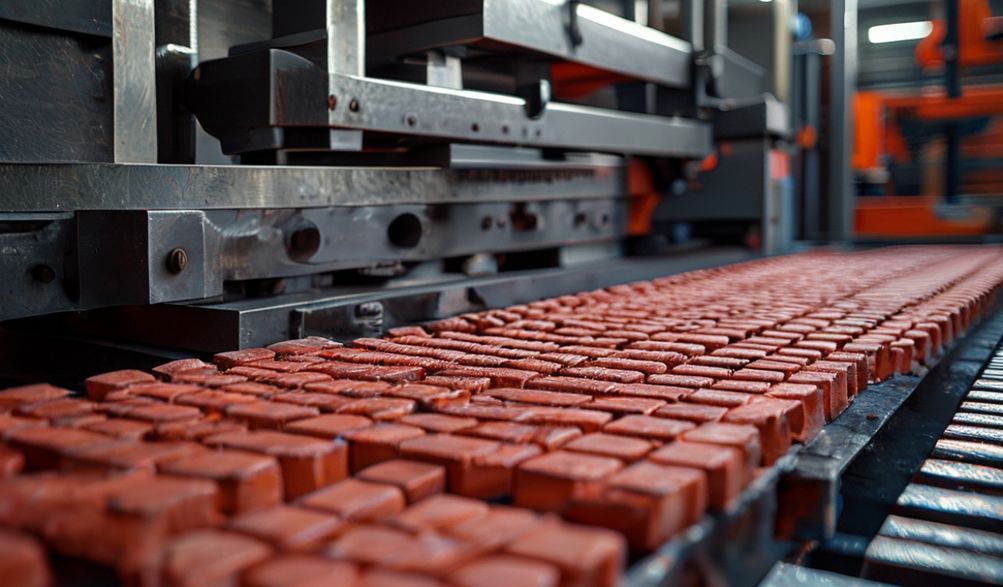
- 완전 자동 기계: These are the powerhouses of the industry. Controlled by a Programmable Logic Controller (PLC), they automate the entire process: feeding, compression, ejection, and stacking. Conveyor belts move bricks through the system. They offer the highest output with minimal labor but come with a significantly higher initial investment.
Key Factors That Determine Brick Interlocking Machine Prices
Why does one machine cost $5,000 and another $50,000? Several intertwined factors determine the final price tag. Understanding these will help you compare apples to apples.
생산 능력 (시간당 벽돌 생산량)
Output is king. The price scales directly with the machine’s ability to produce more bricks in less time.
* Low Capacity (200-800 BPH): Suitable for manual and entry-level semi-automatic machines. Ideal for small, phased projects.
* Medium Capacity (800-2,000 BPH): The sweet spot for growing businesses and housing projects. Covered by robust semi-automatic models.
* High Capacity (2,000-5,000+ BPH): The domain of fully automatic lines for large-scale commercial production or government infrastructure projects.
자동화 수준
Automation is an investment in efficiency. A higher upfront cost buys you long-term labor savings and consistency.
* 매뉴얼: Lowest capex, highest operational labor cost.
* Semi-Auto: Moderate capex, significantly reduced labor cost per brick. Offers the best balance for many.
* Fully Auto: Highest capex, minimal operational labor. The ROI is calculated on volume and scale over time.
Machine Quality and Brand Reputation
Not all steel is created equal. Established brands like Makiga, Hydraform, or Wangda command higher prices for good reason:
* 검증된 신뢰성: Their designs are field-tested over thousands of hours.
* 애프터 서비스: They offer technical support, warranty (typically 1-2 years), and troubleshooting.
* 예비 부품 가용성: You can source a replacement hydraulic seal or mold without halting production for weeks.
A “too-good-to-be-true” cheap machine often becomes expensive through downtime, frequent repairs, and a complete lack of support.
주요 구성 요소와 제작 품질
Look under the hood. The quality of components directly impacts price, performance, and lifespan.
* 모터: A reputable, correctly rated electric motor (e.g., 7.5 HP vs. 10 HP) ensures consistent power.
* 유압 시스템: The heart of the machine. Quality pumps, valves, and cylinders prevent leaks and maintain pressure.
* 곰팡이: High-grade, hardened steel molds resist wear and produce bricks with sharp, precise interlocking edges.
* 프레임 A heavy-duty, welded steel frame absorbs vibration and ensures the machine stays aligned during operation.
맞춤 설정 및 추가 기능
The base model is just the start. Optional add-ons increase functionality and cost:
* Extra Molds: For producing different brick designs (e.g., herringbone, hexagonal).
* 팬 믹서: An integrated mixer for preparing raw material.
* Brick Stacker/Pallet Feeder: Essential attachments for fully automatic lines to handle output.
* 진동 시스템 Some models add vibration during compression for even denser bricks.
2026 Brick Interlocking Machine Price List & Ranges
Critical Note: The prices below are estimated ranges in USD for the machine on a FOR (Free on Rail) or EXW (Ex-Works) basis. This means the price at the factory gate. It does not include shipping, insurance, import duties, taxes, or installation. These can add 15-30% to the total landed cost. Always request a formal, detailed quotation from suppliers.
Price Table by Machine Type
| Machine Type | Production Capacity | Key Features | Estimated Price Range (USD) | Best For |
| :— | :— | :— | :— | :— |
| Manual Press | 200 – 500 BPH | Lever-operated, portable, no power required, simple mold. | $1,000 – $3,000 | DIY enthusiasts, very small projects, training centers, NGOs in remote areas. |
| 반자동 | 800 – 1,500 BPH | Electric motor, hydraulic compression system, single-operator design, may include basic vibration. | $5,000 – $15,000 | Small/medium construction businesses, individual housing projects, block-making startups. |
| 완전 자동 | 2,000 – 5,000+ BPH | PLC control panel, automatic material feeder, conveyor system, automatic brick stacker/palletizer. | $25,000 – $80,000+ | Large-scale commercial block yards, industrial construction projects, government housing schemes. |
Regional Price Variations
Where you buy influences the price. Major manufacturing hubs in China and India often offer highly competitive base prices due to economies of scale. However, final landed cost must account for:
* 배송 및 물류 Cost increases with distance and machine size/weight.
* 수입 관세 및 세금 These vary significantly by country and can be substantial.
* Local Competition: In regions with local assemblers or distributors, prices may be higher but include in-country support and faster parts delivery.
Beyond the Sticker Price: Calculating Total Cost of Ownership
The smartest buyers look beyond the initial quote. The Total Cost of Ownership (TCO) reveals the true investment.
Initial vs. Long-Term Costs
Your budget must extend beyond the machine invoice:
* Shipping & Insurance: Ocean freight or air cargo costs.
* Installation & Foundation: Many machines require a leveled concrete pad for stable operation.
* Power Setup: Ensuring your site has the correct electrical supply (e.g., three-phase power for larger machines).
* 운전자 교육: Factor in the cost of training your team to use and perform basic maintenance.
Operational Costs
These are the ongoing expenses of running your machine:
* 전력 소비량: A semi-automatic machine may consume 5-10 kW per hour. Calculate your local electricity costs.
* Routine Maintenance: Regular oil changes for the hydraulic system, greasing of moving parts.
* 예비 부품: Budget for wear items like mold liners, hydraulic hoses, and seals.
The Importance of After-Sales Service
This is non-negotiable. A reliable supplier provides:
* Clear Warranty: Understand what is covered (parts, labor) and for how long.
* 기술 지원 Access to engineers who can help troubleshoot over phone or video.
* Parts Supply Chain: A guarantee that critical spare parts are available and can be shipped promptly.
Downtime is lost revenue. Good after-sales service is an insurance policy for your productivity.
How to Get the Best Value for Your Investment
Armed with knowledge, you can now shop strategically.
Define Your Project Needs Clearly
Answer these questions first:
* What is my required daily or weekly brick output?
* What is the total duration and scale of my project(s)?
* What is my total available budget, including setup costs?
* What space and power infrastructure do I have at my site?
Research and Vet Suppliers Thoroughly
Don’t just browse websites.
* Check Company History: How long have they been in business?
* Request Client References & Videos: Ask for contacts of past buyers in your region. Demand a live or recorded video of the exact model running.
* Search for Reviews: Look for independent feedback or forum discussions.
Request and Compare Detailed Quotations
A proper quote should be a multi-page document including:
* Detailed technical specifications.
* Itemized price list of the machine and all accessories.
* Clear warranty terms and conditions.
* Delivery timeline and Incoterms (e.g., FOB, CIF).
* List of included spare parts and tools.
Consider Buying Used or Refurbished
This can be a viable path to higher capacity on a limited budget.
* 장점: Significant cost saving (30-50% off new); potential for faster delivery.
* 단점: Unknown maintenance history; limited or no warranty; potential difficulty sourcing older parts. Always insist on a thorough inspection, preferably by a third-party mechanic.
자주 묻는 질문 (FAQ)
Q1: What is the cheapest brick interlocking machine available?
A: Basic manual lever presses are the least expensive, starting around $1,000. However, remember you are trading money for significant manual labor and very low output. It’s only suitable for tiny, non-commercial projects.
Q2: Can I get a good quality machine under $10,000?
A: Absolutely. The $5,000-$10,000 range is populated with many capable semi-automatic machines from reputable manufacturers. Focus on finding a model that reliably meets your target production capacity rather than simply finding the lowest price in this bracket.
Q3: How much does shipping and installation cost?
A: This is highly variable. As a rough estimate, budget an additional 10% to 25% of the machine cost for shipping, insurance, and basic installation. For international shipments, always get a firm freight quote and clarify who handles customs clearance.
Q4: Are there any hidden costs I should know about?
A: Yes, savvy buyers account for: the concrete foundation slab, electrical work to provide adequate power (potentially requiring a transformer), initial raw material testing to perfect your mix formula, and customs clearance agent fees for imports.
Q5: Which brand offers the best value for money?
A: There is no single “best” brand for everyone. Value is a combination of fair pricing, machine durability, and—critically—strong after-sales support in your region. We recommend shortlisting 2-3 established brands, getting their detailed quotes, and speaking directly to their past customers in your area to gauge real-world performance and support.
결론
Navigating the brick interlocking machine market requires seeing price as a function of capability, not just a cost. As we’ve outlined, your investment is determined by the type of machine, its production capacity, the quality of its components, and the support network behind it. The “right” machine isn’t the cheapest or the most expensive—it’s the one that aligns with your project scale, budget, and long-term business goals, becoming a reliable, profit-generating asset.
Our final recommendation is to invest time upfront. Use this price list as a benchmark for your discussions. Consult with a local construction equipment expert who understands your specific soil conditions and climate. When you’re ready, approach suppliers with your clear project requirements in hand.
Investing in the right interlocking brick technology is more than a purchase; it’s a step towards more efficient, sustainable, and cost-effective construction. Make that step a confident one.
<