
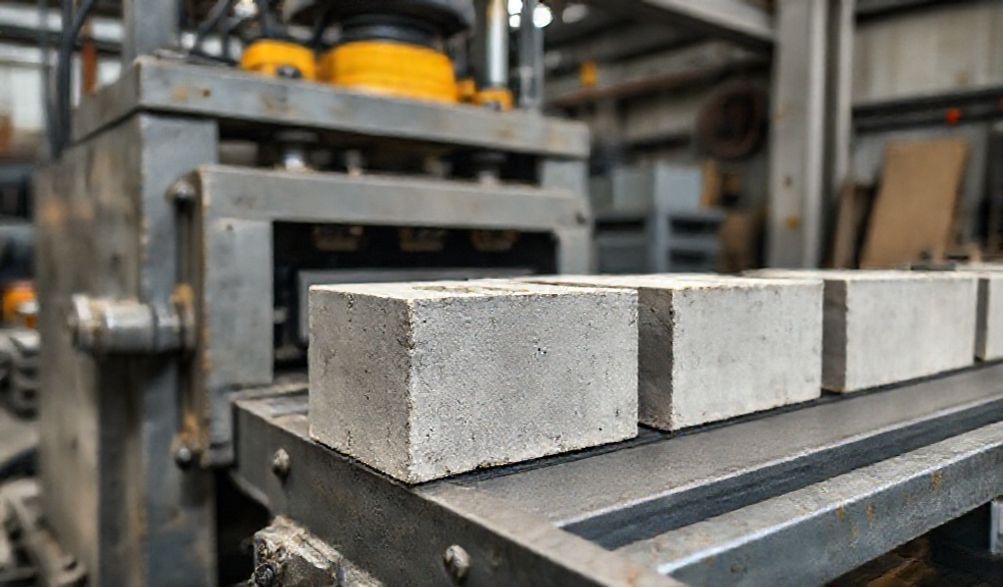
벽돌 제조기 가격: 2024년 완전 구매자 가이드
소개
다음 주택 프로젝트를 위한 부지에 서 있거나, 소규모 작업장에서 건설 자재 사업을 확장하는 꿈을 꾸고 있다고 상상해 보세요. 비전은 분명합니다: 자신만의 벽돌을 생산하면 품질 관리, 공급망 독립성, 그리고 새로운 수익원을 확보할 수 있습니다. 하지만 그다음, 현실적인 질문이 떠오릅니다:이게 얼마나 들 거예요?'벽돌 제조 기계 가격'을 빠르게 온라인으로 검색해보면, 수천 달러부터 수십만 달러까지 현기증 나는 범위의 가격대가 나타납니다. 이럴 때 어떻게 해야 할까요?
이 업계의 베테랑으로서, 스티커 가격만을 고집하는 것은 가장 빠르게 실패로 가는 투자 길입니다. 진정한 비용은 기계의 수명 전체에 걸친 총 가치에 있습니다. 이 가이드는 수년간 제조업체 사양을 분석하고, 사업주들과 대화하며, 벽돌 생산의 실제 경제성을 이해하는 과정에서 정성껏 작성되었습니다. 우리의 목표는 단순히 가격을 나열하는 것이 아니라, 귀하의 생산 목표와 예산에 부합하는 가치 중심의 결정을 내릴 수 있는 틀을 제공하는 것입니다.
우리는 비용을 결정하는 요소들을 분석하고, 다양한 기계 유형별로 2024년 투명한 가격 범위를 제시하며, 자주 간과되는 숨겨진 비용을 밝히고, 가장 중요한 것은 투자 비용을 회수하는 시점을 계산하는 방법을 보여드리겠습니다. 구체적인 가격은 시장 상황에 따라 변동하지만, 우리가 다룰 평가 원칙은 여러분의 가장 소중한 도구가 될 것입니다. 이제 가격표를 넘어 수익성 있는 투자의 기초를 다져봅시다.
벽돌 제조 기계 가격을 결정하는 요인 이해하기
벽돌 제작 기계의 가격 변동은 임의적인 것이 아닙니다. 이는 공학적 설계, 재료, 그리고 성능을 직접적으로 반영한 결과입니다. 이러한 구성 요소를 이해하는 것이 가치를 이해하는 첫걸음입니다.
코어 머신 타입 및 자동화 수준
이것이 비용의 가장 큰 원동력입니다. 자동화 수준은 인력 요구사항, 생산 속도, 그리고 운영 복잡성을 결정합니다.
- 수동 기계:혼합, 급여 및 압축 작업이 전적으로 인력에 의해 운영됩니다. 그들은최저 선불 비용하지만가장 높은 지속적인 노동 비용가장 낮은 출력.
- 반자동 기계:이들은 균형을 맞춥니다. 중요한 압축 및 성형 공정을 유압 또는 기계식 시스템으로 자동화하지만, 원자재 투입이나 완성된 블록 제거는 수동으로 진행해야 할 수 있습니다. 이는 초기 투자 비용을 관리 가능한 수준으로 유지하면서 생산성을 크게 향상시킵니다.
- 완전 자동화 기계(또는 공장):이것들은 완전한 생산 라인입니다. 자동 원료 공급, 혼합, 성형, 경화 및 때로는 적재/팔레타이징을 통합합니다. 노동력은 주로 감독 및 유지보수에 사용됩니다.높은 초기 투자대량 생산과 블록당 최소한의 노동 비용으로 정당화됩니다.
생산 능력 (블록/시간):각 자동화 카테고리 내에서 가격은 생산 능력에 따라 조정됩니다. 시간당 1,000개의 블록을 생산하는 기계는 시간당 5,000개의 블록을 생산하는 기계보다 훨씬 저렴하며, 둘 다 반자동 방식일지라도 마찬가지입니다. 가격은 항상 검증된 생산 능력과 연관시켜 고려해야 합니다.
주요 구성 요소와 제작 품질
두 대의 기계가 비슷해 보일 수 있지만, 부품의 품질이 내구성, 유지 보수 빈도, 그리고 벽돌 일관성을 좌우합니다.
- 금형 품질 및 재료금형이 최종 제품을 결정합니다. 고크롬 합금강 금형은 연강보다 시멘트와 골재에 의한 마모에 훨씬 더 강하게 저항하여 수년 더 오래 가며, 더 날카로운 모서리의 벽돌을 생산합니다. 이러한 품질은 프리미엄 가격으로 제공됩니다.
- 유압 시스템 대 기계식 시스템:유압 시스템은 더 큰 압력 제어를 제공하여 더 밀도가 높고 강한 벽돌을 생산할 수 있으며, 지속적인 사용에서 일반적으로 더 내구성이 뛰어납니다. 순수 기계식 레버/프레스 시스템보다 일반적으로 비용이 더 많이 들지만, 우수한 성능과 일관성을 제공합니다.
- 프레임과 구조대량 생산을 위해 설계된 기계는 강화된 강철판으로 제작된 견고하고 진동에 강한 프레임이 필요합니다. 더 가벼운 프레임은 초기 비용을 절감할 수 있지만, 더 많은 가동 중단 시간과 정렬 문제를 초래할 것입니다.
브랜드, 원산지, 그리고 애프터서비스 지원
- 프리미엄 국제 브랜드 대 신뢰할 수 있는 국내 제조사:유럽이나 북미의 기성 브랜드는 첨단 연구 개발, 엄격한 품질 관리, 글로벌 브랜드 인지도 덕분에 종종 더 높은 가격을 형성합니다. 그러나 중국, 인도, 터키와 같은 국가의 많은 제조업체들이 이제고품질, 신뢰할 수 있는 기계 at a more competitive price point. The key is vetting the manufacturer thoroughly.
- The Real Cost of Support: A cheaper machine with no local technical support or a 6-month wait for spare parts can become a very expensive paperweight. The availability of on-site training, a comprehensive warranty (1+ years), and a ready inventory of spare parts is a critical part of the value equation. This support network has a cost built into the machine’s price.
Price Ranges for Different Types of Brick Making Machines
(Note: Prices are indicative for 2024 and can vary based on configuration, brand, and region. They are meant to provide a framework for budgeting.)
Manual & Small-Scale Machines (Economy Range: $1,000 – $10,000)
- 최적 대상: Entrepreneurs starting a small business, community projects, producing specialty bricks (like landscape pavers) in low volume, or for on-site production on a single construction project.
- What to Expect: These are often simple, mechanical press machines (like the popular “egg-laying” mobile types) or small stationary manual presses. Production is labor-intensive, with output ranging from 200 to 1,500 blocks per 8-hour day, depending on crew size.
- 예시: A basic manual concrete interlocking block machine might cost between $2,500 and $5,000.
Semi-Automatic Machines (Mid-Range: $10,000 – $50,000)
- 최적 대상: Growing block yards, medium-scale construction companies supplying their own projects, and businesses looking to seriously enter commercial production with a balanced investment.
- What to Expect: This range includes robust stationary machines with hydraulic systems, automatic vibration and compression, and possibly automatic pallet feeders. Output can range from 800 to 3,000+ blocks per hour. You are paying for dramatically higher output and significantly reduced labor per block.
- 예시: A quality semi-automatic hydraulic machine producing hollow blocks, with a production capacity of 2,000 blocks per hour, could fall in the $25,000 – $40,000 range.
Fully Automatic Stationary Plants (High Investment: $50,000 – $250,000+)
- 최적 대상: Large-scale commercial brick and block manufacturing plants, major infrastructure contractors, or businesses aiming to dominate regional supply.
- What to Expect: This is a complete factory in a line. It includes automatic batching plants, mixers, conveyor systems, the core brick machine, curing systems, and stackers. Labor is minimal (2-4 operators for the entire line). Production can easily exceed 5,000 to 10,000+ blocks per hour.
- Justifying the Cost: The ROI comes from unparalleled scale, minimal unit labor cost, and consistent, high-quality output that can secure large contracts.
모바일 벽돌 제조 기계
- Price Considerations: These specialized machines, mounted on a trailer for on-site production, typically fall into the $15,000 – $60,000 range. Their price is driven by their unique value: eliminating transport costs for finished blocks. A medium-capacity mobile hydraulic block maker might cost $30,000-$40,000.
The Hidden Costs of Owning a Brick Making Machine
The invoice price is just the beginning. A savvy buyer budgets for the total cost of ownership.
Installation, Foundation, and Utilities
- 현장 준비: A stationary plant, especially a large automatic one, requires a level, reinforced concrete foundation. This is a significant civil work cost.
- 전력 요구 사항 Semi- and fully-automatic machines often require three-phase industrial power supply. Upgrading your site’s electrical infrastructure can be costly.
- Utilities: Factor in the ongoing cost of electricity and water for the production process.
Raw Material Handling Systems
The machine itself needs to be fed. Costs can include:
* Feeders and Hoppers
* Pan or Twin-Shaft Mixers ($3,000 – $20,000+)
* Conveyor Belts to transport raw material or finished blocks.
* Curing Racks or Chambers.
Operational Costs: Labor, Power, and Maintenance
- 노동 Even automatic plants need skilled operators and maintenance staff.
- 전력 소비량: Hydraulic systems and vibrators are power-hungry; calculate your local industrial electricity rate.
- 예방 정비 Regular oil changes, filter replacements, and part inspections are essential to avoid catastrophic breakdowns.
Spare Parts and Consumables (Molds, Pallets)
- 곰팡이: Even the best molds wear out. Budget for replacement molds specific to your brick designs.
- 팔레트: The steel or wooden pallets that bricks cure on undergo constant wear and need periodic replacement.
- Standard Spare Parts: Keep an inventory of common wear parts like hydraulic seals, vibration motor bearings, and springs.
How to Get the Best Value for Your Investment
Define Your Needs Clearly: A Self-Assessment
Answer these questions before you look at a single price:
* Production Volume: What is your daily/weekly block requirement now? In 2 years?
* 벽돌 종류: Do you need to produce solid, hollow, interlocking, or paving blocks?
* 원자재 Will you use concrete, fly ash, clay, or soil?
* Available Space & Power: What are the physical and electrical constraints of your site?
* 총 예산: What is your realistic budget, including hidden costs (add 20-30% to machine price)?
Where to Source: Direct Manufacturers, Local Dealers, or Import?
- Direct from Manufacturer (Overseas): Often the lowest FOB price. Risks: Complex logistics, customs clearance, potential language barriers, and uncertain after-sales support.
- Local Dealer/Distributor: Higher price, but includes import handling, local warranty, technical support, and spare parts inventory. This is often the best value for security.
- Local Manufacturer: Supports the local economy and minimizes logistics headaches. Compare their quality and specs rigorously against international standards.
Key Questions to Ask Before You Buy
- “What is included in the quoted price? (Delivery, installation, training?)”
- “What is the warranty period and what does it specifically cover?”
- “What is the lead time for critical spare parts, and are they stocked locally?”
- “Can you provide contact information for 2-3 current customers in a similar climate/region?”
- “Do you offer installation supervision and operator training?”
The Importance of Seeing a Demo or Visiting a Plant
If possible, always see the machine running. A video is not enough. Witness the build quality, noise level, ease of operation, and the quality of the finished blocks. Visit an existing customer’s plant to hear unfiltered feedback.
Calculating ROI: When Will Your Machine Pay for Itself?
This is the most critical calculation for your business plan.
A Simple ROI Framework
The core question is: How long until my net profit from the machine covers its total cost?
Simplified Formula:
Payback Period (Months) = Total Investment Cost / (Monthly Gross Profit - Monthly Operational Costs)
- Total Investment Cost: Machine price + shipping + installation + initial spare parts.
- Monthly Gross Profit: (Number of blocks sold per month * Profit per block).
- Monthly Operational Costs: Labor + raw materials + power + maintenance.
Case Study Examples
-
Scenario A (Semi-Auto Machine):
- Investment: $35,000
- Monthly Net Profit (after all ops costs): $3,500
- Payback: $35,000 / $3,500 = 10 months.
-
Scenario B (Small Manual Machine):
- Investment: $5,000
- Monthly Net Profit: $800
- Payback: $5,000 / $800 = 6.25 months. (While faster, the absolute profit ceiling is much lower).
Factors That Accelerate ROI
- High Local Demand & Stable Pricing
- Low-Cost, Consistent Raw Material Supply
- Efficient Operation minimizing waste and downtime.
- Diversified Product Range (making multiple block types for different markets).
Frequently Asked Questions (FAQ) About Brick Making Machine Prices
Q1: What is the cheapest brick making machine available?
A: You can find small, manual press machines online for as low as $1,000-$2,000. However, “cheapest” is rarely the best value. Consider production limits and high physical labor costs. It’s better to define the minimum viable output you need and find the most reliable machine in that budget.
Q2: Is it cheaper to import a machine from overseas?
A: The FOB (Free on Board) price may be lower, but you must add shipping, insurance, import duties, customs clearance fees, and local agent charges to get the “landed cost.” Often, the 15-30% savings on the base price is erased by these fees and the long-term risk of poor local support.
Q3: Can I get a good quality machine under $5,000?
A: In this budget, you are firmly in the manual machine category. You can get a decent quality manual machine for producing concrete blocks or pavers. For any form of automatic operation, this budget is unrealistic. Focus on build quality and mold material from reputable small-scale manufacturers.
Q4: Does a higher price always mean better quality?
A: Generally, yes—you pay for better components, engineering, and support. However, it’s not an absolute rule. Always cross-reference the price with the specifications (hydraulic pressure, motor power, production capacity), component brands (e.g., known hydraulic pump brands), and the depth of after-sales service. A mid-priced machine with excellent support can be better value than a premium machine with none.
Q5: Are there financing options available for these machines?
A: Yes. Many established manufacturers offer in-house financing or leasing plans. Local banks also provide equipment loans for industrial machinery. Some government agricultural or small-business development schemes also offer grants or subsidized loans for such capital investments. Always inquire directly.
결론
Navigating the world of brick making machine prices is less about finding the lowest number and more about identifying the highest long-term value. The “right” price is the one that aligns with your production goals, operational capacity, and growth trajectory, ensuring the machine is an asset that drives profit, not a liability that drains it.
Your path forward is clear. Use the self-assessment checklist in this guide to crystallize your needs. Get detailed, specification-based quotes from at least three reputable suppliers—comparing not just price, but warranty, support, and delivery terms. Prioritize those who offer robust after-sales service. If the numbers align, request a custom ROI projection based on your local market conditions.
Remember, this purchase is the foundation of your production capability. Investing time in thorough due diligence now will pave the way for a sustainable and profitable brick-making business for years to come. Take this guide, use it as your roadmap, and make your investment with confidence.
<