
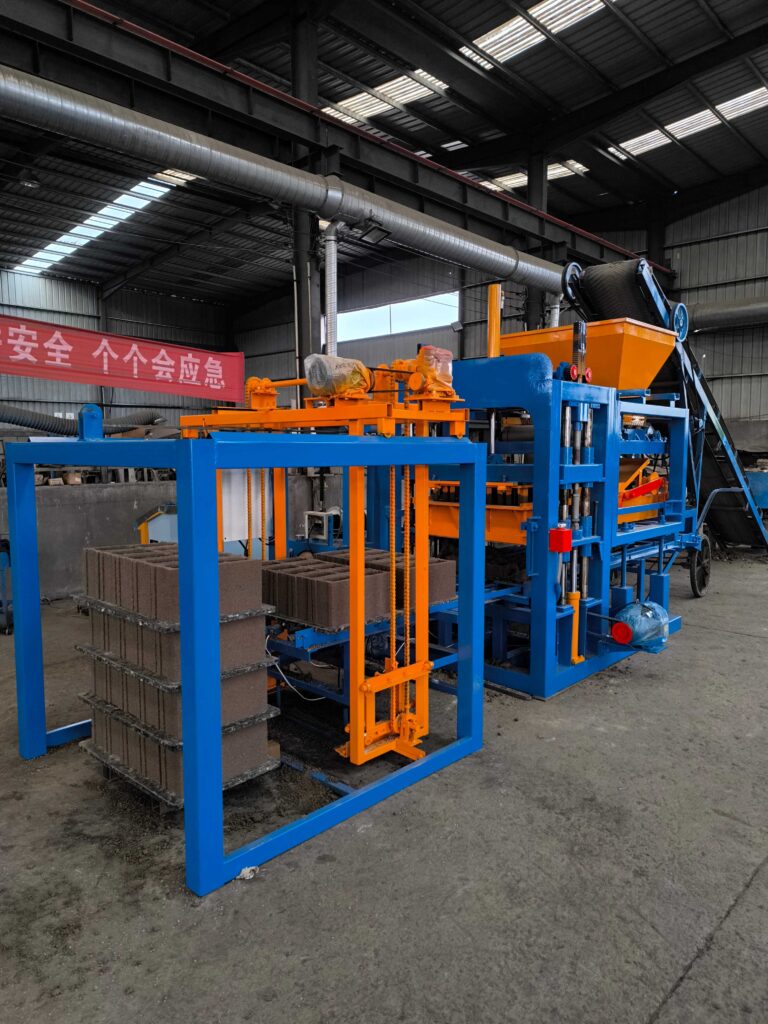
1. 플라이 애시 벽돌의 시장 역학과 사업적 타당성
기계 비용을 분석하기 전에, 매력적인 사업 환경을 이해하는 것이 중요합니다. 플라이애시 벽돌은 기존 점토 벽돌에 비해 더 높은 강도, 균일한 크기, 더 나은 단열 성능, 그리고 무엇보다 산업 폐기물을 활용한다는 점에서 훨씬 낮은 환경적 발자국을 가진다는 여러 장점을 제공합니다. 많은 국가에서 플라이애시 사용을 의무화하거나 장려하는 정부 정책은 견고하고 종종 보조금이 지원되는 시장을 조성했습니다. 유통업자에게 이는 수요 동인이 내재된 부문에 판매한다는 의미입니다. 기계 비용은 단순한 지출이 아니라 이 지속 가능하고 종종 수익성이 있는 생태계에 진입하기 위한 티켓입니다. 이 투자는 인프라, 상업 및 주거 프로젝트에서 소성 점토 벽돌을 대체하는 추세가 증가함에 따라 정당화됩니다.
2. 비용 구조 해체: 주요 가격 결정 요인
플라이 애시 벽돌 제조기의 가격은 단일 금액이 아닌, 상호 의존적 요인들의 복합적 영향에 의해 형성되는 스펙트럼입니다. 이러한 요소들을 이해하면 정확한 예산 수립과 옵션 간 효과적인 비교가 가능해집니다.
2.1. 자동화 수준과 생산 능력
이것이 주요 비용 동인입니다. 기계는 작동 방법론에 따라 크게 분류됩니다.
- 수동 또는 손으로 작동하는 기계이것은 공급, 다짐, 벽돌 제거에 상당한 인력이 필요한 기계식 프레스입니다. 가장 저렴한 진입점으로, 매우 소규모 또는 지역사회 기반 운영에 적합합니다. 생산량은 낮으며, 일반적으로 8시간 교대당 500개에서 1,500개의 벽돌을 생산합니다.
- 반자동 기계:이 범주는 상당한 성능 도약을 나타냅니다. 여기에는 압축을 위한 유압 시스템이 통합되어 있으며, 기계화된 공급 또는 배출 시스템을 포함할 수 있습니다. 작동에는 더 적은 육체 노동이 필요하며 더 나은 일관성을 제공합니다. 생산 능력은 교대당 1,500개에서 6,000개의 벽돌 범위입니다. 이 범주는 많은 중소기업(SMEs)에 비용과 생산량 간의 최적의 균형을 제공합니다.
- 완전 자동 기계:이것들은 자동화된 재료 배합, 혼합, 운반, 고압 압축, 벽돌 적층 및 팔레타이징을 갖춘 완전한 생산 라인입니다. 최소한의 수작업 개입만 필요하며, 탁월한 제품 균일성을 보장하고 교대당 10,000개 이상의 벽돌을 생산할 수 있는 최대 출력을 제공합니다. 당연히 이는 가장 높은 자본 투자이지만 단위당 노동 비용은 가장 낮습니다.
2.2. 기계 사양 및 기술적 특징
각 자동화 카테고리 내에서 사양에 따라 가격 변동이 발생합니다.
- 압력 용량 (톤수):압축력(톤 단위, 예: 60톤, 100톤, 150톤)은 벽돌의 밀도와 강도에 직접적인 영향을 미칩니다. 더 높은 압축력을 가진 기계는 내하중 구조물에 적합한 고품질 벽돌을 생산하지만, 비용은 더 높습니다.
- 유압 시스템 품질기계의 심장입니다. 인증된 제조업체의 평판이 좋고 에너지 효율적인 펌프, 밸브 및 실린더를 사용하는 시스템은 더 신뢰할 수 있고 내구성이 뛰어나지만 초기 비용이 증가합니다.
- 제어 시스템 정교화:기본 릴레이 패널은 터치스크린 HMI(Human-Machine Interface)가 장착된 PLC(Programmable Logic Controller) 기반 시스템보다 비용이 저렴합니다. PLC 시스템은 정밀성, 쉬운 문제 해결, 그리고 더 나은 공정 제어를 제공합니다.
- 건설 및 자재:重型结构钢制造的机器、硬化钢模具以及优质耐磨板,虽然材料与制造成本较高,但能延长设备寿命并降低维护费用。
2.3. 출력 다용성과 금형 구성
여러 벽돌 유형(속이 찬 벽돌, 속이 빈 벽돌, 포장용 벽돌, 인터로킹 벽돌)을 빠른 교체 금형 시스템으로 생산할 수 있는 기계는 단일 제품 기계보다 가격이 높습니다. 금형의 캐비티 수(예: 4구 금형 대 6구 금형)는 생산량과 가격 모두에 영향을 미칩니다.
3. 가격표 너머: 총소유비용(TCO) 계산하기
신중한 유통업체나 최종 사용자에게 있어 구매 가격은 재정적 지출의 첫 번째 요소에 불과합니다. 총소유비용(TCO)은 전체적인 관점을 제공하며, 고객에게 조언하거나 공급업체를 평가하는 데 중요합니다.
- 설치 및 시운전기초 준비, 전기 작업 및 기술자의 현장 조립 비용. 자동화 라인의 경우 더 복잡하고 비용이 많이 드는 과정입니다.
- 보조 장비:기능적인 플랜트는 벽돌 프레스만으로는 부족합니다. 팬 믹서, 컨베이어 벨트, 벨트 피더, 팔레트 트럭, 양생 랙에 대한 비용이 전체 프로젝트 예산에 반드시 포함되어야 합니다.
- Shipping, Logistics, and Import Duties: For international distributors, freight costs, insurance, and applicable tariffs can add 15-40% to the ex-factory price, depending on origin and destination.
- Spare Parts Inventory: A prudent initial investment in a kit of critical spare parts (hydraulic seals, hoses, relief valves) prevents prolonged downtime.
- 에너지 소비 Automated, high-tonnage machines have higher horsepower motors. Their energy efficiency impacts long-term operational costs.
- Maintenance and Service: Machines with simpler designs and better service accessibility may have lower long-term maintenance costs. Availability and cost of spare parts are crucial.
4. Strategic Pricing Models and Supplier Evaluation
When engaging with manufacturers, understanding their pricing philosophy is key.
- Modular vs. Turnkey Pricing: Some suppliers quote for the core machine only, while others offer a “plant and machinery” package. The latter, though seemingly more expensive upfront, often provides better integration and single-point responsibility.
- Quality-to-Price Correlation: The market often segments into tiers: economy, standard, and premium. Economy machines may have lower-grade components, thinner steel, and limited after-sales support. Premium machines justify their price with superior engineering, components, warranties, and support services. The best value often lies in the standard-to-premium range, avoiding the false economy of frequent breakdowns.
- Warranty and After-Sales Support Value: A machine with a comprehensive 12-18 month warranty on major components and a commitment to providing timely technical support (remote or on-site) carries intrinsic value that mitigates risk. This support structure should be a evaluated as a core part of the “cost.”
5. Financial Analysis and Return on Investment (ROI) Framework
Distributors must be equipped to help clients justify the investment. A basic ROI analysis should consider:
- Total Project Cost: Sum of machine, auxiliaries, installation, and working capital.
- 생산 능력 Shifts per day, bricks per shift, annual output.
- 운영 비용 Raw materials (fly ash, cement, sand), labor, power, maintenance, and overheads per brick.
- Revenue Projections: Selling price per brick, based on local market rates.
- Gross Profit per Brick: Revenue minus operational cost.
- 회수 기간: Total Project Cost / (Gross Profit per Brick * Annual Brick Output).
Machines with higher automation, while costlier, typically show a faster payback due to drastically reduced labor costs and higher, more consistent output, leading to greater overall profitability.
결론
The cost of a fly ash brick making machine is a multi-faceted variable, deeply intertwined with production goals, desired quality, and long-term business strategy. For industry partners, a sophisticated understanding that moves beyond the initial price tag to encompass automation levels, technical specifications, total cost of ownership, and the supplier’s value-added services is non-negotiable. The most economically sound decision is rarely the cheapest machine on the market; rather, it is the machine that offers the optimal balance of reliable performance, operational efficiency, and durable construction for the target production scale. By focusing on the lifetime value and productivity of the equipment, distributors can make procurement choices—and provide guidance to their clients—that ensure sustainable profitability and a strong competitive position in the burgeoning green construction materials market. The investment in the right machinery is fundamentally an investment in the future stability and growth of the business.
FAQ
Q1: What is the typical price range for a fly ash brick making machine?
A: Prices vary dramatically based on type. Basic manual presses can start from a few thousand dollars. Semi-automatic hydraulic machines commonly range from approximately $5,000 to $10,000. Fully automatic production lines can begin around $12,000 and exceed $60,000 for high-capacity, sophisticated models. These are broad estimates; final costs depend on specifications and configuration.
Q2: Does a higher price always mean better quality and output?
A: Generally, yes, within the offerings of reputable manufacturers. A higher price typically reflects better-grade materials (e.g., superior steel, branded hydraulics), more precise engineering, higher automation, and greater production capacity. However, thorough due diligence on the supplier’s reputation, component origins, and testing standards is essential to ensure value aligns with price.
Q3: What are the key operating costs beyond the machine purchase?
A: Major ongoing costs include raw materials (fly ash, cement, sand, water), electrical power for running motors and hydraulic systems, labor for operation and handling, routine maintenance and spare parts, and the cost of pallets or racks for brick curing and storage.
Q4: How long is the average payback period for such an investment?
A: The payback period is highly sensitive to local market conditions, management efficiency, and scale. For a well-run, medium-sized semi-automatic plant, it can typically range from 1.5 to 3 years. Fully automatic plants, with their higher output and lower per-unit cost, can sometimes achieve payback in 12-24 months if operating near capacity with good market demand.
Q5: What should be included in the supplier’s quotation?
A: A comprehensive quotation should clearly list: machine model and detailed specifications, production capacity, pictorial or diagrammatic view, detailed price breakdown, warranty terms, delivery time, shipping terms (e.g., FOB, CIF), list of included accessories and spare parts, and scope of installation and training services, if any.
Q6: Are there financing options available for this equipment?
A: Yes, many equipment manufacturers or their regional partners collaborate with financial institutions to offer leasing or loan programs. Additionally, in countries promoting fly ash utilization, government subsidies or soft loans may be available for qualifying projects. It is advisable to inquire with the supplier about potential financing avenues.
