
소개
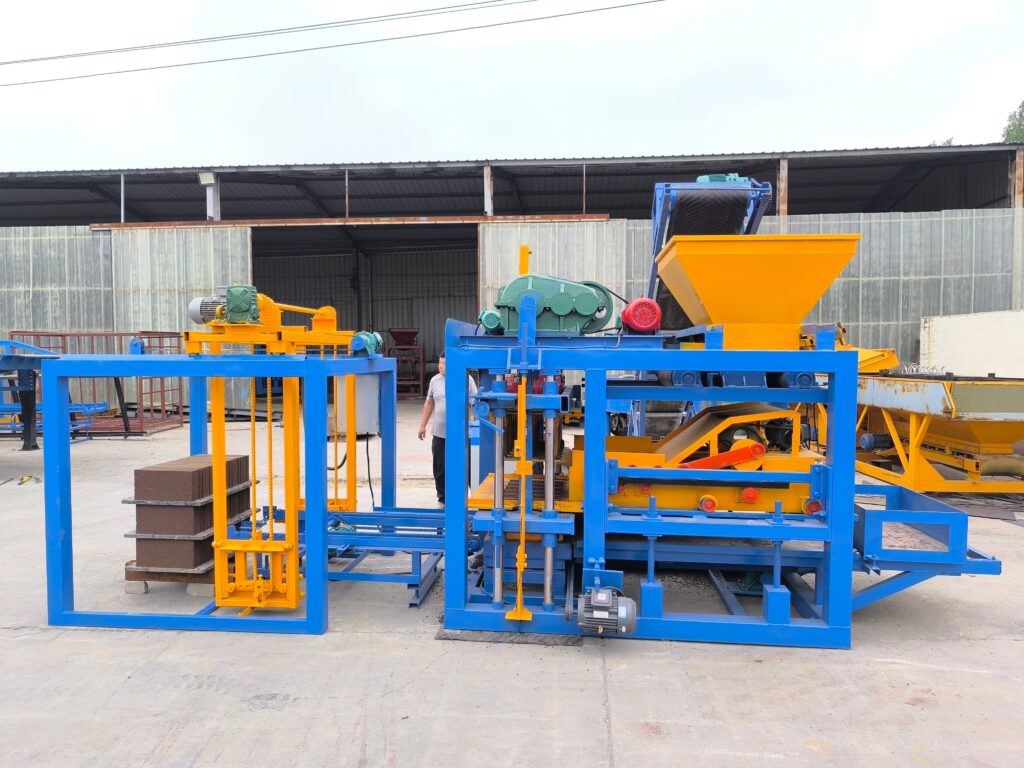
건설 산업이 지속 가능하고 효율적인 제조 공정으로 진화하면서 완전 자동 플라이애시 벽돌 제조 장비는 현대 건축 자재 생산의 핵심 기술로 자리매김하였습니다. 이 첨단 장비는 환경적 책임과 전례 없는 운영 효율성을 결합하여 기존 벽돌 제조 방식을 크게 도약시켰습니다. 유통업체, 딜러 및 조달 전문가들에게 이러한 장비의 기술적 정교성, 시장 잠재력 및 운영상의 이점을 이해하는 것은 친환경 건축 자재에 대한 글로벌 수요 증가를 활용하는 데 중요합니다. 이러한 통합 생산 시스템은 산업 부산물을 원활한 컴퓨터 제어 공정을 통해 고품질 건축 부품으로 전환하며, 인간의 개입을 최소화하고 생산 일관성을 극대화합니다.
기술 아키텍처와 운영 원리
완전 자동 플라이 애쉬 벽돌 제조 기계는 기계 공학, 전자 제어 시스템 및 재료 과학 기술의 정교한 통합을 구현합니다.
핵심 제조 공정 및 워크플로우
이 기계들의 생산 순서는 일관된 품질과 최적의 자재 활용을 보장하는 정밀하게 설계된 공정을 따릅니다.
- 자동 재료 계량 및 혼합
초기 단계에서는 프로그램된 레시피에 따라 플라이 애시, 시멘트, 모래, 물의 비율을 정확히 계량하는 정밀 측정 시스템을 포함합니다. 첨단 기계는 수분 감지 센서와 실시간 조정 기능을 갖추어 최적의 혼합물 점도를 유지합니다. 혼합 메커니즘은 일반적으로 45~60초 내에 균질한 혼합을 달성하는 트윈 샤프트 강제 혼합기를 사용하여 생산 전 과정에 걸쳐 일관된 조성을 보장합니다. 이 자동화된 접근 방식은 배합 오류를 제거하고 수동 작업으로는 달성할 수 없는 배치 간 일관성을 보장합니다. - 고압 압축 기술
성형 공정은 기계 구성과 생산 요구 사항에 따라 120톤에서 300톤 범위의 압력을 발생시킬 수 있는 유압 시스템을 활용합니다. 이러한 극한의 압축력은 플라이애시 혼합물의 시멘트 특성을 활성화시키면서도 밀도 높고 내구성 있는 벽돌 구조를 형성합니다. 현대식 시스템은 압축 주기 동안 다양한 힘을 가하는 압력 프로파일링 기술을 도입하여 재료 분포를 최적화하고 공기 주머니를 제거합니다. 정밀 제어된 압력 적용은 각 벽돌 전체에 걸쳐 균일한 밀도를 보장하며, 일반적으로 100 kg/cm²를 초과하는 일관된 압축 강도를 결과로 얻습니다. - 지능형 경화 관리
후처리 작업은 품질 개발에 있어 중요한 단계를 나타냅니다. 완전 자동화 시스템은 시멘트 수화와 포졸란 반응 완성을 위한 최적의 온도 및 습도 수준을 유지하는 제어된 양생 환경을 통합합니다. 일부 고급 설비는 증기 양생실을 갖추고 있어 강도 증가 과정을 가속화하며, 기존의 14-21일이 아닌 18-24시간 내에 벽돌을 취급할 수 있게 합니다. 이 가속 양생은 생산 주기 시간을 줄일 뿐만 아니라, 강도 발현 단계 동안 제품 저장을 위한 공간 요구 사항을 최소화합니다.
통합 서브시스템 구성 요소
이 기계들의 작동 효율은 여러 전문화된 하위 시스템의 원활한 조정에서 비롯됩니다.
- 자재 취급 및 운반 시스템
생산 라인 내 자동화 물류 시스템은 원료 운반용 벨트 컨베이어, 수직 물류 이동용 버킷 엘리베이터, 정밀한 원료 공급용 스크루 피더로 구성됩니다. 이들 시스템은 레벨 센서와 중량 측정 장치를 탑재해 작업자의 개입 없이도 지속적인 물류 흐름을 유지합니다. 이러한 구성 요소들의 통합은 원료 저장부터 최종 제품 생산까지의 원활한 파이프라인을 구축하여 생산 병목 현상과 수작업 처리 필요성을 제거합니다. - 프로그래밍 가능한 제어 및 모니터링 인프라
작동 인텔리전스는 모든 기계 기능을 조율하는 산업용 프로그래머블 로직 컨트롤러(PLC)에 구현되어 있습니다. 이 시스템은 압축력, 사이클 타이밍, 생산 통계를 포함한 생산 매개변수를 실시간으로 시각화하는 인간-기계 인터페이스(HMI) 패널을 갖추고 있습니다. 현대식 컨트롤러는 생산 이력, 유지보수 일정, 품질 지표를 추적하는 데이터 로깅 기능을 통합하여 포괄적인 운영 분석과 예방적 유지보수 계획 수립을 가능하게 합니다. - 유압 동력 및 모션 제어
기계의 동력 전달 시스템은 연속 작동을 위해 설계된 고효율 유압 펌프, 정밀 제어 밸브 및 중장비 실린더를 채택하고 있습니다. 고급 시스템은 가변 용량 펌프를 특징으로 하여 작동 수요에 따라 전력 소비를 조절함으로써 기존 유압 시스템 대비 15-25%의 에너지 사용량을 절감합니다. 모션 제어 시퀀싱은 성형, 공급 및 제품 배출 메커니즘의 원활하고 정밀한 움직임을 보장하여 기계적 스트레스를 최소화하고 구성 요소의 수명을 극대화합니다.
경제적 이점과 비즈니스 사례 분석
완전 자동 플라이 애시 벽돌 기술의 도입은 자본 투자를 정당화할 수 있는 강력한 재정적 이점을 제공합니다.
생산 효율성과 산출량 최적화
The automation of manufacturing processes generates substantial operational advantages that directly impact profitability.
- Continuous Operation Capability
These systems are engineered for 20-24 hour daily operation with minimal downtime, achieving utilization rates of 85-92% compared to 45-60% for semi-automatic alternatives. The uninterrupted production flow enables single machines to achieve annual outputs ranging from 15 to 60 million bricks, depending on model specifications and operational planning. This continuous operation capacity transforms fixed asset utilization, dramatically improving return on investment metrics. - Labor Productivity Enhancement
A fully configured production line typically requires only 3-5 operators per shift, regardless of output volume. This represents a 70-85% reduction in labor requirements compared to semi-automatic operations producing equivalent output. The consistency of automated operation also reduces skill dependency, allowing effective operation with appropriately trained technicians rather than highly experienced brick manufacturing specialists. - Quality Consistency and Waste Reduction
The precision of automated processes ensures dimensional accuracy and strength consistency exceeding 98%, compared to 80-85% in manual operations. This quality uniformity eliminates sorting requirements and reduces rejection rates to below 0.5%, significantly minimizing material waste and reprocessing costs. The consistent product quality enhances market acceptance and enables premium pricing positioning compared to variably quality manual products.
Resource Utilization and Cost Management
The operational economics of fly ash brick production create substantial competitive advantages in material markets.
- Raw Material Cost Optimization
Fly ash, typically constituting 60-80% of the brick composition, represents a low-cost or sometimes negative-cost raw material when sourced from thermal power plants. This fundamental material cost advantage, combined with precise automated batching that minimizes cement usage, creates production costs 25-40% lower than conventional clay brick manufacturing. The utilization of this industrial by-product also qualifies producers for various environmental incentives in many jurisdictions. - Energy Efficiency and Utility Management
Modern fully automatic machines incorporate energy recovery systems that capture and reuse hydraulic braking energy, reducing overall power consumption by 18-25%. The optimized production cycle minimizes idle time and eliminates energy waste associated with manual operation patterns. When combined with potential steam curing systems that reuse waste heat, these efficiency measures contribute significantly to reducing per-unit production costs. - Space Utilization and Infrastructure Requirements
The vertical integration of production processes and reduced curing time decreases land requirements by approximately 60% compared to conventional brick manufacturing facilities. The compact footprint reduces both land acquisition costs and material handling distances within the production facility, further enhancing operational efficiency and reducing overhead expenses.
Market Positioning and Strategic Implementation
The successful deployment of fully automatic fly ash brick technology requires careful strategic planning and market analysis.
Product Quality and Performance Characteristics
The technical superiority of machine-produced fly ash bricks creates distinct market advantages.
- Structural Performance Metrics
Factory-produced fly ash bricks demonstrate compressive strength ranging from 100-150 kg/cm², significantly exceeding the 35-75 kg/cm² typical of conventional clay bricks. The uniform density and precise dimensions facilitate faster construction with reduced mortar consumption. The enhanced structural properties enable use in multi-story construction and engineered buildings where conventional bricks may not meet specification requirements. - Environmental and Regulatory Compliance
The production process completely eliminates the fossil fuel consumption and emissions associated with clay brick firing. The utilization of fly ash, a challenging industrial waste product, contributes to resource conservation and qualifies for green building certification points under major rating systems. This environmental profile positions producers favorably within markets increasingly influenced by sustainability regulations and consumer preferences. - Product Diversification Capabilities
Modern machines can produce an extensive range of products including solid blocks, hollow blocks, paving tiles, and interlocking bricks through quick mold change systems. This manufacturing flexibility allows producers to respond to market demand shifts and target multiple construction segments with the same production infrastructure, maximizing market penetration and revenue opportunities.
Implementation Planning and Operational Integration
Successful technology adoption requires systematic planning across multiple business dimensions.
- Site Selection and Infrastructure Planning
Optimal facility location balances proximity to raw material sources (thermal power plants for fly ash) with access to target markets. The infrastructure requirements include three-phase power connection, water sourcing, and transportation access for material delivery and product distribution. Greenfield projects typically require 3-5 acres for complete production facilities including raw material storage, manufacturing area, and product curing yards. - Technical Training and Skill Development
Effective operation necessitates training programs covering machine operation, basic maintenance troubleshooting, quality control procedures, and production management. Equipment suppliers typically provide initial training, while ongoing skill development should be institutionalized through structured programs. The relatively automated nature of operations reduces skill requirements but increases the importance of systematic technical understanding. - Market Development and Distribution Strategy
The substantial production capacity of fully automatic plants necessitates strategic market development. Successful implementations typically combine direct sales to large construction projects with established distributor networks for retail market penetration. The quality consistency and environmental benefits provide compelling positioning advantages that facilitate market entry and premium pricing compared to traditional alternatives.
결론
The fully automatic fly ash brick making machine represents a transformative technology that aligns industrial productivity with environmental sustainability. For equipment distributors and construction material producers, this technology offers a compelling value proposition combining operational efficiency, product quality, and competitive cost structure. The advanced integration of material handling, precision manufacturing, and intelligent control systems creates production capabilities that fundamentally outperform conventional brick manufacturing approaches. As global construction trends increasingly favor sustainable materials and consistent quality, the market position of automated fly ash brick technology continues to strengthen. Industry professionals who embrace this technology positioning will be uniquely equipped to lead the transition toward efficient, environmentally responsible construction material production, capturing significant market share while contributing to sustainable industrial development. The comprehensive advantages outlined in this analysis demonstrate why fully automatic fly ash brick manufacturing deserves serious consideration as a cornerstone technology for forward-thinking building material businesses.
자주 묻는 질문 (FAQ)
Q1: What is the typical production capacity range for these machines?
Production output varies by machine configuration, with standard models producing 8,000-12,000 bricks per hour during continuous operation. Higher-capacity systems can achieve 15,000-20,000 bricks hourly, while compact models may produce 4,000-6,000 units. Annual production potential ranges from 15 million bricks for basic models to over 60 million for high-capacity installations operating multiple shifts.
Q2: What are the primary raw material requirements and optimal ratios?
The standard composition includes fly ash (55-65%), sand (20-30%), cement (8-12%), and water. Precise ratios depend on material characteristics and desired product specifications. Some formulations incorporate lime or gypsum as activators, while others use chemical additives to enhance specific properties. Most machines can accommodate formulation adjustments through the control system.
Q3: How does the brick quality compare to traditional fired clay bricks?
Machine-produced fly ash bricks typically demonstrate 30-50% higher compressive strength, significantly lower water absorption, and superior dimensional consistency compared to fired clay bricks. The absence of firing eliminates soluble salts, preventing efflorescence issues common in clay bricks. The uniform shape and size reduce mortar consumption by 25-30% during construction.
Q4: What power requirements are necessary for operation?
Standard configurations require 75-150 HP depending on production capacity, typically utilizing 415V three-phase power. Complete production lines including material handling and mixing systems may require 200-300 HP total connected load. Energy consumption typically ranges between 1.0-1.8 kWh per 100 bricks produced, depending on machine efficiency and production parameters.
Q5: What maintenance expertise and spare parts inventory are required?
Routine maintenance includes daily inspection of hydraulic systems, monthly lubrication of mechanical components, and quarterly assessment of wear parts. Critical spares to maintain include hydraulic seals, vibration motor bearings, conveyor belts, and proximity sensors. Most manufacturers provide comprehensive maintenance documentation and training for in-house capability development.
Q6: What environmental approvals are typically required?
While significantly cleaner than fired brick operations, environmental clearances are still required for water usage, potential emissions from steam generation, and compliance with solid waste management regulations. The environmental benefits of utilizing fly ash typically streamline the approval process compared to conventional brick manufacturing facilities.
Q7: What is the typical installation and commissioning timeline?
Following site preparation, machine installation typically requires 4-6 weeks for foundation work, assembly, and utility connections. Commissioning and production ramp-up generally takes an additional 2-3 weeks, including operator training and initial production optimization. Complete project implementation from order to full production typically spans 4-6 months, including planning, site development, and installation phases.
