
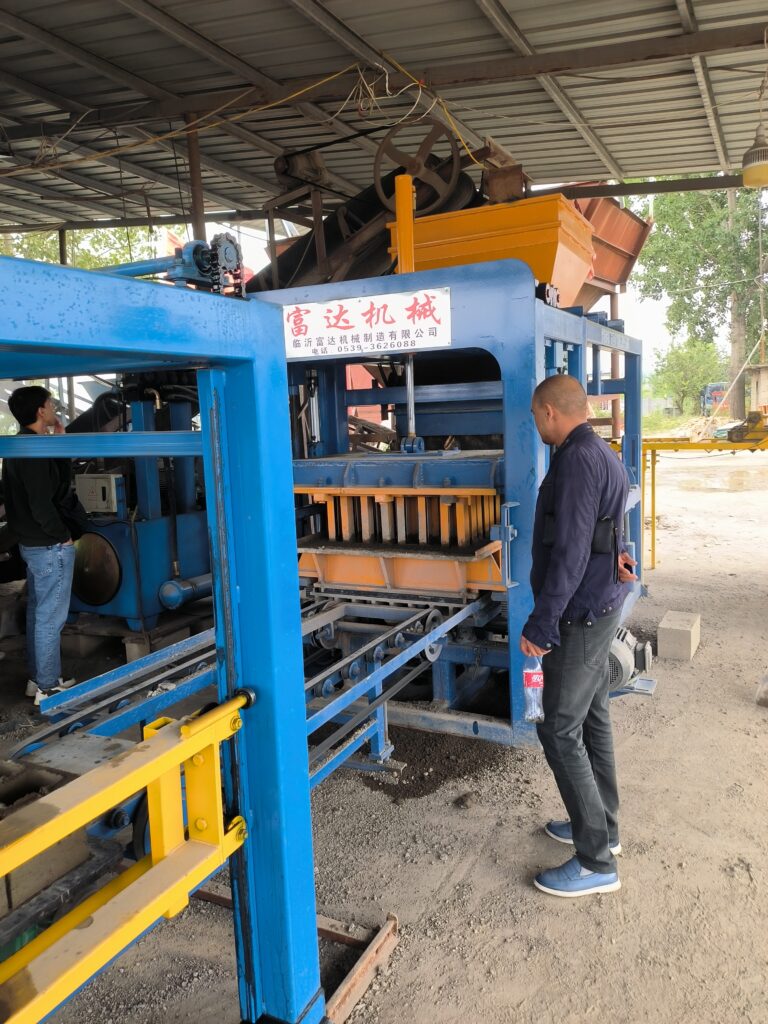
비용 최적화를 위한 전략적 프레임워크
운영 비용을 절감하려면 원자재 투입부터 완제품 출고까지 생산 전 과정을 체계적으로 관리해야 합니다. 이는 측정, 분석, 개선의 지속적인 과정입니다.
1. 원자재 효율성과 투입 비용 최적화
원재료는 일반적으로 총 운영 비용의 50~65%를 차지하므로, 이 부분이 최적화에 있어 가장 중요한 영역입니다.
1.1. 자재 조달 및 취급의 정밀성
원가 통제는 믹서에 재료를 투입하기 전부터 시작됩니다.
- 전략적 소싱과 품질 일관성골재 및 시멘트의 신뢰할 수 있는 공급업체와 장기적인 관계를 구축하십시오. 단가는 중요하지만, 입도와 품질의 일관성을 최우선시하십시오. 재료가 일관되지 않으면 다짐 불량, 더 높은 시멘트 함량 요구, 및 폐기물 증가로 이어져 초기 비용 절감 효과를 무효화할 수 있습니다.
- 대량 구매 및 재고 관리:실리오를 통해 시멘트를 대량 구매하고, 골재는 전차량 단위로 구매하여 물량 할인을 확보하세요. 골재 재고에는 선입선출(FIFO) 방식을 적용하여 보관 중 변질이나 오염을 방지하세요. 지붕이 있는 저장 공간은 골재의 수분 변화를 막아주며, 수분 변화는 배합 설계를 방해하고 생산 문제를 유발합니다.
1.2. 과학적 혼합 설계 및 폐기물 최소화
콘크리트 배합은 비용 관리의 주요 수단이다.
- 최적화된 배합 설계:정기적인 배합 설계 시험을 통해 각 제품 유형별 목표 블록 강도를 달성하는 데 필요한 최소 시멘트 함량을 결정합니다. 비용을 절감하면서도 특정 특성을 유지하거나 향상시킬 수 있는 플라이애시나 슬래그와 같은 허용 가능한 보조 시멘트 재료(SCM)를 활용합니다.
- 제로 웨이스트 생산 마인드셋:생산 폐기물을 위한 폐쇄 루프 시스템을 구현하십시오. 생산 불량품, 파손된 블록, 잔여 콘크리트를 분쇄하고 체로 걸러 재생 골재를 만든 후, 이를 비구조용 제품의 혼합물에 재투입할 수 있도록 하십시오. 재료의 과도한 투입을 방지하기 위해 배칭 장비를 정밀하게 교정하십시오.
2. Maximizing Machine Productivity and Asset Health
The block machine itself is a major cost center through energy consumption, maintenance, and depreciation. Optimizing its performance is non-negotiable.
2.1. Proactive and Predictive Maintenance
Unplanned downtime is the enemy of low operational cost. Shift from reactive repairs to a scheduled, preventive maintenance (PM) program.
- Follow Manufacturer PM Schedules: Adhere strictly to lubrication, filter change, and inspection intervals for hydraulics, vibrators, and conveyors. Maintain a detailed log.
- Focus on Wear Parts: Proactively monitor and replace high-wear components like mold liners, pallets, and mixer blades 이전 they fail and cause secondary damage or produce off-spec products. This is cheaper than emergency repairs and lost production.
2.2. Energy Consumption Optimization
Energy is a significant and often overlooked variable cost.
- Peak Demand Management: Schedule high-energy processes (e.g., steam curing, intensive mixing) during off-peak utility hours if rate differentials exist.
- System Efficiency Audits: Regularly check hydraulic systems for leaks and ensure motors are correctly sized and in good working order. Consider investing in high-efficiency motors or variable frequency drives (VFDs) for long-term savings, especially on high-power equipment like mixers.
3. Optimizing Labor and Overhead Efficiency
Human resources and factory overhead represent a substantial portion of fixed and semi-variable costs.
3.1. Workforce Training and Process Standardization
A skilled, efficient crew is a cost-saving asset.
- Cross-Training: Train operators in basic troubleshooting, routine maintenance, and quality checks. This reduces dependency on specialized technicians for minor issues and minimizes machine idle time.
- Standardized Work Procedures: Develop and enforce clear Standard Operating Procedures (SOPs) for machine setup, mold changes, daily startup/shutdown, and quality control. This reduces errors, improves safety, and ensures consistent, efficient operations across shifts.
3.2. Streamlining Logistics and Factory Layout
Inefficient movement wastes time and fuel.
- Lean Layout Design: Analyze the material flow from raw storage to mixing, production, curing, and final storage. Reorganize the plant layout to minimize the travel distance for front-end loaders and forklifts. This reduces cycle time and fuel consumption.
- Pallet and Logistics Management: Ensure an optimal number of pallets are in circulation to prevent the machine from waiting. Organize the curing and storage yards logically to minimize handling when retrieving orders for dispatch.
Conclusion: A Culture of Continuous Improvement
In conclusion, reducing the operational cost of a block machine is not a one-time project but the cultivation of a culture of continuous improvement embedded in daily operations. It requires viewing every input, every process, and every kilowatt-hour through the lens of value and waste. For the distributor or consultant, your role is to equip clients with this mindset and the practical tools to execute it. This involves advocating for precision in mix design, diligence in maintenance, and intelligence in factory management. The most profitable block manufacturing plants are those where cost control is everyone’s responsibility, from the front-end loader operator to the plant manager. By guiding your clients to systematically attack costs across these three pillars—Materials, Machine, and Labor/Logistics—you help them build not just blocks, but a lean, competitive, and financially robust enterprise capable of thriving in any market condition.
자주 묻는 질문 (FAQ)
Q1: What is the fastest way to see a reduction in operational costs?
A1: The most immediate impact often comes from raw material optimization. Auditing and adjusting your mix designs to ensure you are not over-using cement—the most expensive component—can yield significant savings with minimal investment. Concurrently, implementing strict controls to minimize production waste and recycle rejects offers quick wins.
Q2: How much should I budget for preventative maintenance as a cost-saving measure?
A2: A well-funded PM program is an investment, not an expense. Allocate 2-4% of the machine’s original purchase price annually for scheduled maintenance parts and labor. This is dramatically less than the cost of major breakdowns, which can involve catastrophic component failure and weeks of lost production, easily costing 10-20 times the annual PM budget.
Q3: Can automation reduce operational costs, given its high upfront price?
A3: In the medium to long term, yes, strategically. Automation reduces variable labor costs per unit and minimizes human error, leading to less material waste and more consistent product quality. However, to justify the higher fixed cost (depreciation), it is imperative to achieve high machine utilization. For a high-volume operation, automation is a powerful cost-reduction tool.
Q4: How do I measure the success of my cost-reduction efforts?
A4: Track Key Performance Indicators (KPIs) before and after implementing changes. Crucial metrics include:
- Cost per Block: Total operational cost divided by units produced.
- Material Yield: Tons of raw material input vs. tons of sellable block output.
- Machine Availability/Uptime Percentage.
- Energy Consumption per 1,000 blocks.
Monitoring these KPIs provides objective data on your progress.
Q5: As a distributor, what value can I add to help clients reduce costs?
A5: Move beyond selling parts to selling solutions and knowledge. Offer:
- Mix Design Consultancy: Connect clients with concrete technologists.
- Preventive Maintenance Contracts: Provide scheduled service visits to ensure machine health.
- Operator Training Workshops: Focus on efficient operation and basic maintenance.
- Efficiency Audits: Review their plant layout and operational workflow.
This positions you as a partner in their profitability.
- 자동 블록 제작 기계7 products
- 점토 블록 제조 기계4 products
- 이동식 블록 제작 기계4 products
- 다른 건설 장비5 products
- 반자동 블록 제작 기계4 products